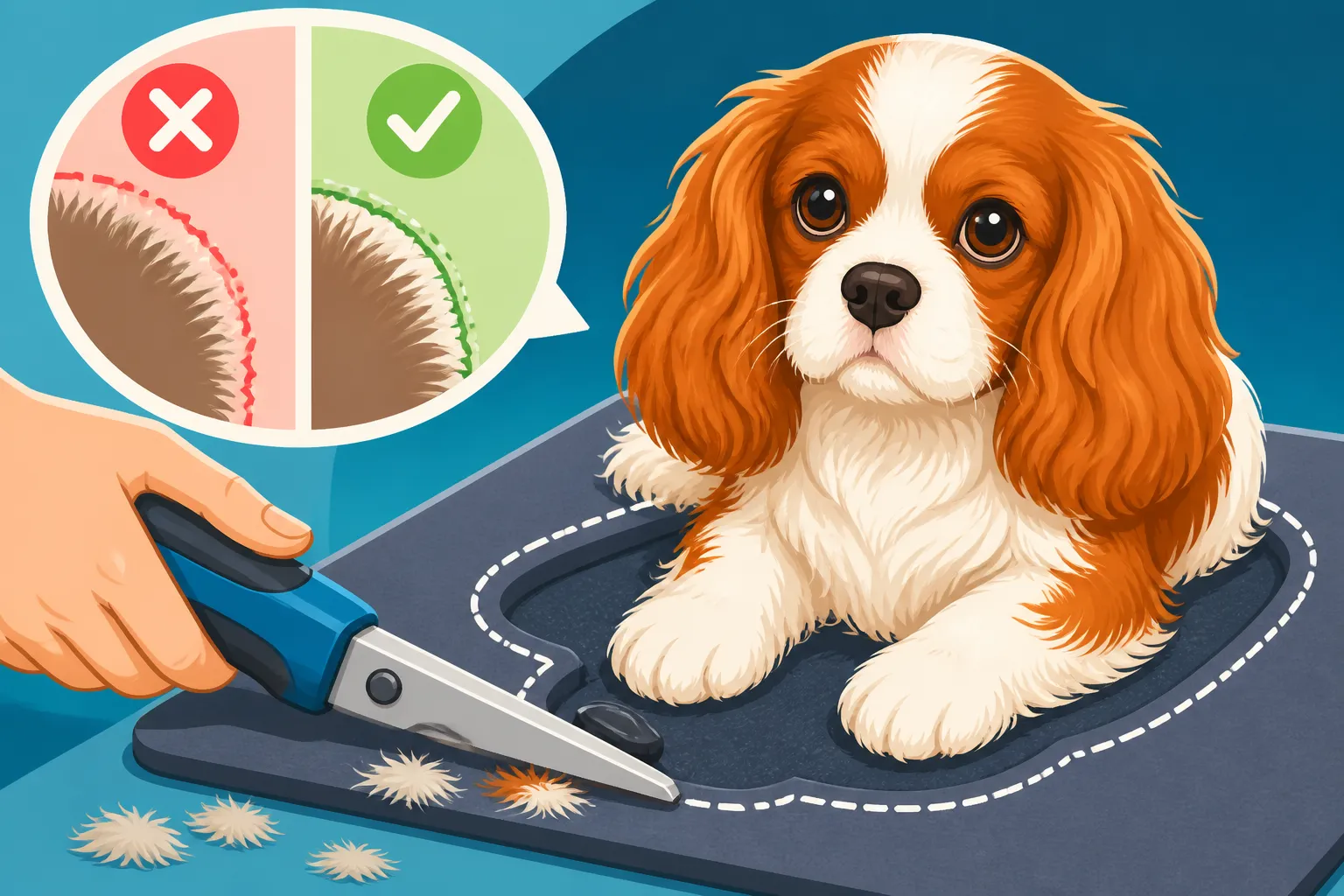
Cutting a Mat Out of a Cavalier Safely
Oh, the dread of running your fingers through your beloved Cavalier's luxurious coat, only to hit a solid, unyielding knot – a mat! It’s a common frustration for Cavalier parents, as those beautiful, silky locks are incredibly prone to tangles that can quickly become painful. This guide is here to walk you through the process of safely and gently cutting a mat out of your Cavalier, ensuring their comfort and your peace of mind.
Why Cavaliers Get Mats (And Why It's Such a Pain!)
Cavalier King Charles Spaniels are renowned for their stunning, soft, and flowing coats. While undeniably beautiful, this very quality makes them highly susceptible to matting. Understanding why these mats form is the first step in both removing them and preventing them in the future.
The Nature of Their Coat (Silky, Fine, and Oh-So-Mat-Prone)
Unlike many breeds with a dense double coat, Cavaliers possess a single, silky coat. This coat type, while lovely to touch and relatively low-shedding compared to some, is fine and easily tangled. Think of it like very fine human hair – it knots up without much effort. The natural oils in their skin, combined with everyday dirt, debris, and friction, contribute to individual hairs intertwining. Once a few hairs snag, they quickly snowball, gathering more loose hair and forming a felt-like clump that pulls at the skin. It’s a vicious cycle that can start subtly and escalate rapidly if not addressed. You might think a quick brush is enough, but those fine hairs can still cling together stubbornly.
Common Trouble Spots (Those Hidden Nooks and Crannies)
Cavaliers have certain areas that are absolute magnet for mats. These are typically high-friction zones or places where moisture tends to linger. The most notorious culprits are behind and under their beautiful long ears. These spots get rubbed constantly when they scratch, eat, or simply move their heads. Combing Behind a Cavalier's Ears is a daily necessity. Other common areas include their armpits, where their legs rub against their body, and their groin area, which can get damp and matted. Don't forget their long feathering on their legs and tail – these areas pick up burrs, leaves, and mud, which quickly turn into knots. Mats in a Cavalier's Armpits and Groin are particularly uncomfortable for your dog, often hiding from view until they're quite severe. Regular, thorough checks of these zones are absolutely crucial, not just a quick surface brush.
The Impact of Lifestyle (Mud, Water, and Playtime)
A Cavalier’s daily activities, as delightful as they are, significantly contribute to mat formation. A romp in the park, especially if it’s a bit damp or muddy, can turn that glorious coat into a tangled mess in minutes. Swimming, even if just a quick splash, can tighten any existing tangles, making them far worse once the coat dries. Simply lying down and rolling around can create friction points that start new mats. Even wearing a harness or collar without proper fit and coat management can rub and create knots around the neck and chest. A Cavalier living an active, happy life is more prone to matting, which means owners of these playful pups need to be extra vigilant with their grooming routine. Remember, a Cavalier's joy shouldn't come at the cost of discomfort, so regular grooming is part of their happy, healthy life.
Tools You'll Need for Safe Mat Removal (And What Not to Use)
Before you even think about tackling a mat, gather your supplies. Having the right tools on hand will make the process much smoother, safer, and less stressful for both you and your Cavalier. Impatience or using the wrong equipment can cause pain, skin irritation, or accidental cuts.
Safety First: Blunt-Nose Scissors
When it comes to cutting mats, safety is paramount. You absolutely must use blunt-nose scissors, specifically designed for pet grooming. These scissors have rounded tips instead of sharp points, significantly reducing the risk of accidentally poking or cutting your dog's skin. A Cavalier's skin is thin and easily damaged, especially when a mat is pulling it taut. Regular pointed household scissors are a serious no-go; they are far too dangerous. You'll also want them to be sharp enough to cut through the mat cleanly without snagging, which can pull and hurt your dog. Take your time selecting a good pair, perhaps from a reputable pet supply retailer on Amazon or Chewy.
Detangling Sprays and Conditioners
Often, a mat can be loosened and even worked out without cutting if you have the right detangling aid. A high-quality detangling spray or a leave-in conditioner formulated for dogs is your secret weapon. These products lubricate the hair strands, making them more pliable and easier to separate. Spray generously onto the mat, ensuring it penetrates to the core, and let it sit for a few minutes to really soak in. This softens the mat and helps reduce friction when you try to comb or snip. Don't just spray the surface; you need it to reach the tightly bound hairs. Some specific brands offer anti-static properties too, which can further aid in smooth detangling. Detangling Spray for a Cavalier Coat can be a real lifesaver, especially if you catch the mat early.
Combs and Brushes (Beyond the Basics)
While your everyday slicker brush is great for general grooming, you’ll need some specialized tools for mat removal. A sturdy metal comb with both wide and narrow teeth is essential. The wide-toothed side can help gently pull apart larger sections of a mat, while the finer teeth are for finishing work once the mat is mostly gone. A de-matting rake or tool, sometimes called a mat breaker, can also be useful. These tools have specialized blades or teeth designed to slice through mats without cutting large sections of coat. However, use these with extreme caution as they are very sharp and can easily injure your dog's skin if not handled correctly. Always ensure you have a good selection of The Brush and Comb a Cavalier Coat Needs for different grooming tasks.
Here's a quick overview of essential mat removal tools:
| Tool | Primary Use | Caution |
|---|---|---|
| Blunt-Nose Scissors | Safely cutting out tightly matted areas | Never use pointed scissors; avoid skin |
| Detangling Spray | Loosening and lubricating mats for easier removal | Ensure it's dog-safe; avoid eyes/mouth |
| Metal Comb | Gently separating tangles, working out smaller mats | Use wide teeth first; don't yank |
| De-matting Rake | Slicing through dense mats | Very sharp; easy to cut skin if misused |
| Slicker Brush | General brushing after mat removal | Can pull hair; use gently, especially on knots |
Step-by-Step: Safely Cutting Out a Mat
Now for the main event. Remember, patience is key. Rushing will only lead to a stressed Cavalier and potentially accidental nicks or cuts. Take a deep breath, and let’s get started.
Preparation is Key (Calm Dog, Calm Handler)
First and foremost, make sure your Cavalier is calm and comfortable. This might mean having a quiet space where you can work without distractions, a treat handy, or even a second person to gently hold and distract your dog with praise or a delicious chew. If your dog is squirming or anxious, it’s much harder to work safely. Lay down a non-slip mat or towel so they feel secure. Gently talk to them, offering reassurance. If your Cavalier hates being groomed, try short sessions, even if it means tackling only one small mat at a time over several days. For dogs particularly sensitive to handling, you might consider scheduling the grooming session after a nice long walk when they are tired and more amenable to relaxing. Remember that for sensitive dogs, handling needs to be a positive experience. Grooming a Cavalier That Hates the Table offers more tips for nervous pups.
Isolating the Mat (And Protecting the Skin)
Once your Cavalier is settled, locate the mat. Before you bring any scissors near, you need to isolate the mat and protect the skin underneath. Gently part the surrounding fur with your fingers or the fine end of your metal comb. This exposes the skin around the mat. Now, here's a crucial step: slide the wide-toothed side of your metal comb between the mat and your dog's skin. Push the comb as close to the skin as possible, creating a barrier. This comb acts as a shield, preventing the scissor blades from coming into direct contact with the skin. Mats often pull the skin up into a tight tent, making it incredibly easy to accidentally snip if you don't have this protective barrier.
The Gentle Snipping Technique
With the comb acting as your shield, you can now begin to snip. Instead of trying to cut the entire mat out in one go, you'll be making small, careful cuts into the edge of the mat, working outwards from the skin. Position your blunt-nose scissors so they are parallel to the comb, and make small, shallow snips into the mat, never across it. Think of it like making tiny slits in the mat, rather than trying to cut it off. This technique, sometimes called "stripping" or "line cutting," breaks the mat into smaller, more manageable sections. After each snip or two, try to gently pull the mat apart with your fingers or the wide teeth of your comb. Repeat this process – snip, pull, snip, pull – until the mat is broken down enough to be combed out. Never force the comb through the mat if it’s still snagging, as this will only cause pain. If a mat is too tight or large, consider calling a professional groomer. Sometimes, if a mat is too close to the skin or too large, the safest option for your Cavalier is to have When a Matted Cavalier Has to Be Shaved by a professional.
Aftercare and Brushing Out
Once the mat is broken down into small enough pieces or fully removed, you'll want to thoroughly brush the area. Use a slicker brush first, working gently, then follow up with a metal comb to ensure all tangles are gone. Pay close attention to the previously matted area and the surrounding fur to prevent new tangles from forming immediately. Finish by giving your Cavalier plenty of praise and a well-deserved treat for being such a good patient. This positive reinforcement is vital for making future grooming sessions easier. Check for any skin irritation or redness that the mat might have caused. If you notice any, keep an eye on it, and if it worsens, consult your vet. After all that hard work, maybe your pup deserves a little extra attention or a special meal from a service like Ollie, just to remind them how much you appreciate their cooperation.
Preventing Future Mats (Because an Ounce of Prevention…)
While removing mats is sometimes unavoidable, the goal is always to prevent them from forming in the first place. Regular, proactive grooming is your best defense against the dreaded mat.
Routine Brushing (Your Best Defense)
The single most effective way to prevent mats in a Cavalier's silky coat is consistent, routine brushing. Aim for at least three times a week, but ideally, a quick daily brush-through is even better, especially in those problem areas like behind the ears, armpits, and leg feathering. Don’t just skim the surface; use a slicker brush to get down to the skin, then follow with a metal comb to ensure no small tangles are missed. Always brush in layers, lifting the top coat and working through the undercoat in sections. This ensures you’re not just gliding over the top, but truly removing any nascent knots. Brushing a Cavalier's Feathering Three Times a Week is a great habit to get into. If you make it a pleasant experience with treats and praise, your Cavalier will learn to enjoy this bonding time.
Strategic Grooming (Professional Help and Home Maintenance)
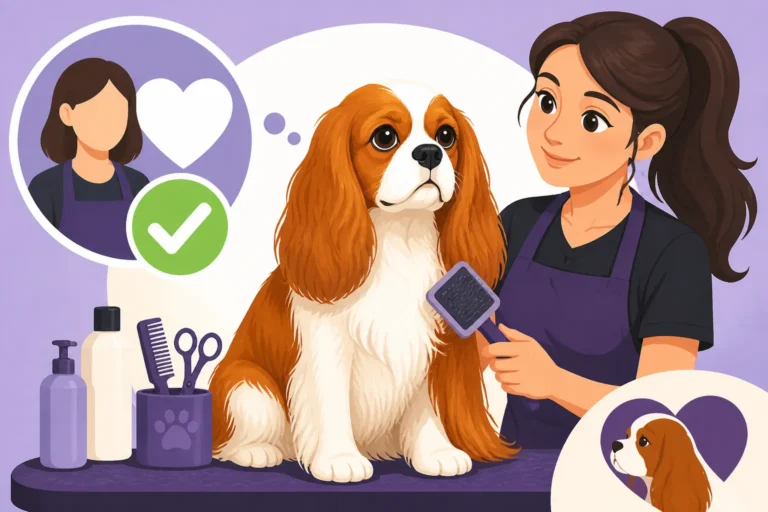
Beyond daily brushing, consider the benefits of professional grooming. A professional groomer who understands Cavalier coats can perform thorough de-shedding, trim feathering strategically to reduce matting potential (while still maintaining the breed's signature look), and catch developing mats you might miss. Regular baths with appropriate dog shampoo and conditioner also play a crucial role. A clean coat is less likely to mat than a dirty, oily one. Always ensure the coat is completely dry after a bath; damp fur is a breeding ground for mats. If you're managing bathing at home, make sure you're using a quality dog-specific conditioner, available from stores like Chewy, to keep the coat smooth and tangle-resistant. Don't be afraid to ask your groomer for tips on specific tools or techniques for your Cavalier’s coat type. Finding a Groomer Who Knows Cavalier Coats is essential for maintaining their distinctive appearance and comfort.
Environmental Management (Minimizing Triggers)
You can also make small adjustments to your Cavalier's environment and routine to reduce matting. If your dog loves to roll in the mud or water, consider a quick rinse and thorough brush-down immediately afterward. Investing in a dog snood can protect those long ear feathers from getting wet or getting into food during meal times, which are common culprits for ear matting. For outdoor adventures, consider trimming the hair between their paw pads to prevent debris from getting trapped and causing painful mats. During walks, be mindful of burrs, sticky seeds, and thorny bushes that can instantly create a tangled mess. A quick check after outdoor play can save you a lot of time and your Cavalier a lot of discomfort later on.
Disclaimer
This article is for general informational purposes only and does not constitute professional advice. Laws, prices and regulations vary by location and change over time. Consult a qualified professional for guidance on your specific situation.