Whether a Cavalier Coat Grows Back After Clipping
It’s a common scenario: your beautiful Cavalier King Charles Spaniel, with their flowing, silky coat, has somehow managed to get themselves into a dreadful mess. Maybe it’s a severe mat behind the ears or along their flank, a sticky tangle from an outdoor adventure, or simply the relentless shedding and upkeep. In desperation, many Cavalier owners consider or even resort to clipping their beloved dog's coat short, hoping for a fresh start and easier maintenance. But what happens then? Does that gorgeous, flowing feathering ever truly grow back the same way? This guide will explore the often-surprising reality of clipping a Cavalier's coat and what you can expect afterward.
The Cavalier Coat: A Double-Edged Sword of Beauty and Maintenance
Cavalier King Charles Spaniels are renowned for their luxurious, soft, and flowing coats. It's one of their most distinctive features, contributing greatly to their regal appearance and cuddly appeal. However, this same beautiful coat can also be a source of considerable frustration for owners, especially when it comes to keeping it clean and free of tangles. Understanding the unique characteristics of their fur is the first step in appreciating why clipping isn't always the simple solution it might seem.
Understanding the Cavalier's Silky, Single Coat
Unlike many breeds that have a thick, dense undercoat to provide insulation, Cavaliers typically boast a single coat of silky hair. This absence of a woolly undercoat is what gives their fur its characteristic soft, fine texture and beautiful drape. The hair is long, generally straight or slightly wavy, and forms those delightful featherings on their ears, chest, legs, and tail. This type of coat, while stunning, is also particularly prone to matting. Every time your Cavalier runs through tall grass, plays with another dog, or simply enjoys a good roll on the carpet, their fine hair can intertwine, forming knots and mats that can quickly become painful if not addressed. The reality is that maintaining this coat requires consistent effort, making it a "double-edged sword" for many loving owners.
The Temptation of the Clipper
When faced with a Cavalier whose coat has become a matted mess – perhaps after an unexpected swim in a murky pond, a run-in with burrs, or simply a period where regular grooming slipped – the idea of a complete clip-down can feel incredibly tempting. It seems like the quickest, most efficient way to reset the situation, to get rid of all the tangled chaos and start anew. Owners might also consider clipping in warmer weather, mistakenly believing it will make their dog more comfortable, or if their Cavalier is struggling with skin issues under a heavy coat. The visual of a neatly trimmed dog, free from knots and dirt, offers a strong pull towards the clipper. It's a natural reaction to a frustrating problem, but it’s vital to understand the potential long-term consequences before making that decision.
The Truth About Clipping a Cavalier's Coat: What Actually Happens
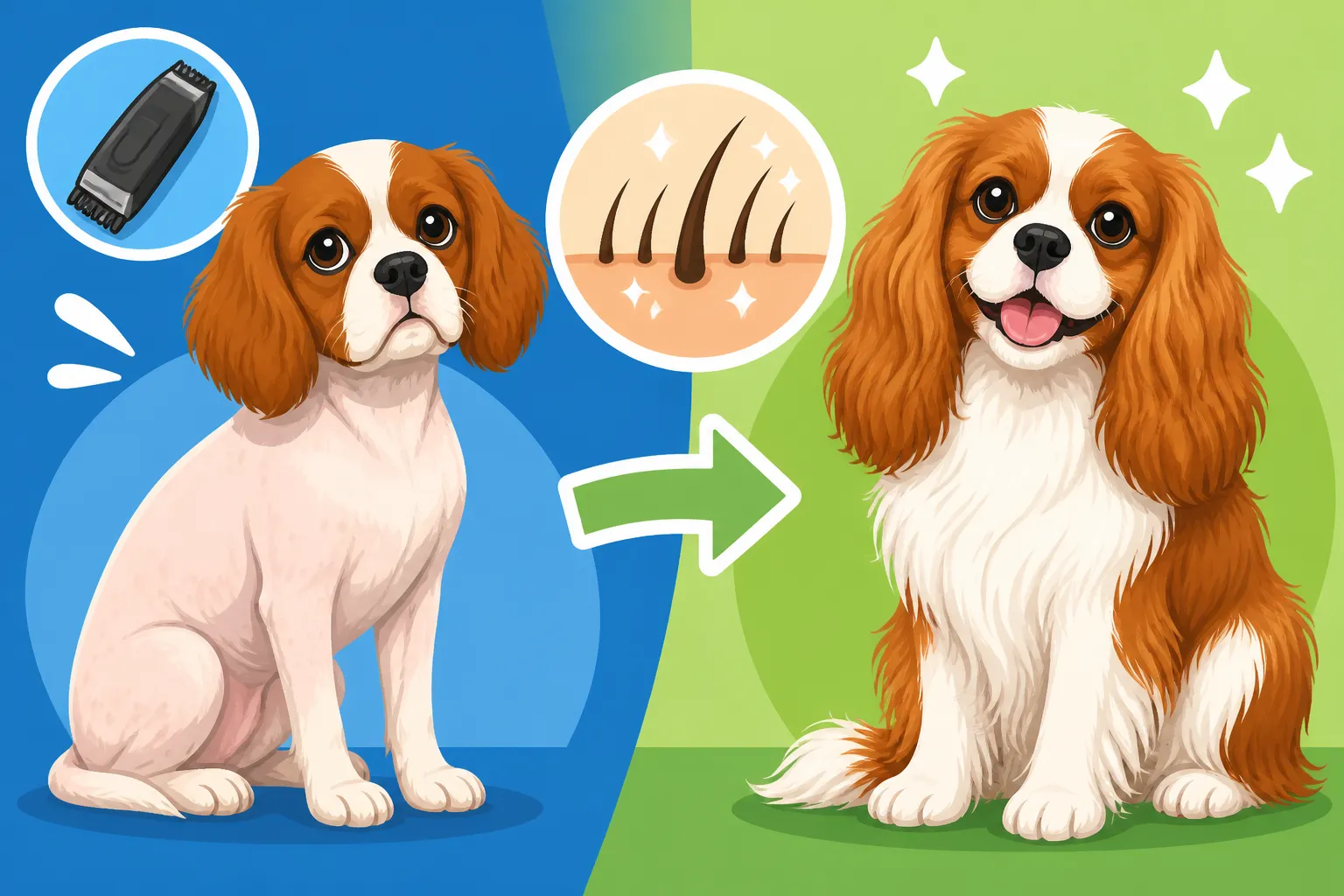
This is the million-dollar question for many Cavalier owners, and the answer is often not what they hope to hear. While your Cavalier's hair will grow back after clipping, it very rarely grows back with the same texture, softness, or pattern. This phenomenon can be quite disheartening for owners who adore their Cavalier's natural, flowing look.
The "Velcro" Coat Phenomenon
When a Cavalier's coat is clipped short, especially with a very close shave, the delicate structure of the hair follicles can be disrupted. Instead of growing back with its characteristic silky smoothness, the new growth often emerges coarser, thicker, and sometimes even curlier or more woolly. This altered texture is affectionately, or perhaps not so affectionately, known as a "velcro" coat. The term perfectly describes how this new coat tends to pick up everything – dust, debris, burrs, and even loose hairs from other pets – and mat even more quickly and severely than the original coat. It's a frustrating paradox: you clipped to prevent matting, but now the coat mats worse and faster. You might find yourself brushing daily, only to discover new tangles forming almost immediately.
This change isn't just a slight difference; it can be quite dramatic. A dog that once had flowing, easy-to-manage hair might develop a coat that feels more like a terrier's or even a sheep's wool. It loses its natural lustre and the way it lies against the body. This is a common issue for many breeds with soft, single coats when they are clipped, and Cavaliers are particularly susceptible to this irreversible change.
Why the Texture Changes
The precise biological mechanisms behind this coat change aren't fully understood, but it's believed to be related to the way hair follicles cycle through growth phases and how the guard hairs (the outer, protective layer) and finer undercoat (even though Cavaliers have a minimal one compared to double-coated breeds) are affected by a sudden, drastic cut. When you clip, you're essentially cutting off the ends of the existing hairs and forcing the follicles to restart their growth cycle from scratch. The hair that regrows may have different characteristics, possibly because the guard hairs, which provide texture and weather protection, are removed, and the softer, finer hairs are stimulated to grow in a more dominant, coarser fashion.
Think of it like this: if you repeatedly trim a delicate houseplant aggressively, it might not grow back in its original elegant shape or with the same tender leaves. The plant might send out tougher, more resilient growth in response to the trauma. Similarly, the trauma of a close clip can signal the hair follicles to produce a different type of hair. It's not like getting a haircut as a human, where your hair texture generally remains the same. A dog's coat is a much more complex biological system designed for protection and insulation. This is why many experienced Cavalier owners and reputable groomers strongly advise against clipping unless absolutely medically necessary.
How Long a Clipped Coat Takes to "Grow In"
If your Cavalier's coat has been clipped, you're likely wondering how long it will take to grow back and if there's any hope of it returning to its former glory. The reality is that "growing in" a clipped coat is a long and often frustrating process. A Cavalier's hair grows relatively slowly compared to some other breeds. You can expect it to take several months, often six months to a year or even longer, for the coat to regain significant length. Even then, as discussed, the texture may never be the same. For more insights on the timeframe, you might want to read How Long a Cavalier Coat Takes to Come In.
During this grow-out phase, the coat can look awkward and be very challenging to manage. The new, coarser hair may mat even more frequently, requiring diligent daily Brushing a Cavalier's Feathering Three Times a Week. Owners often describe it as feeling like a never-ending battle against tangles. Some Cavaliers' coats may eventually soften slightly over a very long period (think years, not months), but it's rare for them to revert completely to their original silky texture. Setting realistic expectations is key here – once the coat is clipped, you're generally dealing with a permanent change in texture, even if the length eventually returns.
Why the Coat Change Matters: More Than Just Aesthetics
Beyond the obvious change in appearance, altering a Cavalier's natural coat through clipping has several practical implications that can affect their comfort, health, and daily care. These aren't just cosmetic concerns; they're functional aspects of their well-being.
Loss of Natural Protection
A Cavalier's natural, flowing coat isn't just for show; it serves several crucial protective functions. Firstly, it acts as a natural insulator, helping to regulate their body temperature. In cooler weather, the coat traps a layer of warm air close to the skin, keeping them cozy. In warmer weather, it actually provides a barrier against the sun's harsh rays, preventing sunburn and acting as a mild insulator against heat. When this coat is clipped short, your Cavalier loses this natural protection. They can become more susceptible to sunburn, especially if they have lighter skin, and may struggle more with both heat and cold.
Furthermore, the natural coat offers a degree of physical protection against environmental irritants like thorns, scrapes, and insect bites. A closely clipped coat leaves the skin much more exposed and vulnerable. Imagine going outside in shorts and a t-shirt versus a full suit of clothes – the latter offers more protection. For a Cavalier, their coat is their natural attire, designed to keep them safe and comfortable in various conditions.
Increased Matting and Grooming Challenges
This might sound counterintuitive, but a clipped Cavalier coat often ends up matting more easily than its original, unclipped state. The coarser, woollier texture of the regrown hair tends to tangle and felt together much more aggressively. Fine, silky hair can often be brushed through if caught early, but the "velcro" coat sticks to itself with remarkable tenacity. This means what you hoped would be a low-maintenance solution often becomes a higher-maintenance problem.
Owners of clipped Cavaliers frequently report needing to brush their dogs daily, sometimes even twice a day, just to keep mats from forming. These mats can pull on the skin, causing discomfort and even skin infections if moisture and debris get trapped underneath. Areas like the armpits, behind the ears, and around the tail base, which are already prone to tangles, become even bigger problem zones with a changed coat texture. For tips on managing these tricky spots, consider reading Mats in a Cavalier's Armpits and Groin. The cost and time commitment for professional grooming might also increase as groomers contend with a more challenging coat type.
Temperature Regulation Issues
As briefly mentioned, temperature regulation becomes a significant concern for a clipped Cavalier. Their natural coat is like a finely tuned climate control system. In winter, even though they are small, their full coat provides warmth. Without it, they might shiver more easily and require sweaters or coats during walks, even in moderately cool temperatures.
Conversely, in summer, many owners believe clipping their Cavalier will cool them down. While it seems logical, the absence of the protective outer layer can actually make them hotter in direct sunlight due to sun absorption on exposed skin, and it removes the insulating barrier that helps keep heat out. They are also at a higher risk of sunburn, particularly on their backs and heads where the hair is shorter. This is a critical point to consider, especially if you live in a climate with extreme temperatures. It underscores that the natural coat is expertly designed to manage a Cavalier's body temperature year-round.
Managing a Clipped Cavalier Coat and Preventing Future Issues
If your Cavalier has already been clipped, don't despair! There are steps you can take to manage their coat effectively during the grow-out phase and to prevent future clipping. The key is consistent, diligent care and understanding what your Cavalier's coat truly needs.
If Your Cavalier Has Already Been Clipped
First and foremost, accept that the coat texture may have permanently changed. Your focus now is on managing the new growth and keeping your Cavalier comfortable and mat-free. This means stepping up your grooming routine. Daily brushing is no longer optional; it's essential. You'll need specific tools to tackle the coarser, mat-prone hair. A good quality slicker brush and a sturdy metal comb (like those found on Chewy or Amazon) will be your best friends. Make sure to brush in sections, all the way down to the skin, to prevent mats from forming underneath the surface layer.
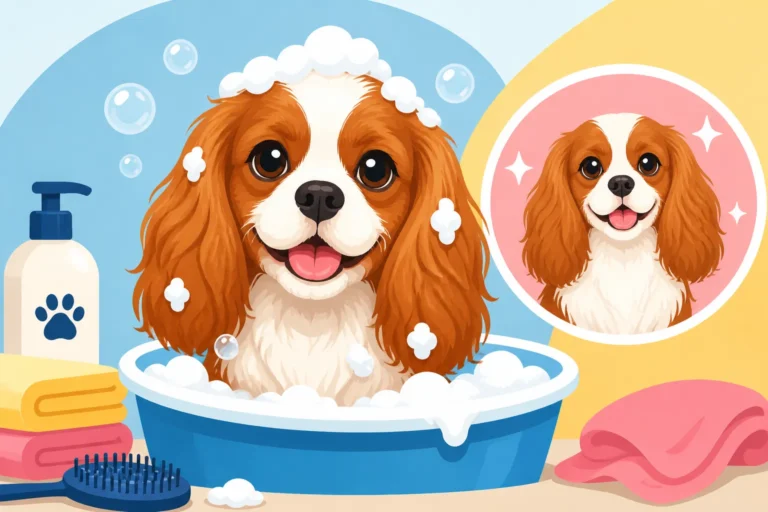
Regular bathing with a moisturizing shampoo and conditioner can help soften the new coat texture, though it won't revert it to its original silkiness. Ensure you rinse thoroughly and dry completely, as damp, matted hair can lead to skin irritation. Consider using a detangling spray designed for dogs; these can make brushing easier and help prevent new tangles from forming. It's a marathon, not a sprint, and patience will be your greatest asset during this phase.
Avoiding the Clipper: Prioritizing Preventative Grooming
The best way to avoid the "velcro" coat dilemma is to prevent the need for clipping in the first place. This means establishing a consistent and thorough preventative grooming routine from puppyhood, or as soon as you bring your Cavalier home. Regular brushing, ideally three times a week or even daily for a very active Cavalier, is crucial. This not only removes loose hair and prevents mats but also distributes natural oils, keeping the coat healthy. For detailed guidance on proper brushing techniques, refer to Brushing a Cavalier's Feathering Three Times a Week.
Routine bathing, typically every 2-4 weeks depending on their lifestyle, helps keep the coat clean and manageable. Always use a high-quality dog shampoo and conditioner. After bathing, thoroughly dry your Cavalier, ensuring all feathering is completely dry to prevent matting. Invest in the right tools: a pin brush, a slicker brush, and a wide-toothed metal comb (available from retailers like Chewy or Amazon) are indispensable. Pay close attention to areas prone to matting, such as behind the ears, under the armpits, and the "pantaloons" on their hind legs. Regular trips to a professional groomer every 6-8 weeks for a bath, tidy, and de-shedding can also make a huge difference in keeping their coat in top condition. These appointments help you stay on top of any potential issues and ensure proper trimming of nails and tidying of paw pads and sanitary areas. For a breakdown of these ongoing costs, see Cavalier Grooming Costs Every Six to Eight Weeks.
Finding the Right Groomer
When it comes to professional grooming for your Cavalier, choosing the right groomer is paramount. You need someone who understands the unique characteristics of a Cavalier's single coat and respects its natural structure. A good groomer will prioritize de-matting and tidying over clipping, offering solutions that maintain the integrity of the coat. They should be able to work through tangles gently and effectively, without resorting to shaving unless it's the only humane option for severe, pelted matting.
Ask potential groomers about their experience with Cavaliers and their approach to coat maintenance. A groomer who immediately suggests a "shave down" for anything less than extreme matting might not be the best fit for preserving your Cavalier's iconic look. Many groomers are skilled in hand-stripping or hand-scissoring techniques that can tidy up the coat without altering its texture, leaving a natural appearance. Don't be afraid to ask questions and clearly communicate your desire to maintain your Cavalier's coat in its natural state. A great resource for understanding what a professional groomer should do for your Cavalier is What a Cavalier Groomer Should and Should Not Cut. Finding a groomer who truly knows the breed, as discussed in Finding a Groomer Who Knows Cavalier Coats, can save you a lot of heartache (and potentially a permanently altered coat) in the long run.
| Feature | Natural Cavalier Coat | Clipped Cavalier Coat (Post-Clip) |
|---|---|---|
| Texture | Silky, soft, flowing, often slightly wavy | Coarser, woollier, sometimes curlier, less soft, "velcro" texture |
| Matting Tendency | Prone to mats if not brushed regularly, especially feathering | Often mats more easily and severely due to altered texture |
| Insulation | Excellent natural insulation against heat and cold | Reduced insulation, greater sensitivity to temperature extremes |
| Protection | Protects skin from sun, minor scrapes, environmental irritants | Exposed skin, higher risk of sunburn and minor injuries |
| Appearance | Characteristic elegant, regal look with full feathering | Altered aesthetic, can look "scruffy" or less refined |
| Grooming Effort | Requires regular brushing and professional tidying | Often requires more frequent, intensive brushing to combat mats |
Disclaimer
This article is for general informational purposes only and does not constitute professional advice. Laws, prices and regulations vary by location and change over time. Consult a qualified professional for guidance on your specific situation.