Massaging the Base of a Cavalier’s Ear
The moment you realize your sweet Cavalier's ears have that distinct, slightly yeasty smell, or you notice them shaking their head a little too much, a wave of dread can wash over you. It's a common frustration for Cavalier owners, battling the moist, feathered ear environment that seems designed to trap trouble. This guide is here to walk you through the often-underestimated, yet incredibly effective, practice of massaging the base of your Cavalier's ear, turning what could be a chore into a beneficial bonding ritual.
Why Ear Massaging Is So Important for Cavaliers
Cavalier King Charles Spaniels are undeniably adorable, but their long, silky drop ears, while beautiful, are a double-edged sword when it comes to ear health. Unlike dogs with upright ears that allow for plenty of air circulation, Cavaliers' ears hang down, creating a warm, dark, and often humid environment that's just perfect for bacteria and yeast to thrive. This unique anatomy makes regular ear care, including a good massage, not just a suggestion but a crucial part of their well-being.
Understanding Your Cavalier's Ear Anatomy
To truly appreciate why massaging works, let's talk a little about what's going on under all that lovely feathering. A dog's ear canal isn't straight like a human's; it's shaped more like an 'L'. It has a vertical section that leads down from the opening, makes a sharp turn, and then continues horizontally to the eardrum. This bend is why simply squirting ear cleaner into the opening isn't enough – you need to work it down and around. The abundant hair around and inside a Cavalier's ear, while beautiful, can also act like a dam, trapping moisture, debris, and wax, preventing it from naturally migrating out. This combination of a convoluted canal and a hairy, humid environment sets the stage for potential issues.
The Link Between Massage and Ear Health
Massaging the base of your Cavalier's ear serves several vital purposes. First and foremost, if you're using an ear cleaning solution, massage helps distribute that liquid deep into the ear canal, beyond the initial opening. Without it, the cleaner might only address the superficial part of the ear, leaving the deeper, gunk-filled sections untouched. The gentle pressure helps break up and dislodge waxy buildup and debris that might be clinging to the walls of the canal. Think of it like gently squeezing a sponge to get the water all the way through. It also stimulates blood circulation in the area, which can be beneficial for overall tissue health. Regular massage also makes your Cavalier more accustomed to having their ears handled, making future cleanings or vet examinations much less stressful for everyone involved. It’s a small effort that can yield huge returns in comfort and health for your furry friend.
Early Warning Signs You Might Miss
Beyond its role in cleaning, massaging provides an excellent opportunity for you, the owner, to become intimately familiar with what a healthy Cavalier ear feels like. This familiarity is your superpower when it comes to early detection of problems. As you gently massage, pay attention to any subtle changes. Does one ear feel warmer than the other? Is there any swelling at the base, or are there small lumps or bumps you haven't noticed before? Does your Cavalier pull away or yelp when you touch a certain spot, indicating pain or tenderness? Are there any subtle odors that you might not detect just from a casual sniff? Catching these changes early, before they escalate into a full-blown infection, can save your Cavalier a lot of discomfort and you a significant vet bill. Regular, gentle examination through massage is truly a frontline defense against ear issues.
The Right Way to Massage Your Cavalier's Ears
Performing an ear massage on your Cavalier is a simple process, but doing it correctly makes all the difference. It should be a calm, positive experience for both of you, not a wrestling match. Establishing a routine and using gentle, reassuring techniques will help your Cavalier learn to tolerate, and perhaps even enjoy, their ear massages.
Gathering Your Supplies
Before you begin, have everything you need within arm's reach. There's nothing worse than getting started and realizing you need to fetch something, breaking your dog's focus and potentially causing anxiety. You'll want a good quality ear cleaning solution, preferably one recommended by your veterinarian. Avoid harsh chemicals or anything not specifically formulated for canine ears. You'll also need some soft cotton balls or pads – steer clear of cotton swabs (Q-tips) as these can push debris further into the ear canal and potentially damage the eardrum. Plenty of high-value treats are essential to reward cooperation and create a positive association. Some owners find that a Snoods That Keep Cavalier Ears Out of Dinner can be helpful to keep those long ears out of the way, especially if you're dealing with a wet solution. You can find all these essentials readily available at pet supply retailers like Chewy or Amazon. Having a towel handy is also a good idea, as things can get a little messy.
The Gentle Technique for Effective Massage
Once your supplies are ready, position your Cavalier in a comfortable spot, perhaps on your lap or on a grooming table if they are used to it.
- Lift the Ear Flap: Gently lift your Cavalier's ear flap to expose the opening of the ear canal.
- Apply Cleaner (if using): If you're using an ear cleaning solution, hold the bottle near the ear opening and apply the recommended amount directly into the canal. You don't want to overfill, but you want enough liquid to get down there. Many cleaners will tell you to fill the canal.
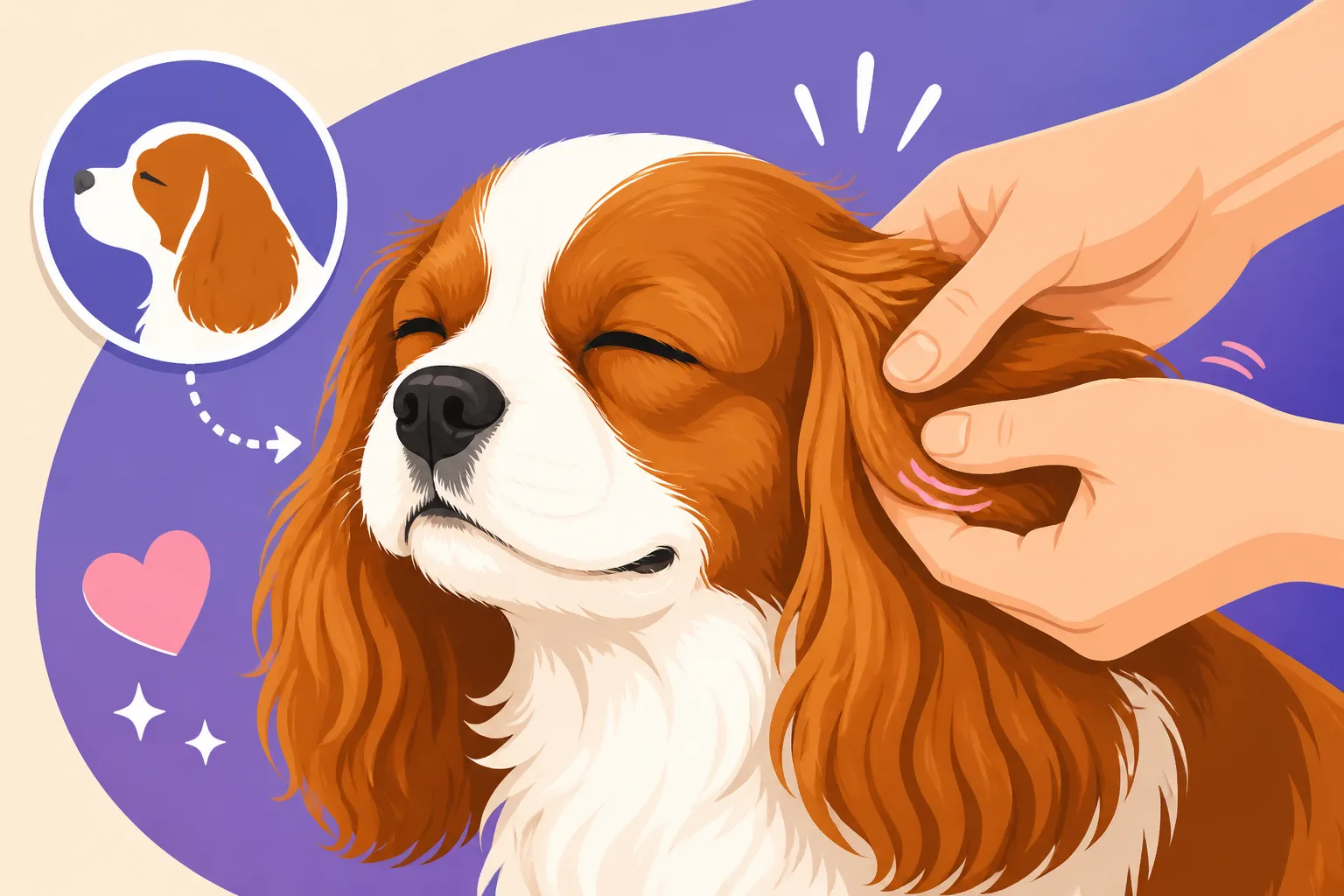
- Position Your Hands: Gently cup the base of the ear with your thumb on one side and your fingers on the other, encompassing the area where the ear attaches to the head. This is the cartilaginous part of the ear canal.
- Massage in a Circular Motion: Begin to gently massage this area between your thumb and fingers using a circular, squeezing motion. You should hear a squishing or bubbling sound, which indicates the cleaner (and any loosened debris) is moving around in the L-shaped canal. Continue this for about 20-30 seconds.
- Let Them Shake (and clean up): After massaging, step back and let your Cavalier shake their head. This shaking action helps to bring loosened debris and excess cleaner to the surface. Have your towel ready for any spray!
- Wipe the Visible Area: Use a fresh cotton ball or pad to gently wipe away any visible gunk or cleaner from the outer part of the ear and the entrance to the canal. Remember, only clean as far as your finger can comfortably reach. Never insert anything deep into the ear canal.
- Reward Generously: Offer plenty of praise and a tasty treat immediately after each ear is done. This positive reinforcement is key to making the experience pleasant for your Cavalier.
Incorporating Massage into Your Routine
Consistency is paramount when it comes to Cavalier ear care. For general maintenance and health checks, a quick ear massage every few days or at least once a week is a great habit to form. If your Cavalier is prone to ear infections, your vet might recommend more frequent cleaning and massaging, perhaps every other day or even daily during flare-ups.
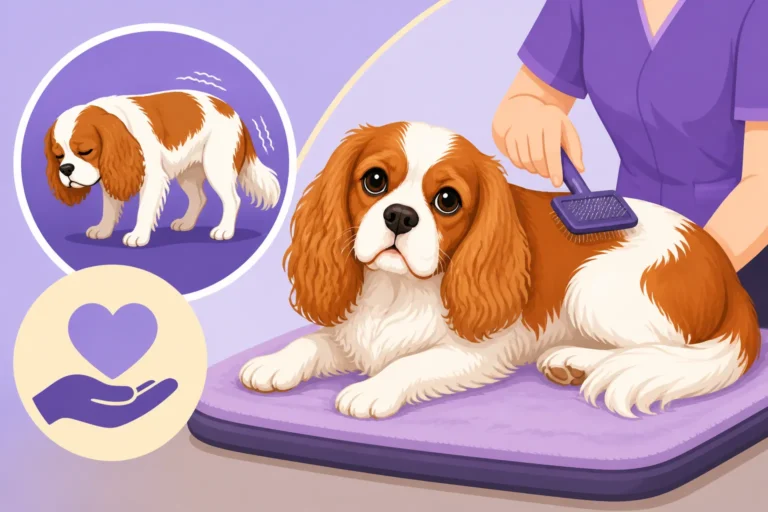
Make it a part of a larger grooming or cuddle session. For example, after a relaxing evening brush, transition to a gentle ear massage. This helps associate the massage with positive, calm interactions. A young puppy is the ideal time to start, making it a normal part of their life from an early age. Even older Cavaliers can learn to enjoy it with patience and plenty of delicious rewards. Many owners find their Cavaliers look forward to this attention, turning a necessary health task into a cherished bonding ritual. Remember, a few minutes of preventative care can save you countless hours of worry and potential discomfort for your beloved companion.
When Massaging Alone Isn't Enough: Spotting Trouble
While regular ear massaging and cleaning are fantastic preventative measures, they aren't a foolproof shield against all ear problems. Sometimes, despite your best efforts, issues can arise, or what seems like a simple dirty ear is actually something more serious lurking beneath the surface. Knowing when to escalate from home care to professional veterinary attention is critical for your Cavalier's well-being.
Recognizing Signs of Infection or Pain
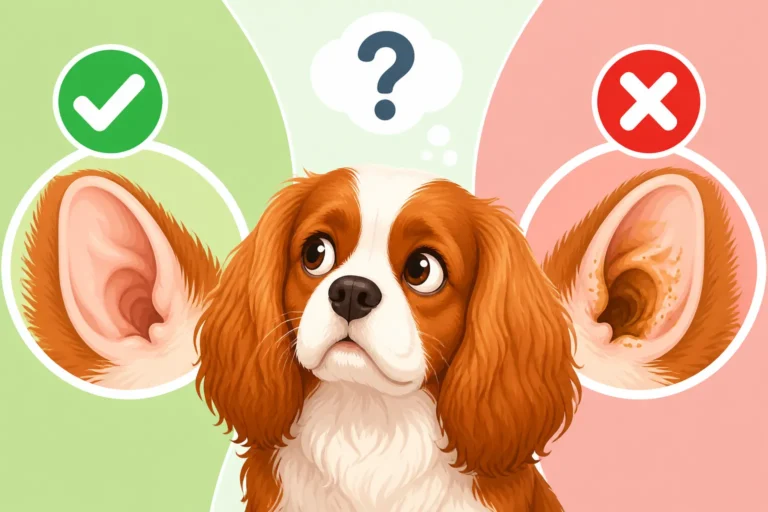
Your Cavalier's behavior and the condition of their ears will give you clear signals if something is amiss. One of the most obvious signs is persistent head shaking or scratching at their ears. While an occasional shake is normal, a constant, vigorous shaking or pawing at the ear can indicate discomfort or pain. If you notice a strong, unpleasant odor coming from the ear, even after cleaning, it's a huge red flag. A healthy ear generally has a very mild, neutral smell. Redness or swelling around the ear canal opening, or even inside the ear flap, is another indicator of inflammation. Discharge, whether it's waxy, brown, yellow, or pus-like, is also a sign of trouble. Keep an eye out for The Smell That Means a Cavalier Ear Infection. Your Cavalier might also become sensitive to touch around their head, yelp when you try to pet them, or hold one ear lower than the other. Any of these signs warrant a closer look by a professional.
Common Cavalier Ear Issues
Cavaliers are particularly susceptible to a few common ear issues that go beyond simple dirt and wax.
- Yeast Infections: These are incredibly common and thrive in warm, moist environments. You'll often notice a yeasty, slightly sweet or "bread-like" smell, along with brownish-red waxy discharge and intense itching.
- Bacterial Infections: These can be even more painful and may present with yellow or green pus-like discharge, significant redness, swelling, and a foul odor.
- Allergies: Many ear problems in Cavaliers are actually secondary to underlying allergies. Food allergies or environmental allergies (like pollen or dust mites) can cause inflammation and itching, leading to recurrent ear infections. Even if you're diligent with cleaning, if the root cause is an allergy, the problem will keep coming back. This is why you might find yourself dealing with Recurrent Ear Infections in a Cavalier.
- Ear Mites: While less common in well-cared-for adult dogs, puppies can easily pick up ear mites. They cause intense itching and a dark, crumbly discharge that looks like coffee grounds.
- Foreign Objects: Sometimes, a grass seed or other small foreign object can get lodged in the ear canal, causing irritation and infection.
The Vet's Role
If you notice any of the warning signs discussed, it's time to schedule a visit to your veterinarian. Don't delay, as ear infections can quickly become more severe and painful, potentially leading to more serious issues if left untreated. When you go to the vet, they will perform a thorough examination using an otoscope to look deep into the ear canal and check the eardrum. They might also take a swab of any discharge for cytology (looking at it under a microscope) to determine if it's yeast, bacteria, or mites. This is crucial because different types of infections require different medications. They'll also discuss your Cavalier's history, diet, and any other symptoms to try and uncover underlying causes like allergies. Treating the specific infection and addressing any predisposing factors is key to long-term ear health for your Cavalier.
Beyond the Massage: Holistic Ear Care for Your Cavalier
Massaging the base of your Cavalier's ear is a wonderful and essential component of their overall ear health, but it's just one piece of the puzzle. A truly holistic approach to ear care involves looking at several aspects of their daily life and environment to minimize the risk of recurrent issues. It's about creating an environment where those lovely drop ears can thrive without becoming a breeding ground for problems.
Keeping Ears Dry After Baths and Swims
Moisture is the arch-nemesis of a healthy ear canal, especially for a Cavalier. Their long, pendulous ears naturally trap humidity, and adding more water through baths or swims only exacerbates the problem. After every bath, and especially after a swim (which many Cavaliers absolutely adore!), it is paramount to thoroughly dry their ears. Don't just towel dry the outside; gently lift the ear flap and use a soft, absorbent cloth or cotton ball to dry the accessible parts of the ear canal. For deeper drying, some owners use a low-setting hairdryer (held at a safe distance and never pointed directly into the canal) or a special ear-drying solution. Ensuring those ears are bone dry is a simple but incredibly effective way to prevent yeast and bacterial overgrowth. This diligence is directly tied to preventing Drying a Cavalier's Ears After a Bath.
Dietary Considerations for Ear Health
You might be surprised to learn how much diet can impact ear health. Many chronic or recurrent ear infections in Cavaliers are, in fact, secondary symptoms of an underlying food allergy or sensitivity. Ingredients like chicken, beef, dairy, wheat, or corn are common culprits. If your Cavalier experiences frequent ear issues despite consistent cleaning, it might be time to discuss a dietary trial with your vet. This usually involves switching to a novel protein or hydrolyzed protein diet for several weeks to see if symptoms improve. Quality nutrition also plays a role in supporting a strong immune system, which can better fend off infections. Some owners explore fresh-delivered dog food options, like those offered by Ollie, as they can sometimes be easier on sensitive digestive systems and thus potentially impact allergy symptoms. Always discuss significant dietary changes with your vet to ensure your Cavalier is receiving balanced nutrition.
Regular Grooming for Ear Feathering
Those long, luxurious ear feathers are a hallmark of the Cavalier King Charles Spaniel, but they require diligent care. The hair around and inside the ear canal can contribute to ear problems in several ways: it traps moisture, reduces airflow, and can hold onto dirt and debris. Regular brushing and combing of the ear feathering help prevent mats, which can pull on the skin and cause discomfort, and also allow you to inspect the skin underneath. While a Cavalier groomer should know The Cavalier Feet the Standard Says Not to Trim, when it comes to the ear, many owners opt for a slight trim of the hair around the ear canal opening to improve airflow. Never pluck hair from deep inside the canal unless specifically instructed by your vet, as this can irritate the skin and lead to infection. Keeping the feathering clean and free of tangles also makes it easier to clean the ear itself. Don't forget that Cavalier Ear Cleaning Supplies as a Standing Cost should be factored into your budget to maintain this important area.
Remember, a multi-faceted approach, combining regular massage and cleaning with careful drying, appropriate diet, and good grooming, is the best way to keep your Cavalier's ears healthy, comfortable, and infection-free for years to come.
| Symptom / Observation | Healthy Ear | Potential Problem | Action |
|---|---|---|---|
| Smell | Neutral, clean | Yeasty, pungent, foul, sweet | Vet check |
| Appearance (visible part) | Pink, clean, no redness/swelling | Red, swollen, discharge (brown, yellow, pus-like) | Vet check |
| Discharge | Minimal, light brown wax (normal) | Excessive, dark brown, crumbly, yellow/green pus | Vet check |
| Temperature | Cool to warm, consistent with body | Hotter than normal, localized warmth | Vet check |
| Behavior | No scratching, no head shaking, tolerant | Frequent scratching, head shaking, pawing at ear | Vet check |
| Pain on Touch | Tolerant, enjoys massage | Pulls away, yelps, sensitive to touch | Vet check |
Disclaimer
This article is for general informational purposes only and does not constitute professional advice. Laws, prices and regulations vary by location and change over time. Consult a qualified professional for guidance on your specific situation.