Whether Ear Wax in a Cavalier Is Normal
It's incredibly common to peek into your Cavalier King Charles Spaniel's adorable floppy ears and see a bit of gunk. Many owners worry instantly, wondering if that ear wax is a normal part of their dog's anatomy or a flashing red light for an infection. This guide will walk you through what's considered healthy ear wax, what isn't, and how to keep those beautiful Cavalier ears clean and comfortable without causing more problems.
Understanding Cavalier Ear Anatomy and Why Wax Happens
Our Cavaliers are blessed with those magnificent, long, silky ears that frame their sweet faces perfectly. While they add to their charm, these drop ears also create a unique environment that's quite different from a dog with erect, open ears. Understanding this specific anatomy is the first step to knowing what's normal for your furry friend.
The Unique Structure of a Cavalier's Ear
Unlike breeds with pricked ears, like a German Shepherd, Cavaliers have "drop ears" (also known as pendulous ears). These ears hang down, covering the ear canal opening. This design, while aesthetically pleasing, significantly reduces airflow to the ear canal. Think about how stuffy and warm a room gets without proper ventilation – that's often what's happening inside your Cavalier's ear. This lack of air can create a moist, warm environment, which, unfortunately, is exactly what certain bacteria and yeasts absolutely love for growth.
Beyond the external flap, the ear canal itself is quite different from ours. It's not a straight shot to the eardrum; rather, it has a distinct "L" shape. There's a vertical canal that runs downwards, followed by a sharp turn into a horizontal canal leading to the eardrum. This bend makes it difficult for debris, water, and even natural ear wax to exit the ear easily on its own. It's also why cleaning a Cavalier's ear properly requires a specific technique to reach all the nooks and crannies. You can learn more about how this structure contributes to issues in Why a Cavalier's Drop Ears Trap Infection.
The Natural Role of Ear Wax
Just like in humans, ear wax (or cerumen, as veterinarians call it) is a perfectly natural and necessary substance in a dog's ear. It's produced by glands in the ear canal lining and serves several important protective functions. Firstly, it acts as a self-cleaning agent, trapping dust, dirt, dead skin cells, and other foreign particles before they can reach the delicate eardrum. As new wax is produced, it slowly migrates outwards, carrying these trapped particles with it, effectively cleaning the canal.
Secondly, ear wax contains antimicrobial properties. It helps to inhibit the growth of bacteria and fungi, providing a natural defense against potential infections. It also lubricates the ear canal skin, preventing it from drying out, cracking, and becoming irritated. So, seeing some ear wax in your Cavalier's ears isn't just normal; it's a sign that their ears are doing their job and protecting themselves. The key is to distinguish between a healthy amount and appearance of wax, and something more concerning.
When Ear Wax is Normal vs. When It's a Warning Sign
It's easy to get anxious about anything unusual you spot in your beloved Cavalier, especially when it comes to their health. The good news is that not all ear wax is cause for alarm. However, recognizing the subtle differences between normal, healthy wax and wax that indicates a problem can save your Cavalier a lot of discomfort and prevent more serious issues down the line.
Characteristics of Healthy Cavalier Ear Wax
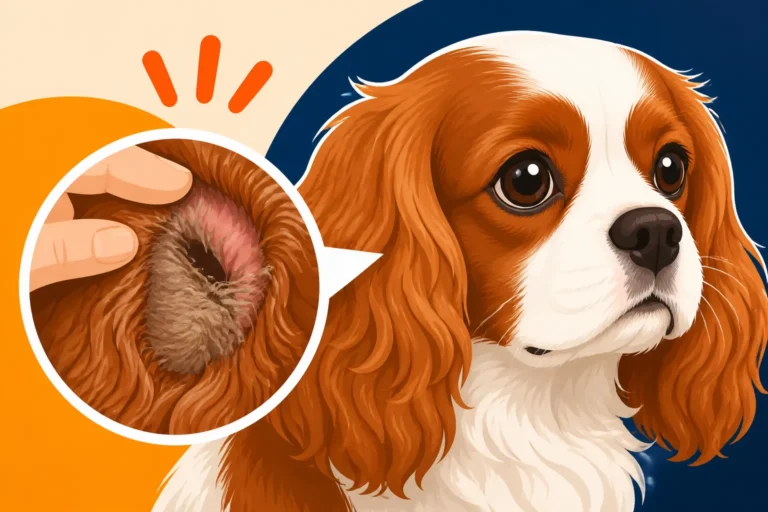
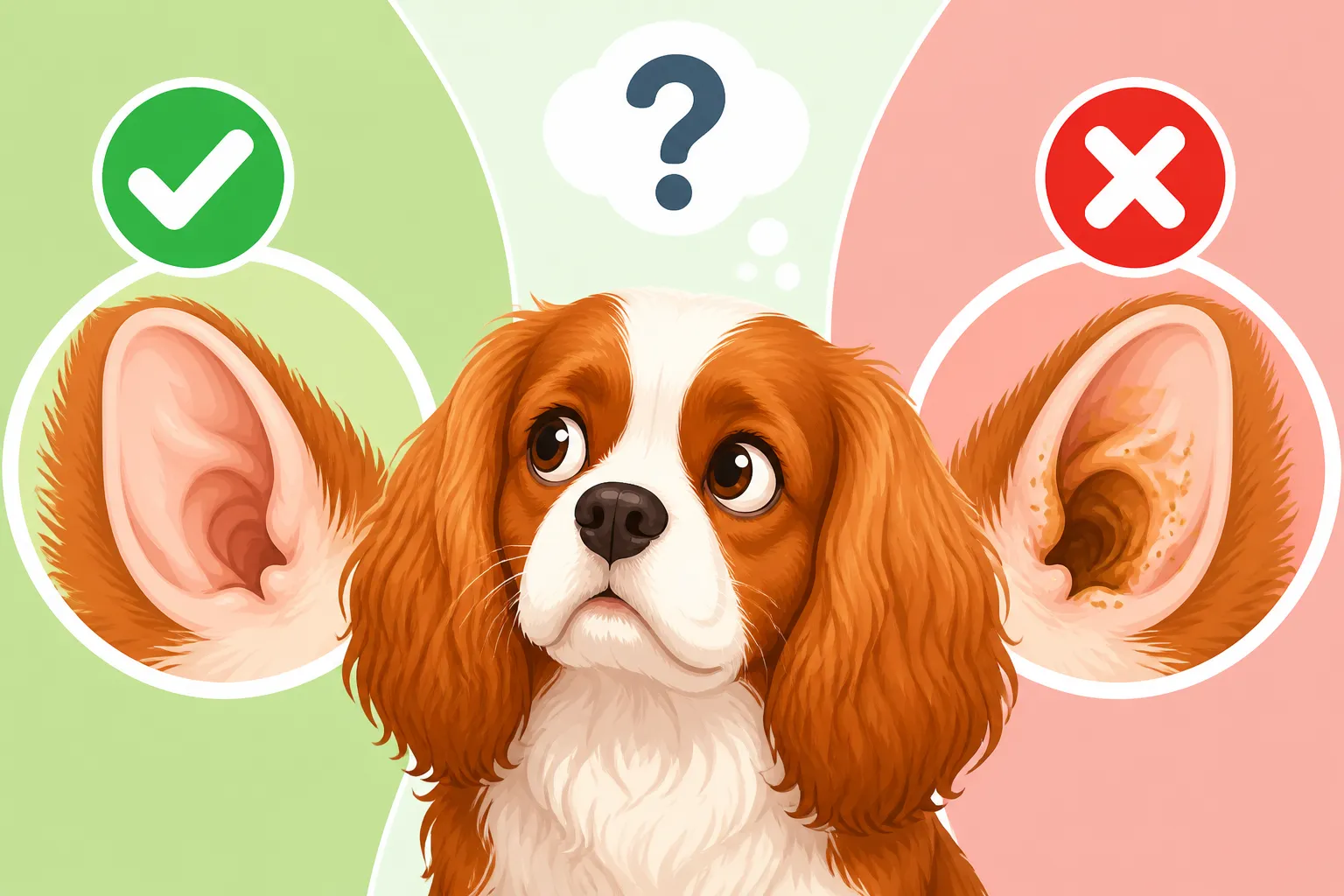
When your Cavalier's ears are in good shape, the ear wax you see should have a few tell-tale characteristics. Typically, healthy ear wax is a pale yellowish, light brown, or sometimes even a reddish-brown color. It should be relatively clear, meaning you shouldn't see any opacity or strong discoloration. The texture will be soft, slightly waxy, and might appear a little greasy or oily. It should also be present in a relatively small amount – just enough to coat the inner folds and the opening of the ear canal. You might notice a very faint, almost imperceptible "doggy" smell, but it certainly shouldn't be strong or unpleasant.
The crucial part about normal ear wax is that it's usually localized to the outer parts of the ear canal that you can easily see. If you gently part the fur around the opening of the ear, you might spot small flecks or a thin film. Critically, a healthy ear with normal wax will not show any signs of inflammation or irritation. The skin inside the ear should be a healthy pale pink, not red or swollen. Your Cavalier won't be scratching at their ears, shaking their head, or showing any signs of discomfort. Regular Daily Ear Checks on a Cavalier can help you get familiar with what your dog's healthy ears look and smell like.
Red Flags: What Abnormal Ear Wax Looks Like
This is where your detective skills come into play. Abnormal ear wax signals that something isn't quite right. The color, texture, amount, and smell can all be indicators. If you see dark brown, black, or reddish-black discharge, often resembling coffee grounds, this is a very common sign of ear mites, especially in younger puppies, though adult dogs can get them too. A thick, dark brown, waxy discharge that is very greasy and has a pungent, often sweet or yeasty smell, almost like stale bread or fermenting fruit, is highly indicative of a yeast infection. You can learn more about this specific issue in Yeast Under a Cavalier's Ear Flap.
On the other hand, if the wax is yellowish-green, grey, or pus-like, and has a strong, foul, or fishy odor, this often points towards a bacterial infection. The consistency might be watery, sticky, or chunky. The amount of wax is also a huge clue. If your Cavalier is producing an excessive amount of wax, constantly filling the ear canal and dripping out, even if the color seems somewhat normal, it's still a sign that something is overstimulating the wax glands or causing irritation. This overproduction itself can then lead to infections, as the accumulated wax traps moisture and creates an even more hospitable environment for pathogens.
Other Symptoms That Point to a Problem
Beyond the appearance of the ear wax itself, your Cavalier will likely give you other clues if their ears are bothering them. These behavioral symptoms are often the first things owners notice. Persistent head shaking is a big one – your dog might shake their head vigorously, as if trying to dislodge something. Excessive ear scratching, often with a back paw, sometimes so intensely that they scratch the skin around the ear raw, is another clear sign of irritation. You might also see your Cavalier rubbing their head or ears along furniture or the carpet.
Other symptoms include tilting their head to one side, especially if they have an infection in only one ear. They might be sensitive to touch around their head or ears, yelping or pulling away if you try to examine them. If the infection is severe, the ear flap itself might become swollen, red, or hot to the touch. In advanced cases, your Cavalier might experience pain when chewing or even seem depressed or lethargic due. Sometimes, chronic ear problems can even lead to hearing loss if left untreated. If you notice any of these signs, alongside abnormal ear wax, it's definitely time for a visit to your veterinarian. The Smell That Means a Cavalier Ear Infection goes into more detail about how important scent is in diagnosing ear issues.
| Characteristic | Normal Ear Wax | Abnormal Ear Wax (Warning Sign) |
|---|---|---|
| Color | Pale yellow, light brown, reddish-brown | Dark brown, black (coffee grounds), yellowish-green, grey, pus-like |
| Texture/Consistency | Soft, slightly waxy, a little greasy/oily | Thick, chunky, very greasy, watery, sticky, gritty |
| Amount | Small amount, thin film, occasional flecks | Excessive, constantly accumulating, oozing from ear canal |
| Smell | Very faint "doggy" smell, nearly odorless | Strong, pungent, yeasty (sweet/stale), foul, fishy-smelling |
| Associated Symptoms | None (no scratching, head shaking, redness) | Head shaking, scratching, rubbing ears, redness, swelling, pain, odor |
Common Causes of Excessive or Abnormal Ear Wax in Cavaliers
Understanding why your Cavalier might be developing abnormal ear wax is crucial for both treatment and prevention. It's rarely just "bad luck"; there's usually an underlying reason, and for Cavaliers, their breed characteristics often play a significant role.
Allergies: A Frequent Culprit
This is perhaps the most common reason for recurrent ear problems in Cavaliers. Just like humans, dogs can suffer from environmental allergies (atopy) to things like pollen, dust mites, or mold, or food allergies to certain proteins or ingredients in their diet. When a Cavalier has an allergic reaction, one of the primary ways it manifests is through inflammation of the skin, including the skin lining the ear canals. This inflammation causes the glands in the ear canal to produce more wax and can also change the composition of the wax, making it a more inviting place for opportunistic yeast and bacteria to flourish. Whether Cavalier Ear Infections Are Allergic highlights just how common this link is.
If your Cavalier is constantly getting ear infections or producing excessive, dark, yeasty-smelling wax, even after treatment, allergies should be high on your list of suspects. Other signs of allergies might include itchy skin elsewhere on their body (especially paws and belly), chronic licking, or gastrointestinal upset. Working with your vet to identify and manage these allergies, whether through dietary changes (some brands like Purina Pro Plan Veterinary Diets or Royal Canin offer specialized diets for allergies, which you can often find on Chewy or Amazon), environmental control, or medication, is key to breaking the cycle of ear infections.
Infections: Bacterial and Yeast Overgrowth
Once the ear environment becomes compromised – perhaps due to excessive wax, moisture, or underlying allergies – it creates the perfect breeding ground for infections. The most common culprits are yeast (usually Malassezia pachydermatis) and bacteria (often Staphylococcus or Pseudomonas species). Yeast infections typically result in that thick, dark brown, waxy discharge with a characteristic sweet or yeasty odor. Bacterial infections, on the other hand, often produce a yellowish-green, pus-like discharge with a foul smell. Sometimes, both types of infections can be present simultaneously.
These infections are incredibly uncomfortable for your Cavalier and require veterinary attention. Attempting to treat them at home with over-the-counter remedies without a proper diagnosis can be ineffective or even harmful, as different types of infections require specific medications. Your vet will take a swab of the ear discharge to examine under a microscope (cytology) to identify the type of organism present and prescribe the appropriate antifungal or antibiotic ear drops. If left untreated, these infections can become chronic, damage the ear canal, and even affect the eardrum. For severe or recurrent cases, your vet might recommend a culture and sensitivity test to determine the exact bacteria and which antibiotics will be most effective. This deeper dive is often necessary when dealing with Recurrent Ear Infections in a Cavalier.
Foreign Bodies and Other Irritants
While less common than allergies or infections, foreign bodies can certainly cause sudden and severe ear irritation, leading to abnormal wax production and often a secondary infection. Grass awns (foxtails), tiny seeds, small insects, or even pieces of cotton swab tips (if used improperly for cleaning) can get lodged in the ear canal. Because of the Cavalier's long, floppy ears that often brush against grass and foliage, they can be more susceptible to things crawling or sneaking into their ears.
When a foreign body is present, you'll often see a sudden onset of symptoms, usually in just one ear, including intense head shaking, pawing at the ear, and pain. The ear might produce an excessive, often bloody, discharge. It's crucial not to try and remove a foreign body yourself, as you risk pushing it further into the ear canal or damaging the eardrum. This is a job for your veterinarian, who can use an otoscope to visualize the foreign body and remove it safely, often with sedation if the ear is very painful. Sometimes, irritation can also be caused by overly aggressive cleaning, using harsh or inappropriate cleaning solutions, or even residual shampoo or water left in the ear after bathing. Always be gentle and use dog-specific products when doing Cleaning a Cavalier's Ear the Right Way.
Underlying Health Conditions
Sometimes, ear problems can be a symptom of a broader health issue. For Cavaliers, while less common than allergies, conditions like hypothyroidism (an underactive thyroid gland) can lead to poor skin and coat health, including chronic ear infections. Certain autoimmune diseases can also affect the ear canals. In very rare cases, polyps or tumors within the ear canal can cause chronic irritation, blockages, and secondary infections, leading to persistent abnormal wax.
It's also worth noting that some Cavaliers can develop a condition called "primary secretory otitis media," often referred to as "glue ear" where thick, sticky mucus builds up behind the eardrum. This can cause significant pain and lead to external ear infections. While not directly about ear wax in the outer canal, the chronic irritation and inflammation it causes can certainly contribute to external ear issues. Your vet will typically perform a thorough physical exam, and possibly blood tests or imaging (like an MRI or CT scan) if they suspect a systemic health issue or structural problem as the root cause of recurrent or intractable ear problems. Glue Ear in a Cavalier and How It Is Found provides detailed information on this challenging condition.
How to Properly Clean Your Cavalier's Ears and Prevent Issues
Once you've determined that your Cavalier's ear wax is indeed normal, or after a vet visit to clear up any infection, maintaining healthy ears through proper cleaning and preventive care is paramount. It’s not just about aesthetics; it's about comfort and preventing those painful, recurring infections that Cavaliers are so prone to.
The Right Tools and Techniques for Ear Cleaning
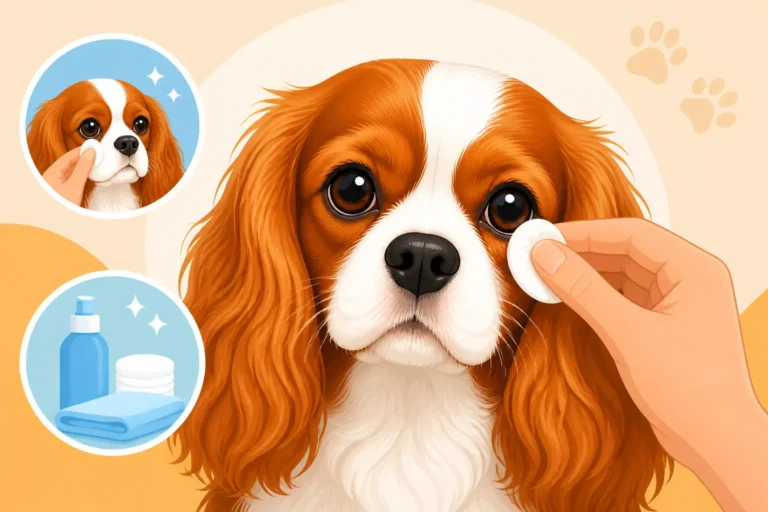
When it comes to cleaning your Cavalier's ears, less is often more, and gentleness is key. Over-cleaning can strip the ear of its natural protective oils and cause irritation, while improper technique can push debris deeper. You'll need a high-quality, vet-approved ear cleaning solution designed for dogs. Avoid harsh antiseptics, alcohol, or hydrogen peroxide, as these can irritate the delicate skin. You can find excellent options from brands like Zymox or Epi-Otic, readily available on Chewy, Amazon, or even from your local vet clinic. You'll also need some soft cotton balls or gauze – absolutely no cotton swabs (Q-tips) beyond the very outermost folds of the ear, as they can damage the eardrum or pack wax further down the canal.
Here’s a simple, effective method:
- Gather Supplies: Have your ear cleaner, cotton balls, and maybe a towel ready. It's often helpful to do this in a bathroom or outdoors, as it can get a little messy.
- Position Your Cavalier: Have your dog comfortably seated or lying down. A second person to gently hold and distract them with treats (Ollie often has high-value options) can be helpful.
- Lift the Ear Flap: Gently lift your Cavalier's long ear flap to expose the opening of the ear canal.
- Fill the Ear Canal: Carefully insert the tip of the ear cleaner bottle into the ear canal opening. Squeeze a generous amount of solution into the ear until the canal is full. You should hear a squishing sound.
- Massage the Base of the Ear: This is the most important step! Gently but firmly massage the base of your Cavalier's ear for 20-30 seconds. You should hear the solution moving around inside. This action helps to break up and loosen any wax and debris clinging to the ear canal walls.
- Allow Head Shaking: Stand back and let your Cavalier shake their head. They will instinctively want to do this, and it helps bring loosened debris and excess solution to the surface.
- Wipe Clean: Use a fresh cotton ball or gauze to gently wipe away any visible wax, debris, and cleaning solution from the outer ear flap and the immediate opening of the ear canal. Do not go deep into the canal with the cotton.
- Repeat if Necessary: If the ear is particularly dirty, you might need to repeat the process. Always use fresh cotton balls.
- Reward: Lavish your Cavalier with praise and treats! Make it a positive experience.
Remember, the goal is to clean out excess wax and debris, not to sterilize the ear. For more specific instructions, check out Getting Drops Into a Cavalier's Ear Canal and Cleaning a Cavalier's Ear the Right Way.
When to Seek Veterinary Advice
Even with the best at-home care, there are times when ear issues warrant a professional eye. If you notice any of the "red flag" symptoms we discussed earlier – persistent head shaking, intense scratching, a strong foul odor, dark or pus-like discharge, redness, swelling, or pain – it's time for a vet visit. Don't delay! Untreated ear infections can become chronic, more difficult to treat, and can even lead to permanent damage to the ear canal or eardrum.
Your vet will be able to properly diagnose the issue through examination and cytology (microscopic analysis of a wax sample). They can prescribe targeted medications, whether they are antibiotics, antifungals, or anti-inflammatory drugs, that are crucial for effective treatment. Sometimes, they might even need to perform a deep ear flush under sedation if there's a significant buildup of debris or a foreign body suspected. Early intervention is always best when it comes to ear health, especially for a breed like the Cavalier that is predisposed to these problems.
Lifestyle Tips for Healthy Cavalier Ears
Prevention is always better than cure, and there are several everyday practices that can help keep your Cavalier's ears happy and healthy.
- Regular Ear Checks: Make it a habit to check your Cavalier's ears a few times a week, or even daily, especially after walks in grassy areas. Just a quick lift of the ear flap to peek inside and sniff can alert you to potential problems early on.
- Keep Ears Dry: After baths or swimming, it's critical to thoroughly dry your Cavalier's ears. The moist, warm environment created by wet drop ears is a breeding ground for yeast and bacteria. You can gently blot the inside of the ear flap with a soft towel or cotton ball. Some owners even use a low, cool setting on a hairdryer, held at a safe distance, but be very careful not to scare your dog or burn their sensitive skin.
- Consider Snoods: Many Cavalier owners use snoods (fabric tubes that cover the ears) during meal times or when their dog is outside eating or sniffing around. This keeps those long ear leathers out of their food bowl, preventing food and moisture from getting on the ears and into the ear canal. There are many stylish and practical snoods available on Amazon or specialty pet stores. Snoods That Keep Cavalier Ears Out of Dinner offers more insight here.
- Manage Allergies: If allergies are a recurring problem for your Cavalier, working with your vet on a comprehensive allergy management plan is essential. This might include special diets, antihistamines, omega-3 fatty acid supplements, or even allergy shots. Addressing the root cause will significantly reduce the likelihood of ear issues.
- Proper Grooming: Keep the hair around the ear canal opening trimmed, but do not pluck hair deep inside the ear unless specifically advised by your vet, as this can cause irritation and inflammation. A professional groomer who understands Cavalier coats can help with this. Cavalier Ear Care Under a Heavy Drop Ear has more grooming advice.
By understanding your Cavalier's unique ear anatomy, knowing what healthy ear wax looks like, and implementing consistent preventive care, you can help ensure your beloved companion enjoys clean, comfortable ears for years to come.
Disclaimer
This article is for general informational purposes only and does not constitute professional advice. Laws, prices and regulations vary by location and change over time. Consult a qualified professional for guidance on your specific situation.