Cutting a Cavalier’s Calories After the Spay
One of the most common, and often frustrating, changes many Cavalier owners notice after their beloved girl is spayed is a sudden tendency to pack on the pounds. It feels like overnight they went from a lean, active little spaniel to a tiny fluffball struggling with her waistline, despite what feels like no change in diet or activity. This guide is here to walk you through exactly why this happens and, more importantly, how you can proactively cut your Cavalier's calories after her spay to keep her healthy, happy, and at her ideal weight.
Why Spaying Changes a Cavalier's Metabolism
It's not just "in your head" – your Cavalier's body truly does undergo significant metabolic shifts after she's spayed. Understanding these changes is the first step to effectively managing her weight. This isn't about blaming the spay; it's about acknowledging the physiological reality and adapting her care accordingly.
Hormonal Shifts and Their Impact
When a female dog is spayed, her ovaries are removed, which means the primary source of estrogen in her body is gone. Estrogen plays a vital role in regulating metabolism and energy expenditure. Without it, a dog's metabolic rate can decrease significantly, sometimes by as much as 20-30%. This means her body simply doesn't burn calories as efficiently as it once did. It's like switching from a high-performance sports car to a fuel-efficient sedan – the engine runs differently, requiring less fuel to go the same distance.
Beyond the reduced calorie burn, these hormonal changes can also influence appetite. Some studies suggest that spayed dogs may experience an increase in hunger, making them feel less satisfied with their previous food intake. You might find your Cavalier acting like she's constantly starving, even after eating her regular meal. This combination of a slower metabolism and a potentially increased appetite creates the perfect storm for weight gain, often without any noticeable change in the amount of food you're offering. It's a silent shift that can catch many owners off guard.
The Double Whammy: Breed Predisposition to Weight Gain
Compounding the post-spay metabolic changes is the fact that Cavaliers, by their very nature, are already predisposed to gaining weight. They are companion dogs, bred for laps and leisure, not for strenuous, all-day activities like some working breeds. Their small size means that even a few extra ounces can make a significant difference to their overall health and mobility. You might have already noticed Why a Cavalier Gains Weight So Easily even before the spay, simply because they love their food and are generally happy with a comfortable stroll rather than a marathon.
Their sweet, expressive faces and perpetually hopeful eyes often trick us into giving them "just one more" treat, which, for a dog weighing sometimes as little as thirteen pounds, adds up quickly. After the spay, this predisposition becomes even more pronounced. What was once a minor indulgence now becomes a significant caloric overload for a body that's burning energy at a slower rate. It's crucial to acknowledge this breed-specific trait, as it means you need to be extra vigilant and consistent with calorie management compared to owners of other breeds.
Recognizing Weight Gain in Your Spayed Cavalier
Before you can tackle calorie cutting, you need to know if your Cavalier is actually gaining weight and what a healthy weight looks like for her. It's easy to dismiss a little extra fluff, especially on a heavily feathered breed like the Cavalier, but even a small amount of excess weight can impact their quality of life and exacerbate existing health issues common to the breed.
More Than Just a Little "Chub"
A subtle thickening around the middle, a slightly less defined waist, or even just a heavier feel when you pick her up can all be early signs of weight gain. With Cavaliers, their luxurious feathering can often hide these changes, making it harder to spot until the weight gain is more significant. You might notice her becoming a little less enthusiastic on walks, panting more easily, or struggling a bit to jump onto the sofa, but these behavioral cues often appear later in the weight gain process.
The danger of ignoring even a little "chub" is particularly relevant for Cavaliers, who are prone to conditions like Mitral Valve Disease. Excess weight puts additional strain on the heart, potentially accelerating the progression of heart disease or making it harder to manage. It can also worsen joint issues, which are not uncommon in the breed, leading to increased pain and reduced mobility. Your goal isn't just aesthetics; it's about safeguarding her long-term health.
The Rib Check and Body Condition Score
The most reliable way to assess your Cavalier's weight is not by the number on the scale alone, but by her body condition. This involves a hands-on approach and comparing her physique to a standard body condition scoring (BCS) chart.
First, try the "rib check." Gently run your hands along her sides, applying light pressure. You should be able to easily feel her ribs, much like feeling the back of your hand. If you have to press hard to feel them, or if you can't feel them at all, she's likely carrying too much weight. Conversely, if her ribs are visibly prominent without touching her, she might be underweight. You should also be able to visually see Finding a Cavalier's Waist Under the Feathering when looking down at her from above – her waist should tuck in slightly after her rib cage.
Here’s a simplified body condition score chart to help you evaluate your Cavalier:
| Score | Description | Cavalier Appearance/Feel | Action Needed |
|---|---|---|---|
| 1-2 | Underweight / Emaciated | Ribs, spine, pelvic bones easily visible; no fat felt. | Consult vet immediately. |
| 3-4 | Ideal Weight | Ribs easily palpable; waist visible; abdominal tuck. | Maintain current diet and exercise. |
| 5-6 | Overweight | Ribs difficult to feel; waist less apparent; slight fat. | Gradual calorie reduction, increased activity. |
| 7-9 | Obese | Ribs very difficult/impossible to feel; no waist/tuck. | Significant calorie reduction, vet consultation. |
Regularly performing this rib check and visual assessment will become your best tools for monitoring her weight and catching any changes early. Remember, even a small change on a small dog is a big deal.
Practical Strategies for Calorie Reduction
Once you've identified that your spayed Cavalier needs to shed a few pounds or prevent future gain, it's time to implement a strategic calorie reduction plan. This isn't about starvation; it's about smart adjustments that still provide her with all the necessary nutrients while reducing overall energy intake.
Adjusting Their Daily Food Intake
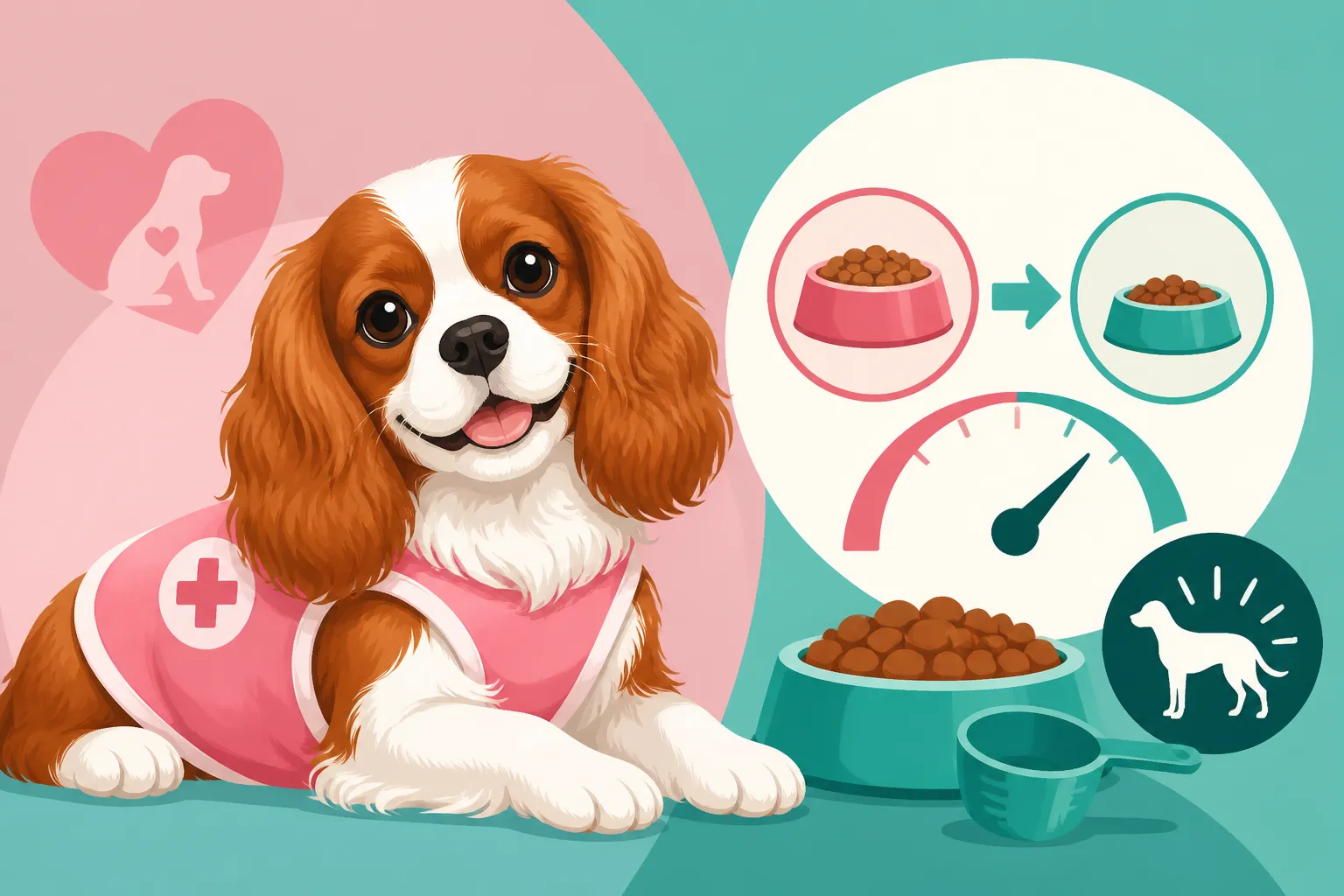
The most straightforward way to cut calories is to reduce the amount of food you're offering. However, it's crucial to do this gradually to avoid upsetting her digestive system or leaving her feeling perpetually hungry. Start by reducing her current daily portion by about 10-15%. For a Cavalier who typically eats a small amount to begin with, this might seem like a tiny reduction, but it makes a difference. If she's eating half a cup a day, that's only a tablespoon or two, but it's meaningful.
Always measure her food precisely using a kitchen scale for accuracy, especially for small breeds where a few extra kibbles can tip the balance. Eyeballing it often leads to overfeeding. Divide her daily allowance into two smaller meals to help manage her hunger throughout the day. Monitor her weight weekly using the rib check and scale if you have one. If after a few weeks you don't see any positive changes, you can slightly reduce the portion further, but never go below the recommended feeding guidelines on your dog food bag without consulting your vet. For safe and sustainable weight loss, remember The Safe Rate for a Cavalier to Lose Weight is usually gradual.
Smart Snacking and Treat Alternatives
This is often where the biggest hidden calories creep in. Those small, seemingly innocent treats can quickly add up, especially if your Cavalier is a master of the "puppy dog eyes" plea. Instead of high-calorie biscuits, switch to low-calorie, healthy alternatives. Consider things like small pieces of plain cooked chicken breast (no skin or bones), green beans, baby carrots, or apple slices (without seeds). These offer volume and crunch without a massive caloric punch. You can even chop them up really small to make them last longer and seem like more.
Many brands offer specific low-calorie training treats. Look for options with fewer than 3-5 calories per treat. Brands available on Chewy or Amazon often list calorie counts, which is incredibly helpful for managing intake. If you use a puzzle toy or a KONG, stuff it with a portion of her meal kibble rather than adding extra treats. For Cavaliers, who are often very food-motivated, this still provides mental stimulation and a reward without adding unnecessary calories. For more ideas, check out Treats That Fit a Cavalier's Small Ration.
Rethinking Their Diet: Exploring Different Food Types
Sometimes, it's not just the quantity but the quality and type of food that needs adjusting. If your Cavalier is particularly prone to weight gain, switching to a "weight management" or "light" formula dog food might be beneficial. These foods are specifically designed to be lower in calories and fat, often with increased fiber to help your dog feel fuller. Discuss this option with your veterinarian, as they can recommend a formula that meets her nutritional needs while supporting weight loss.
Another option to consider is fresh-delivered meal services, like Ollie, which can offer pre-portioned, human-grade food. This can be great for calorie control because the portions are precisely calculated based on your dog's ideal weight and activity level. If you're interested in exploring different kibble options, ensure you're still looking for Small Breed Kibble Sizes for a Cavalier to suit their mouth size. Remember, any major dietary change should be introduced gradually over about The Ten Days It Takes to Change Cavalier Food to avoid digestive upset.
Incorporating Activity Without Overdoing It
While diet is paramount for calorie reduction, exercise plays a crucial supporting role. It helps burn calories, build muscle, and keeps your Cavalier mentally stimulated. However, it's important to approach exercise thoughtfully, especially for Cavaliers who might have underlying health concerns.
Gentle Exercise for a Changing Body
For a Cavalier who has gained weight, high-impact or overly strenuous exercise isn't the answer. The goal is consistent, gentle activity. Regular, moderate walks are ideal. Aim for two to three walks a day, lasting 15-30 minutes each, depending on her fitness level. The key is consistency. A leisurely stroll around the block or a romp in a secure, flat yard can do wonders. Don't push her to exhaustion, especially if she's carrying extra weight, as this puts undue stress on her joints and heart.
If your Cavalier has been diagnosed with a heart murmur, you'll need to be extra cautious. Always consult your vet about appropriate exercise levels. For general guidance, you can refer to resources like Walk Length for a Cavalier With a Murmur and Whether Exercise Is Safe for a Cavalier With MVD. The idea is to get her moving in a way that is safe and enjoyable, promoting calorie burn and muscle tone without risking injury or exacerbating health issues. Even just exploring the backyard can be enough activity if she's not used to much movement.
Mental Stimulation to Burn Calories and Boredom
Physical exercise isn't the only way to burn calories. Mental stimulation can also be surprisingly effective. When dogs are bored, they often seek comfort in food or destructive behaviors. Engaging her mind can reduce boredom-related eating and keep her more active throughout the day.
Interactive puzzle toys, sniff mats, or even short training sessions can provide excellent mental enrichment. Hide and seek with her favorite toy or a few low-calorie treats can turn mealtime into a game. Teaching her new tricks, even simple ones, uses brainpower and can be a fun way to bond. Consider scattering her kibble around the room instead of putting it in a bowl; this "foraging" encourages movement and mental engagement. This kind of activity can be particularly useful for Cavaliers who might not be able to tolerate long walks, perhaps because of Whether a Cavalier Copes on Two Short Walks. Keeping her mind active is just as important as keeping her body moving.
Disclaimer
This article is for general informational purposes only and does not constitute professional advice. Laws, prices and regulations vary by location and change over time. Consult a qualified professional for guidance on your specific situation.