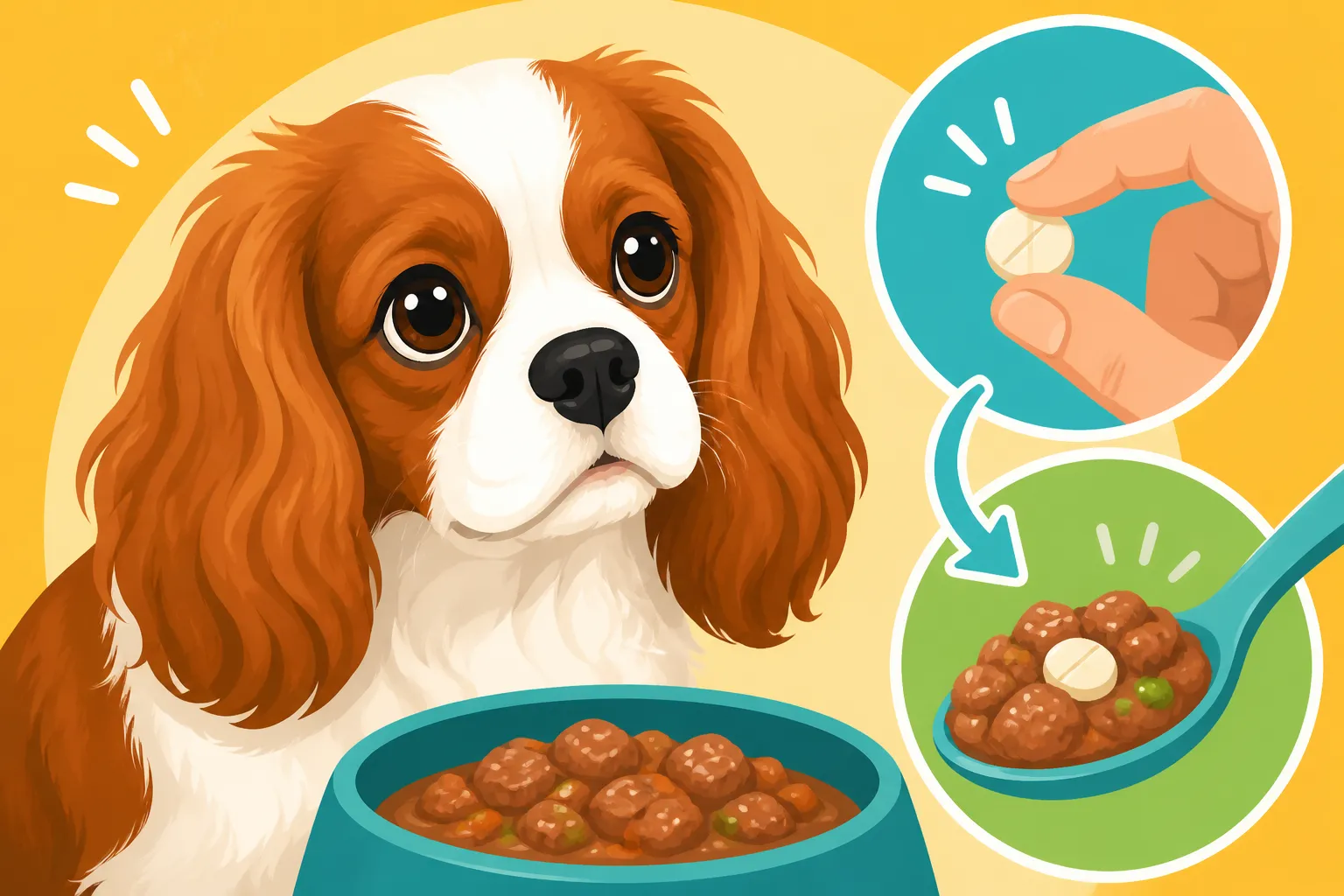
Getting Pills Into a Cavalier at Mealtime
Giving your Cavalier King Charles Spaniel medication can sometimes feel like a daily battle, especially if they’re particularly clever at sniffing out a hidden pill or have simply decided they’re not in the mood. It’s a common frustration for many Cavalier owners, but thankfully, there are plenty of strategies you can employ to make pill-giving at mealtime a much smoother, less stressful experience for both of you.
Understanding Why Your Cavalier Might Resist Pills
It’s easy to get frustrated when your sweet Cavalier suddenly turns into a canine Houdini the moment a pill is involved. But understanding why they might be resistant can help you approach the situation with more empathy and find a more effective solution. It's not usually about being stubborn; it's often about their highly attuned senses and their past experiences.
The Cavalier's Sensitive Nature
Cavaliers are renowned for their gentle, affectionate, and intelligent nature. This sensitivity, while making them wonderful companions, also means they are incredibly perceptive. They pick up on subtle cues from their environment and from you. If you approach them with trepidation, a forced smile, or even a hint of stress in your body language because you anticipate a struggle, your Cavalier will notice. They might then associate that negative energy with the pill itself, creating a cycle of suspicion. Their clever brains are also adept at learning routines, so if a pill-giving attempt has gone badly in the past, they’ll remember it and be warier next time. This sensitivity is part of their charm, but it requires a thoughtful approach to training and care. Cavalier Temperament and the Sporting Spaniel Beneath It is a great resource if you want to understand more about their general disposition.
A Highly Developed Sense of Smell
Your Cavalier's nose is thousands of times more powerful than yours, and this is often the biggest hurdle in successful pill administration. Even the tiniest fragment of a bitter-tasting pill, or the subtle medicinal scent that clings to a commercial pill pocket, can be a dead giveaway. Most pills, when crushed or even just wet, can release a strong, unpleasant flavor that our dogs find instantly off-putting. Imagine trying to swallow something that tastes faintly of old chemicals – you'd probably try to spit it out too! Many people assume that if a pill is hidden in food, the taste of the food will mask it. While food can help, a Cavalier's keen sense of smell often alerts them before they even get to the taste, leading to them carefully eating around the offending item or spitting out the pill discreetly.
Past Negative Experiences
Just like humans, dogs remember unpleasant experiences. If your Cavalier has been force-pilled in the past, had a pill dissolve in their mouth, or simply had a difficult time with medication, they will develop an aversion. This isn't just about the taste; it's about the entire ritual. They might shy away from your hand, refuse certain treats they previously loved, or even become reluctant to eat their meals if they suspect a pill is lurking. This is especially true for older Cavaliers who might be on multiple medications for conditions like heart disease or arthritis. Caring for a Cavalier Past Nine is a common scenario where pill-giving can become a regular challenge. Building trust back up after a negative experience takes patience and consistency, so it's always best to try and avoid these situations in the first place if you can.
Tried-and-True Methods for Pill Delivery at Mealtime
When it comes to giving pills, the goal is to make it as quick, easy, and stress-free as possible. Mealtime offers a fantastic opportunity because your Cavalier is already focused on food and generally more eager to eat what’s offered. Here are some methods that often work wonders.
The "Pill Pocket" Approach (and how to make it better)
Commercial pill pockets are a popular solution, and for good reason. They're designed to be moldable and palatable, making it easy to encase a pill. Brands like Greenies or even house brands found on Chewy and Amazon offer various flavors. However, simply popping the pill into one pocket and offering it might not always work for a discerning Cavalier. Their keen nose can still detect the foreign object.
To enhance this method, consider the "three-treat rule." First, offer a plain, delicious treat, like a small piece of cooked chicken or a bit of their favorite kibble. This gets them excited and ready for more. Second, immediately offer the pill pocket with the pill securely hidden inside. Make sure the pill is completely enclosed and that you've handled the outside of the pocket with clean hands to avoid transferring any pill scent. Third, immediately follow with another plain treat. This rapid succession often means they gulp down the pill pocket without much thought, eager for the next tasty morsel. It's a sleight of hand that works well for many.
If your Cavalier is still suspicious or if you prefer a more natural approach, you can make your own pill pockets. Cream cheese, peanut butter (xylitol-free!), a small piece of hot dog, or even a tiny portion of deli meat can work beautifully. Just take a small amount, wrap it tightly around the pill, and make sure it's fully covered. Again, the three-treat rule can be applied here. Remember to consider your Cavalier's overall diet and calorie intake, especially if they are prone to gaining weight. Whether Pill Pockets Suit a Cavalier's Calories is a good article to review regarding this.
The "Food Mash-Up" Technique
This method is fantastic for pills that can be safely crushed or opened (always, always confirm with your veterinarian before crushing or altering any medication!). Once you have the green light, you can turn the pill into a powder or mix the contents of a capsule directly into a highly palatable food.
The key here is using a small amount of something truly irresistible. This isn't about mixing it into their entire bowl of kibble, where they can easily eat around the medicated bits. Instead, use a dollop of wet food, canned pumpkin (plain, not pie filling!), pureed meat baby food, or a small portion of a fresh-food option like Ollie. Mix the crushed pill thoroughly into this small portion. Stir it until you're confident the medication is evenly distributed and the smell is masked.
Offer this medicated portion first, allowing your Cavalier to eagerly gobble it down. Once they’ve finished it, you can then present the rest of their meal. This ensures they consume the medication before they fill up on un-medicated food, and it makes the experience positive because they associate the pill-laden treat with the larger, delicious meal to come. This can be particularly useful if your Cavalier is on a Prescription Cardiac Diets for a Cavalier where you need to be careful about extra treats.
The "Cheese Whiz/Cream Cheese" Method
For those Cavaliers who are master pill detectors, a sticky, highly aromatic treat can sometimes be your secret weapon. Think of things like spray cheese (Cheese Whiz), cream cheese, or even a thick paté. The texture of these items is often so appealing and sticky that dogs tend to swallow them quickly, often without chewing, which means the pill passes straight down before they can really taste it.
To use this method, you can either push the pill deep into a generous blob of the sticky treat, ensuring it's completely submerged, or even coat the pill entirely in it. The strong scent and creamy texture work to mask any medicinal odor or taste. Again, offer this quickly, perhaps as a "first bite" of their meal or as a special treat right before their bowl is presented.
The caution here, of course, is moderation. These items are often high in calories and fat, which isn't ideal for daily consumption, especially for a breed prone to weight gain. Why a Cavalier Gains Weight So Easily and Feeling a Cavalier's Ribs Under Feathering are important considerations. Discuss with your vet if this is a sustainable daily method for your dog, or if it should be reserved for those particularly difficult medications.
Advanced Tactics for the Savvy Cavalier (and What to Avoid)
Sometimes, even the best "hide-the-pill" tricks don't work on a truly sophisticated Cavalier. For these clever pups, you might need to pull out a few more stops, or re-evaluate your strategy entirely.
The "Hide in Plain Sight" Diversion
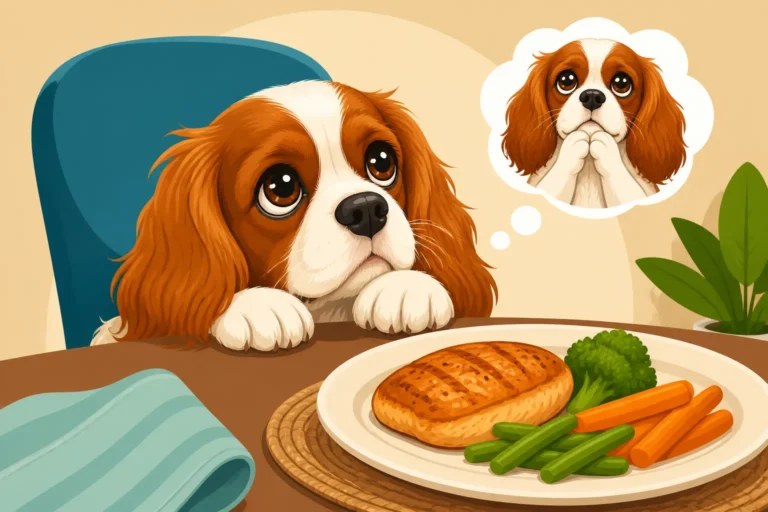
This method works on speed and distraction. You'll need several small, highly appealing pieces of food – think tiny bits of cooked chicken, cheese, or hot dog. Rapidly offer your Cavalier one plain piece, then the piece with the pill hidden inside (ensuring it's fully enclosed and scent-free), and then immediately follow with another plain piece, and perhaps a fourth. The idea is that they are so focused on gobbling down the stream of delicious treats that they swallow the pill-laden one without noticing.
This tactic requires good timing and a Cavalier who is genuinely enthusiastic about treats and tends to gulp them rather than chew thoroughly. It's a quickfire approach that capitalizes on their eagerness. You're basically creating a mini treat-training session where the pill is just one of many rewards. Make sure the pieces are small enough that your Cavalier doesn't need to chew excessively, giving them less chance to detect the pill.
Compounding Pharmacies and Flavoring
When you've tried everything else and your Cavalier is still spitting out pills or refusing to eat, a compounding pharmacy can be an absolute game-changer. These specialized pharmacies can often reformulate medications into different forms and flavors, making them far more palatable.
Imagine a pill that tastes like chicken, beef, or even liver! Compounding pharmacies can often create flavored chewable treats, liquids, or even transdermal creams for certain medications. While this option usually comes with a higher cost than standard prescriptions, the reduction in stress for both you and your Cavalier can be priceless. It's especially worth considering for long-term medications, such as those for Medication for a Cavalier With Heart Disease or Pain Relief for a Cavalier With Syringomyelia. Always discuss this possibility with your veterinarian, as not all medications can be compounded, and the dosage might need to be adjusted with different formulations.
Why Force-Pilling Should Be a Last Resort
I know sometimes it feels like the only option, but force-pilling – physically opening your dog’s mouth and placing the pill at the back of their tongue – should truly be reserved as a last resort, and ideally only under the direct guidance of your vet. While it can be necessary in emergencies or when all other methods fail, it carries significant drawbacks.
Firstly, it's highly stressful for your Cavalier. It can cause fear, anxiety, and a breakdown of trust between you. They may become hand-shy, reluctant to let you touch their face, or even develop an aversion to their food bowl if they associate it with the unpleasant experience. This fear can make future medication attempts, or even routine veterinary visits, much more difficult.
Secondly, there’s a risk of injury. A struggling dog can bite, or you could inadvertently hurt their mouth or throat. There’s also the possibility of aspiration if the pill goes down the wrong way.
If you absolutely must force-pill, make sure you know the correct technique. Your vet can demonstrate how to gently open their mouth, place the pill over the tongue towards the back of the throat, close their mouth, and gently stroke their throat to encourage swallowing. Follow up immediately with praise and a very high-value, un-medicated treat to try and salvage some positivity. But please, explore all other options thoroughly before resorting to this method.
Tips for Success and Maintaining Trust
Successful pill-giving isn't just about the trick; it's about the entire experience. By setting a positive tone and being consistent, you can make this necessary task much easier for your Cavalier.
Consistency and Routine
Dogs thrive on routine. When something is predictable, it becomes less stressful. Try to give your Cavalier their medication at the same time each day, as part of a consistent routine. For example, always give the pill-laden treat right before their breakfast, or immediately after their evening walk. This predictability helps your Cavalier anticipate what's coming, rather than being surprised or feeling ambushed. A consistent approach reduces anxiety for both of you. If you're giving a specific medication like Pimobendan for a Cavalier With an Enlarged Heart, consistency is often crucial for its efficacy as well.
Stay Calm and Positive
Your Cavalier is a master at reading your emotions. If you're tense, anxious, or frustrated when it's pill time, they will pick up on that energy and become wary themselves. Approach the task with a calm, confident, and cheerful demeanor. Use a happy, upbeat tone of voice. Offer plenty of praise and positive reinforcement immediately after they've successfully taken their medication, even if it's just a simple "Good job!" and a gentle pat. Make it a positive interaction, not a dreaded chore. This aligns perfectly with the principles of Training a Cavalier With Praise Rather Than Pressure, which applies to all aspects of their care.
Check With Your Vet
This is perhaps the most important tip of all. Never assume a medication can be crushed, cut, or given with food. Some pills are extended-release and must be given whole. Others need to be absorbed on an empty stomach for maximum effectiveness. Some medications can interact negatively with certain foods or other supplements.
Before trying any of these methods, have a frank conversation with your veterinarian. They can advise you on:
- Whether the specific medication can be modified (crushed, opened, dissolved).
- If there are any food restrictions.
- Alternative formulations like liquids or chewables that might be available directly from their office or a compounding pharmacy.
- Guidance on appropriate treats to use, especially if your Cavalier has dietary sensitivities or medical conditions. For instance, if your dog is on Diuretics for a Cavalier in Heart Failure, certain salty treats might be contraindicated.
Your vet is your best partner in ensuring your Cavalier receives their medication safely and effectively.
The Importance of a Low-Stress Environment
Choose a quiet, familiar spot in your home for pill-giving. Avoid noisy or chaotic environments where your Cavalier might be distracted or feel overwhelmed. A calm kitchen corner, their favorite bed, or a quiet living room spot can work well. Try to eliminate other distractions, like other pets vying for attention or loud television. You want your Cavalier's full focus on the tasty treat you're offering, not on potential threats or interruptions. A calm environment reinforces the idea that this is just a normal, pleasant part of their day, helping to build positive associations.
Ultimately, finding the right method for your Cavalier might involve a bit of trial and error. What works one week might need adjusting the next. But by being patient, consistent, and understanding your Cavalier's unique personality, you can turn pill time from a struggle into a smooth, even enjoyable, part of your daily routine.
| Method | Pros | Cons | Best For |
|---|---|---|---|
| Commercial Pill Pockets | Easy to use, pre-made, palatable flavors. | Can be expensive, some dogs detect the pill, added calories/ingredients. | Convenient for single pills, moderately suspicious dogs. |
| Homemade Pill Pockets | Customizable, uses familiar/loved foods, cheaper. | Requires effort, may add unwanted calories/fat, difficult for very bitter pills. | Picky eaters, owners who prefer natural ingredients, specific dietary needs. |
| Food Mash-Up | Pill taste/smell heavily masked, distributed in small, irresistible portion. | Only for crushable/openable pills, requires vet approval, can be messy. | Dogs who refuse treats, those on soft diets, multiple pills. |
| Sticky Treat Method | Quick, often swallowed without chewing, strong masking scent. | High in calories/fat, not suitable for daily use for all dogs, can be messy. | Highly suspicious dogs, quick administration, occasional difficult pills. |
| Diversion/Multiple Treats | Leverages natural gulping instinct, positive association. | Requires speed and timing, may not work for slow eaters, only for smaller pills. | Eager, food-motivated dogs, quick gulpers. |
| Compounding Pharmacy | Customized flavor/form, highly effective for difficult dogs. | More expensive, requires vet prescription, not all medications can be compounded. | Long-term medication, extremely difficult dogs, unique needs. |
| Force-Pilling | Guaranteed administration (if successful), no food needed. | Highly stressful, risk of injury/aspiration, damages trust, should be last resort. | Emergency situations, vet-supervised, when all else fails. |
Disclaimer
This article is for general informational purposes only and does not constitute professional advice. Laws, prices and regulations vary by location and change over time. Consult a qualified professional for guidance on your specific situation.