Cooking for a Cavalier on a Cardiac Diet
When your sweet Cavalier King Charles Spaniel receives a diagnosis of heart disease, specifically Mitral Valve Disease (MVD), it feels like your world stops. Beyond the emotional blow, suddenly you're faced with a whirlwind of medical information, potential medications, and perhaps the daunting question of diet. Many of us naturally wonder if we can provide a more tailored, wholesome diet at home, especially when trying to manage a condition as serious as cardiac disease. This guide is here to walk you through the realities, complexities, and practical steps involved in cooking for a Cavalier on a cardiac diet, offering clarity on whether this path is truly right for you and your beloved companion.
The Challenges of Home-Cooking for a Cardiac Cavalier
It's completely natural to want to take control and provide the absolute best for your Cavalier when they're facing a health challenge like heart disease. The idea of preparing fresh, homemade meals can feel incredibly comforting, like you're doing everything in your power to help them. However, home-cooking for a dog with a specific medical condition, particularly a delicate one like cardiac disease, is far more complex than just simmering some chicken and rice. It requires a precise understanding of nutritional science that most of us, myself included, simply don't have.
Understanding Sodium Restriction
The biggest hurdle in a cardiac diet is sodium restriction, and it’s where many well-intentioned home cooks fall short. For a Cavalier with MVD, excess sodium can lead to fluid retention, putting even more strain on an already struggling heart. Think of it like this: if your dog's heart is a tired pump, extra fluid means it has to work much, much harder, potentially exacerbating symptoms like coughing or shortness of breath. Doctors often prescribe diuretics to help manage this fluid, but diet is a fundamental tool in the overall strategy. Diuretics for a Cavalier in Heart Failure
The problem? Sodium is everywhere in human food, often in surprising amounts. That seemingly bland chicken breast might contain added sodium, as can many vegetables, broths, and even some treats. Simply avoiding table salt isn't enough. Processed foods, cheeses, deli meats, and even many types of bread are loaded with it. Cooking from scratch for yourself allows for ingredient control, but knowing the precise sodium content of every component for a dog's specific needs is a scientific endeavor. A small amount of sodium for a human can be a significant, even dangerous, amount for a tiny Cavalier.
Balancing Nutrients for Heart Health
Beyond sodium, a cardiac diet isn't just about what not to include; it's crucially about what to include and in what precise ratios. A dog's nutritional needs are vastly different from a human's, and these needs change further when they have a chronic illness. For a Cavalier with heart disease, maintaining proper levels of protein, fats, carbohydrates, and a host of vitamins and minerals is vital. For example, some cardiac diets may adjust protein levels or types to support muscle mass without overworking the kidneys, which can sometimes be affected by heart medication or the disease itself.
If a homemade diet isn't perfectly balanced, you risk creating nutrient deficiencies or excesses that could actually harm your Cavalier's health in the long run. For instance, too little potassium can be dangerous, especially if your dog is on certain medications. Too much of certain vitamins can be toxic, while too little can impair essential bodily functions. It's a delicate dance of macro and micronutrients, all carefully calibrated to support the heart, maintain energy levels, and preserve overall health. This isn't just about "healthy food"; it's about therapeutic nutrition.
The Importance of a Veterinary Nutritionist
Given these complexities, it's virtually impossible for the average pet parent to formulate a truly balanced and therapeutically appropriate homemade cardiac diet without expert guidance. This isn't a knock on your cooking skills; it's a testament to the specialized knowledge required. A board-certified veterinary nutritionist has undergone extensive training specifically in animal nutrition and understands how various diseases impact dietary needs.
They can calculate the precise caloric intake, nutrient ratios, and ingredient amounts your individual Cavalier requires, taking into account their age, weight, activity level, and the specific stage of their heart disease. They have access to databases of ingredient analysis that allow them to create recipes with known nutritional values, including sodium content. Without this level of expertise, you're essentially flying blind, and while your intentions are pure, the consequences of an unbalanced diet can be severe for a Cavalier battling MVD. Whether Diet Slows a Cavalier's Heart Disease
Essential Considerations for a Home-Cooked Cardiac Diet
If you're still determined to pursue home-cooking, understanding the core principles and common pitfalls is your next step. This journey requires commitment, education, and above all, professional partnership with your veterinary team.
Key Nutrients for Heart Support
When we talk about supporting heart health through diet, several key nutrients often come up in discussion. These are not magic bullets, but rather components that, when appropriately balanced, contribute to the overall health of the cardiovascular system.
- Taurine and L-Carnitine: These amino acids are sometimes highlighted for their role in heart muscle function. While a deficiency can lead to certain types of heart disease in some breeds, their therapeutic role in MVD in Cavaliers isn't always about deficiency correction. However, ensuring adequate levels is part of a complete nutritional profile. Many high-quality protein sources naturally contain these.
- Omega-3 Fatty Acids: Often found in fish oil, these healthy fats are celebrated for their anti-inflammatory properties. Inflammation can play a role in various disease processes, and for a dog with heart disease, reducing systemic inflammation can be beneficial. They can also support coat health and cognitive function, which are added bonuses. Many veterinarians will recommend a fish oil supplement as part of a cardiac regimen. You can find reputable brands of fish oil supplements on platforms like Amazon or Chewy.
- Antioxidants: Vitamins E and C, along with other antioxidants, help combat oxidative stress in the body. The heart, like other organs, can benefit from protection against free radical damage. Fresh, whole foods tend to be rich in natural antioxidants.
- Potassium, Magnesium, and B Vitamins: These minerals and vitamins play critical roles in nerve and muscle function, including the heart muscle, and electrolyte balance. Maintaining their correct balance is especially important for dogs on diuretics, as some medications can deplete certain electrolytes.
It's important to stress that simply adding these in supplement form to an otherwise unbalanced diet is not the answer. Their efficacy lies in their integration within a complete and balanced nutritional profile, ideally formulated by a veterinary nutritionist. Whether Heart Supplements Help a Cavalier
Avoiding Problematic Ingredients
This is where sodium often takes center stage. Here's a quick rundown of ingredients to be extremely cautious with or avoid entirely:
- High-Sodium Foods: This includes most human processed foods: deli meats, cheese, canned soups, many crackers, breads, and even some commercial pet treats. Broths, even low-sodium human broths, can still contain too much sodium for a small dog with heart disease.
- Excessive Fats: While healthy fats like Omega-3s are good, excessive amounts of saturated or unhealthy fats can contribute to other health issues like pancreatitis, which you absolutely want to avoid in a dog with a compromised heart.
- Certain Organ Meats: While nutrient-dense, some organ meats can be very rich and, depending on the source, may not be ideal in large quantities without careful balancing.
- Toxic Foods: This should go without saying, but always remember common dog toxins like onions, garlic, chocolate, grapes, raisins, xylitol, and macadamia nuts. These are dangerous for any dog, but especially one already medically fragile.
The challenge is often in identifying hidden sodium. Reading labels on every single ingredient, from chicken stock to canned vegetables, becomes crucial. Even seemingly innocent ingredients can harbor hidden salts.
Sourcing Quality Ingredients
If you're going to cook for your Cavalier, the quality of your ingredients matters immensely. Just as you'd choose good quality food for yourself, the same applies here, perhaps even more so because of your dog's specific health needs.
- Fresh, Lean Proteins: Opt for lean cuts of meat like skinless chicken breast, lean ground turkey, or specific fish. Ensure they are plain and unseasoned.
- Vegetables and Fruits: Focus on low-sodium, dog-safe options like green beans, carrots, sweet potatoes, broccoli (in moderation), and apples (without seeds). Many of these can be found fresh at your local grocery store or ordered through services that deliver fresh produce.
- Whole Grains: Brown rice or oats can be good carbohydrate sources, again prepared plainly.
- Supplements: If advised by your vet or a nutritionist, purchase high-quality, reputable supplements. Don't just grab the cheapest option; quality and purity are paramount for a medically fragile dog. For example, fish oil quality can vary greatly.
The goal is always to use the freshest, least processed ingredients possible to control exactly what goes into your Cavalier's bowl. This attention to detail is part of the dedication home-cooking requires.
Practical Steps to Cooking for Your Cavalier's Heart
Embarking on a home-cooked diet for a Cavalier with heart disease is a significant undertaking. It's not a decision to be made lightly or implemented without rigorous professional oversight. Here's how to approach it realistically.
Consulting with Your Vet First
This is the non-negotiable first step. Before you even think about buying a new ingredient, have an in-depth conversation with your primary veterinarian. They know your Cavalier's specific medical history, the current stage of their MVD, and any other co-existing conditions that might influence dietary choices, such as kidney issues or pancreatitis. How Cavalier Heart Disease Progresses Stage by Stage
Your vet can provide initial guidance, discuss the pros and cons, and most importantly, refer you to a board-certified veterinary nutritionist. They might also advise against home-cooking if they feel your Cavalier's condition is too complex for anything other than a commercially formulated prescription diet. Trust their professional judgment; their priority is your dog's health and well-being.
Working with a Board-Certified Veterinary Nutritionist
As mentioned, this is the gold standard for home-cooking a therapeutic diet. A veterinary nutritionist will:
- Perform a comprehensive assessment: They'll review your Cavalier's complete medical history, current medications Medication for a Cavalier With Heart Disease, lab results, and any diagnostic imaging. They'll also consider your dog's current weight Cavalier Weight Gain and What It Costs the Heart and body condition Feeling a Cavalier's Ribs Under Feathering.
- Formulate a custom recipe: Based on their assessment, they will create a specific, detailed recipe tailored precisely to your Cavalier's individual needs. This recipe will specify exact ingredients, precise weights or measurements, cooking methods, and any necessary supplements. It's often formulated to be palatable and nutritionally complete for their specific heart condition.
- Provide ongoing support: They will typically follow up to ensure the diet is working, making adjustments as needed based on your Cavalier's response, weight changes, or progression of the disease. This isn't a one-and-done consultation; it's an ongoing partnership.
Expect to pay for this specialized service, but consider it an investment in your Cavalier's health and potentially extending their quality of life. This expertise is crucial for getting the diet right.
Example Components of a Cardiac-Friendly Meal (Hypothetical, for illustration only)
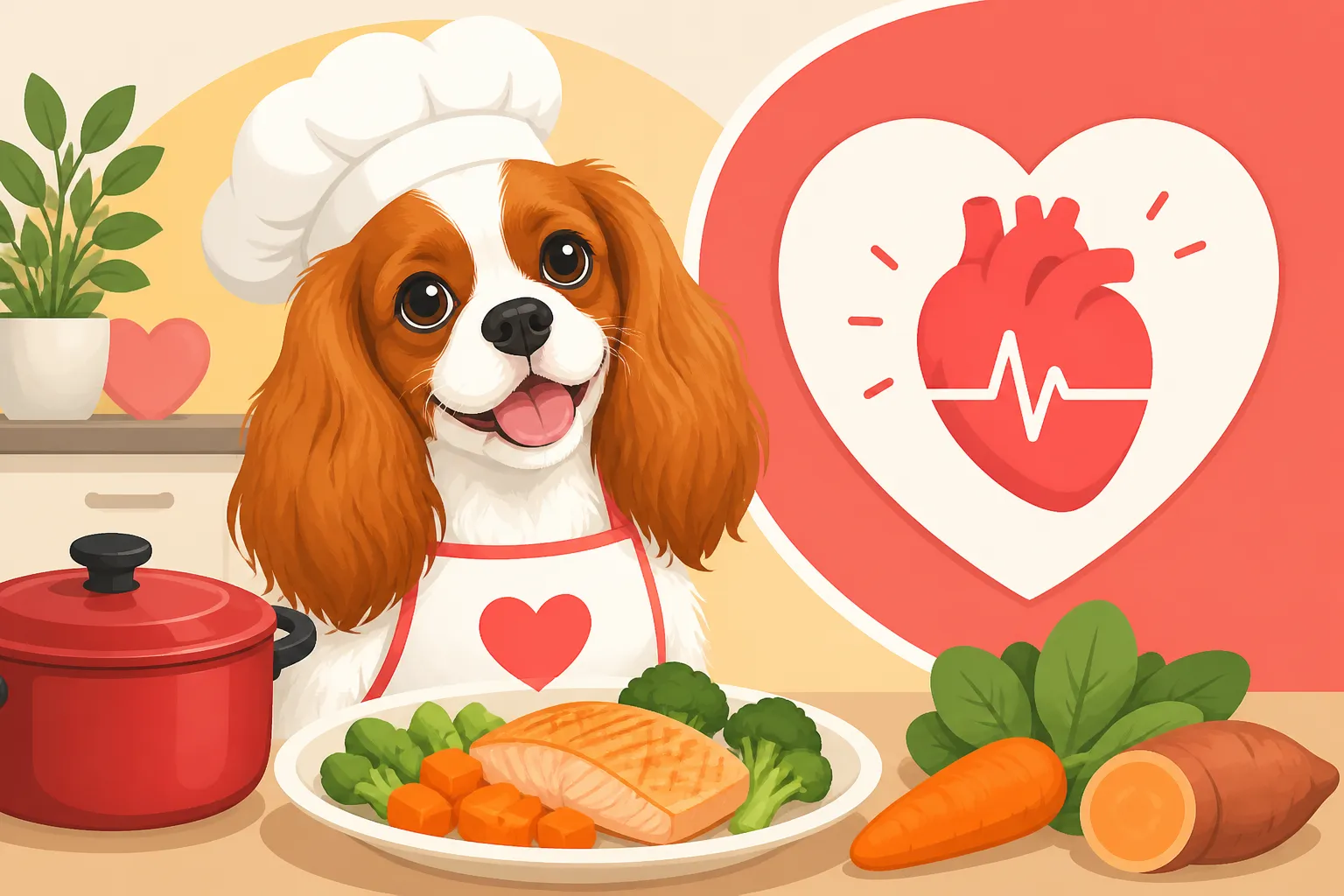
- Lean Protein Source: For example, plain, boiled, skinless chicken breast or lean ground turkey.
- Complex Carbohydrate: Plain cooked brown rice or oatmeal.
- Vegetables: Steamed green beans or finely diced carrots, without any added salt.
- Healthy Fats/Supplements: A measured amount of veterinary-recommended fish oil, perhaps, or a specific vitamin/mineral blend as prescribed by the nutritionist.
This is a very simplistic overview. A real recipe from a nutritionist would have much more precise ratios, details on calorie density, and specific micronutrient considerations. For example, a nutritionist might specify exactly how many grams of cooked chicken, how much rice, and how many grams of a specific vegetable. They'd also include essential vitamins and minerals that cannot be reliably sourced from whole foods alone.
Tips for Preparing and Storing Meals
Once you have a nutritionist-approved recipe, consistency in preparation is key.
- Batch Cooking: To save time, cook larger batches of the components (e.g., a week's worth of chicken, rice, and vegetables) and then portion them out.
- Accurate Measuring: Use a digital kitchen scale (available on Amazon) to weigh ingredients precisely as specified by your nutritionist. Eyeballing it is not accurate enough for a therapeutic diet.
- Proper Storage: Store prepared meals in airtight containers in the refrigerator for up to 3-4 days, or freeze individual portions for longer storage. Thaw thoroughly before serving.
- No Seasoning: Absolutely no salt, pepper, butter, oils, or spices unless explicitly instructed by your veterinary nutritionist. Remember, even "low sodium" versions of human condiments often contain too much for a cardiac dog.
- Consistent Serving: Feed meals at regular times to maintain a routine for your Cavalier. Feeding a Cavalier Two Meals a Day
Making the commitment to cook takes time and dedication. It’s not just about the cooking itself, but the meticulous planning, measuring, and adherence to the nutritionist's specific instructions.
When Home-Cooking Isn't Feasible (and Alternatives)
Let's be realistic. While the desire to home-cook for your beloved Cavalier is admirable, it's not always the best or most practical solution for every family. And that's perfectly okay. Your Cavalier still deserves the best, and there are excellent alternatives.
The Time and Cost Commitment
Cooking for a medically fragile dog is a full-time commitment. It involves:
- Shopping for specific ingredients: This might mean trips to specialty stores or careful online ordering.
- Dedicated cooking time: Preparing several days' worth of meals can take a considerable amount of time each week.
- Precise measuring and portioning: This can be tedious and adds to the time commitment.
- Ongoing communication with the nutritionist: Regular check-ins, adjustments, and monitoring are part of the process.
For many busy individuals or families, this level of commitment simply isn't sustainable long-term. And while it might seem cheaper initially, the cost of high-quality ingredients, supplements, and the nutritionist's fees can add up. It's important to weigh this against the peace of mind and proven efficacy of other options.
Reputable Commercial Cardiac Diets
The good news is that veterinary science has made incredible strides, and there are highly effective, commercially available prescription diets specifically formulated for dogs with heart disease. These diets are:
- Scientifically formulated: Developed by veterinary nutritionists, they undergo rigorous testing to ensure they are nutritionally complete and balanced, with precisely controlled sodium levels, appropriate protein, and beneficial nutrients.
- Consistent: Every bag or can provides the same consistent nutritional profile, which is incredibly important for managing a chronic condition.
- Convenient: No cooking, no measuring, just scoop and serve. This frees up your time and mental energy to focus on other aspects of your Cavalier's care and simply enjoy their company.
Brands like Hill's Prescription Diet, Royal Canin Veterinary Diet, and Purina Pro Plan Veterinary Diets offer excellent cardiac formulations. Your veterinarian can recommend the specific diet best suited for your Cavalier's stage of heart disease. These are often available through your vet's office or reputable online pet pharmacies like Chewy, with a prescription. Prescription Cardiac Diets for a Cavalier
Fresh-Prepared, Vet-Formulated Options
In recent years, a new category of dog food has emerged: fresh-prepared meals that are often delivered to your door. While many of these are designed for healthy dogs, some companies are now collaborating with veterinary nutritionists to offer therapeutic diets, including cardiac-specific options.
For example, companies like Ollie provide fresh, human-grade food. It's possible that services like this, or others, might offer vet-formulated, prescription-level diets designed to meet the stringent requirements of a cardiac diet. The key here is vet-formulated. Just because a fresh food is "human-grade" doesn't mean it's nutritionally appropriate for a dog with heart disease, especially regarding sodium control and specific nutrient balances. Always ensure that any such option is explicitly approved or formulated by a board-certified veterinary nutritionist for cardiac patients and has clear, verifiable nutritional analysis that matches your Cavalier's needs.
The benefit of these services is the convenience of fresh, palatable food without the personal cooking burden. However, they also come with a higher price point than traditional kibble, and you still need your vet's input to ensure the chosen formulation is appropriate. How Much to Feed an Adult Cavalier Daily
Comparing Human Food Components vs. Cardiac-Safe Alternatives
Here's a simplified look at common human food components and their cardiac-safe counterparts for your Cavalier. Remember, this table is for illustrative purposes only and does not constitute a complete dietary plan. Always consult a veterinary nutritionist.
| Human Food Component (Often High-Sodium) | Cardiac-Safe Alternative (Plain, Unseasoned) | Notes for Cavalier Cardiac Diet |
|---|---|---|
| Deli meats, bacon, sausage, cheese | Plain cooked chicken breast, lean ground turkey, white fish | Avoid all processed meats due to high sodium. |
| Canned vegetables (unless low-sodium, rinsed thoroughly) | Fresh or frozen green beans, carrots, sweet potato, broccoli | Always check labels for added salt. Rinsing helps reduce sodium. |
| Broths (even "low sodium" human varieties) | Homemade unsalted chicken or vegetable broth | Even low-sodium human broths can be too high for a small dog. |
| Table scraps, seasoned leftovers | Plain cooked lean meats, plain cooked vegetables, small amounts of safe fruits | Absolutely no seasoned food. |
| Commercial dog treats (many varieties) | Small pieces of plain cooked chicken, approved low-sodium commercial cardiac treats | Always check sodium content of any treat. |
| Bread, crackers | Plain cooked brown rice, oatmeal (in moderation) | Many baked goods contain significant sodium. |
| Butter, oils (unless specific type/amount) | Small, measured amounts of fish oil (vet-recommended) | Avoid added fats unless prescribed by nutritionist. |
Ultimately, your Cavalier's heart health is paramount. Whether you choose a meticulously crafted home-cooked diet under professional guidance or a high-quality prescription commercial food, the goal remains the same: to provide the best possible nutritional support to help them live a comfortable and fulfilling life with MVD. Caring for a Cavalier Past Nine
Disclaimer
This article is for general informational purposes only and does not constitute professional advice. Laws, prices and regulations vary by location and change over time. Consult a qualified professional for guidance on your specific situation.