An Old Cavalier That Struggles With Dry Kibble
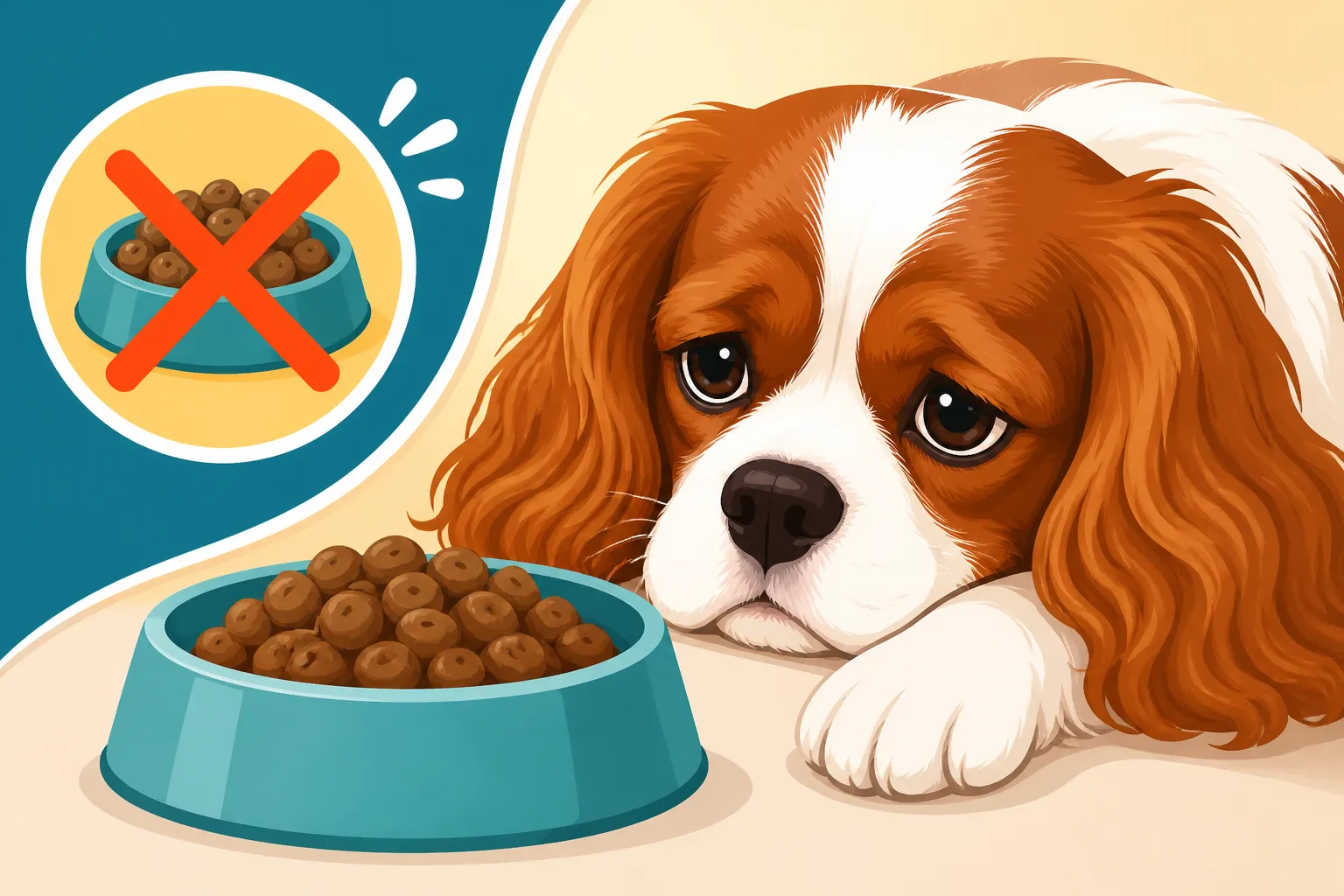
It’s truly disheartening to see your once-enthusiastic Cavalier King Charles Spaniel, who used to gobble down every meal, suddenly turn their nose up at their dry kibble. This common frustration for owners often signals more than just pickiness; it can be a subtle cry for help from a senior dog whose body and senses are changing. This guide aims to help you understand why your older Cavalier might be struggling with dry food and offer practical, empathetic solutions to make mealtime enjoyable and nutritious again.
Why Your Senior Cavalier Might Be Turning Up Their Nose at Dry Kibble
As our beloved Cavaliers age, their bodies go through many changes, much like ours do. What was once a perfectly acceptable, even eagerly anticipated, meal can suddenly become a source of discomfort or disinterest. It's rarely just about being "fussy"; there are often very real, physical reasons behind a senior Cavalier's reluctance to eat dry kibble. Understanding these can help us approach the problem with empathy and find the right solutions.
Dental Pain and Discomfort
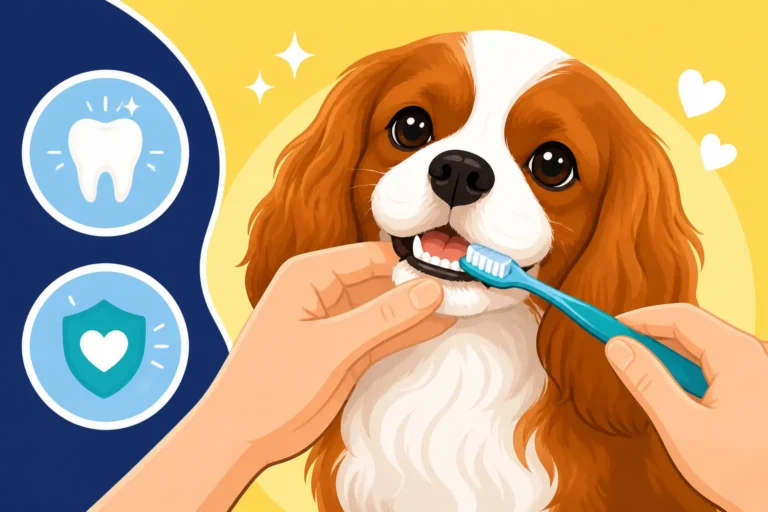
This is perhaps one of the most common and often overlooked reasons a senior Cavalier might struggle with dry kibble. Imagine trying to chew crunchy toast with a throbbing toothache or sore gums – it's simply excruciating. Cavaliers are unfortunately prone to dental issues, partly due to their crowded jaws, which can lead to plaque buildup, gum disease, and tooth decay. Over time, these issues can escalate to painful infections, loose teeth, or even fractured teeth.
A dry kibble diet requires significant chewing. If your Cavalier has advanced periodontal disease, a broken molar, or even resorptive lesions (where the tooth structure erodes from the inside out, often hidden from view), every bite can send a jolt of pain through their mouth. They might approach the bowl, sniff, and then back away, or try a few tentative bites before giving up. You might notice them chewing more slowly, tilting their head while eating, or even dropping food. Sometimes, the pain is chronic and insidious, building up over years, so the change in eating habits is gradual rather than sudden. It’s crucial not to dismiss this as mere fussiness. Regular dental check-ups are vital, and if it’s been a while, it might be time to schedule one. Sometimes, a professional dental cleaning and any necessary extractions can literally transform their willingness to eat. For a deeper dive, read about Cavalier Dental Disease in a Crowded Jaw.
Decreased Appetite and Sense of Smell
Just like humans, a senior dog’s senses can dull with age. Their sense of smell, which plays a massive role in their appetite, might not be as sharp as it once was. Dry kibble, while nutritionally complete, often isn't the most aromatic food, especially when compared to a fresh meal. If your Cavalier can't smell their food as well, it becomes far less enticing. Think about how much more appealing a freshly baked cookie smells compared to one that's been sitting out for a day – the aroma enhances the desire.
Beyond dulled senses, a senior Cavalier’s metabolism also slows down. They might not need as many calories as they did in their prime, leading to a naturally reduced appetite. Some simply feel less hungry overall. This can be a tricky balance, as you want them to get enough nutrition, but you also don't want to force-feed them. The key is to make every calorie count and make the food as palatable and easy to consume as possible. If they are losing weight, it's definitely a red flag, as weight loss can compound other health problems.
Underlying Health Conditions
A change in eating habits, particularly a refusal of food, can often be a warning sign of an underlying health issue in an older dog. It’s their way of telling you something is wrong when they can’t vocalize it.
- Heart Disease: Mitral Valve Disease (MVD) is very common in Cavaliers, and as it progresses, it can lead to heart failure. One of the symptoms of advanced heart disease is nausea or a general feeling of malaise. Dogs with heart failure might also have fluid buildup in their abdomen, which can make them feel full and uncomfortable, reducing their desire to eat. Medications for heart disease can also sometimes cause an upset stomach. You might also notice a cough, especially at night, or reduced energy. How Cavalier Heart Disease Progresses Stage by Stage can provide more context here.
- Kidney Disease: This is another common senior ailment. Failing kidneys don't filter toxins effectively, leading to a buildup that can cause nausea, vomiting, and a metallic taste in the mouth, all of which suppress appetite. Dogs with kidney disease often become very finicky eaters.
- Pain from Arthritis or Syringomyelia (SM): If your Cavalier has arthritis in their neck, back, or hips, bending down to a bowl on the floor can be painful. Similarly, Cavaliers with Syringomyelia, a neurological condition affecting the brain and spinal cord, might experience neck pain, making the act of lowering their head to eat uncomfortable. They might eat a few bites, then lift their head, only to try again later. Elevated food bowls can sometimes alleviate this particular issue, but the underlying pain needs to be addressed. Pain Management for a Senior Cavalier is crucial for these conditions.
- Other Issues: Less common but still possible causes include gastrointestinal upset, organ dysfunction, or even certain types of cancer. Any persistent refusal to eat warrants a prompt veterinary visit to rule out serious health problems.
Making Dry Kibble More Appealing and Easier to Eat for Your Senior Cavalier
Once you've ruled out significant underlying health issues with your vet, or if you're looking for ways to support your Cavalier through a diagnosed condition, there are many simple adjustments you can make to their dry kibble to make it more palatable. These small changes can make a world of difference for a senior dog who genuinely wants to eat but finds their usual food challenging.
Adding Moisture and Flavor
This is often the first and most effective step. Dry kibble is, well, dry. Adding liquid not only softens the pieces, making them easier to chew, but also releases more of the food's aroma, which can entice a dog with a dulled sense of smell.
- Warm Water or Low-Sodium Broth: Simply adding warm water to your Cavalier's kibble until it forms a soft, soupy consistency can work wonders. The warmth enhances the smell, and the softened texture is far less demanding on aging teeth and gums. For an extra flavor boost, try a low-sodium chicken or beef broth. Just be sure to check the sodium content, especially if your Cavalier has heart or kidney issues. Many pet-specific broths are available at stores like Chewy, formulated with lower sodium.
- Goat's Milk or Yogurt: A small amount of plain, unsweetened goat's milk or even a dollop of plain yogurt can be a delicious and digestible addition. These add moisture, probiotics, and a tempting taste. Introduce new additions slowly to avoid an upset stomach.
- Pureed Pumpkin or Sweet Potato: A spoonful of plain, canned pumpkin (not pie filling!) or mashed sweet potato can add moisture, fiber, and a sweet, appealing flavor. These are generally well-tolerated and can aid digestion.
- Creating a "Gravy": Some owners find success by mashing a bit of wet dog food with some warm water or broth to create a rich, aromatic gravy to mix with the kibble. This coats the dry pieces and provides an irresistible scent and taste.
Switching Kibble Size and Texture
Sometimes, it’s not just about the flavor, but the physical challenge of the kibble itself. Manufacturers are becoming much more attuned to the needs of senior dogs.
- Smaller Kibble: If your Cavalier is struggling with chewing, simply switching to a kibble with smaller pieces can make a huge difference. Many brands offer "small breed" or "senior" formulas with tinier kibble designed to be easier to manage for smaller mouths and older teeth.
- Softer Kibble Varieties: While not strictly wet food, some kibbles are formulated to be softer or have a slightly chewier texture than traditional hard kibble. These can be a good intermediate step if you're not ready to transition entirely to wet food but need something gentler. Look for brands specifically marketing softer bites or those that quickly soften when moisture is added.
- "Deconstructed" Kibble: For extreme cases of dental pain where even softened kibble is too much, some owners resort to putting their Cavalier's kibble in a food processor with water or broth to create a gruel. This ensures they still get their familiar nutrition in a completely unchallenging form.
Warming the Food
This simple trick can often reignite a senior Cavalier's interest in their food. Just like with human food, warmth significantly enhances aroma, making the meal more appealing to those dulled senses.
- A Quick Microwave Zap: After adding water or broth to their kibble, pop it in the microwave for a very short period – maybe 10-15 seconds. You're aiming for lukewarm, not hot. Always test the temperature with your finger to ensure it's not too hot before serving. The gentle warmth will release the natural scent of the food, making it much more tempting for your Cavalier. It's surprising how often this small step makes a huge difference.
Exploring Alternatives to Purely Dry Kibble
If modifying dry kibble isn't quite cutting it, or if your Cavalier's health dictates a different approach, it might be time to consider other dietary options. These alternatives often provide higher moisture content and a more palatable texture, which are huge benefits for an aging dog.
Wet Food and Fresh-Prepared Diets
Moving away from dry kibble entirely can be a game-changer for many senior Cavaliers. The inherent moisture and softer texture of wet foods address many of the challenges associated with dry kibble.
- Canned Wet Food: Canned dog food is a fantastic option. It's soft, often very aromatic, and has a high moisture content, which is great for hydration – a common concern in older dogs. There's a vast range of textures, from pâtés to chunky stews, so you can find one that your Cavalier prefers. Brands offer senior-specific formulas that often include joint-supporting ingredients and adjusted nutrient profiles. Mixing canned food with a small amount of kibble can be a good transition strategy if your vet approves a mix.
- Fresh-Prepared Diets: Services like Ollie deliver fresh, human-grade dog food right to your door. These meals are typically gently cooked, soft, and incredibly palatable due to their fresh ingredients and appealing aroma. For a Cavalier struggling with dry kibble, especially due to a decreased sense of smell or dental issues, these diets can be a lifesaver. They are typically nutritionally balanced and can be customized to your dog's specific needs, often proving to be highly enticing. While they can be a higher price point than traditional kibble, the benefits for a picky or health-challenged senior can be invaluable.
- Making the Switch: If you decide to transition to wet or fresh food, do so gradually over 7-10 days. Start by replacing a small portion of their old kibble with the new food, slowly increasing the new food and decreasing the old until they are fully transitioned. This helps prevent gastrointestinal upset.
Home-Cooked Additions and Toppers
Sometimes, you don't need to ditch the kibble entirely, but rather enhance it with wholesome, home-cooked additions. These can significantly boost appeal and provide extra nutrients.
- Cooked Lean Protein: Small amounts of plain, cooked, shredded chicken breast, ground turkey, or scrambled eggs can be incredibly tempting toppers. Ensure they are cooked without any seasonings, onions, garlic, or excessive fats, which are harmful to dogs. These add a burst of flavor and a soft, digestible protein source.
- Pureed Vegetables: Lightly steamed and pureed carrots, green beans, or sweet potatoes can add vitamins, fiber, and moisture. They are generally well-received and can increase the nutrient density of the meal.
- Fish Oil: A drizzle of omega-3 rich fish oil can not only add a savory flavor that many dogs love but also provides excellent benefits for skin, coat, and joint health in senior dogs. Purchase a reputable pet-specific fish oil from retailers like Amazon or a pet store.
- Liver Treats (in moderation): Crumbled, dried liver treats can act as a potent flavor enhancer when sprinkled over kibble. Their strong aroma is often irresistible. However, use sparingly as treats, even healthy ones, can add unwanted calories or unbalance the diet if overused.
Strategies for Pain Management and Appetite Stimulation
If your Cavalier's reluctance to eat is rooted in pain or chronic nausea, simply changing the food might not be enough. This is where your veterinarian's expertise is paramount.
- Pain Relief: If your vet diagnoses arthritis, a spinal issue, or dental pain, appropriate pain medication (like NSAIDs or Gabapentin for nerve pain) can make a huge difference in their overall comfort and willingness to eat. When pain is managed, their natural appetite can return. Gabapentin for a Cavalier With Neck Pain can be a valuable resource.
- Appetite Stimulants: In some cases, especially with chronic illnesses like kidney disease, a vet might prescribe an appetite stimulant. These medications can kickstart your Cavalier's interest in food, ensuring they get the calories they need to maintain weight and strength. These are not long-term solutions for all dogs but can be very helpful during periods of low appetite.
- Anti-Nausea Medication: If nausea is a factor (often with advanced heart disease or kidney issues), anti-nausea medications can help settle their stomach and make food more appealing.
Important Considerations When Changing Your Cavalier's Diet
Making dietary changes for any dog requires thought, but for a senior Cavalier, it's especially critical to proceed with caution and always involve your veterinary team. Their systems are more sensitive, and they often have underlying health conditions that dictate specific dietary needs.
Gradual Transitions and Monitoring
Suddenly switching your Cavalier's food can lead to digestive upset, including vomiting and diarrhea. Their gut flora needs time to adjust to new ingredients and nutrient profiles.
- Slow and Steady: Introduce any new food or toppers gradually over at least 7 to 10 days. Start by mixing a very small amount of the new food with their current kibble, slowly increasing the proportion of the new food while decreasing the old.
- Observe Closely: Pay close attention to your Cavalier during this transition. Monitor their stool for consistency, and watch for any signs of discomfort, gas, or changes in energy levels. If you notice any issues, slow down the transition or consult your vet.
- Portion Control: Even if your Cavalier is picky, it’s important to stick to appropriate portion sizes, especially when adding tempting extras. Obesity can exacerbate many senior health issues, particularly heart disease. For insights on this, consider Why an Overweight Cavalier Fails Faster. If you’re adding high-calorie toppers, you might need to slightly reduce the base kibble amount to prevent unwanted weight gain.
Consulting Your Veterinarian
This is perhaps the most critical piece of advice. Before making any significant dietary changes, especially for a senior Cavalier, a conversation with your veterinarian is non-negotiable.
- Diagnose Underlying Issues: Your vet can perform a thorough examination, including blood work, urinalysis, and potentially imaging, to identify any medical reasons for appetite loss or difficulty eating. Addressing the root cause is always the best approach.
- Nutritional Guidance: If your Cavalier has specific health conditions like heart disease or kidney disease, their diet might need to be tailored accordingly. For instance, dogs with heart conditions often benefit from a low-sodium diet, and those with kidney issues require specific protein and phosphorus levels. Your vet can recommend prescription diets or guide you on appropriate over-the-counter options. Discussing Prescription Cardiac Diets for a Cavalier with your vet could be beneficial.
- Supplement Advice: While many supplements are marketed for senior dogs, not all are appropriate or necessary for every Cavalier. Your vet can advise on supplements like fish oil, joint support, or probiotics, ensuring they are safe and beneficial for your individual dog. Also, explore Diets Aimed at an Old Cavalier's Knees if joint health is a concern.
Nutritional Needs for Senior Cavaliers
An older Cavalier has different nutritional requirements than a young puppy or a robust adult. Their diet needs to support their aging body.
- Protein Levels: Generally, senior dogs still need adequate protein to maintain muscle mass, but for those with kidney disease, protein quality and quantity might need adjustment. Discuss this with your vet.
- Fat Content: Older dogs are often less active, so their caloric needs may decrease. A diet with a slightly lower fat content can help prevent weight gain. However, if your Cavalier is losing weight, higher-calorie foods might be necessary.
- Fiber: Adequate fiber can help support healthy digestion and bowel movements, which can sometimes slow down in senior dogs.
- Joint Support: Many senior dog foods and supplements include ingredients like glucosamine and chondroitin to support joint health, which is vital for Cavaliers who are prone to conditions like arthritis and patellar luxation.
- Omega Fatty Acids: As mentioned, these are excellent for cognitive function, skin, coat, and reducing inflammation.
Here’s a quick overview of food options for a senior Cavalier:
| Food Type | Texture | Moisture Content | Palatability | Pros | Cons |
|---|---|---|---|---|---|
| Dry Kibble | Hard/Crunchy | Low | Moderate | Cost-effective, good for dental hygiene (if able to chew) | Hard to chew, less aromatic, can be unappealing |
| Soaked Kibble | Soft/Mushy | Medium/High | Moderate/High | Easier to chew, enhanced aroma, still uses existing food | Requires preparation time, can become messy |
| Wet Food | Soft/Smooth | High | High | Very easy to chew, highly aromatic, good hydration | More expensive, can lead to dental issues if exclusive |
| Fresh Food | Soft/Chunky | High | Very High | Highly palatable, human-grade ingredients, good hydration | Most expensive, requires proper balancing |
| Home-cooked | Variable | Variable | High | Can be customized, fresh ingredients | Requires significant effort, balancing nutrients is critical |
Remember, your Cavalier's comfort and well-being are paramount. It might take some trial and error to find the perfect solution, but with patience, empathy, and your vet's guidance, you can help your senior Cavalier enjoy their meals once again, ensuring they get the nutrition they need for their golden years.
Disclaimer
This article is for general informational purposes only and does not constitute professional advice. Laws, prices and regulations vary by location and change over time. Consult a qualified professional for guidance on your specific situation.