Diets Aimed at an Old Cavalier’s Knees
Seeing your beloved Cavalier King Charles Spaniel slow down, especially when they start to favor a leg or struggle with stairs due to creaky knees, is truly heartbreaking. It’s a common frustration for many of us Cavalier parents as our sweet companions age. This guide is here to walk you through how thoughtful dietary choices can genuinely support your senior Cavalier's joint health, aiming to keep them comfortable and active for as long as possible.
Understanding Joint Health Challenges in Senior Cavaliers
As our Cavaliers gracefully enter their golden years, it's almost inevitable that their joints, particularly their knees, will start to show signs of wear and tear. It’s not just about a bit of stiffness; for many, it can be a source of real discomfort and even pain. Recognizing these challenges is the first step in addressing them effectively through diet and lifestyle changes.
The Reality of Patellar Luxation and Arthritis in Cavaliers
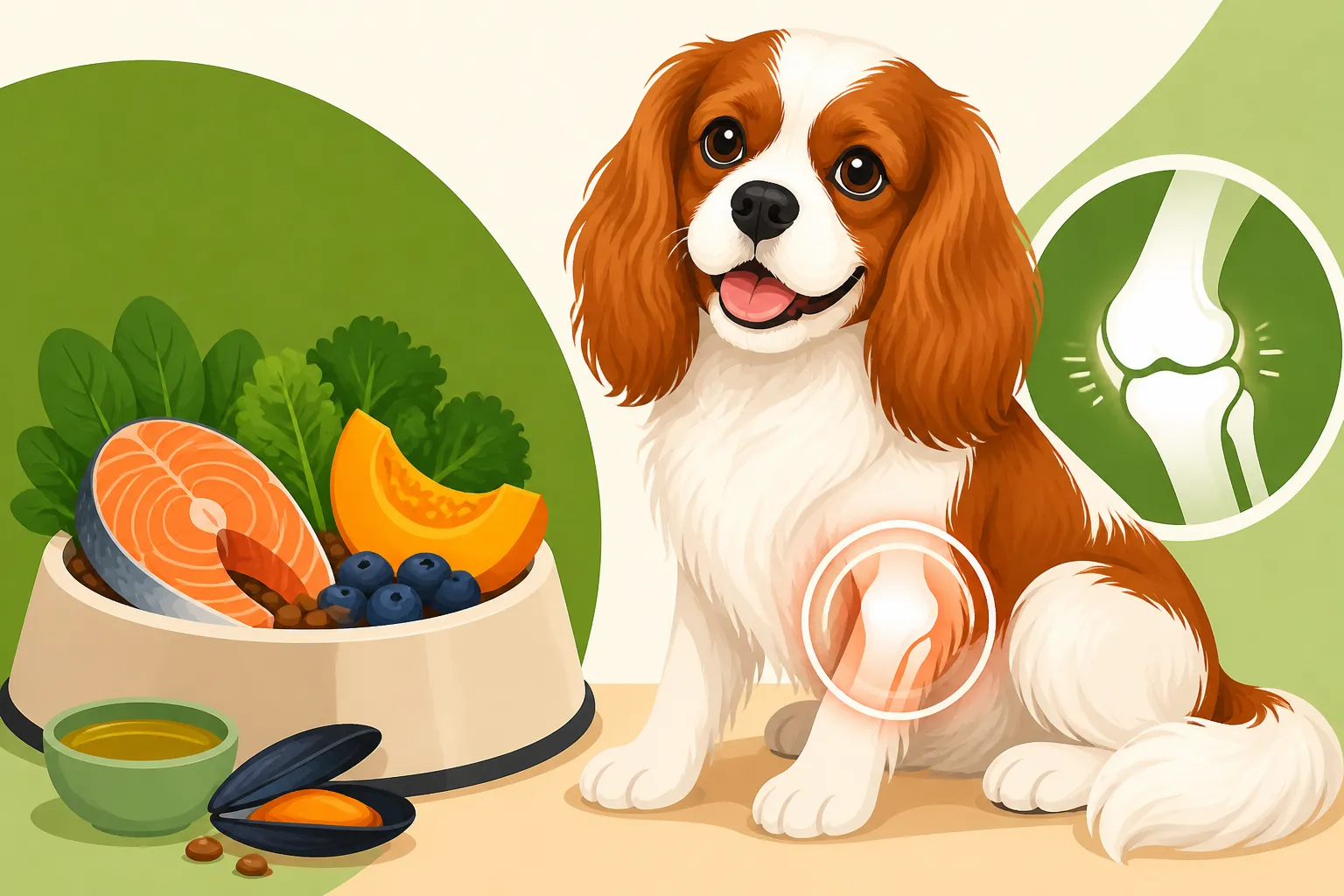
Cavaliers are, unfortunately, predisposed to certain orthopedic conditions, with patellar luxation being a prime example. This is where the kneecap (patella) slips out of its groove. While some Cavaliers might have lived with this condition since puppyhood without major issues, it can certainly worsen with age. Even if your Cavalier never had a diagnosed luxating patella, the simple act of aging brings on degenerative joint disease, or arthritis. This is a progressive condition where the cartilage cushioning the joints wears down, leading to bone-on-bone friction, inflammation, and pain. You might notice your Cavalier hesitating before jumping, showing stiffness after a nap, or even A Cavalier Limping After Play. It's a cruel reality that many of our furry friends face, and it demands our attention and proactive care. We want to do everything we can to keep them comfortable.
How Weight Impacts Knee and Joint Health
One of the biggest silent culprits exacerbating joint problems in senior Cavaliers is excess weight. Every extra pound your Cavalier carries puts additional strain on their already compromised joints, especially those knees. Imagine carrying a heavy backpack all day, every day – that's what it feels like for their little legs. This increased load accelerates cartilage degradation, intensifies inflammation, and amplifies pain. It's a vicious cycle: pain leads to less movement, which can lead to more weight gain, which then leads to more pain. Keeping your Cavalier at a healthy, lean weight is perhaps one of the most impactful things you can do to protect their knees and overall joint health. It's not about making them skinny; it's about finding that ideal body condition where their ribs are easily felt but not seen, and they have a distinct waist. If you've ever read Cavalier Weight Gain and What It Costs the Heart, you know just how critical maintaining a healthy weight is for their longevity and quality of life across the board, not just for their joints.
The Role of Inflammation in Joint Pain
Inflammation is the body's natural response to injury or irritation, but chronic inflammation in the joints is what really causes pain and further damage in conditions like arthritis. Think of it like a constant low-grade fire burning in the joints, eroding cartilage and stimulating nerve endings. In a senior Cavalier, this inflammation can be widespread, affecting not just the knees but other joints as well. Traditional pain medications often target inflammation, but diet can also play a profound role in either fueling or fighting it. Certain foods and nutrients have powerful anti-inflammatory properties that can help dampen this chronic fire, providing relief and potentially slowing the progression of joint damage. It's about building a diet that supports their body's natural healing and protective mechanisms from the inside out.
Key Dietary Components for Supporting Cavalier Knees
When we talk about diets aimed at supporting an old Cavalier's knees, we're really focusing on two main goals: reducing inflammation and providing the building blocks for healthy joint tissue. It’s not about a magic bullet, but rather a holistic approach to nutrition that targets these crucial areas.
Essential Nutrients and Supplements to Look For
There's a whole world of nutrients out there that can lend a helping paw to aging joints. The key is to find foods and supplements that deliver these in a bioavailable form, meaning your Cavalier's body can actually use them effectively. Here’s a rundown of what to keep an eye out for:
- Glucosamine and Chondroitin: These are probably the most well-known joint supplements, and for good reason. Glucosamine helps support the formation and repair of cartilage, while chondroitin helps maintain cartilage elasticity and inhibits enzymes that break down cartilage. Many joint-specific dog foods or supplements, available through retailers like Chewy or Amazon, will feature these ingredients. While they won't regrow cartilage, they can certainly help maintain what's left and provide some comfort.
- MSM (Methylsulfonylmethane): This is a natural sulfur compound that can help reduce inflammation and pain, often working synergistically with glucosamine and chondroitin. It's another common ingredient in comprehensive joint support formulas.
- Green-Lipped Mussel (GLM): Hailing from New Zealand, this super ingredient is packed with omega-3 fatty acids, glucosamine, chondroitin, and other anti-inflammatory compounds. It's a powerful natural option for joint health.
- Hyaluronic Acid (HA): HA is a component of synovial fluid, which lubricates the joints. Supplementing with HA can help improve joint lubrication and shock absorption.
It’s important to remember that these supplements aren't instant cures. They work best when given consistently over time and as part of a broader joint care strategy that includes weight management and appropriate exercise. Always talk to your vet before starting any new supplement regimen, especially for a senior dog with other health considerations.
High-Quality Protein for Muscle Support
While we often focus on the joints themselves, the muscles surrounding them play a critical role in stability and support. Strong muscles help to take some of the load off the joints, which is especially important for wobbly senior knees. For our aging Cavaliers, maintaining muscle mass becomes even more vital, as older dogs can sometimes struggle to metabolize protein as efficiently as their younger counterparts.
Therefore, a diet rich in high-quality, easily digestible protein sources is non-negotiable. Look for animal-based proteins like chicken, turkey, beef, lamb, and fish as the primary ingredients in their food. These provide the essential amino acids needed to build and repair muscle tissue. Without adequate protein, your Cavalier’s muscles can waste away, leaving their joints more vulnerable. This is also where a fresh food service like Ollie, which provides human-grade, whole ingredients, can be beneficial, as these often contain excellent protein sources that are highly digestible. Ensuring your Cavalier gets enough protein also helps them feel full and satisfied, which can be a huge aid if you're working on Slimming a Cavalier Without Cutting Meals.
Omega-3 Fatty Acids: Nature's Anti-Inflammatory
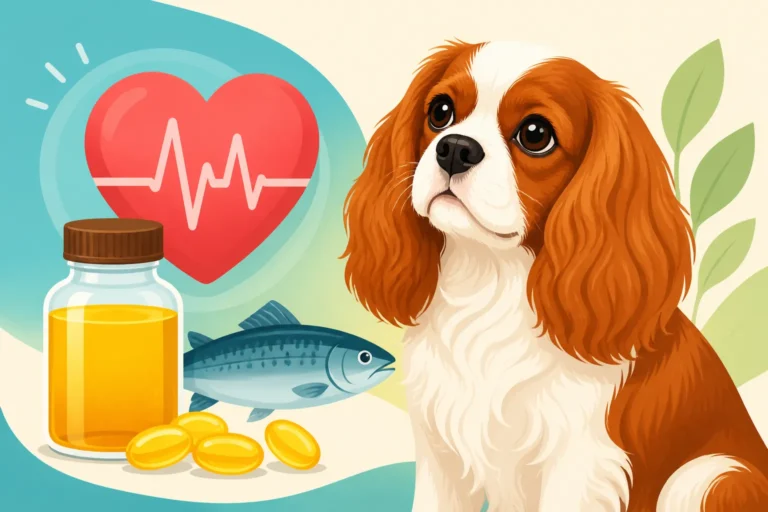
If there’s one superstar ingredient for joint health, it's omega-3 fatty acids, particularly EPA and DHA, which are found in fish oil. These powerful fats are renowned for their anti-inflammatory properties. Unlike some medications that block inflammation, omega-3s help regulate the inflammatory response in the body, essentially calming that "low-grade fire" we talked about earlier.
Including a good source of omega-3s in your senior Cavalier's diet can make a tangible difference in their comfort levels. You can find these in:
- Fatty Fish: Salmon, mackerel, sardines, and anchovies are excellent sources. Cooked and deboned, these can be a wonderful addition to their meals in moderation.
- Fish Oil Supplements: High-quality fish oil specifically formulated for pets is a convenient way to ensure they get a consistent dose. Look for products that list EPA and DHA levels and are tested for purity.
- Joint-Specific Dog Foods: Many premium dog foods designed for senior dogs or those with joint issues will be fortified with higher levels of omega-3s.
The benefits of omega-3s aren't just limited to joints; they also support skin and coat health, cognitive function, and even cardiovascular health, making them a truly well-rounded addition for any senior Cavalier, especially one also dealing with concerns like Fish Oil for a Cavalier With Heart Disease.
Navigating Food Choices for Your Senior Cavalier
Deciding what to feed your senior Cavalier with knee issues can feel overwhelming with all the options out there. It's about finding a balance between convenience, nutritional quality, and what your individual dog thrives on.
Commercial Diets Formulated for Joint Health
The pet food market has come a long way, and thankfully, there are excellent commercial diets specifically designed to support senior dogs and those with joint problems. These foods often include many of the beneficial ingredients we've discussed, such as higher levels of omega-3s, glucosamine, and chondroitin.
When looking at commercial kibble or wet food, here's what to consider:
- "Senior" or "Joint Support" Formulas: These diets are typically lower in calories to help prevent weight gain (crucial for joint health!) and fortified with joint-supporting nutrients.
- High-Quality Ingredients: Prioritize foods with real meat as the first ingredient, and avoid excessive fillers, artificial colors, and preservatives.
- Digestibility: Senior dogs can sometimes have more sensitive digestive systems, so easily digestible ingredients are a plus.
- Palatability: If your senior Cavalier is a picky eater, finding a food they actually enjoy is half the battle. You might need to try a few different brands or flavors.
Brands like Hill's Prescription Diet j/d, Royal Canin Mobility Support, and Purina Pro Plan Veterinary Diets JM Joint Mobility are examples of veterinarian-recommended therapeutic diets that are specifically formulated for joint health. However, even over-the-counter premium brands often have senior or joint-support options. Read labels carefully and compare ingredient lists. Don't be afraid to ask your vet for specific recommendations tailored to your Cavalier's needs. Remember, a diet focused on Feeding a Senior Cavalier Less Food might also be beneficial to manage weight alongside joint support.
Home-Prepared Meals and Supplementation
For some Cavalier owners, preparing meals at home offers a greater sense of control over ingredients and nutrient levels. This can be a fantastic option, but it requires careful planning to ensure it's nutritionally balanced. You can't just feed cooked chicken and rice long-term; that won't provide all the necessary vitamins, minerals, and fatty acids.
If you choose the home-prepared route:
- Consult a Veterinary Nutritionist: This is perhaps the most crucial step. A board-certified veterinary nutritionist can formulate a custom diet plan that meets all your senior Cavalier's nutritional needs while specifically addressing joint health. They can guide you on appropriate protein sources, carbohydrate levels, and necessary supplements to add.
- Balance is Key: A homemade diet must be balanced with the right ratios of protein, fat, carbohydrates, vitamins, and minerals. Deficiencies or excesses can lead to serious health problems.
- Supplement with Intention: You'll likely need to add specific joint supplements, omega-3s, and a vitamin/mineral blend to ensure completeness. This is where products from Chewy or Amazon that focus on comprehensive joint support for dogs can be invaluable.
- Freshness and Quality: The beauty of homemade food is the ability to use fresh, whole, human-grade ingredients, much like what you'd find from services like Ollie. This can often translate to higher digestibility and nutrient retention.
A table comparing the pros and cons of commercial versus home-prepared diets for joint support can be helpful:
| Feature | Commercial Diets (Joint-Specific) | Home-Prepared Diets (Vet-Formulated) |
|---|---|---|
| Nutritional Balance | Pre-formulated and generally complete. | Requires careful formulation by an expert to ensure completeness. |
| Ingredient Control | Limited control; rely on brand's quality. | Full control over fresh, whole ingredients. |
| Cost | Varies by brand, can be comparable to human-grade. | Can be more expensive and time-consuming. |
| Convenience | Very convenient; scoop and serve. | Requires significant time for preparation and cooking. |
| Palatability | Wide variety available; some dogs prefer certain textures/flavors. | Can be highly palatable due to fresh ingredients, tailored to preferences. |
| Specialized Needs | Excellent for specific therapeutic needs (e.g., severe arthritis). | Can be precisely tailored for complex medical conditions and preferences. |
| Required Expertise | Minimal, follow feeding guidelines. | High, needs professional veterinary nutritionist guidance. |
Monitoring Your Cavalier's Response and Adjusting the Diet
No two Cavaliers are exactly alike, and what works wonders for one might not be the perfect fit for another. The real trick to managing an old Cavalier's knee health through diet is diligent observation and a willingness to adjust.
- Track Symptoms: Keep a journal or notes on your Cavalier's mobility, stiffness, pain levels (yelping when picked up, A Cavalier That Refuses Stairs), and overall energy. Note how they move after naps, during walks, and how quickly they recover.
- Observe Weight Changes: Regularly weigh your Cavalier. Even small fluctuations can impact joint comfort. Adjust portion sizes as needed to maintain that ideal lean body weight. Remember Why Every Scrap Shows on a Fifteen-Pound Cavalier.
- Notice Digestive Health: Any new diet or supplement can affect digestion. Watch for changes in appetite, stool consistency, or signs of upset tummy.
- Regular Vet Check-ups: Continue with routine veterinary visits, and be open with your vet about the dietary changes you've made. They can assess your Cavalier's overall health, review their mobility, and suggest further adjustments or additional treatments like Pain Management for a Senior Cavalier if needed. They might recommend specific blood tests to monitor organ function, especially if your Cavalier is on other medications.
- Be Patient: Dietary changes often take time to show their full effects. Give any new food or supplement regimen at least 6-8 weeks before deciding if it's working. Consistency is key!
By being observant and working closely with your veterinarian, you can fine-tune your Cavalier’s diet to provide the best possible support for their precious, aging knees, helping them enjoy their senior years with greater comfort and joy.
Disclaimer
This article is for general informational purposes only and does not constitute professional advice. Laws, prices and regulations vary by location and change over time. Consult a qualified professional for guidance on your specific situation.