Keeping an Old Cavalier’s Coat Comfortable
As our beloved Cavalier King Charles Spaniels gracefully enter their golden years, many owners find that the once-effortless task of grooming becomes a real challenge. Their once-lustrous, manageable coat can become dry, matted, or sensitive, and their willingness or ability to tolerate long grooming sessions diminishes with age and discomfort. This guide is here to walk you through the subtle yet significant changes in an older Cavalier's coat and skin, offering empathetic, practical advice on adapting your grooming routine to keep your senior companion comfortable, healthy, and happy without unnecessary stress or pain.
Understanding the Changes in an Older Cavalier's Coat and Skin
It's easy to assume that grooming an older Cavalier is just like grooming a younger one, but with a bit more patience. However, there are fundamental physiological shifts happening that directly impact their coat and skin health, making a 'business as usual' approach counterproductive, and sometimes even painful. Recognizing these changes is the first step in providing the gentle care your senior companion truly needs.
Why Their Coat Might Become More Challenging
As Cavaliers age, their beautiful, silky coats often undergo a transformation. What was once easy to brush through can suddenly become a magnet for tangles and mats. One common change is a shift in coat texture; some Cavaliers might find their fur becoming coarser and more brittle, while others might develop a finer, almost cotton-like texture that mats at the slightest provocation. This is often due to hormonal fluctuations, changes in metabolism, and even the natural aging process affecting hair follicle health. They might also start shedding differently, with patches of thinner fur or more pronounced shedding cycles.
Beyond texture, older Cavaliers tend to groom themselves less effectively. The agility required to reach certain spots, like behind the ears, armpits, or the delicate feathering on their hind legs, decreases. Arthritis can make twisting and turning painful, leading to neglected areas that quickly become matted. Underlying health conditions, which unfortunately become more common in senior Cavaliers, can also severely impact coat quality. For instance, thyroid issues can lead to a dry, sparse coat, while kidney disease might cause dullness and poor growth. It's not just about brushing; it's about understanding the whole picture of their aging body.
The Delicate Nature of Senior Cavalier Skin
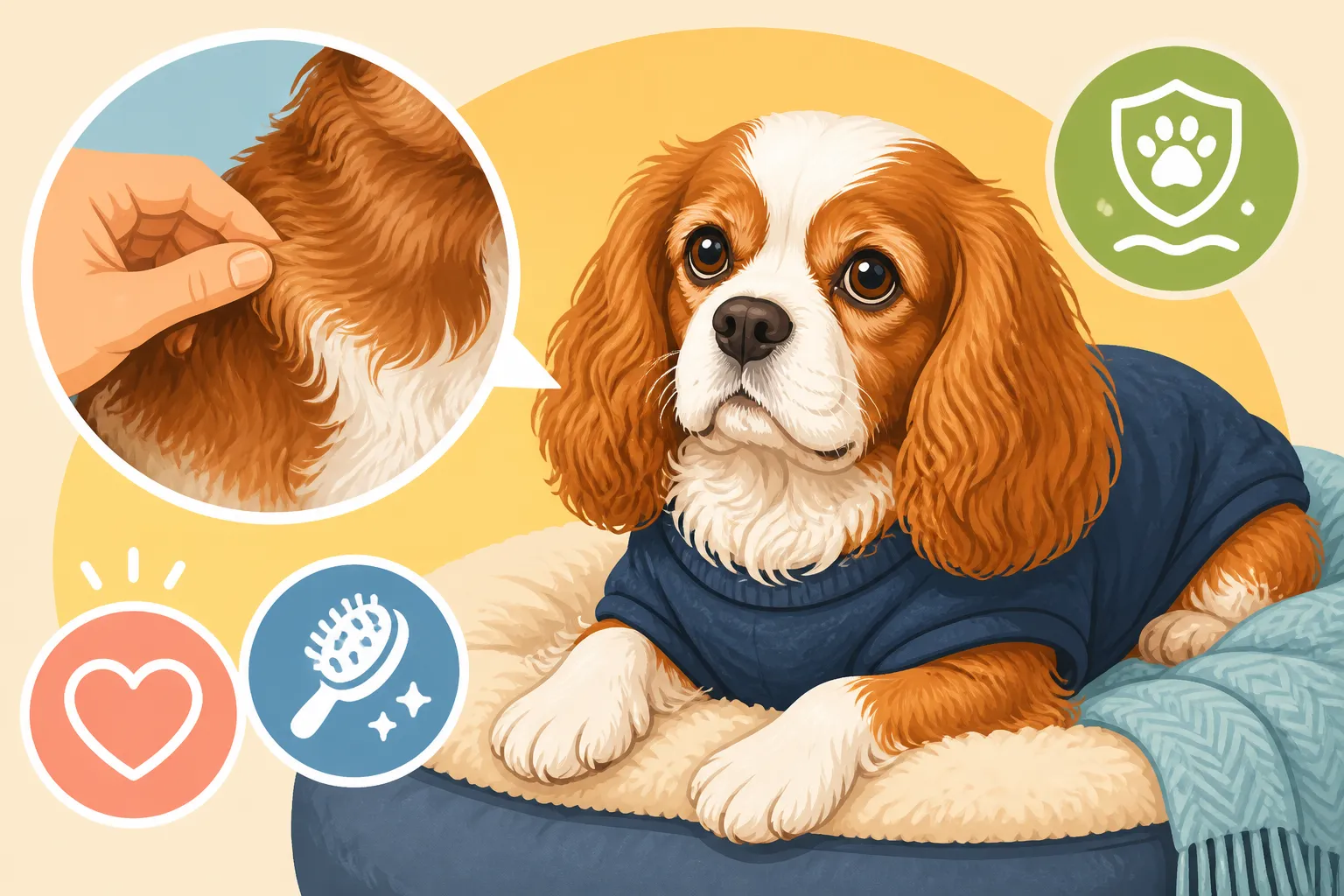
Underneath that changing coat lies equally sensitive skin. An older Cavalier's skin often becomes thinner and loses elasticity, making it more fragile and prone to tears or bruising. You might notice increased dryness, flakiness, or even the appearance of benign age spots or skin tags. This dryness can lead to itchiness, causing your Cavalier to scratch more, which can further irritate their delicate skin and create hot spots or infections.
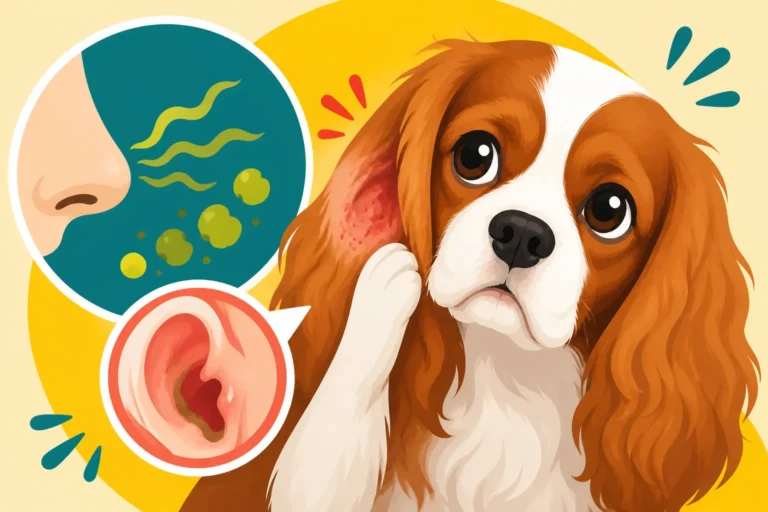
Circulation can also decline, affecting the skin's ability to heal and maintain its protective barrier. Older Cavaliers are more susceptible to skin infections, yeast overgrowths, or other dermatological issues, which can be exacerbated by trapped moisture from inadequate drying after a bath, or persistent matting that prevents air circulation. Always be on the lookout for any redness, unusual odors, or changes in skin texture, as these can be early warning signs that something more serious is brewing beneath the surface. The Smell That Means a Cavalier Ear Infection is a good indicator of how important regular checks are.
How Mobility Issues Impact Grooming
This is perhaps one of the most significant factors affecting grooming in older Cavaliers, and it's where our empathy truly needs to shine. Many senior Cavaliers develop some degree of arthritis, especially in their hips, knees, or spine. Cavalier Knees, Hips and Joint Problems are common, and even mild discomfort can make standing for extended periods, bending their legs for brushing, or simply shifting their weight incredibly painful. Imagine trying to stand still while someone tugs at your hair, all while your joints ache – that's often what a grooming session can feel like for an older dog.
Conditions like Syringomyelia, even if mild, can cause neck pain or sensitivity, making the simple act of touching their head or neck area unbearable. Syringomyelia as a Pre-Existing Cavalier Condition can significantly limit their comfort. Picking them up to place them on a grooming table, or asking them to hold a specific position, might elicit a yelp or a sharp turn of the head, indicating pain. A Cavalier That Yelps When Picked Up is a clear signal that something is wrong. Because of these mobility issues, it's crucial to make grooming sessions much shorter, more frequent, and adapt your approach to minimize any discomfort. This might mean grooming them on the floor on a soft mat, or using a very low, stable table with a supportive pad.
Adapting Your Grooming Routine for Senior Comfort
The key to successfully grooming an older Cavalier isn't necessarily about doing less, but about doing it differently. Your approach needs to be infused with extra patience, gentleness, and a keen eye for your dog's comfort cues.
Gentle Brushing and Detangling Strategies
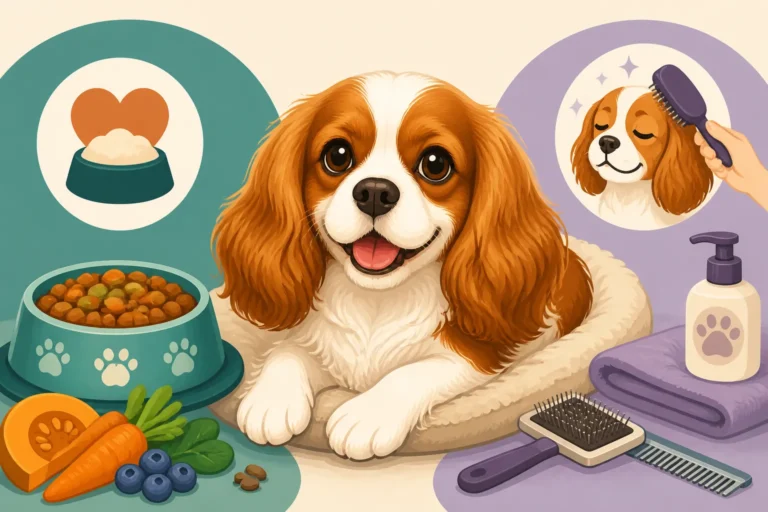
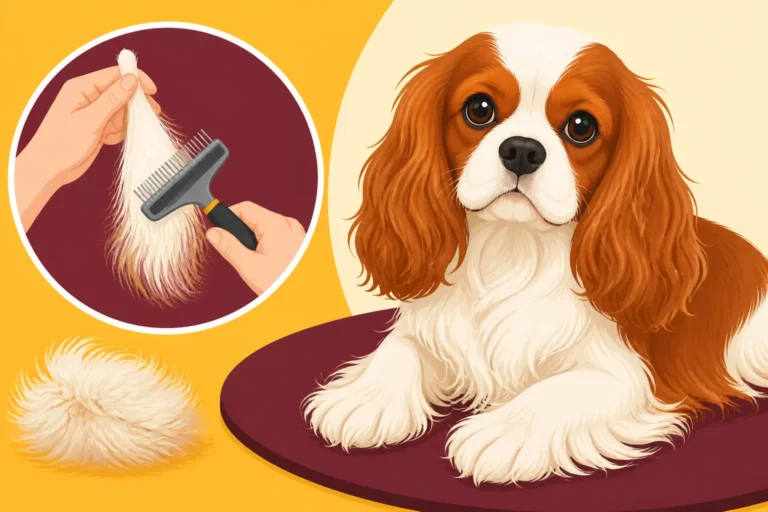
Gone are the days of marathon brushing sessions. For an older Cavalier, shorter, more frequent bursts of brushing are far better. Aim for daily five-minute sessions rather than a weekly half-hour ordeal. When it comes to tools, trade harsh slicker brushes for softer pin brushes or natural bristle brushes that stimulate the skin without scratching. A wide-toothed metal comb is still essential for checking for mats, but use it with extreme care, especially in sensitive areas like armpits, behind ears, and the groin. Chewy offers a great selection of these softer brushes and combs designed for delicate coats.
When you encounter a mat, resist the urge to pull or yank. Instead, isolate the mat, spray it with a good quality detangling spray (many are available on Amazon), and gently work it apart with your fingers, then the wide-toothed comb. Start from the very end of the hair and work your way up to the skin, never pulling from the skin directly. If a mat is tight and causing discomfort, it's better to carefully snip it out with blunt-nosed scissors (always pointing away from the skin) or, even better, seek professional help. Remember, comfort is paramount; a slightly imperfect coat is far preferable to a painful grooming experience that could make your Cavalier dread future sessions.
Bathing an Older Cavalier with Care
Bathing a senior Cavalier requires a delicate touch. Their thinned skin and potential for joint pain mean you need to be extra mindful. First, choose a mild, moisturizing shampoo specifically designed for sensitive skin or aging dogs. Avoid harsh detergents that can strip natural oils and exacerbate dryness. Many natural and oatmeal-based shampoos are available from brands like Earthbath or Burt's Bees, easily found at Chewy.
Ensure the water temperature is comfortably warm – test it on your inner wrist just as you would for a baby. Use a non-slip mat in the tub to prevent slips and falls, which can be terrifying and painful for an older dog. Support their body gently throughout the bath, especially if they struggle to stand. Use a soft washcloth for their face and ears, being careful not to get water directly into their ear canals. After rinsing thoroughly, gently blot their coat with a soft towel, rather than rubbing vigorously. Then, use a low-heat blow dryer, or even just air dry them in a warm room, continuously brushing with a soft brush to prevent tangles and ensure complete drying, particularly in their drop ears, which can easily harbor moisture and lead to infections. The goal is to get them clean without causing chilling or stress.
Prioritizing Comfort Over Aesthetics in Trimming
While we all love the look of a perfectly feathered Cavalier, an older dog's comfort must always take precedence over show-ring aesthetics. This might mean strategic trims that were once avoided. Trimming the hair around their paw pads can prevent slips on smooth floors and keep dirt from getting tracked into the house, which is especially important for senior dogs. A sanitary trim around their rear can prevent fecal matter from clinging to their fur, improving hygiene and preventing discomfort. Hair around their eyes can be gently trimmed to improve vision and prevent irritation, especially if they have Cavalier Eye Disease From Dry Eye to Cataracts.
If you're accustomed to a professional groomer, it's crucial to have a candid conversation about your senior Cavalier's needs. Inform them about any arthritis, sensitive spots, or anxieties. Ask for a "comfort clip" rather than a full show groom. This might involve shortening the feathering on their legs, belly, and ears just enough to prevent matting and make daily maintenance easier for you, while still maintaining the Cavalier look. A good groomer will understand and be happy to work with you to ensure your dog's well-being. Grooming an Older Cavalier That Cannot Stand Long is a service a compassionate groomer should be able to provide.
Addressing Specific Senior Coat and Skin Concerns
Beyond the general grooming routine, older Cavaliers often present specific coat and skin challenges that require targeted attention. Being proactive can prevent minor irritations from escalating into more serious issues.
Managing Dry Skin and Dull Coats
A dull, dry coat can be a symptom of aging, but it can also signal underlying health issues or nutritional deficiencies. If your Cavalier's coat seems lackluster despite a good diet and regular grooming, consult your vet to rule out conditions like hypothyroidism. Nutritionally, supplementing with omega-3 fatty acids can work wonders for skin and coat health. Many excellent fish oil supplements are available on Chewy or Amazon, or you might consider fresh-prepared food services like Ollie that often incorporate beneficial fats. Fish Oil for a Cavalier With Heart Disease is often recommended, and it happens to benefit their coat too.
Environmental factors also play a role. If you live in a dry climate or run a heater frequently in winter, a humidifier can add much-needed moisture to the air, benefiting both your Cavalier's skin and your own. For localized dry patches, your vet might recommend topical moisturizers or medicated sprays. Remember, consistency is key, and it's much easier to prevent severe dryness than to treat it once it's established.
Dealing with Mats and Tangled Feathering
Mats are more than just unsightly; for an older Cavalier, they can be incredibly painful and even dangerous. Tight mats pull on the skin, causing discomfort and limiting movement. They can hide skin infections, parasites, and prevent proper air circulation, leading to moisture buildup and yeast growth. The best defense against mats is prevention through daily, gentle brushing. Focus on those prone areas: behind the ears, armpits, and leg feathering.
If you encounter a mat that's too difficult to comb out gently at home, don't delay seeking professional help. A skilled groomer has the tools and expertise to safely remove mats, often with clippers, which is far less painful than trying to comb out a stubborn tangle. Sometimes, if the matting is severe or widespread, the kindest thing for your Cavalier is a full shave down. While this changes their appearance dramatically, it removes a source of constant pain and allows their skin to breathe and heal. Their coat will grow back. Grooming Prices for a Matted Cavalier can be higher due to the extra time and care required, but it's an investment in your dog's comfort. Don't worry about Whether a Cavalier Should Be Clipped in Summer if it means preventing mats and discomfort for your senior dog.
Preventing and Spotting Skin Infections
Older Cavaliers are more vulnerable to various skin issues, so regular skin checks are vital. During your daily brush, run your hands over your Cavalier's entire body, feeling for any lumps, bumps, scabs, rashes, or areas of heat and tenderness. Pay close attention to skin folds, armpits, and groin, where moisture and friction can create problems. Look for any redness, hair loss, or unusual odors.
Keeping their skin clean and dry, especially after baths or wet walks, is crucial. If your Cavalier has long ear feathering, consider using a snood during meal times to keep their ears out of their food and water, preventing moisture and food residue from contributing to ear or skin infections. Good quality ear cleaners (available from Chewy or your vet) used regularly can also prevent issues. Should you find anything concerning, such as persistent scratching, an open sore, or a strong odor, don't hesitate to contact your veterinarian. Early intervention is always best when dealing with skin infections.
Creating a Positive and Low-Stress Grooming Experience
The success of grooming a senior Cavalier isn't just about the techniques; it's about the entire experience. You want your dog to associate grooming with comfort, gentle touch, and positive attention, not pain or fear.
Setting Up a Comfortable Grooming Space
Think about where you'll groom your Cavalier. A hard, cold tile floor or a high, unstable table can be intimidating or uncomfortable. Ideally, find a quiet, warm spot in your home. Lay down a non-slip mat or a thick, soft blanket for them to stand or lie on. If you use a grooming table, ensure it's low and stable, and cover it with a non-slip, cushioned mat. You can find excellent grooming tables and mats on Amazon. This provides traction and cushioning for their aging joints. Good lighting is also important so you can clearly see what you're doing and spot any skin issues.
For a Cavalier with significant arthritis or Diets Aimed at an Old Cavalier's Knees meaning they struggle to stand, consider grooming them on your lap or while they are lying comfortably on their bed. The key is to reduce any physical strain on their body and create a sense of security and familiarity.
Short, Frequent Sessions and Positive Reinforcement
This cannot be stressed enough: short, frequent sessions are far superior to long, drawn-out ones. Five minutes of gentle brushing twice a day is much better than a stressful 30-minute session once a week. Your Cavalier's stamina, both physical and emotional, will be lower in their senior years. Watch their body language closely – lip licks, yawns, turning their head away, or stiffening can all be signs of discomfort or stress.
Turn grooming into a positive interaction. Offer lots of verbal praise in a calm, soothing voice. Provide high-value Treats That Fit a Cavalier's Small Ration during and immediately after the session. If you notice they're getting tired, anxious, or showing signs of pain, stop immediately. It's better to end on a positive note, even if you haven't finished the entire task, than to push them to a point of distress. You can always pick it up again later.
When Professional Help Becomes Essential
There will come a time when some aspects of grooming your senior Cavalier might become too challenging for you to manage alone. This is not a failure on your part, but a sign of a loving owner recognizing their dog's evolving needs. If your Cavalier becomes excessively anxious, aggressive, or exhibits significant pain during grooming, it's time to seek professional help. This could be a professional groomer experienced with senior dogs, or even your veterinarian.
When working with a groomer, communicate everything. Provide a detailed overview of your Cavalier's health, any medications they're on, their sensitive areas, and their tolerance levels. Some groomers offer mobile services, which can be less stressful for an older dog by keeping them in their familiar environment. Your vet might also offer "sedated grooms" or assistance with nail trims and mat removal if pain or anxiety is severe. Always prioritize your Cavalier's well-being. Knowing when to ask for help is just another way you provide exceptional care for your aging companion.
| Grooming Tool | Purpose for Senior Cavalier | Considerations for Seniors |
|---|---|---|
| Soft Bristle Brush | Daily gentle brushing, coat shine, skin stimulation | Less harsh on thinning skin, softer feel. |
| Wide-Tooth Comb | Gentle detangling, checking for mats | Essential for careful mat detection, prevents pulling on skin. |
| Detangling Spray | Loosens mats, adds moisture to coat | Reduces tugging, makes mat removal less painful. |
| Mild Moisturizing Shampoo | Cleans without stripping natural oils, hydrates skin | Prevents dryness, ideal for sensitive skin. |
| Non-Slip Bath Mat | Provides traction in the tub, prevents falls | Crucial for stability and confidence for dogs with mobility issues. |
| Blunt-Nose Scissors | Safely snips out small, stubborn mats | Use with extreme caution, always point away from skin. |
| Nail Clippers/Grinder | Keeps nails short to prevent discomfort and paw issues | Opt for quiet grinder if clippers cause stress, do frequently to keep nails short. |
| Soft Towels | Gentle drying, prevents chilling | Less rubbing, more blotting. |
| Snood | Keeps ears clean and dry during meals | Prevents food/water from matting ear feathering, reduces ear infection risk. |
Disclaimer
This article is for general informational purposes only and does not constitute professional advice. Laws, prices and regulations vary by location and change over time. Consult a qualified professional for guidance on your specific situation.