Whether a Cavalier Is the Right Dog for You
Bringing a new dog into your life is a huge decision, and for many, the adorable, sweet-faced Cavalier King Charles Spaniel seems like the perfect fit. But beneath that charming exterior lies a complex little dog with specific needs, a rich history, and some significant health considerations that potential owners absolutely must understand. It's easy to fall in love with their looks, but this guide is here to help you dig deeper, offering a realistic look at whether a Cavalier truly aligns with your lifestyle, expectations, and preparedness for the journey ahead.
Understanding the Cavalier Temperament: More Than Just a Lapdog
Cavaliers are renowned for their loving, gentle, and eager-to-please nature. They truly want to be part of the family, and that desire shapes much of their behavior and needs. It's this sweet disposition that often draws people in, picturing a serene companion curled up by their side. And while that picture isn't entirely wrong, it's also not the whole story.
The "Velcro" Nature and Need for Companionship
If you've heard the term "Velcro dog," it was probably coined with a Cavalier in mind. These dogs crave companionship and connection with their people. They aren't content to be left alone for long stretches, nor are they the type of dog that will happily entertain themselves in another room while you work or relax. They want to be with you, always.
This means if you head to the kitchen, your Cavalier will likely follow. If you go to the bathroom, expect a little nose under the door or a patient wait just outside. For some, this constant presence is endearing, a comforting reminder of their dog's love. For others, it can become overwhelming, especially if they value personal space or need to focus on tasks without interruption. The reality is, a Cavalier thrives on interaction. A home where someone is usually present, or where the dog can be involved in daily activities, is ideal. Otherwise, you might find yourself with a deeply anxious dog. I've heard countless stories of Cavaliers howling or chewing on furniture the moment their owners step out, even for a short time. This isn't naughtiness; it's genuine distress. If you're wondering how much they really need you, explore Why a Cavalier Follows You Room to Room.
Affectionate and Gentle: Ideal for Families?
Cavaliers generally have an excellent reputation as family dogs, and for good reason. Their gentle disposition makes them wonderful companions for children, often tolerating the occasional clumsy pat or enthusiastic hug with grace. They typically aren't prone to aggression, preferring to snuggle rather than squabble.
However, "gentle" doesn't mean "indestructible." Like all small dogs, Cavaliers can be easily injured by rough play, especially by very young children who haven't yet learned how to interact respectfully with animals. Supervision is always crucial. Teaching children how to be gentle and understanding dog body language is paramount to ensuring a harmonious household. Similarly, their amiable nature often extends to other pets. Many Cavaliers happily share their home with cats, other dogs, and even smaller critters, provided introductions are managed carefully. They often see other house pets as additional members of their pack, or simply more friends to cuddle with.
The Sporting Spaniel Instinct Beneath the Cuddles
While today's Cavalier King Charles Spaniel is primarily a companion dog, it's vital to remember their lineage. These are spaniels, and deep down, many retain some of those historical instincts. They might not be flushing pheasants on a grand estate anymore, but you'll certainly see glimpses of their hunting heritage.
This often manifests as a surprisingly strong prey drive. A Cavalier might be snoozing peacefully on your lap one moment, but the sight of a squirrel, bird, or even a blowing leaf outside the window can transform them into a focused, determined hunter. This is why a secure yard is non-negotiable, and why consistent leash use during walks is absolutely essential. Many Cavaliers have little to no "street sense" and will dart into traffic if they spot something interesting. They are easily distracted by scents and movement, which can make off-leash recall a significant challenge in unfenced areas. Understanding this hidden side of their personality is crucial for their safety and your peace of mind. For a deeper dive into this historical trait, consider The Spaniel Instincts Left in a Cavalier.
Exercise Needs and Activity Levels: Beyond the Sofa Sprint
It’s easy to look at a Cavalier and assume they are purely ornamental couch potatoes. They certainly excel at napping and cuddling, which is part of their charm. However, dismissing their need for physical and mental activity is a disservice to the breed and can lead to behavioral issues and an unhealthy weight. They are not high-energy sporting dogs, but they are far from sedentary.
Moderate Exercise Requirements
A Cavalier needs more than just a quick trip into the backyard to stretch their legs. They generally require at least 30-60 minutes of daily activity, split into a couple of walks or play sessions. This isn't about running marathons; it's about consistent, enjoyable movement. A brisk walk around the neighborhood, a playful romp in a securely fenced park, or even an engaging game of fetch indoors can satisfy their physical needs.
Without adequate exercise, a Cavalier can become restless, prone to weight gain (which is particularly detrimental to their health, as we'll discuss later), and may exhibit undesirable behaviors like excessive barking or destructive chewing born out of boredom. Imagine being cooped up all day with energy to burn—you'd find ways to amuse yourself, too! These dogs are relatively adaptable, but ignoring their need for movement will not make for a happy, healthy companion.
Apartment Living and City Life Suitability
One of the great appeals of the Cavalier is their suitability for various living situations, including apartments and urban environments. Their small size and generally moderate exercise requirements mean they don't necessarily need a sprawling backyard to thrive. As long as their daily needs for walks and mental stimulation are met, they can be perfectly content in a smaller living space.
However, apartment or city living comes with its own set of considerations. Access to safe outdoor spaces for potty breaks and walks becomes paramount. You'll need to be committed to taking them out multiple times a day, regardless of weather. Dog parks can be a great option for safe off-leash play, but always exercise caution and ensure your Cavalier interacts well with other dogs. The noise and hustle of a city can also be overwhelming for some more sensitive Cavaliers, so early socialization is key. While they can adapt, it requires a dedicated owner to ensure their needs are truly met. For more thoughts on this, you might find Why a Cavalier Suits an Apartment helpful.
Training and Mental Stimulation
Beyond physical exercise, Cavaliers are bright little dogs who benefit immensely from mental stimulation and consistent training. While they are often described as "easy to train" due to their eagerness to please, this doesn't mean they don't need it. Without proper guidance, even a sweet Cavalier can develop bad habits.
Positive reinforcement methods work best with their sensitive nature. Harsh corrections can easily break their spirit and make them fearful. Short, fun training sessions incorporated into daily life are more effective than long, arduous ones. Think of it as a game rather than a chore. Puzzle toys, scent games, and even learning simple tricks can keep their minds engaged and prevent boredom. This mental workout is just as important as physical exercise for a well-adjusted Cavalier. Remember, Training a Cavalier With Praise Rather Than Pressure is the way to go.
Grooming a Cavalier: The Reality of That Luxurious Coat
That beautiful, silky coat is undeniably part of the Cavalier's charm. The long feathering on their ears, chest, legs, and tail gives them an elegant, regal appearance. But that beauty comes with a commitment to regular grooming. This isn't a wash-and-wear breed, and neglecting their coat can quickly lead to painful problems.
Brushing Requirements and Matting Risks
To keep a Cavalier's coat looking its best and, more importantly, to keep your dog comfortable, regular brushing is non-negotiable. Aim for at least two to three times a week, though daily brushing is ideal, especially for dogs with particularly heavy feathering or during shedding seasons. This isn't just a quick run-through; you need to thoroughly brush all areas, paying special attention to common matting spots.
The areas most prone to matting are behind the ears, in the armpits, on the chest, and in the "pantaloons" (feathering on the back legs). These spots collect dirt, dead hair, and moisture, quickly forming tight, painful mats that pull on the skin. Neglected mats can lead to skin irritation, infections, and can be incredibly uncomfortable for your dog. Removing severe mats often requires shaving, which can be stressful for the dog and may alter the coat texture. A good quality slicker brush and a metal comb are your best friends in this endeavor. Learn more about the specifics in Brushing a Cavalier's Feathering Three Times a Week.
Ear Care: A Constant Battle
The Cavalier's long, silky drop ears are iconic, but they also present a unique grooming and health challenge. Their ears hang down, covering the ear canal, which creates a warm, moist environment – the perfect breeding ground for yeast and bacteria. This makes Cavaliers notoriously prone to ear infections.
Regular ear checks are crucial. You need to lift their ear flaps daily, inspect the canal for redness, discharge, or any unusual odor. Weekly cleaning with a vet-approved ear cleaner is often recommended to help prevent infections. It's also wise to invest in a snood, a fabric tube that keeps their ears out of their food and water bowls, preventing them from getting wet and dirty. Trust me, it's much easier to prevent an infection than to treat one! Keeping those beautiful ears clean and dry is a vital part of their overall health. For a detailed guide on proper ear hygiene, check out Cavalier Ear Care Under a Heavy Drop Ear.
Professional Grooming vs. At-Home Maintenance
While a significant amount of Cavalier grooming can be done at home with the right tools and knowledge, many owners opt for professional grooming every 6-8 weeks. A professional groomer can provide a thorough bath, blow-dry, de-shedding treatment, and sanitary trims, along with tidying up the feathering to keep it looking neat without losing its natural elegance.
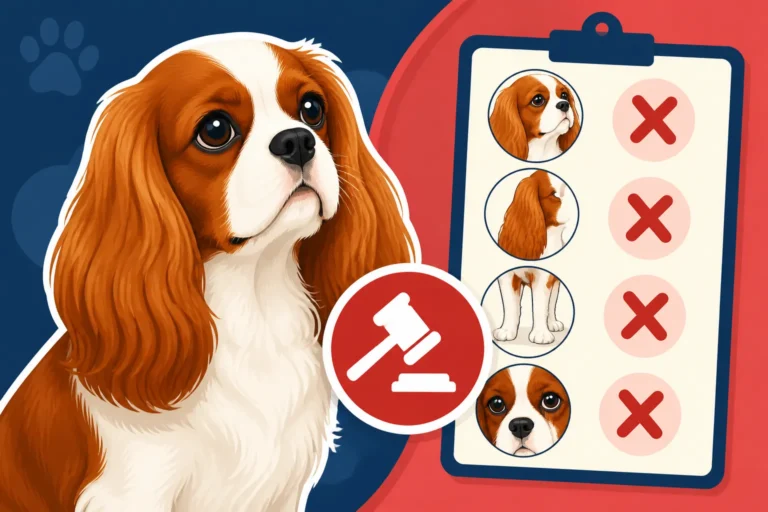
It's important to find a groomer who understands the Cavalier coat and breed standard. Traditionally, Cavaliers are "hand-stripped" or minimally trimmed, not shaved down, as this can permanently alter the texture of their single coat. A good groomer will also be able to spot early signs of ear infections, skin issues, or matting that you might have missed. Balancing your home care routine with professional visits can ensure your Cavalier stays comfortable and beautiful. To understand what to expect and what to avoid, reading What a Cavalier Groomer Should and Should Not Cut is highly recommended.
Health Concerns: The Unavoidable Truth
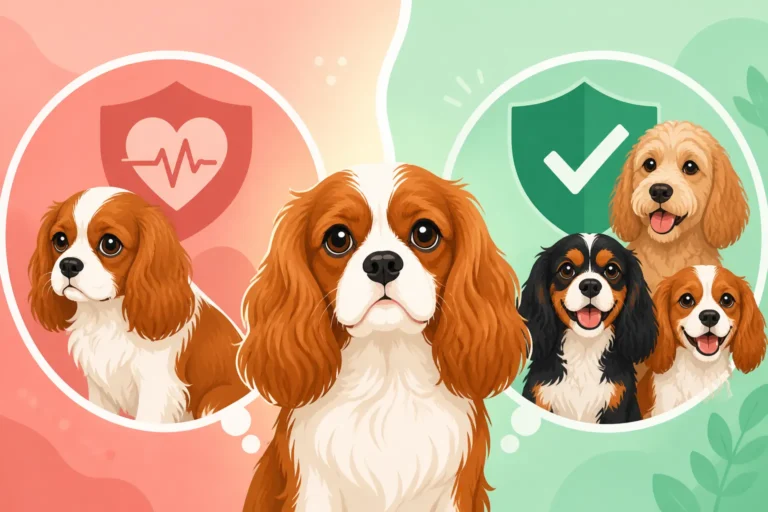
This is perhaps the most critical section for any potential Cavalier owner. While incredibly loving and charming, the Cavalier King Charles Spaniel is a breed with a notoriously high prevalence of several serious inherited health conditions. Understanding these is not meant to scare you, but to prepare you for the potential realities of owning a Cavalier. Responsible ownership begins with knowledge.
Mitral Valve Disease MVD: The Breed's Achilles' Heel
Mitral Valve Disease (MVD) is by far the most prevalent and devastating health issue in the Cavalier King Charles Spaniel. It's a progressive degenerative heart condition that affects nearly all Cavaliers as they age, often starting much younger than in other breeds. It's so common that it's often said if a Cavalier lives long enough, it will develop MVD.
The disease causes the mitral valve in the heart to thicken and leak, leading to a heart murmur, and eventually, congestive heart failure. Symptoms can include coughing, reduced exercise tolerance, and difficulty breathing. This isn't just an "old dog" problem; many Cavaliers develop a murmur by age five, and some even younger. Managing MVD often involves lifelong medication, frequent vet visits, and significant financial and emotional strain as you watch your beloved pet decline. It's heartbreaking but a very real part of the Cavalier experience for many owners. Educating yourself on this condition is vital, starting with Mitral Valve Disease in the Cavalier King Charles Spaniel.
Syringomyelia SM: Understanding the Brain and Skull Issue
Syringomyelia (SM) is another devastating neurological condition prevalent in Cavaliers. It's often linked to Chiari-like malformation (CM), where the skull is too small for the brain, causing pressure and disrupting the flow of cerebrospinal fluid. This fluid then forms fluid-filled cavities (syrinxes) within the spinal cord, leading to chronic pain and neurological deficits.
Symptoms can range from mild discomfort to severe, debilitating pain. Owners often describe "phantom scratching," where the dog scratches at the air near its shoulder or neck without making contact with its skin. Other signs include yelping when picked up, sensitivity to touch, head-pressing, weakness, and altered gait. Diagnosis typically requires an MRI scan, which is costly and requires anesthesia. Treatment usually involves pain management medication, and in severe cases, surgery may be considered. Living with a Cavalier with SM requires immense patience, dedication, and a deep understanding of their pain. To understand the intricacies, read Syringomyelia and Chiari Malformation in Cavaliers.
Other Common Health Issues
Beyond MVD and SM, Cavaliers are predisposed to several other conditions that potential owners should be aware of:
- Eye Conditions: Cavaliers are prone to various eye issues, including dry eye syndrome (where the tear ducts don't produce enough tears), cataracts, and retinal dysplasia. Regular eye exams by a veterinary ophthalmologist are recommended. Cavalier Eye Disease From Dry Eye to Cataracts provides more detail.
- Patellar Luxation: This is a condition where the kneecap slips out of place, causing lameness or a "skipping" gait. It can range from mild to severe and may require surgical correction.
- Hip Dysplasia: While more commonly associated with larger breeds, Cavaliers can also suffer from hip dysplasia, an abnormal formation of the hip socket that can lead to arthritis and pain.
- Episodic Falling Syndrome (EFS): This is a genetic neurological disorder unique to Cavaliers, causing episodes of muscle rigidity and collapse, often triggered by excitement, stress, or exercise. The dog remains conscious during these episodes. There is a DNA test available for EFS, which responsible breeders utilize. For a better grasp of this condition, refer to Episodic Falling Syndrome in a Cavalier.
The crucial takeaway here is the importance of choosing a puppy from a reputable breeder who conducts extensive health testing on their breeding stock for all these conditions. This doesn't guarantee a perfectly healthy dog, but it significantly reduces the risk.
The Financial Commitment: Beyond the Puppy Price
Owning a Cavalier is not just an emotional investment; it's a significant financial one. Many prospective owners only consider the initial purchase price, but the ongoing costs, especially given the breed's health predispositions, can be substantial. Being prepared for these expenses is a crucial part of responsible ownership.
Initial Costs: Puppy Price and Setup
The cost of a Cavalier puppy from a truly reputable breeder, one who performs all recommended health screenings for MVD, SM, EFS, eyes, and patellas, will reflect that investment. These prices can vary widely based on location and the breeder's specific practices, but generally, you should expect to pay a premium for a well-bred puppy. The old adage "you get what you pay for" often holds true in the world of purebred dogs, and a "cheap" Cavalier often comes with a much higher price tag down the line in veterinary bills. For a realistic overview, check out The Price Range Cavalier Breeders Actually Quote.
Beyond the puppy itself, you'll have initial setup costs:
- Crate or pen: Essential for house training and providing a safe space.
- Food bowls, leash, collar/harness: Daily necessities.
- Toys and chews: To keep them entertained and redirect destructive chewing.
- Initial vet visits: Puppy vaccinations, deworming, and a general health check.
- Training classes: Highly recommended for socialization and basic obedience.
These initial expenses can quickly add up, so factor them into your budget before you even bring your puppy home.
Ongoing Monthly and Yearly Expenses
Once your Cavalier is settled, the financial commitment continues with regular, predictable expenses:
- Food: A high-quality small breed dog food is essential.
- Treats: For training and enrichment.
- Preventatives: Monthly flea, tick, and heartworm medication.
- Annual vet check-ups: Including vaccinations and routine blood work as they age.
- Grooming: Whether DIY with supplies or regular professional appointments.
- Pet insurance: Highly recommended for Cavaliers due to their health predispositions.
- Miscellaneous supplies: Poop bags, shampoo, ear cleaner, replacement toys.
Many owners find it helpful to automate some of their recurring purchases. For example, using online retailers like Chewy can simplify ordering food, treats, and preventatives, often with scheduled deliveries. These costs can easily run into the hundreds of dollars per month, depending on your choices. A detailed breakdown can be found in What a Cavalier Costs a Year Before Any Heart Bills.
Unexpected Medical Bills and Lifelong Care
This is where the financial aspect of Cavalier ownership can become truly daunting. Due to the high incidence of MVD and SM, it's not a matter of if your Cavalier will face a significant health challenge, but often when. Managing these conditions involves:
- Specialist consultations: Cardiologists for MVD, neurologists for SM.
- Diagnostic tests: Echocardiograms for heart disease, MRI scans for SM.
- Lifelong medication: Heart medications (like pimobendan and diuretics), pain relievers for SM.
- Emergency visits: For acute heart failure or severe pain episodes.
- Potential surgeries: Mitral valve repair (rare and extremely costly) or SM decompression surgery.
These unexpected medical bills can easily reach thousands, if not tens of thousands, of dollars over a Cavalier's lifetime. Pet insurance can be a lifesaver, but it's crucial to enroll your puppy early, before any pre-existing conditions (like a heart murmur) are diagnosed. Without insurance, you need a substantial emergency fund set aside specifically for your dog's health needs. It’s not an exaggeration to say that What Cavalier Heart Disease Costs to Treat alone can bankrupt unprepared owners.
| Expense Category | Example Costs | Frequency |
|---|---|---|
| Initial Purchase | Reputable Breeder Puppy (varies widely) | One-time |
| Setup Supplies | Crate, bed, bowls, collar, leash, initial toys, grooming tools | One-time |
| Routine Vet Care | Annual check-ups, vaccinations, parasite prevention | Annually / Monthly |
| Food & Treats | High-quality kibble, wet food, dental chews | Monthly |
| Grooming | Professional grooming, at-home supplies (shampoo, brushes) | Every 6-8 weeks |
| Pet Insurance | Comprehensive policy for accidents, illness, chronic conditions | Monthly |
| Emergency Fund | Recommended savings for unexpected medical issues | Ongoing saving |
| Specialist Visits | Cardiologist, neurologist consultations, diagnostics (e.g., echo, MRI) | As needed (can be |
| yearly for MVD) | ||
| Medications | Heart medications, pain management for SM | Monthly (long-term) |
Time Commitment: A Cavalier's Need for Presence
Beyond the financial and grooming aspects, the most significant commitment you make to a Cavalier is your time and presence. These dogs were bred for companionship, and they excel at it, but they genuinely suffer when left alone for extended periods. This isn't just about walks; it's about being a consistent, loving presence in their lives.
How Many Hours Can a Cavalier Be Left Alone?
This is a critical question for many modern households, and the honest answer is: not many. A Cavalier King Charles Spaniel is truly not suited to being left alone for 8-10 hours a day while their owners are at work. Their extreme attachment to their human companions makes them highly prone to separation anxiety.
When a Cavalier is left alone too long or too frequently, you might see destructive chewing (door frames, furniture), excessive barking or howling, inappropriate urination or defecation, or even self-harm due to stress. These aren't signs of a "naughty" dog; they are distress signals. Ideally, a Cavalier should not be left alone for more than 3-4 hours at a time, especially when they are young. If you work outside the home, you'll need a solid plan: a trusted dog walker, doggy daycare, or perhaps a family member who can check in on them. For a deeper understanding of this common issue, exploring Living With a Cavalier That Panics When Alone is a must.
Integration into Daily Life and Routines
Cavaliers thrive on routine and feeling like an integral part of the family's daily rhythm. They love to know what's coming next and appreciate predictability. This means factoring them into your daily schedule: designated walk times, consistent feeding schedules, and regular play sessions.
They genuinely want to be where the action is. If you're cooking, they'll be nearby. If you're watching TV, they'll want to be on the sofa with you. This isn't a breed that will be content to spend its days isolated in a separate part of the house. Their social nature means they often adapt well to traveling with their owners, provided they are well-socialized and accustomed to different environments. However, planning for pet-friendly accommodations and ensuring their comfort during travel becomes part of the routine.
Preparing for the Senior Years
Cavaliers, like all dogs, will age, and their needs will change. Given their propensity for chronic health conditions, the senior years (typically starting around age 8 or 9) can bring increased care requirements and medical management.
An older Cavalier might need more frequent vet visits, multiple medications daily, assistance with mobility (like ramps for furniture or stairs), and a softer bed to soothe aching joints. They might also become less tolerant of noise or changes in routine. Emotionally, preparing for these years means understanding that their joyful spirit might be tempered by pain or discomfort, and your role will shift to providing comfort and managing their quality of life. The emotional toll of caring for a senior Cavalier, especially one battling heart failure or severe SM, is profound. Understanding what to expect as they age can help you be better prepared; Caring for a Cavalier Past Nine offers valuable insights.
Making the Decision: Is a Cavalier Your Perfect Match?
After exploring the unique temperament, exercise needs, grooming demands, significant health concerns, and substantial financial and time commitments associated with the Cavalier King Charles Spaniel, you're better equipped to answer the crucial question: Is this the right dog for you? It's a decision that requires honest self-reflection and a realistic assessment of your lifestyle.
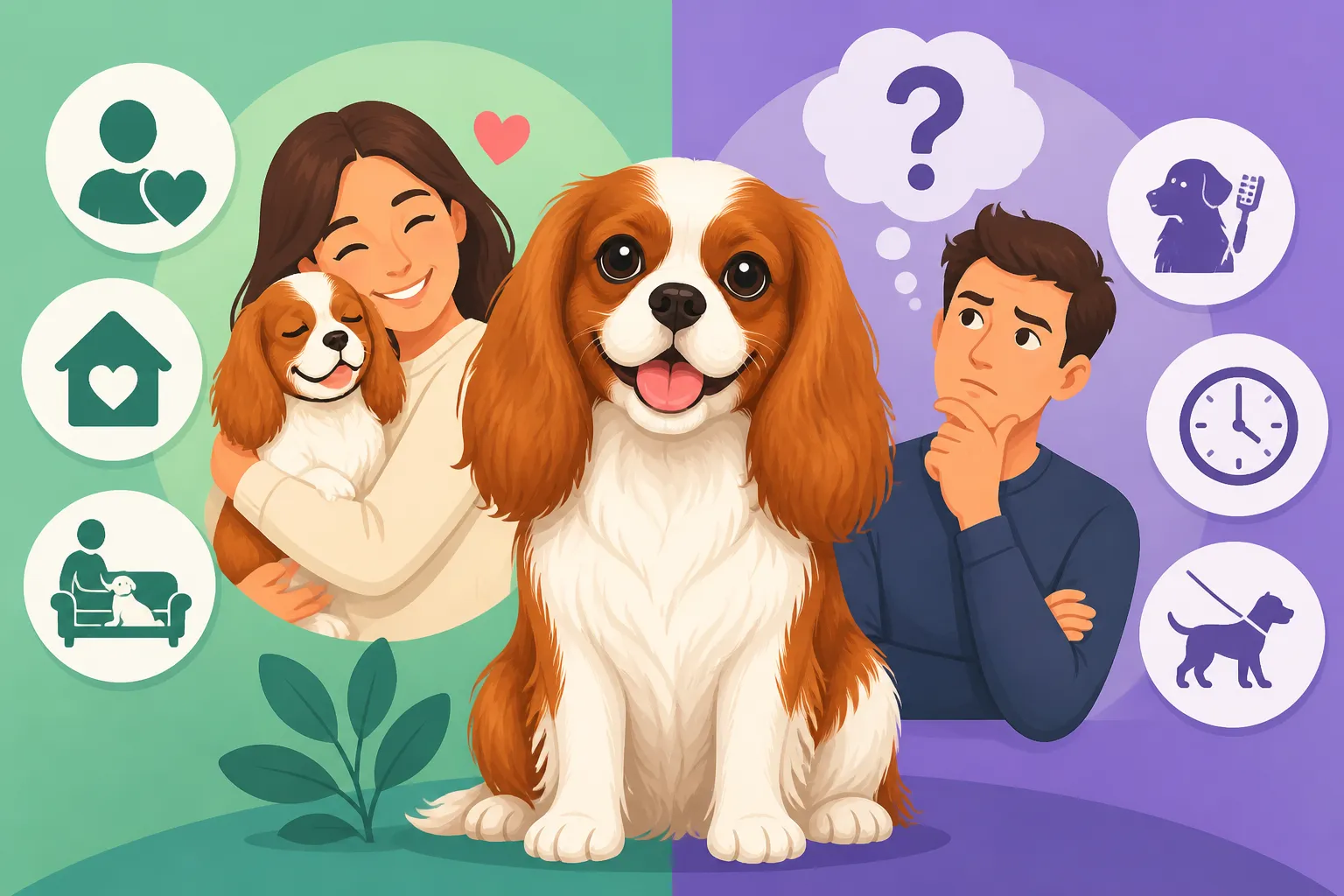
Ideal Owner Profile
The ideal Cavalier owner is typically someone who:
- Spends a significant amount of time at home: Retirees, work-from-home professionals, or families with stay-at-home parents are often excellent fits.
- Values close companionship: Someone who truly enjoys having their dog by their side almost constantly.
- Is patient and gentle: Especially when it comes to training and managing their sensitive nature.
- Is financially stable and prepared for significant veterinary expenses: Or has comprehensive pet insurance from a young age and a robust emergency fund.
- Is committed to consistent grooming: Ready to brush regularly and manage ear care.
- Understands the breed's health challenges: And is prepared to advocate for their dog's health, seek specialist care, and provide long-term medical management if needed.
- Can provide moderate daily exercise and mental stimulation: Not just physical activity but engaging their intelligent minds.
Self-Assessment: Are You Ready?
Take a moment to honestly consider these questions:
- Can I truly provide near-constant companionship, or do I need a dog that is comfortable being alone for long periods?
- Am I prepared for the daily grooming routine, including brushing and ear checks, and the potential costs of professional grooming?
- Do I have the financial resources, either through savings or comprehensive insurance, to handle potential lifelong medical conditions like MVD and SM, which can be very expensive?
- Am I committed to finding a reputable breeder who performs all recommended health tests, even if it means a higher initial cost and a waitlist?
- Am I ready for the emotional challenges of potentially caring for a dog with chronic pain or a progressive heart condition?
- Does my lifestyle accommodate daily walks and mental enrichment, regardless of the weather?
- Do I understand that this sweet face comes with a strong prey drive, making off-leash adventures in unfenced areas risky?
Be realistic with your answers. It's far better to realize a Cavalier might not be the best fit now than to bring one home and struggle to meet its needs.
The Joy and Rewards of Cavalier Companionship
Despite the significant challenges, there's a reason so many people adore Cavaliers and wouldn't trade their experiences for anything. The joy and unconditional love a Cavalier brings into a home are truly immeasurable. They are famous for their affectionate nature, their ability to comfort, and their eager-to-please attitude.
A Cavalier is more than just a pet; they become a devoted family member, a shadow, a confidante, and a constant source of warmth and laughter. Their soulful eyes and wagging tails have a way of brightening even the darkest days. For those who are fully prepared for the responsibilities and challenges, the bond forged with a Cavalier King Charles Spaniel is one of the deepest and most rewarding connections you'll ever experience. They give back so much more than they ask for, in every moment of shared life, if you are truly ready to receive it.
Disclaimer
This article is for general informational purposes only and does not constitute professional advice. Laws, prices and regulations vary by location and change over time. Consult a qualified professional for guidance on your specific situation.