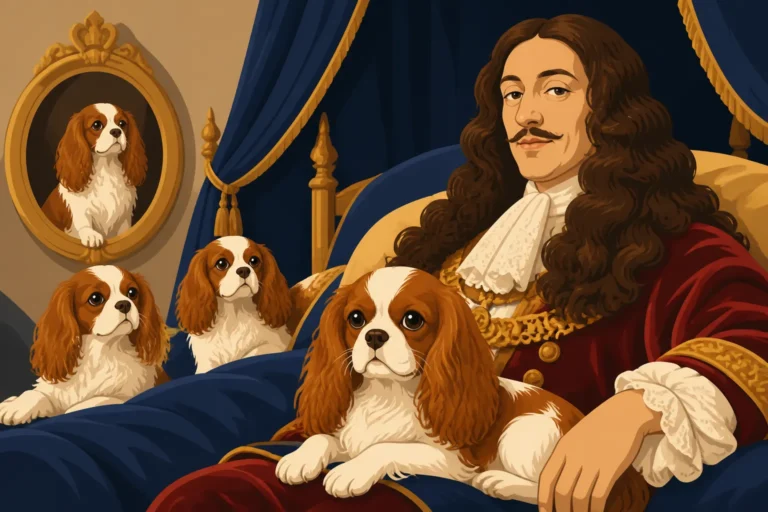
When AKC Cavalier Registrations Opened
It's easy to look at the Cavalier King Charles Spaniel today, a beloved and popular breed, and assume they've always held a prominent place in the American Kennel Club. But the truth is, the journey to official AKC recognition for our cherished Cavaliers was a long and arduous one, marked by passionate advocacy, careful breed distinctions, and a lot of dedicated effort. Many new owners, and even some who've loved Cavaliers for years, are surprised to learn that this historical breed only achieved full AKC status relatively recently. This guide will take you through the fascinating history of how Cavaliers finally earned their official place in the American show ring and opened registrations for all.
The Long Road to American Kennel Club Recognition
For a breed with such a rich history dating back to royalty, it might seem puzzling that the Cavalier King Charles Spaniel took so long to gain full recognition and open registrations with the American Kennel Club. Unlike some breeds that arrived on American shores and quickly found their way into official registries, the Cavalier faced a unique set of circumstances that made their path a true marathon, not a sprint. It speaks volumes about the dedication of early enthusiasts who tirelessly worked to establish the breed's distinct identity and ensure its proper place in the canine world. This wasn't just about showing off pretty dogs; it was about preserving a lineage and ensuring responsible breeding.
Early Admirers and the Search for the "Old Type"
The story of the modern Cavalier really begins in the early 20th century in England, where efforts were underway to revive the "old type" of Toy Spaniel seen in historical paintings – dogs with longer muzzles, flatter skulls, and a more active temperament, distinct from the popular flat-faced King Charles Spaniels of the Victorian era. The Court Spaniels the Cavalier Descends From tells us more about these royal ancestors. An American man named Roswell Eldridge played a pivotal role, offering prize money at Crufts in the 1920s for dogs resembling these older depictions. His vision sparked a revival, and these "old type" dogs eventually became what we know as the Cavalier King Charles Spaniel.
As these beautiful dogs began to gain traction in the UK, a few intrepid individuals started importing them to the United States. These early American admirers immediately fell in love with their charming, affectionate nature and elegant appearance. They saw a dog that was more than just a companion; it was a living piece of history, deserving of its own distinct recognition. However, establishing a new breed in a formal registry like the AKC is no small feat. It requires significant numbers, geographic distribution, and a clear, consistent breed standard. The initial numbers were small, and the efforts were largely decentralized among passionate hobbyists.
The Challenge of Distinguishing from King Charles Spaniels
One of the most significant hurdles the Cavalier faced in gaining AKC recognition was the pre-existence of a similar-sounding, though distinctly different, breed: the King Charles Spaniel, known in the UK as the English Toy Spaniel. Imagine trying to explain to a governing body that your "King Charles Spaniel" is actually different from the other "King Charles Spaniel" already on their books! It was a genuine point of confusion and a major source of frustration for Cavalier enthusiasts.
The King Charles Spaniel had been recognized by the AKC for decades, characterized by its domed head, shorter muzzle, and somewhat less active demeanor. The newly emerging Cavalier, with its longer muzzle, flatter skull, and larger eyes, clearly presented a different physical and temperamental profile. Breeders had to meticulously document these differences, creating a robust argument for separate breed status. They poured over historical texts, compared anatomical features, and highlighted the distinct personalities of the Cavaliers. This wasn't just about aesthetics; it was about genetic integrity and ensuring the unique characteristics of the Cavalier were understood and preserved. Without this clear distinction, the AKC might have simply considered them a variation of an existing breed, denying them their own identity. Why Cavalier and King Charles Spaniel Mean Two Dogs delves deeper into this historical separation.
Provisional Status and the Road to Full Acceptance
Even after initial efforts to differentiate the Cavalier, the path to full AKC registration was not immediate. The American Kennel Club has a rigorous process for recognizing new breeds, and rightly so. They need to ensure a breed has a stable population, a consistent type, a clear standard, and a dedicated parent club to uphold its integrity. This period of "provisional status" was a crucial interim phase, allowing the breed to grow and prove itself before achieving the coveted full recognition. It was a time of intense organizational effort, where the sheer willpower of dedicated Cavalier owners made all the difference.
The Cavalier King Charles Club, USA's Founding Mission
Recognizing the need for a unified front, dedicated Cavalier owners in the United States formed the Cavalier King Charles Club, USA (CKCSC, USA) in 1956. This wasn't just a social club; it was a powerful advocacy group with a singular mission: to gain AKC recognition for the Cavalier King Charles Spaniel. These early members were fiercely protective of the breed's distinct characteristics and understood that only a strong, organized effort could achieve their goal. They committed themselves to establishing a robust registry, promoting responsible breeding practices, and educating the public about the true Cavalier.
The CKCSC, USA took on the monumental task of maintaining its own studbook, ensuring accurate pedigrees, and upholding a strict breed standard, all while operating outside the AKC's umbrella. This meticulous record-keeping was vital, as it provided the evidence the AKC would eventually demand regarding the breed's stability and consistency. Imagine the countless hours spent verifying lineages, confirming health clearances, and organizing events to showcase these dogs! It was a labor of love, driven by a deep commitment to the future of the Cavalier in America. Their work laid the essential groundwork for eventual acceptance, demonstrating that the breed had a committed and organized following.
Meeting the AKC's Stringent Requirements
Gaining full AKC recognition is a demanding process. The AKC requires a breed to demonstrate a significant population across a broad geographical area, ensuring genetic diversity and national presence. They also require a clear, written breed standard that consistently describes the ideal dog. Furthermore, they look for evidence of health testing and responsible breeding practices within the parent club. For the Cavalier, this meant years of careful planning, diligent record-keeping, and widespread cooperation among breeders.
The CKCSC, USA worked tirelessly to meet these stringent criteria. They organized regional clubs, encouraged new breeders, and painstakingly collected data on temperament, conformation, and, crucially, health. This was particularly important given some of the health challenges that would later become more widely recognized in the breed, such as heart disease. The Heart Testing a Cavalier Breeder Must Do was something these early advocates understood the importance of. They needed to show the AKC that the Cavalier was not just a passing fad, but a legitimate breed with a dedicated community committed to its long-term well-being. This included demonstrating that the breed had enough individuals to sustain itself without resorting to excessive inbreeding, and that these individuals consistently met the aesthetic and physical standards expected. It was a complex, multi-faceted effort that required patience, persistence, and unwavering belief in the breed.
The Historic Day: AKC Registration Opens
After decades of dedicated effort, the moment finally arrived. The persistent advocacy of the Cavalier King Charles Club, USA, the growth of the breed across the country, and the undeniable charm of the Cavaliers themselves, finally won over the American Kennel Club. This was a day many had dreamed of, worked for, and perhaps, at times, doubted would ever come. The official recognition was not just a formality; it was a validation of the breed's distinct identity and its rightful place among America's most beloved dogs.
The Official Date and What It Meant
On January 1, 1996, the American Kennel Club officially opened its studbook for the Cavalier King Charles Spaniel, granting them full recognition as a member of the Toy Group. This was a monumental day for every Cavalier enthusiast in the United States. It meant that Cavaliers could now be officially registered with the AKC, compete in all AKC-sanctioned events – from conformation shows to obedience trials, rally, and agility – and benefit from the widespread infrastructure and prestige that came with AKC recognition.
For breeders, it provided a new level of legitimacy and a broader platform to showcase their dogs and connect with potential owners. For owners, it meant their beloved companions were now part of a nationally recognized registry, opening doors to a world of dog sports and activities. This wasn't just a symbolic gesture; it was a practical change that significantly impacted the breed's trajectory in America. It marked the culmination of years of hard work by countless individuals who believed in the Cavalier's unique qualities and were determined to see them formally recognized.
The Impact on Cavalier Breeding and Ownership in America
The opening of AKC registrations profoundly impacted the Cavalier King Charles Spaniel community. Suddenly, the breed was thrust into a much larger spotlight, gaining exposure to a vast audience of dog lovers who might not have previously known about them. This newfound visibility led to a significant increase in demand for Cavaliers. People across the country, seeing them compete at prestigious dog shows and featured in popular media, fell in love with their sweet faces and gentle dispositions.
This surge in popularity, while exciting, also brought new responsibilities and challenges for breeders. While ethical breeders continued their meticulous health testing and adherence to the breed standard, the increased demand unfortunately also attracted individuals less committed to the breed's welfare. It became even more critical for prospective owners to Buying a Cavalier From a Health-Testing Breeder and to understand what a Cavalier breeder's heart clearance is current. The AKC recognition also meant that the breed standard would be consistently applied across the country, fostering a more uniform appearance and temperament in the breed as it continued to grow in popularity.
Life After AKC Recognition: Growth and Ongoing Responsibilities
The official recognition by the AKC was a huge milestone, but it certainly wasn't the end of the story for the Cavalier King Charles Spaniel in America. If anything, it marked the beginning of a new era, bringing both unprecedented growth and an ongoing commitment to preserving the breed's health and integrity. The journey continues, fueled by the same passion that brought them to this point.
The Explosion in Popularity and Its Double-Edged Sword
Following AKC recognition, the Cavalier King Charles Spaniel's popularity soared, quickly climbing the ranks of the most beloved breeds in the United States. Their charming looks, affectionate nature, and adaptability to various living situations – from apartments to larger homes – made them ideal companions for many. This explosion in popularity led to more Cavaliers in homes across the nation, which was wonderful for many families. Accessible pet supply stores like Chewy started stocking more products specifically tailored to small breeds, making it easier for new Cavalier owners to find everything they needed.
However, this rapid rise also presented a "double-edged sword." While it brought more attention and love to the breed, it also, as mentioned before, attracted less reputable breeders who prioritized profit over health and temperament. The demand sometimes outstripped the supply of well-bred, health-tested puppies, leading to concerns about the propagation of hereditary health issues common in the breed, such as Mitral Valve Disease in the Cavalier King Charles Spaniel and Syringomyelia and Chiari Malformation in Cavaliers. It highlighted the ongoing need for vigilance and education within the breed community.
Maintaining Breed Health and Standards in a Post-Recognition World
In the wake of increased popularity, the responsibility to maintain the breed's health and uphold its standards became paramount. Dedicated breed clubs and ethical breeders redoubled their efforts to promote rigorous health testing, genetic screening, and adherence to the AKC breed standard. This meant continuing to advocate for practices like Annual Cardiologist Exams for a Cavalier and understanding The Cavalier MVD Breeding Protocol. It also meant emphasizing the importance of informed purchasing decisions for prospective owners.
Educational initiatives became more critical than ever, teaching new owners about the unique needs of the breed, responsible care, and the importance of supporting breeders who prioritize health. The ongoing work involves not just maintaining a beautiful dog, but a healthy one that can live a full and happy life with its family. The AKC's recognition provided the framework, but the day-to-day commitment from breeders and owners is what truly ensures the Cavalier's future. It's a continuous journey of love, advocacy, and dedication to these wonderful companions.
| Milestone Event | Approximate Date / Period | Significance |
|---|---|---|
| Roswell Eldridge's Prize Offer at Crufts | 1920s | Sparked the revival of the "old type" King Charles Spaniel, leading to the modern Cavalier. |
| Formation of the Cavalier King Charles Spaniel Club (UK) | 1945 | Established the breed standard and initiated formal recognition efforts in the United Kingdom. |
| Formation of Cavalier King Charles Club, USA (CKCSC, USA) | 1956 | Dedicated to promoting the breed in the US and achieving AKC recognition, maintaining its own studbook. |
| AKC Miscellaneous Class Acceptance | Early 1990s | Provisional status allowing Cavaliers to compete in some AKC events while working towards full recognition. |
| Official AKC Full Recognition & Studbook Opens | January 1, 1996 | Cavaliers officially recognized as a breed in the Toy Group, eligible for all AKC events and registration. |
Disclaimer
This article is for general informational purposes only and does not constitute professional advice. Laws, prices and regulations vary by location and change over time. Consult a qualified professional for guidance on your specific situation.