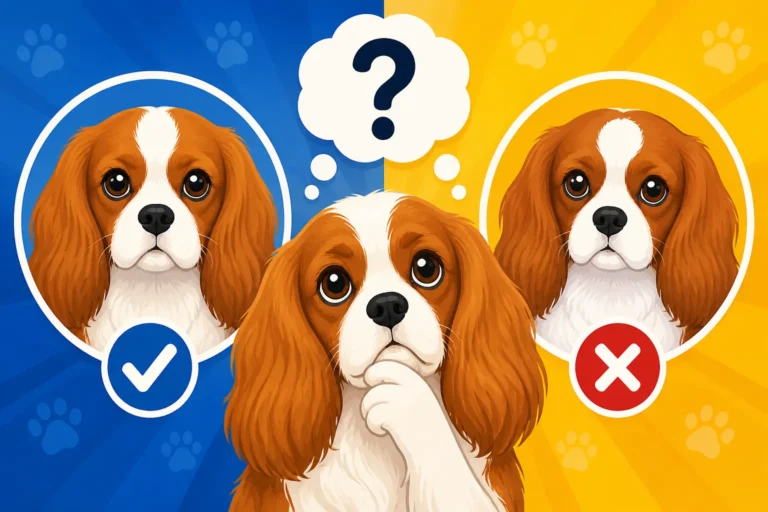
The Eye Shape the Cavalier Standard Calls For
It's a frustrating reality for many Cavalier King Charles Spaniel owners that while we adore their sweet faces, understanding the nuances of what makes those faces truly typical – and healthy – according to the breed standard can feel like deciphering a secret code. You might see a picture-perfect Cavalier and wonder what exactly gives them that iconic look, especially when it comes to their soulful eyes. This guide is here to break down precisely the eye shape the Cavalier standard calls for, and more importantly, why these specific characteristics aren't just about winning ribbons, but about your beloved companion's long-term health and comfort.
Understanding the Cavalier's Expressive Eyes in the Breed Standard
When you look into the eyes of a well-bred Cavalier King Charles Spaniel, you're not just seeing an animal; you're seeing generations of careful selection aimed at producing a specific, heartwarming expression. The breed standard, whether from the AKC or other kennel clubs, is very particular about the eyes, because they are so central to the Cavalier's famed gentle and affectionate disposition. It's more than just a passing detail; it's a foundational aspect of their identity and well-being.
The 'Large, Round, Not Prominent' Ideal
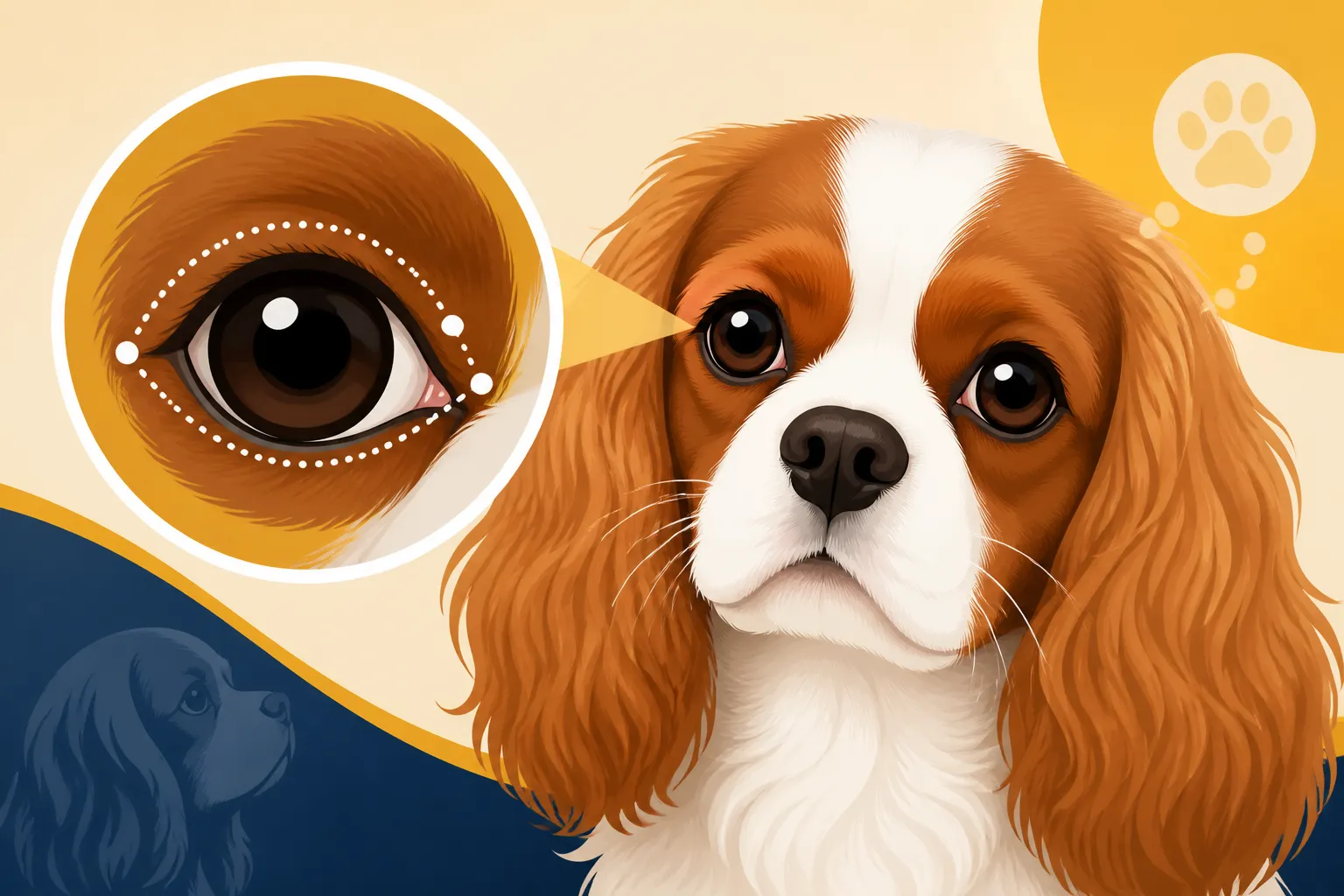
The heart of the Cavalier's eye description lies in three key terms: large, round, and not prominent. These aren't just vague adjectives; they dictate a very specific aesthetic and functional ideal. "Large" doesn't mean bulging or oversized; it means eyes that are well-proportioned to the head, open, and clearly visible, contributing to an alert yet soft demeanor. They should command attention, drawing you in with their warmth rather than their intensity.
"Round" is equally important. Unlike some breeds that have almond-shaped or triangular eyes, the Cavalier's eyes should have a distinctly rounded appearance. This roundness, combined with their size, gives them that wide-eyed, innocent look that so many of us fall in love with. It's this particular shape that truly defines the "melting" or "pleading" gaze Cavaliers are so famous for, making it hard to resist their charms.
However, perhaps the most critical part of this description for both aesthetics and health is "not prominent." While the eyes should be full and round, they absolutely should not bulge or protrude noticeably from the skull. This seemingly small detail is paramount, as prominence can indicate underlying structural issues and, as we'll delve into later, can lead to a host of health problems. The ideal Cavalier eye sits comfortably within its socket, well-protected by the surrounding bone structure and facial cushioning, giving a sense of depth rather than outward projection. This balance is key to achieving the desired gentle, intelligent expression that captures the very essence of the breed.
The Importance of Dark Pigmentation
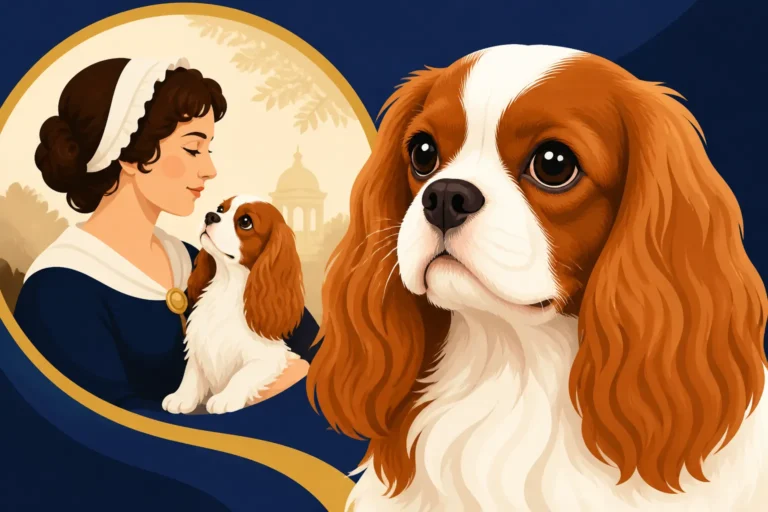
Beyond shape and placement, the color and surrounding pigmentation of a Cavalier's eyes are vital components of the breed standard. The ideal calls for dark brown eyes, which should be set off by equally dark eye rims. This combination is essential for creating the soft, sweet expression that is so characteristic of the breed. It’s not just a preference; it actively enhances the overall warmth and depth of their gaze, contributing to that quintessential Cavalier look.
Light-colored eyes, such as yellow or blue, are considered a fault in the breed standard for a reason. They tend to give a harder, less expressive, or sometimes even a worried look to the face, which detracts from the desired gentle temperament that the Cavalier's expression should convey. Similarly, a lack of dark pigmentation around the eye rims can make the eyes appear less defined and can subtly alter the overall facial expression. This dark outlining acts like a natural eyeliner, framing the eyes and making them appear more prominent in a desirable, non-protruding way, thereby intensifying their gentle appeal.
From a practical perspective, dark pigmentation also offers a degree of protection. Just as dark skin helps filter sunlight, dark eye rims and irises can help reduce glare and protect the delicate structures of the eye from environmental factors. It's a natural defense mechanism that contributes to the long-term health of the eye. A well-pigmented eye, as described in The AKC Standard for the Cavalier King Charles Spaniel, is a sign of a healthy, properly bred Cavalier, perfectly complementing their loving nature and ensuring their eyes convey the sweet disposition we all cherish.
Why Eye Shape Matters Beyond Aesthetics for Cavaliers
It's easy to dismiss breed standards as purely about "looks," something only show breeders concern themselves with. But for a Cavalier, especially regarding their eyes, the specific shape and placement described in the standard are deeply intertwined with their health and daily comfort. When the eyes deviate from this ideal, it's not just a cosmetic flaw; it can be a gateway to chronic pain, injury, and significant veterinary bills.
Health Implications of Incorrect Eye Shape
The "not prominent" clause in the Cavalier standard isn't just a suggestion; it's a critical health directive. When a Cavalier's eyes are overly prominent or bulge from their sockets, they become alarmingly vulnerable. Imagine constantly having a part of your body exposed that should be tucked away safely; that’s what it's like for a Cavalier with protruding eyes. These eyes are significantly more susceptible to physical trauma. A simple bump into a piece of furniture during enthusiastic play, a misstep on a walk that sends them into a bush, or even just a boisterous wrestle with another dog can lead to severe eye injuries. We're talking about corneal abrasions, deep scratches, or even worse, a terrifying condition known as proptosis, where the eyeball actually dislodges from its socket. This is an emergency situation that requires immediate veterinary intervention and is incredibly distressing for both dog and owner. For more information on such risks, you might want to read about Corneal Ulcers on Prominent Cavalier Eyes.
Beyond acute injuries, an incorrect eye shape, particularly prominent eyes, can lead to chronic irritation and discomfort. If the eyelids cannot fully close over the globe, the eye's surface is constantly exposed to air, leading to rapid evaporation of the essential tear film. This is a primary cause of chronic dry eye, a condition that is painful, requires lifelong management with daily eye drops, and can eventually lead to scarring and vision impairment. This is something often covered in discussions about Cavalier Eye Disease From Dry Eye to Cataracts. Furthermore, sometimes the surrounding structures don't fit quite right. A lack of proper The Cushioning Below a Cavalier's Eyes can exacerbate these issues, leaving the eye even more exposed. Conditions where eyelashes grow in abnormal places, or eyelids roll inward (entropion) or outward (ectropion), are also more common with poorly structured eyes, each bringing its own set of problems, including constant irritation and the potential for infection. Issues like Extra Eyelashes Rubbing a Cavalier's Eye are real and painful.
The "Melt-Your-Heart" Gaze and Its Role in Temperament
The Cavalier's famous "melt-your-heart" gaze is more than just a pretty face; it’s an intrinsic part of their breed identity and how they interact with the world. This soft, gentle expression is deeply linked to the breed’s overall temperament—affectionate, adaptable, and eager to please. When a Cavalier's eyes meet the standard's ideal of large, round, dark, and not prominent, they naturally convey an openness and warmth that invites interaction and fosters deep bonds with their human companions. It's the visual embodiment of their loving nature.
A dog whose eyes convey a hard, nervous, or even vacant expression, often due to an incorrect shape or poor placement, can inadvertently give a misleading impression of their temperament. While eye shape doesn't create personality, it undeniably reflects and influences how we perceive a dog. A Cavalier with overly prominent or small, deep-set eyes might, through no fault of their own, appear less approachable or less sweet than their personality actually is. This can affect how strangers, or even family members, initially react to them, potentially impacting their socialization experiences.
Ultimately, the gentle, soulful gaze of a well-bred Cavalier is a cornerstone of what makes them such exceptional companion animals. It's part of the package that reassures us of their kind and loving disposition, making them ideal family pets. This expression encourages empathy and connection, which is precisely what most Cavalier owners seek. The standard, by protecting this ideal eye shape, helps ensure that the Cavalier continues to be recognized and loved for this unique visual communication of their truly wonderful character.
Common Eye Concerns Related to Shape and Placement
It's one thing to understand the ideal, and quite another to live with the realities when things don't quite line up. Cavalier owners often face specific challenges related to their dog's eye shape and placement, which can range from minor irritations to serious medical emergencies. Being aware of these common concerns can help you be a more proactive and attentive owner, catching issues before they escalate.
Protruding Eyes and the Risk of Injury
As we've touched on, prominent eyes are a significant welfare concern for Cavaliers. While a well-bred Cavalier should have full, round eyes that are not prominent, sometimes genetics don't play out perfectly, or a puppy comes from a less scrupulous breeder. When the eyes protrude too much, the delicate eyeball is simply too exposed, lacking the natural protection that a deeper socket and proper facial cushioning would provide. This makes them a prime target for accidental injury, and it's a constant worry for owners.
Think about everyday scenarios: a joyous romp through tall grass in the park could result in a scratch from a blade. A clumsy moment where your Cavalier bumps their head against the corner of a coffee table can cause a serious laceration. Even an innocent game of tug-of-war with another dog could lead to a paw accidentally swiping across an exposed eye. These aren't far-fetched possibilities; they are real, frequent risks. The consequences can range from painful but treatable corneal abrasions to much more severe issues like corneal ulcers which can lead to vision impairment if not treated quickly and aggressively. In the most terrifying instances, severe blunt force trauma can cause the eye to prolapse, meaning it pops out of its socket, which is a dire emergency requiring immediate veterinary attention and often results in permanent damage or loss of the eye. Managing these risks often involves trying to create a safer environment, which can be difficult for an active dog. Many owners use soft wipes and gentle cleaning solutions, sometimes purchased from pet supply retailers like Chewy, to keep the area around their dog's eyes clean after outdoor adventures, hoping to prevent minor irritations from becoming larger problems.
Eyelid Issues and Their Impact on Eye Health
Beyond the prominence of the eye itself, the structure and function of the eyelids are crucial for a Cavalier's ocular health. Eyelids act as natural windshield wipers and protectors for the eyes, distributing tear film, sweeping away debris, and providing a barrier against injury. When there are issues with eyelid conformation, the consequences for the eye can be chronic and debilitating. Two common problems are entropion and ectropion. Entropion occurs when the eyelid rolls inward, causing the eyelashes and surrounding fur to constantly rub against the delicate surface of the cornea. This is incredibly irritating and painful, leading to excessive tearing, squinting, redness, and over time, corneal ulcers and scarring that can permanently impair vision. It's like having a persistent irritant in your own eye, day in and day out.
Conversely, ectropion is when the eyelid rolls outward, creating a droopy appearance. While it might look less immediately painful than entropion, it's equally problematic. An eyelid that doesn't sit flush against the eyeball means the conjunctiva (the pink membrane lining the eyelid) is constantly exposed. This exposure makes the eye prone to drying out, as the tear film evaporates too quickly, leading to chronic dry eye. It also makes the eye a magnet for environmental irritants like dust, dirt, and pollen, and increases the risk of recurrent infections. Both entropion and ectropion often require surgical correction to alleviate the discomfort and prevent long-term damage. Furthermore, Cavaliers can sometimes suffer from distichiasis or ectopic cilia, where extra eyelashes grow from abnormal locations, irritating the eye every time the eyelid blinks. This is another condition that highlights the importance of eyelid health, and you can learn more by checking out Extra Eyelashes Rubbing a Cavalier's Eye. For ongoing care, maintaining proper eye hygiene with gentle products, like those available on Chewy, is essential, but these structural issues usually demand more serious interventions.
What to Look For When Choosing a Cavalier Puppy
Bringing a Cavalier puppy into your home is an exciting time, filled with dreams of cuddles and companionship. To ensure those dreams don't turn into a nightmare of vet visits and heartache, it's absolutely vital to be diligent in your search. A responsible approach to choosing a puppy, especially when it comes to their eye health and conformation, can make all the difference in your Cavalier's quality of life.
Observing the Parents and Their Eye Health Clearances
When you're considering a Cavalier puppy, one of the most crucial steps is to meet the puppy's parents, particularly the mother. Observing them firsthand allows you to see their overall health, temperament, and, most importantly for this discussion, their eye shape and condition. Do their eyes align with the breed standard—large, round, dark, and not prominent? Do they have that gentle, soulful expression? If the parents have eyes that are too prominent, too small, or show signs of chronic irritation (like excessive tearing or redness), there's a higher likelihood their offspring will inherit similar issues. Genetics play a massive role in eye structure, and what you see in the parents is often a preview of what you might get in your puppy.
Beyond visual observation, a reputable breeder will readily provide evidence of comprehensive health clearances for both parents. For eyes, this means recent examinations by a board-certified veterinary ophthalmologist. These specialists conduct thorough checks for hereditary eye diseases common in the breed, such as cataracts, retinal dysplasia, and dry eye syndrome. The results should be clear, indicating that the parents are free from these conditions. Don't be shy about asking for these documents; they are a hallmark of responsible breeding practices. A breeder who is transparent and proud to show you these clearances is someone who prioritizes the health of their dogs. It’s a vital part of Reading a Cavalier Puppy's Health Certificates. If a breeder makes excuses or seems hesitant, consider it a significant red flag. You should also ensure these eye exams are performed annually, as some conditions can develop later in life. This ongoing commitment is a good indicator of their dedication, as highlighted in discussions like Whether a Cavalier Needs a Yearly Eye Exam.
The Role of a Reputable Breeder
The importance of choosing a reputable breeder cannot be overstated, especially for a breed like the Cavalier, which has known genetic predispositions to certain health conditions. A responsible breeder isn't just trying to produce puppies; they are dedicated custodians of the breed, striving to improve health, temperament, and conformation with each generation. They understand that adhering to the breed standard, including the precise description of eye shape, isn't just about showing dogs, but about ensuring the long-term well-being of the puppies they produce. They will breed to ensure the correct The AKC Standard for the Cavalier King Charles Spaniel is met.
A truly reputable breeder will go above and beyond what's legally required. They invest significant time and resources into health testing their breeding stock for a wide range of conditions, not just eyes, but also hearts, hips, and patellas. They'll follow established protocols, such as What the Cavalier Heart Protocol Asks of Parents, which are designed to reduce the incidence of serious hereditary diseases. They will be open, honest, and approachable, eager to answer all your questions about their dogs, their breeding program, and the specific care their puppies receive. They'll also provide you with a written health guarantee and a clear contract. They'll take the time to interview you, ensuring that their puppies are going to suitable, loving homes. You should feel that the breeder is a partner in your puppy's journey, someone you can turn to for advice and support. Choosing a puppy from such a breeder is the best way to stack the odds in favor of bringing home a healthy Cavalier with those beautiful, expressive, and properly structured eyes, saving you from potential heartache and costly veterinary interventions down the road.
| Trait Aspect | Ideal Cavalier Eye | Less Desirable / Fault | Potential Health Concern |
|---|---|---|---|
| Shape | Large, round | Small, almond-shaped | Restricted vision, less characteristic expression |
| Prominence | Not prominent, well-set | Bulging, overly prominent | Increased risk of injury, dry eye, corneal ulcers, proptosis |
| Color | Dark brown | Light, yellow, blue | Less protective pigment, harsh/nervous expression |
| Expression | Soft, gentle, melting | Hard, nervous, vacant | Reflects poor temperament or health issues |
| Eyelids | Tight, well-fitting | Loose, rolling inward/outward | Entropion, ectropion, chronic irritation, infection |
| Placement | Forward-looking, wide-set | Close-set, slanted | Altered field of vision, specific breed faults |
Disclaimer
This article is for general informational purposes only and does not constitute professional advice. Laws, prices and regulations vary by location and change over time. Consult a qualified professional for guidance on your specific situation.