The Cushioning Below a Cavalier’s Eyes
If you're a Cavalier King Charles Spaniel owner, you've no doubt fallen head over heels for their incredibly sweet and expressive faces. That soft, almost "cushioned" look below their big, dark eyes isn't just endearing; it's a hallmark of the breed's appearance, contributing to that famously gentle, melting expression. But while it's undeniably adorable, this unique facial structure also comes with its own set of considerations for your Cavalier's health and daily care. This guide will delve into what makes this area so special, why it's crucial for their well-being, and how you can best care for it.
The Characteristic "Cushioning" and the Cavalier's Expressive Eyes
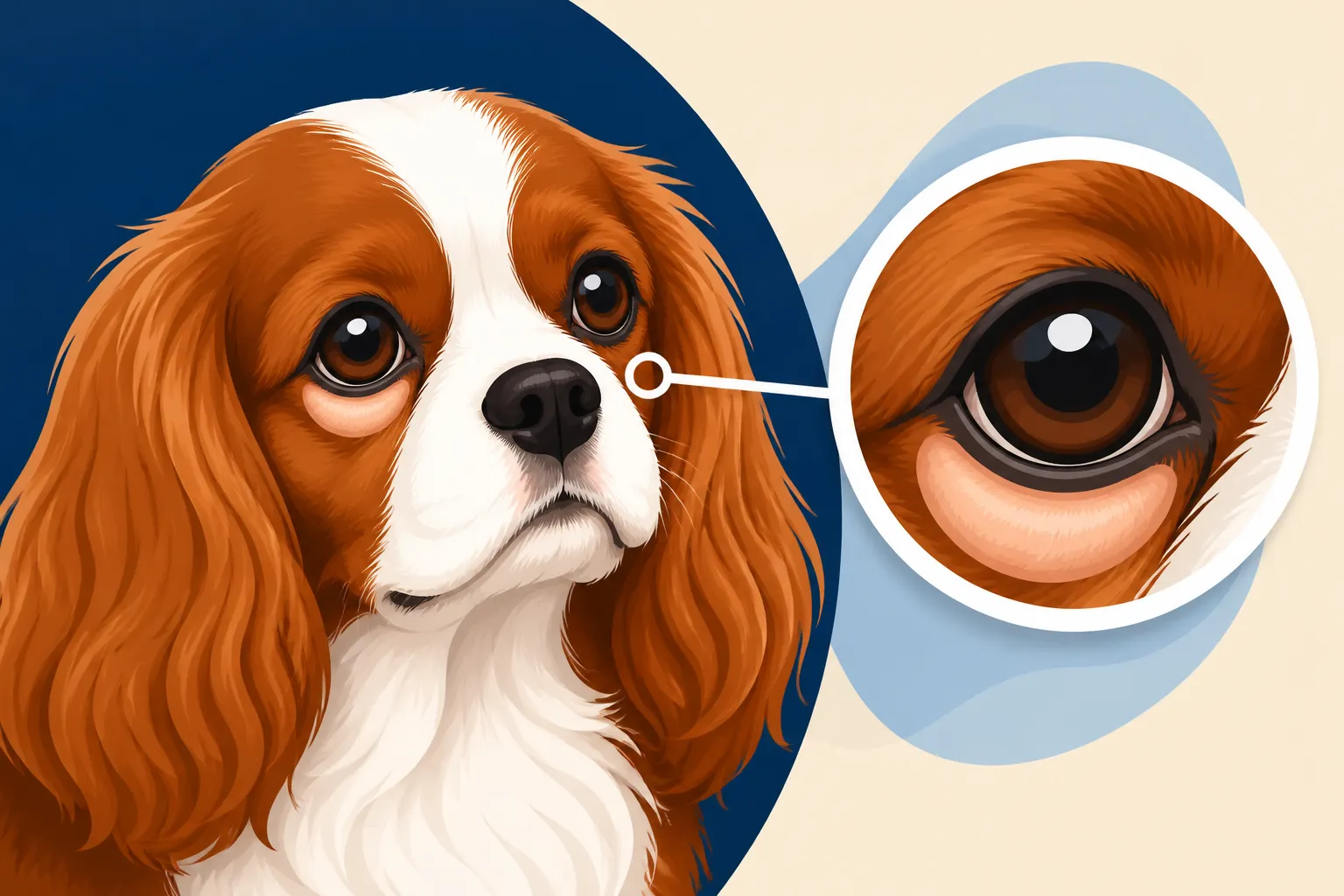
When you gaze into a Cavalier's eyes, you're immediately struck by their large, round, and dark appearance, often described as giving them a "soft" or "melting" look. This isn't just about the eye itself; it's heavily influenced by the soft tissue and gentle padding that surrounds and supports the eye, creating what many call the "cushioning" below. This structural nuance is key to their distinctive charm, a feature that distinguishes them from many other breeds.
What the Breed Standard Says About Eye Placement and Cushioning
The breed standard for the Cavalier King Charles Spaniel is quite specific about the eyes, emphasizing their importance to the overall expression. It calls for large, round, dark eyes that are set well apart, without any bulging. Crucially, it highlights the "softness" of expression, which is largely achieved by the surrounding facial structure, including the cushioning below the eyes. This isn't just extra skin or fat; it's a combination of bone structure, muscle, and soft tissue that creates a full, yet gentle, frame for their beautiful eyes. Unlike breeds with deep-set eyes or those with very tight skin, Cavaliers possess this gentle padding that accentuates their gaze, making them appear perpetually thoughtful or affectionate.
Think of it as the natural contouring that enhances their soulful look. It's a delicate balance; too much or too little can alter that signature Cavalier expression. Reputable breeders strive for this balanced facial structure, knowing it's integral not just to the look but also to the health of the eye itself. This cushioning helps avoid a harsh or startled appearance, contributing instead to their renowned sweet disposition.
How This Structure Contributes to the Cavalier's Beloved Expression
That unique cushioning is what truly gives the Cavalier their "melting" or "puppy dog" eyes, even into adulthood. It softens the lines of their face, making them appear perpetually gentle and approachable. When your Cavalier looks up at you, head slightly cocked, those large, dark eyes framed by the soft cushioning below are designed to capture your heart. It's a look that communicates affection, innocence, and an almost irresistible plea for cuddles or treats. This expressive quality is a huge part of why so many people fall in love with Cavaliers.
This facial characteristic plays a significant role in their role as companion dogs. They are bred to be affectionate lapdogs, and their appearance perfectly mirrors that temperament. The cushioning below their eyes, far from being just a physical trait, is a visual cue that reinforces their loving and gentle nature, drawing people in and forging deeper bonds. It's truly a defining feature that contributes to the breed's iconic charm and explains why Cavaliers are often described as having the most soulful eyes in the canine world.
Eye Health Considerations Related to the Cushioning
While beautiful, the Cavalier's distinctive eye structure, including that soft cushioning, can unfortunately make them prone to certain eye-related challenges. Their prominent, slightly shallow-set eyes, combined with the surrounding soft tissue, mean owners need to be a little extra vigilant. It's not about being alarmist, but about being informed so you can keep those precious eyes healthy and comfortable.
Tear Staining: A Common Challenge with Prominent Eyes
One of the most frequent issues Cavalier owners face due to their eye structure is tear staining. You've seen it: those reddish-brown streaks that appear below the eyes, especially noticeable on lighter-coated Cavaliers like Blenheims or Rubies with white markings. This happens because the tears, instead of draining neatly into the tear ducts, can overflow onto the fur below the eye. The cushioning here can inadvertently create a little reservoir or trough where these tears collect. This constant moisture, combined with natural bacteria and yeast that thrive in damp environments, leads to the staining.
It's not just a cosmetic issue, though it certainly can detract from that beautiful face. Persistent dampness can irritate the delicate skin underneath the fur, potentially leading to skin infections or discomfort. It's important to understand that while a small amount of staining might be normal for some Cavaliers, excessive or sudden staining could indicate underlying issues. This might include blocked tear ducts, allergies, irritation from Extra Eyelashes Rubbing a Cavalier's Eye, or even dietary factors. Regular cleaning, as we'll discuss, is crucial, but it's also about watching for changes that might signal a deeper problem. If you notice a significant increase in tear staining or a change in the consistency of the tears, it's always a good idea to check in with your vet. For more in-depth information, you might find our article on Tear Staining on a White Cavalier Face quite helpful.
Protecting the Eyes from Irritation and Injury
The prominence of a Cavalier's eyes means they don't have the same deep-set protection that some other breeds do. While the cushioning is soft and adds to their expression, it doesn't form a protective barrier against physical trauma. This means your Cavalier's eyes are more exposed to environmental irritants and potential injuries. Dust, pollen, grass seeds, or even just a stray piece of kibble can easily get into their eyes. On a windy day, a particle could irritate the surface, and during adventurous romps through bushes or tall grass, a branch could unfortunately scratch the cornea.
Think about everyday scenarios: A curious Cavalier sticking their head out of a car window is adorable, but it exposes their eyes to a barrage of air and debris. Playing tug-of-war too close to the face, or roughhousing with another dog, carries a higher risk of accidental eye injury. Owners need to be mindful of these situations. While you can't wrap your Cavalier in cotton wool, being aware of their eye vulnerability can help you make safer choices. Ensuring their environment is clean, supervising play, and being cautious during outdoor adventures are all steps you can take. If you ever suspect an eye injury or irritation, don't delay in seeking veterinary attention, as issues like Corneal Ulcers on Prominent Cavalier Eyes can develop quickly and become serious without prompt treatment.
Daily Care and Grooming for the Area Below Your Cavalier's Eyes
Maintaining the health and cleanliness of the area below your Cavalier's eyes is an ongoing task, but it’s a crucial one. That beautiful cushioning and the delicate skin beneath need regular attention to prevent problems like tear staining, irritation, and even infection. It’s all part of loving a Cavalier and ensuring they stay comfortable and sparkling clean.
Gentle Cleaning Routines to Keep the Area Healthy
Establishing a consistent, gentle cleaning routine is key to managing tear staining and keeping the area below your Cavalier's eyes healthy. Ideally, you should aim to clean this area once a day, or at least every other day, especially if your Cavalier is prone to noticeable staining.
Here's a simple, step-by-step approach:
- Gather your supplies: You'll need soft cotton pads or balls, and either plain warm water, a veterinary-approved saline solution, or specialized dog eye wipes. Many great options are available from retailers like Chewy. Avoid using human eye makeup removers or harsh chemicals, as these can irritate your dog's sensitive skin and eyes.
- Position your Cavalier: Gently hold your Cavalier's head steady. Many dogs learn to tolerate this routine if it's done calmly and consistently. Positive reinforcement, like a quiet voice and a small treat afterward, goes a long way.
- Wipe gently: Dampen a fresh cotton pad with your chosen cleaning solution. Starting from the inner corner of the eye and wiping outwards, gently clean the stained fur. Be careful not to touch the eyeball itself. Use a fresh pad for each eye to prevent transferring any potential infection.
- Dry thoroughly: This step is often overlooked but is incredibly important. Use a clean, dry piece of cotton or a soft cloth to gently blot the area dry. Leaving the area damp can exacerbate staining and create a breeding ground for yeast and bacteria.
- Address stubborn stains: For really tough stains, consistency is more important than aggressive scrubbing. Over time, with daily cleaning, you'll start to see improvement. Some owners use specific tear stain removers, but always ensure they are safe for use around the eyes and follow the product instructions carefully. Remember, the goal is prevention and gentle maintenance, not harsh removal.
This routine, while seeming minor, makes a significant difference in preventing irritation and keeping your Cavalier's face looking its best. For general facial hygiene, you might also find our guide on Cleaning a Cavalier's Muzzle Folds useful, as some principles overlap.
Managing Feathering Around the Eyes
Cavaliers are blessed with beautiful, silky coats, and this includes delicate feathering around their eyes. While charming, this longer hair can sometimes become a nuisance or even a health concern if not properly managed. The hair can grow long enough to brush against the eye itself, causing irritation, or it can trap moisture from tears, leading to more pronounced staining and potential skin issues.
For most Cavaliers, regular brushing of the face and head fur is usually enough to keep the hair from falling directly into their eyes. Using a small, fine-toothed comb can help gently separate the hairs around the eye area. However, some Cavaliers may have particularly long or unruly feathering that necessitates a cautious trim. This is usually best left to a professional groomer who understands the Cavalier's breed standard and knows how to trim safely without altering their characteristic expression or, more importantly, without accidentally injuring your dog. A good groomer can subtly tidy the fringe around the eyes, ensuring vision isn is obstructed and irritation is minimized, all while preserving that lovely, soft look.
If you decide to try trimming at home, extreme caution is advised. Always use blunt-nosed scissors specifically designed for pet grooming. Work in a well-lit area with a calm dog, and trim only the very tips of the hair that clearly obstruct or touch the eye. It's often safer to hold the hair you wish to trim between your fingers as a guard. When in doubt, let a professional handle it. Remember, the goal isn't to remove all the beautiful feathering, but to ensure it's not causing discomfort or eye health problems.
Recognizing When the "Cushioning" Indicates a Problem
That sweet cushioning below your Cavalier's eyes is usually a sign of their breed's unique charm, but sometimes, changes in this area can be a red flag. As a vigilant owner, knowing the difference between normal variation and signs of trouble is essential for your Cavalier's well-being. Their eyes are delicate, and problems can escalate quickly.
Swelling, Redness, or Discharge: Beyond Normal Tear Staining
While a little tear staining might be common for Cavaliers, any significant swelling, persistent redness, or unusual discharge around the eye and in the cushioning below it warrants immediate attention. These are often clear indicators that something more serious than cosmetic staining is at play.
- Swelling: If the cushioning itself appears puffy, swollen, or unusually prominent, it could signal inflammation, an infection (like conjunctivitis), or even an allergic reaction. Swelling can also indicate a blocked tear duct that's causing fluid to build up, or in rare cases, a more serious underlying issue within the eye socket. It's crucial not to ignore this, especially if it appears suddenly or is accompanied by pain.
- Redness: While a slight pinkness might be normal, a distinct, widespread redness in the whites of the eyes (sclera), the inner eyelids, or the skin immediately surrounding the eye is a concern. This can point to irritation, allergies, dry eye (Managing Dry Eye in a Cavalier), or various forms of infection.
- Discharge: Distinguishing between normal tearing (which causes tear staining) and problematic discharge is important. Normal tears are clear. If you notice discharge that is thick, pus-like, green, yellow, or excessively watery, it's a strong sign of infection or inflammation. Crust in the Corner of a Cavalier's Eye that is persistent or thick is also a symptom of concern. This kind of discharge can mat the fur in the cushioning, making the area even more uncomfortable and prone to secondary skin infections.
Any of these symptoms, especially if combined, should prompt a visit to your veterinarian. Early intervention can prevent minor issues from becoming painful and complicated problems, potentially even saving your Cavalier's sight or preventing chronic discomfort.
Behavioral Cues That Signal Eye Discomfort
Dogs are masters at hiding pain, but even the stoic Cavalier will often give subtle behavioral cues if they are experiencing discomfort or pain around their eyes. Learning to recognize these can help you act quickly and get them the help they need.
Consider these behavioral signs:
- Squinting or holding one eye shut: This is a strong indicator of pain or irritation in that eye. If it persists for more than a few minutes, it's a red flag.
- Pawing or rubbing at the face/eyes: If your Cavalier is constantly trying to rub their face on furniture, the carpet, or paw at their eye, they are likely trying to alleviate irritation or pain. This can also worsen the problem, potentially causing further damage.
- Excessive blinking: More than usual blinking can signify that something is irritating the eye.
- Sensitivity to light (photophobia): If your Cavalier suddenly shies away from bright light, prefers darker rooms, or keeps their head down in sunny areas, it could be a sign of eye pain.
- Withdrawal or changes in temperament: A Cavalier experiencing chronic discomfort might become quieter, less playful, or even show signs of being A Cavalier That Yelps When Picked Up if their head or face area is affected. This isn't usually the first sign you'll see for eye issues, but it can be a general indicator of underlying pain.
- Reluctance to be touched around the head: If your Cavalier usually loves head scratches but suddenly flinches or pulls away when you try to touch their face or near their eyes, they are telling you they're in pain.
Never dismiss these behavioral changes. Your Cavalier relies on you to notice when something is wrong. An immediate veterinary check-up is always the best course of action. Eye issues can progress rapidly, and what seems like a minor irritation could be the beginning of something more serious, requiring Prescription Eye Drops for a Cavalier Every Day or other treatments. It's also vital to remember that a Cavalier Eye Disease From Dry Eye to Cataracts can impact their comfort and vision, making regular monitoring and veterinary check-ups essential. This is why Whether a Cavalier Needs a Yearly Eye Exam is not just a suggestion, but a crucial part of their preventative care.
| Symptom Category | Normal Variation (Typical Cavalier) | Red Flag (Seek Vet Attention) |
|---|---|---|
| Eye Prominence | Large, round, dark eyes set apart, soft "cushioning" below. | One eye appears more prominent or bulging than the other. |
| Tear Staining | Faint, occasional light brown streaks, especially on white fur; easily wiped away. | Heavy, persistent reddish-brown/black stains; crusty; foul odor; increasing rapidly. |
| Redness | Pink, healthy inner eyelids and white of the eye (sclera). | Bright red, bloodshot sclera; red, swollen inner eyelids. |
| Discharge | Clear, watery tears (which can stain); occasional small, clear sleep crust. | Thick, yellow, green, or pus-like discharge; excessive watery discharge; persistent Crust in the Corner of a Cavalier's Eye. |
| Swelling | Soft, consistent cushioning, symmetrical between eyes. | Puffy, swollen, or asymmetrical cushioning; lump or bump near the eye. |
| Behavior | Bright, alert, happy expression; tolerates face touching/grooming. | Squinting, pawing, rubbing face, excessive blinking, light sensitivity, withdrawal, pain when touched. |
This table provides a quick reference, but always trust your instincts as an owner. If something just "doesn't look right," a professional opinion is invaluable.
The cushioning below your Cavalier's eyes is more than just a pretty feature; it's a key element of their breed's identity and a sensitive area requiring thoughtful care. By understanding its role, staying vigilant for potential health issues, and incorporating gentle daily grooming, you can help ensure your beloved Cavalier lives a life full of comfort and those irresistible, soulful gazes. They truly deserve nothing less than our best efforts to protect their precious sight and keep their faces healthy and happy.
Disclaimer
This article is for general informational purposes only and does not constitute professional advice. Laws, prices and regulations vary by location and change over time. Consult a qualified professional for guidance on your specific situation.