Cockaliers and Other Cavalier Crosses
Many prospective dog owners, drawn to the sweet nature and charming looks of the Cavalier King Charles Spaniel, often start to wonder about crossbreeds. It's a natural leap to consider whether mixing breeds might offer a "best of both worlds" scenario, potentially leading to a dog with fewer health issues or a specific blend of traits. However, navigating the world of "designer dogs" like Cockaliers and other Cavalier crosses can be confusing, filled with misinformation and differing opinions. This guide will walk you through what to expect when considering these delightful mixes, exploring their health, temperament, and the realities of bringing one into your home.
Understanding Cavalier Crossbreeds: The Mix of Two Worlds
When we talk about Cavalier crosses, we're discussing a dog whose parents are two different purebred breeds, with one always being a Cavalier King Charles Spaniel. The most commonly heard name is often the "Cockalier," a charming blend of the Cavalier and the Cocker Spaniel. But the Cavalier's gentle disposition and compact size make it a popular choice for crossing with many other breeds, creating a whole host of "designer dogs" that capture the hearts of many.
The intention behind these crosses is often to combine desirable traits from both parent breeds, whether it's the Cavalier's famed cuddliness with the potential sturdiness of another breed, or to mitigate some of the specific health challenges seen in purebred Cavaliers. For instance, you might hear claims that a Cockalier is somehow "healthier" than a purebred Cavalier. It's a tempting idea, the promise of a robust pet with the beloved Cavalier personality, but the reality is often more nuanced than simple promises.
What is a Cockalier?
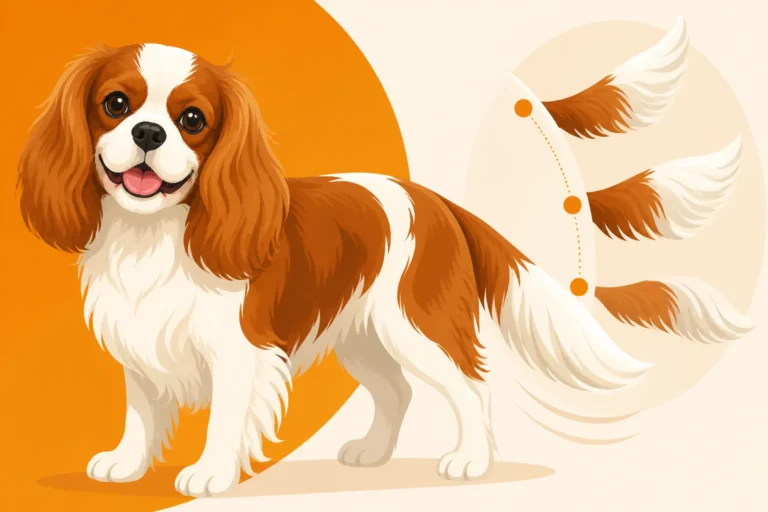
A Cockalier is typically a first-generation cross between a Cavalier King Charles Spaniel and a Cocker Spaniel, usually an American Cocker Spaniel or an English Cocker Spaniel. This mix aims to blend the affectionate, docile nature of the Cavalier with the slightly more energetic, sporting instincts of the Cocker. Visually, a Cockalier can be quite a wildcard; some might lean more heavily towards the Cavalier's appearance with a slightly longer muzzle and heavier coat, while others could inherit more of the Cocker's stockier build and distinctive head. Their size can also vary, falling somewhere between the two parent breeds.
Owners are often drawn to the Cockalier for its potential combination of intelligence, trainability, and that irresistible "spaniel softness." They're often described as devoted companions, eager to please, and generally good with children and other pets, much like both parent breeds. However, it's important to remember that genetics are a roll of the dice; you might get a dog that perfectly embodies the best traits of both, or one that has a unique blend that leans heavily one way or another. This unpredictability is a hallmark of all crossbreeds, and it's something to be prepared for.
Other Popular Cavalier Crosses
Beyond the Cockalier, the Cavalier King Charles Spaniel is a frequent choice for creating other beloved designer breeds. Each cross aims for a unique combination of traits, often targeting specific coat types, energy levels, or hypothetical health benefits.
One very popular mix is the Cavapoo, a cross between a Cavalier and a Poodle (usually miniature or toy). These dogs are sought after for their often low-shedding, curly coats, inherited from the Poodle, combined with the Cavalier's sweet temperament. Then there's the Cavachon, a mix with the Bichon Frise, known for its fluffy, hypoallergenic-leaning coat and cheerful disposition. The Cavaton, a Cavalier-Coton de Tulear mix, also falls into this category, promising a soft coat and a delightful, playful character. Each of these crosses brings its own set of potential characteristics, but the underlying principle remains the same: a blend of two distinct purebred lines. The allure of these "designer breeds" is strong, but understanding the actual genetic lottery involved is crucial before you commit.
Why People Consider Cavalier Crosses
The appeal of a Cavalier cross is often multifaceted. For many, it's about finding a dog that combines the best characteristics of two breeds, hoping to achieve a pet that is both charming and robust. There's a common perception that crossbreeds are inherently healthier than purebreds, a concept known as "hybrid vigor." Others are looking for specific aesthetic traits, such as a particular coat type, or a temperament that might be a slight departure from the purebred Cavalier while retaining its core lovability.
The truth is, all these motivations are understandable. Who doesn't want the healthiest, happiest dog possible? But it's essential to unpack these reasons with a realistic mindset, understanding what a crossbreed can truly offer and where the expectations might not align with reality.
The Allure of "Hybrid Vigor"
The term "hybrid vigor," or heterosis, refers to the increased strength, growth, or health of a hybrid organism compared to its purebred parents. In dogs, the theory suggests that by mixing two different breeds, you broaden the gene pool, thereby reducing the likelihood of inheriting recessive genetic diseases that are common in either purebred line. For a breed like the Cavalier, which is known for certain hereditary conditions such as Mitral Valve Disease in the Cavalier King Charles Spaniel and Syringomyelia and Chiari Malformation in Cavaliers, the idea of hybrid vigor can be incredibly appealing.
However, it's not a magic bullet. While a wider gene pool can reduce the incidence of some single-gene recessive disorders by making it less likely for two copies of a specific faulty gene to meet, it doesn't eliminate genetic disease entirely. A crossbreed can still inherit dominant genetic diseases from either parent, or polygenic diseases (those caused by multiple genes and environmental factors). Furthermore, a crossbreed inherits all the genes from both parents. This means a Cockalier, for example, is still susceptible to the health issues prevalent in Cavaliers and those common in Cocker Spaniels. The notion that "crossbreeds are always healthier" is often oversimplified and can lead to false assurances.
Desired Temperament and Appearance Blends
Beyond health, many people seek out Cavalier crosses for a specific blend of temperament and appearance. The Cavalier is renowned for its gentle, affectionate, and people-oriented nature, often described as a "velcro dog" that loves to be close to its family. This loving disposition is something most owners want to retain.
When mixed with a breed like the Cocker Spaniel, some hope for a slightly more robust or energetic dog, perhaps one with a stronger retrieving instinct or a bolder personality, while still keeping the Cavalier's sweetness. With a Poodle mix, the desire is often for the Cavalier's charm paired with the Poodle's intelligence and low-shedding coat. These crosses can indeed result in unique and wonderful personalities and looks, but the exact combination is never guaranteed. You could end up with a Cockalier that is as calm as a Cavalier, or as energetic as a field-bred Cocker. Predicting the precise blend of physical traits, coat type, size, and personality is impossible, making each crossbreed puppy a delightful, yet unpredictable, surprise. This can be a source of frustration for owners who had a very specific image in mind.
Health Expectations in Cavalier Crossbreeds
One of the most significant reasons potential owners look to crossbreeds is the hope for a healthier dog. It's a noble goal, given the health challenges faced by many purebred lines. However, the health outcome of a Cavalier crossbreed is far more complex than simply "healthier." It's critical to understand that a crossbreed is not immune to genetic diseases; instead, it inherits a potential blend of predispositions from both parent breeds. This means thorough health testing of both parents is paramount, something that is unfortunately often overlooked by breeders of "designer dogs."
Inheriting Health Issues from Both Sides
While hybrid vigor can reduce the incidence of some recessive genetic conditions, it absolutely does not guarantee immunity from disease. A Cavalier cross, such as a Cockalier, can inherit any of the genetic health problems common to either the Cavalier King Charles Spaniel or the Cocker Spaniel. For instance, a Cockalier could still inherit Mitral Valve Disease in the Cavalier King Charles Spaniel from its Cavalier parent, or certain eye conditions common in Cocker Spaniels. It could even potentially suffer from both.
This is why responsible breeding practices, including comprehensive health testing, are just as crucial, if not more so, for crossbreeds as they are for purebreds. If the Cavalier parent hasn't been screened for cardiac health, MRI-scanned for syringomyelia, or had its eyes and patellas checked, you are buying a puppy with the same genetic risks as any poorly bred purebred Cavalier. Similarly, the Cocker Spaniel parent should also be cleared for its breed-specific concerns, which can include hip dysplasia, eye diseases like progressive retinal atrophy, and various ear problems. Ignoring the health history of either parent undermines any theoretical benefit of hybrid vigor.
The Importance of Parent Breed Health Testing
When considering a Cavalier cross, the most critical question to ask a breeder is about the health testing performed on both parent dogs. This goes far beyond a simple vet check. For the Cavalier parent, you should expect to see evidence of:
- Cardiac evaluations by a board-certified veterinary cardiologist: This means annual auscultations and potentially echocardiograms, especially for dogs intended for breeding. Look for clearances that align with protocols like the Cavalier MVD Breeding Protocol.
- MRI scans for Syringomyelia: Ideally, parents should be scanned and cleared, particularly if there's a history in the lines.
- Eye certifications: Annual exams by a veterinary ophthalmologist.
- Patella evaluations: To check for luxating patellas.
- DNA tests: Such as for Episodic Falling Syndrome in a Cavalier and Dry Eye/Curly Coat Syndrome.
For the other parent breed, say a Cocker Spaniel, you'd need to research their breed-specific health recommendations and ensure similar rigorous testing has been done. This might include hip and elbow evaluations, specific eye clearances, and DNA tests for conditions like PRA (Progressive Retinal Atrophy). A breeder who cannot provide verifiable health clearances for both parents is not breeding responsibly, regardless of whether they are producing purebreds or crossbreeds. The DNA Tests Every Cavalier Should Have applies to the Cavalier parent, and similar diligence is needed for the other parent.
| Factor | Purebred Cavalier (Well-bred) | Cockalier (Well-bred) | Cockalier (Poorly-bred) |
|---|---|---|---|
| Predictability | High (traits, size, health) | Moderate (less predictable than purebred) | Low (random mix of traits, high health risk) |
| Genetic Health Risks | Breed-specific (MVD, SM, EFS) | Blend of both parent breeds' risks | High (untested parents, unknown lineage) |
| Temperament | Consistent (sweet, gentle) | Blend (can vary widely, Cocker energy) | Unpredictable (can inherit worst traits) |
| Coat Care | Moderate (regular brushing) | Variable (can be Cavalier, Cocker, or mix) | Variable (prone to matting, skin issues) |
| Breeder Availability | Many reputable options | Fewer truly reputable options | Numerous "backyard" breeders/puppy mills |
| Price | The Price Range Cavalier Breeders Actually Quote | Similar to or higher than purebreds (due to "designer" status) | Often lower initial price, higher lifetime cost |
Temperament and Training Considerations
One of the most endearing qualities of the Cavalier King Charles Spaniel is their universally sweet and affectionate temperament. They are known for being devoted, gentle, and eager to please, making them wonderful family pets. When you bring a Cavalier cross into your home, you're hoping to retain much of that charming personality while perhaps introducing other desirable traits from the second parent breed. However, just like with physical appearance and health, temperament in a crossbreed can be a mixed bag.
Blending Cavalier Sweetness with Other Traits
A Cockalier, for example, combines the Cavalier's innate desire for companionship with the Cocker Spaniel's often more spirited, active, and intelligent nature. This can result in a dog that is incredibly loyal and loving, but also one with a stronger prey drive or a greater need for mental and physical stimulation than a purebred Cavalier. The Cocker Spaniel was originally bred as a hunting dog, so those instincts can certainly come through.
Similarly, a Cavapoo might inherit the Poodle's keen intelligence and playful energy, making them quick learners but also potentially more demanding of consistent mental engagement than a purebred Cavalier. It's truly a genetic lottery. You could get a Cockalier that is laid-back and content to cuddle all day, much like a typical Cavalier, or one that has boundless energy and wants to be retrieving toys constantly, characteristic of many Cocker Spaniels. The key is to be prepared for either outcome and to love the dog you get, rather than the dog you imagined.
Training Needs and Socialization
Regardless of the specific blend of traits, all Cavalier crosses will benefit immensely from early and consistent training and socialization. Because their temperaments can be less predictable than purebreds, starting training early can help shape them into well-adjusted adults.
Consider a Cockalier: they might have the Cavalier's desire to please, but also the Cocker's intelligence and occasional stubborn streak. This means positive reinforcement methods work best, focusing on praise and rewards rather than harsh corrections, which can be detrimental to any sensitive spaniel breed. Training a Cavalier With Praise Rather Than Pressure is a philosophy that applies equally well to its crosses. You might find your Cockalier has a strong nose and enjoys scent games, a nod to its spaniel heritage. Socialization is also paramount. Exposing your crossbreed puppy to a variety of sights, sounds, people, and other well-behaved dogs from a young age helps them develop confidence and good manners. This is especially true if they inherit any shyness or guarding tendencies from either side of their lineage. Be mindful of their propensity to be "velcro dogs"; without careful training, they can develop Living With a Cavalier That Panics When Alone.
The Realities of Crossbreed Ownership
Bringing any dog into your home is a commitment, and a Cavalier cross is no exception. While the idea of a "designer dog" can sound glamorous, the day-to-day realities of ownership involve much of the same dedication, challenges, and joys as owning any other dog. Understanding these practical aspects, from daily care to the financial implications, is crucial for any potential owner.
Coat Care and Grooming
One area where Cavalier crosses can vary significantly is their coat type and grooming needs. A purebred Cavalier has a silky, single coat that requires regular brushing to prevent matting, especially in its beautiful feathering. A Cockalier, for instance, could have a coat that resembles either parent or is a blend of the two. If it takes on more of the Cocker Spaniel's dense coat, it might be prone to even more matting, requiring professional grooming more frequently. If it's a Cavapoo, you might have a curly, low-shedding coat that still needs professional clipping every 6-8 weeks to prevent matting.
Regardless of the mix, expect to invest time in grooming. Regular brushing with a good slicker brush and metal comb, like those you can find on Chewy, is essential to keep their coat healthy and free of tangles. Many crossbreeds will still have those lovely long spaniel ears, which means Cavalier Ear Care Under a Heavy Drop Ear is still a critical daily task to prevent infections. You may find that even with regular home grooming, professional groomers are a necessity, adding to your Cavalier Grooming Costs Every Six to Eight Weeks.
Exercise and Mental Stimulation Needs
While Cavaliers are generally adaptable and can be content with moderate exercise, their crosses might have different energy requirements. A Cockalier could inherit more of the active, working spaniel drive from its Cocker parent. This means they might need more than just a couple of short walks a day; they might thrive with more extended outdoor adventures, retrieving games, or even participation in dog sports like scent work or obedience. The Spaniel Instincts Left in a Cavalier can be amplified in a cross with another sporting breed.
Similarly, a Cavapoo, with its Poodle heritage, will likely need significant mental stimulation to prevent boredom. Puzzle toys, training sessions, and interactive games are great ways to engage their intelligent minds. Underestimating a crossbreed's energy or mental needs can lead to behavioral issues, so it's important to be prepared to meet these demands.
Financial Commitments and Insurance
No matter the breed or mix, owning a dog is a significant financial commitment. The initial purchase price of a well-bred Cavalier cross can be comparable to, or even exceed, that of a purebred Cavalier, especially if marketed as a "designer breed." Don't fall for the trap of thinking a cheaper crossbreed means lower overall costs; often, it signals a lack of health testing, which can lead to hefty vet bills down the line. Whether a Cheap Cavalier Saves You Money is a crucial question to consider.
Beyond the initial cost, you'll have ongoing expenses for food (look for high-quality small breed formulas on Chewy), routine veterinary care, grooming, toys, and training. Given the potential for inherited health issues from both parent breeds, pet insurance is highly recommended. Enrolling your puppy early, before any symptoms arise, is key to ensuring coverage for potential future conditions like heart disease or syringomyelia. Remember, once a condition is diagnosed, it becomes "pre-existing" and won't be covered by a new policy.
Finding a Reputable Crossbreed Breeder
Perhaps the most critical step in bringing a Cavalier cross into your life is finding a truly reputable breeder. This can be significantly more challenging for crossbreeds than for purebreds, as the "designer dog" market is unfortunately rife with puppy mills and unethical backyard breeders looking to capitalize on trends. Many breeders of crossbreeds do not adhere to the same stringent health testing and ethical standards that reputable purebred breeders do. This often leaves unsuspecting buyers with puppies that come with significant health and temperament issues.
Red Flags to Watch Out For
When you're looking for a Cavalier cross, you might encounter breeders who operate very differently from those who prioritize breed health. Here are some major red flags:
- No health testing on both parents: This is the biggest warning sign. If a breeder cannot provide verifiable health clearances (not just a vet check-up) for the Cavalier parent (for heart, eyes, patellas, MRI scans for SM, DNA tests) and the other parent breed (e.g., hip/elbow scores, eye clearances, DNA tests for Cocker-specific issues), walk away. They are gambling with the health of their puppies.
- Breeding Cavalier parents before appropriate age: Reputable Cavalier breeders follow protocols that often recommend not breeding before a certain age (e.g., two and a half years old for the first litter, and five years for heart clearance according to some MVD protocols). If the Cavalier parent is very young, they haven't had time for heart conditions to develop, making their "clearance" less meaningful. Why a Cavalier Should Not Be Bred Before Five is vital.
- Selling multiple types of "designer" puppies: Breeders who offer a rotating menu of different crossbreeds (e.g., Cavapoos, Cockaliers, Goldendoodles) are often commercial operations focused on profit rather than breed-specific health or temperament.
- Inability to meet parents or see facilities: A reputable breeder will welcome you to their home or facility to meet the puppy's mother (and often the father) and see where the puppies are raised. If they insist on meeting in a neutral location or shipping the puppy sight unseen, be extremely wary.
- Lack of knowledge about both parent breeds: A good crossbreed breeder should be knowledgeable about the health, temperament, and genetic predispositions of both the Cavalier and the other parent breed. They should be able to discuss the specific health challenges and traits of each.
- No interest in screening you: A responsible breeder cares deeply about where their puppies go. They will ask you many questions about your lifestyle, experience, and home environment. If they seem only interested in the transaction, it's a bad sign.
What to Ask and What to Expect
When you contact a potential breeder for a Cavalier cross, be prepared with a list of questions, especially regarding health. Ask to see actual copies of health certificates and clearances, not just a verbal assurance. Specifically:
- "Can I see the health clearances for both the Cavalier parent and the Cocker (or Poodle, etc.) parent? I'm looking for cardiologist clearances, MRI results if applicable, eye certifications, patella checks, and DNA tests."
- "What age are the parent dogs, and what is their health history?"
- "How often do you breed the mother?"
- "What steps do you take to socialize your puppies?"
- "What is your philosophy on breeding crossbreeds?" (Listen for a thoughtful answer that prioritizes health and welfare, not just marketing terms like "hypoallergenic" or "super healthy.")
- "What kind of support do you offer after I take my puppy home?"
Expect to be questioned thoroughly yourself. A reputable breeder will want to ensure their puppy is going to a loving, responsible home. They might have a waiting list, and their prices will reflect the significant investment they've made in health testing, quality care, and ethical breeding practices. Remember, Buying a Cavalier From a Health-Testing Breeder is the best way to support ethical breeding, and this principle extends to crossbreeds as well. If you are serious about a crossbreed, insist on the same level of transparency and health commitment you would for a purebred.
Disclaimer
This article is for general informational purposes only and does not constitute professional advice. Laws, prices and regulations vary by location and change over time. Consult a qualified professional for guidance on your specific situation.