What Changes in a Cavalier After Eight
It's a bittersweet milestone when your beloved Cavalier King Charles Spaniel crosses the threshold into their senior years. Suddenly, the bouncy, seemingly ageless companion you’ve known starts to show subtle, and sometimes not-so-subtle, signs of slowing down. This guide is here to help you navigate those changes, understand what to expect, and most importantly, how to ensure your senior Cavalier continues to live their best, most comfortable life.
The Inevitable Shift: Understanding Seniority in Cavaliers
Watching our Cavaliers age can be tough, especially when we remember their boundless puppy energy. It's a natural part of life, but it doesn't mean the joy fades. Instead, it transforms into a deeper, more appreciative bond. Understanding when and how this shift occurs is the first step in providing the best senior care.
When Does "Senior" Really Begin for a Cavalier?
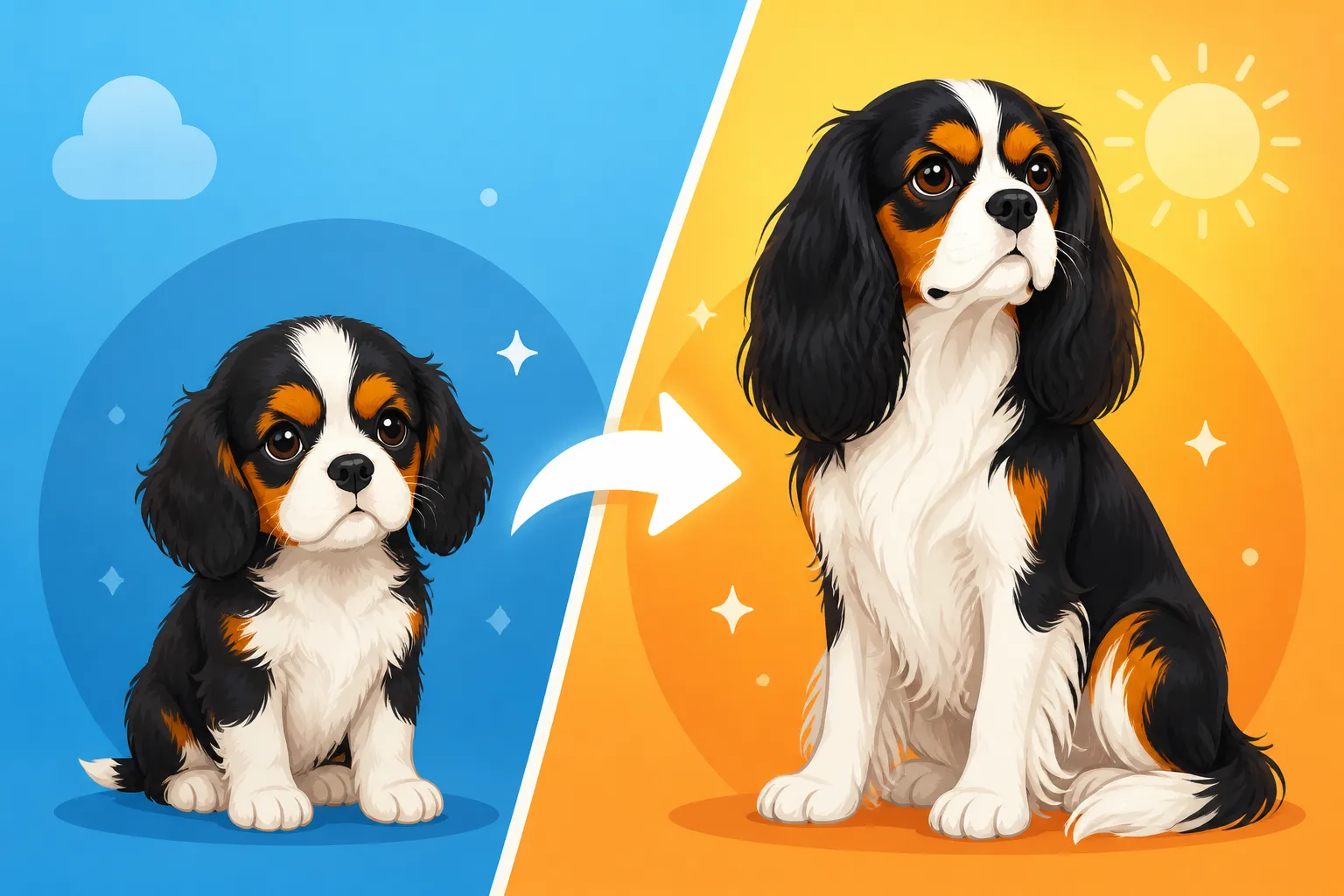
For many dog breeds, "senior" might kick in around 7 or 8 years old, but for Cavaliers, with their breed-specific predispositions, this age can often feel like a true turning point. While every dog is an individual, and some Cavaliers might still be zooming around like youngsters at eight, it's generally a good age to start thinking about them as entering their golden years. This doesn't mean they're "old" in a bad way, but rather that their bodies and minds are starting to need a different kind of support and attention.
Think of it this way: a human turning 60 might still be incredibly active, but they're likely more aware of their body's needs than a 30-year-old. The same applies to your Cavalier. Their organs might not be quite as efficient, their joints might not be as springy, and their senses could be dulling ever so slightly. It's a spectrum, of course, but preparing for these changes at around eight years old allows you to be proactive rather than reactive.
Some veterinarians might even suggest a "senior panel" of blood tests and more frequent check-ups starting at seven, just to get a baseline and catch any budding issues early. This proactive approach can make a world of difference in extending both the quality and length of your Cavalier's life.
Why Eight is a Pivotal Age for This Breed
Cavalier King Charles Spaniels, for all their charm and affectionate nature, are unfortunately prone to certain health conditions that tend to manifest or worsen as they age. Mitral Valve Disease (MVD) is perhaps the most well-known and impactful of these, often beginning to show signs of progression around this age. While a heart murmur might appear earlier, it’s often post-eight years old that symptoms become more pronounced, and the disease can advance. If you're interested in understanding this further, our article on Why Half of Cavaliers Have a Murmur by Five offers more insight into early murmur development.
But it’s not just their hearts. Conditions like Syringomyelia (SM), even if mild or undiagnosed in earlier years, can start causing more noticeable discomfort or neurological symptoms as their bodies experience general wear and tear. Arthritis can become a reality, impacting their once effortless leaps onto the sofa. Their dental health, if not meticulously maintained, can also reach a critical point, affecting their overall well-being. This convergence of potential issues means that the eight-year mark often necessitates a more vigilant approach to their health care, shifting from preventative puppy care to managing age-related changes.
Common Physical Changes as Cavaliers Age
As Cavaliers age, their physical bodies undergo various transformations, much like humans. Recognizing these changes early can help you provide targeted care and comfort.
The Heart of the Matter: MVD Progression
One of the most concerning changes for many Cavalier owners is the progression of Mitral Valve Disease. By eight years old, many Cavaliers will have developed a heart murmur, and for a significant number, this murmur may start to increase in grade. You might notice subtle signs like them tiring more quickly on walks, or perhaps taking longer to recover after a burst of excitement. These early indicators, even if minor, are crucial to observe and discuss with your vet.
As MVD progresses, the heart's efficiency diminishes, leading to an enlarged heart and potentially, fluid buildup in the lungs, known as congestive heart failure. Symptoms at this stage become more obvious and include persistent coughing, especially at night, difficulty breathing, a reduced appetite, and overall lethargy. It’s an incredibly stressful time for owners, but knowing How Cavalier Heart Disease Progresses Stage by Stage can help you anticipate and understand the veterinary recommendations. Regular cardiology check-ups, including echocardiograms, become vital to monitor the disease and initiate medications like Pimobendan or diuretics at the appropriate time to manage symptoms and improve quality of life. Understanding these costs is also important, as outlined in What Cavalier Heart Disease Costs to Treat.
Aches, Pains, and Stiff Joints
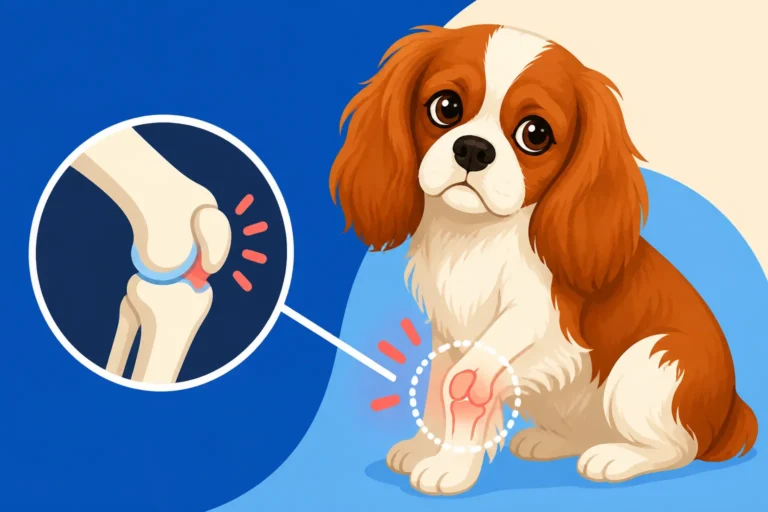
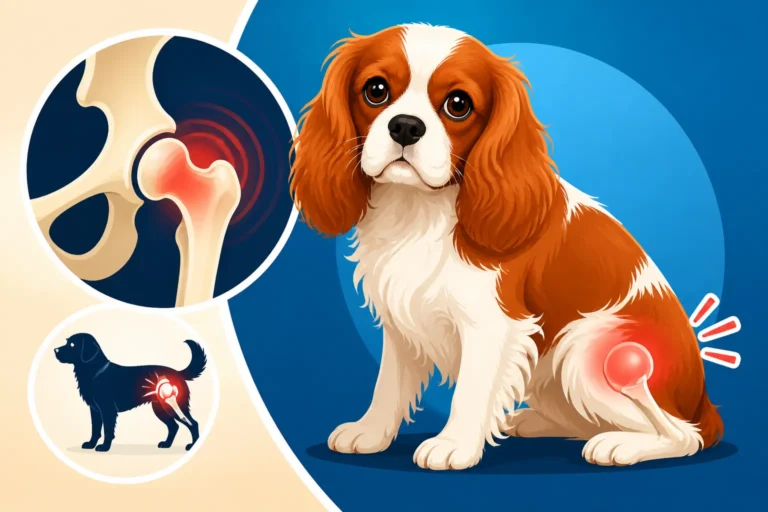
The spirited leaps and bounds of a young Cavalier can eventually give way to a more cautious gait as they age. Arthritis and other joint issues become more prevalent, especially in the hips and knees. You might notice your Cavalier is slower to get up after a nap, struggles with stairs, or is reluctant to jump onto furniture. These are all signs that their joints might be causing them discomfort. It's a common frustration when a previously agile dog seems to "rust up" overnight.
Muscle mass also tends to decline with age, even in active dogs. This can exacerbate joint pain, as there's less muscle to support the skeletal structure. Weight management becomes even more critical; extra pounds put undue stress on aging joints. Regularly assessing your Cavalier's body condition and adjusting their diet and exercise can make a significant difference. Our article on Cavalier Knees, Hips and Joint Problems delves deeper into these specific issues. Furthermore, some Cavaliers may also experience pain from Syringomyelia becoming more pronounced, leading to increased discomfort in the neck or back, which can mimic or worsen joint pain.
Sensory Decline: Sight and Hearing
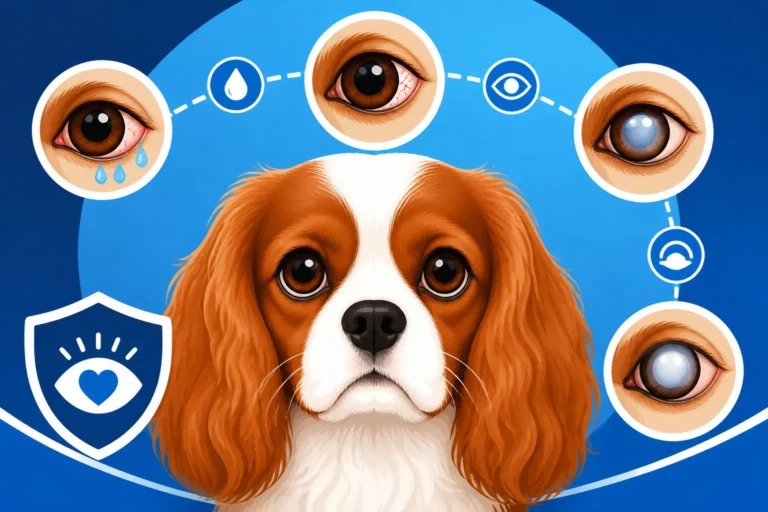
Just like humans, Cavaliers can experience a decline in their senses as they age. Their once keen eyesight might dim, and their hearing may not be as sharp. Common eye conditions include nuclear sclerosis, which gives the pupils a cloudy, bluish appearance but usually doesn't significantly impair vision, and more serious conditions like cataracts. If cataracts develop, they can eventually lead to significant vision loss. Another common issue is dry eye, which can cause discomfort and irritation if not managed. For a comprehensive overview, read about Cavalier Eye Disease From Dry Eye to Cataracts.
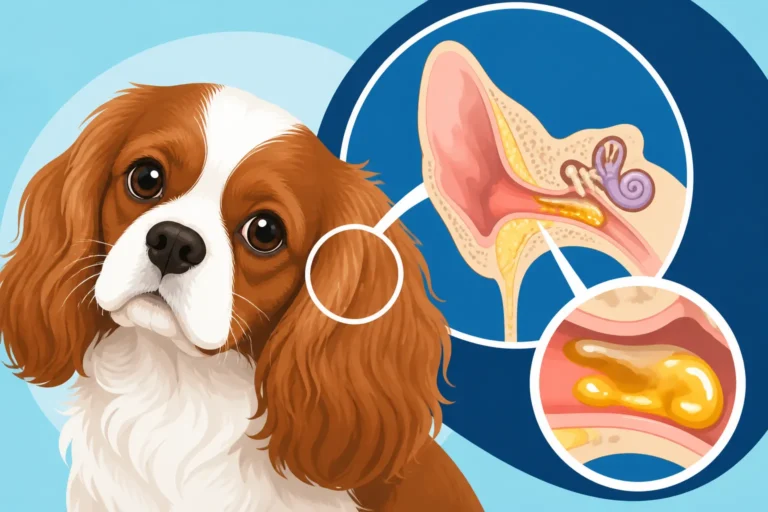
Hearing loss can be gradual and harder to spot. You might notice your Cavalier doesn't respond to their name as readily, sleeps through loud noises, or gets startled more easily if approached from behind. They might even bark more, trying to compensate or express frustration. It’s important to be patient and adapt your communication style to accommodate these changes. Using hand signals in conjunction with verbal cues can be helpful. While we can’t stop these natural processes, understanding them allows us to make their environment safer and their lives more comfortable, such as avoiding sudden approaches that might startle them.
Behavioral and Cognitive Shifts in the Older Cavalier
Physical changes are one thing, but sometimes the shifts in an older Cavalier's behavior and cognitive function can be even more perplexing for owners. It's easy to dismiss these as just "getting old," but often, there's more to it.
Changes in Sleep Patterns and Activity Levels
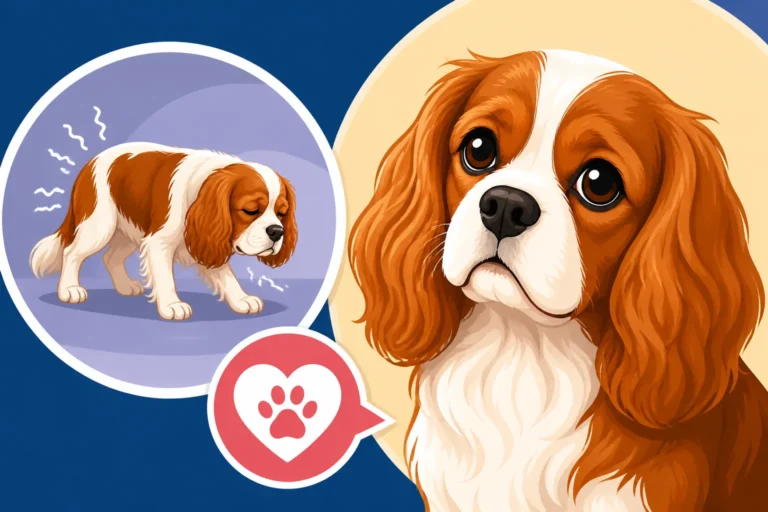
One of the most noticeable behavioral changes in an aging Cavalier is a shift in their sleep patterns and overall energy. They'll likely sleep more during the day, finding comfort in their beds or a sunny spot, and their once-relentless pursuit of play may dwindle. Short, gentle walks might replace long, vigorous hikes. It's natural for their stamina to decrease, especially if they are managing heart disease or joint pain. However, it's also common for older dogs to experience disrupted sleep at night.
You might find your Cavalier restless, pacing, or even barking at odd hours during the night. This can be due to discomfort, increased need to potty, or a symptom of cognitive decline. While more sleep overall is normal, significant changes in sleep-wake cycles warrant a vet visit to rule out underlying pain or other medical issues. It’s a fine line between normal aging and a sign that something needs attention, and your veterinarian can help distinguish between the two. Adapting your routine to shorter, more frequent outdoor breaks can help with nighttime restlessness, as can ensuring their sleeping area is warm and comfortable.
Cognitive Dysfunction Syndrome (CDS): Beyond "Just Getting Old"
Sometimes, the changes in an older Cavalier's behavior go beyond simple slowing down and point towards Cognitive Dysfunction Syndrome, often compared to Alzheimer's in humans. This condition affects their memory, learning, awareness, and ability to respond appropriately. It can be heartbreaking to witness, as your once bright and responsive companion seems to "drift away."
Signs of CDS can include disorientation (getting lost in familiar surroundings, staring blankly at walls), changes in social interaction (less affectionate, more irritable, or seeking excessive attention), altered sleep-wake cycles (pacing at night, sleeping more during the day), and house-soiling accidents. They might forget commands they've known their whole lives or seem confused by routines. It's a truly frustrating experience for owners, as you question if your dog is deliberately ignoring you or if something more profound is happening. There are medications and supplements available that can help manage the symptoms and slow the progression of CDS, so it’s crucial to discuss any concerns with your vet. Early recognition and intervention can significantly improve their quality of life.
Potty Habits and House-Training Regressions
Even the most impeccably house-trained Cavalier can start having "accidents" as they get older. This can be incredibly frustrating, especially if they've never had an accident in the house before. However, it's rarely a sign of defiance. Age-related incontinence is common and can stem from several issues: weakened bladder muscles, kidney disease, medications (especially diuretics for heart failure), or even cognitive decline where they simply forget to ask to go out or don't recognize the need until it's too late.
Increased frequency of urination, straining, or accidents might also indicate a urinary tract infection, which older dogs are more susceptible to. It’s always best to have your vet check for medical causes first. Once medical issues are ruled out or managed, you might need to adjust your routine to include more frequent potty breaks, particularly after waking up or after meals. Using waterproof bedding, doggy diapers, or pee pads can help manage accidents and reduce stress for both you and your Cavalier. Patience and understanding are key here, as your senior Cavalier isn't trying to be naughty; they're simply struggling with changes beyond their control.
Managing Health Concerns in Your Aging Cavalier
Proactive and thoughtful management of your Cavalier's health concerns can significantly enhance their comfort and well-being during their senior years. This often means a shift in perspective and a closer partnership with your vet.
The Importance of Regular Vet Check-ups
As your Cavalier ages, annual vet visits might no longer be enough. Many veterinarians recommend twice-yearly check-ups for senior dogs, typically starting around age 7 or 8. These more frequent visits allow your vet to monitor chronic conditions, detect new issues early, and adjust care plans as needed. These check-ups aren't just about catching problems; they're about establishing baselines and tracking subtle changes that might otherwise go unnoticed.
During these visits, your vet will likely perform a thorough physical exam, paying close attention to their heart, lungs, joints, eyes, and dental health. They might recommend routine blood work and urinalysis to check organ function, particularly kidneys and liver, and to screen for conditions like diabetes. For Cavaliers specifically, monitoring their heart with a stethoscope is crucial, and if a murmur is detected or has progressed, a referral to a cardiologist for an echocardiogram might be necessary. This proactive approach is your best defense against serious health downturns, allowing for early intervention and potentially delaying the onset of more severe symptoms. This is why Annual Cardiologist Exams for a Cavalier become non-negotiable.
Tailoring Diet and Exercise for Senior Needs
The nutritional and exercise needs of a senior Cavalier differ significantly from their younger counterparts. As activity levels decrease, their metabolism slows down, making them prone to weight gain, which can exacerbate joint problems and put extra strain on an already compromised heart. Conversely, some older Cavaliers might start losing muscle mass, requiring a diet rich in highly digestible protein.
Your vet can help you choose a senior-specific dog food that is lower in calories, has appropriate protein levels, and often includes joint-supporting supplements like glucosamine and chondroitin. Small, frequent meals can also be easier on an aging digestive system. For Cavaliers with heart disease, a low-sodium diet might be recommended to help manage fluid retention. Portion control is paramount; using a kitchen scale to measure their food precisely can prevent accidental overfeeding.
Exercise, while needing to be less strenuous, remains crucial for maintaining muscle tone, joint flexibility, and mental well-being. Short, gentle walks, perhaps more frequent throughout the day, are ideal. Avoid high-impact activities or long periods of intense play. Swimming can be an excellent low-impact exercise for dogs with joint pain. The key is to keep them moving within their comfort level, ensuring they don't overexert themselves. You can find more practical advice in our article on Caring for a Cavalier Past Nine, which provides useful tips for older dogs.
Pain Management and Quality of Life
One of the most important aspects of caring for an aging Cavalier is ensuring their comfort and managing any pain they might be experiencing. Older dogs are incredibly stoic and often hide their pain until it's quite advanced. Subtle signs like reluctance to move, slower movements, difficulty getting comfortable, changes in posture, or even changes in temperament (e.g., becoming grumpy or withdrawn) can all indicate pain.
There are many options for pain management, depending on the cause. For arthritis and joint pain, non-steroidal anti-inflammatory drugs (NSAIDs) are often prescribed, along with joint supplements. For nerve pain, common in Cavaliers with Syringomyelia, medications like Gabapentin can be very effective. Acupuncture, physical therapy, and even massage can also play a role in easing discomfort. The goal is always to improve their quality of life, allowing them to enjoy their remaining years as fully as possible. This involves a compassionate assessment of their daily activities, ensuring they can eat, sleep, move, and interact without undue suffering. Our article on Pain Management for a Senior Cavalier covers various strategies in depth.
Emotional and Lifestyle Adjustments for Owners
As your Cavalier transitions into their senior years, it's not just their body that changes; your routine and home environment will likely need to adapt too. These adjustments are a testament to your loving commitment.
Adapting Your Home Environment
Making your home senior-friendly can significantly improve your Cavalier's comfort and safety. Those once-easy jumps onto the sofa or into the car can become painful or even dangerous if their joints are stiff or their vision is failing. Consider investing in pet ramps or steps to help them access furniture or vehicles without strain. Non-slip rugs or runners on hardwood or tile floors can prevent slips and falls, which can be particularly devastating for older dogs.
Ensuring easy access to food, water, and potty areas is also crucial. If they struggle with mobility, move their food and water bowls closer to their resting spots. Nightlights can help a disoriented or vision-impaired Cavalier navigate the house in the dark. Providing extra soft, orthopedic beds can alleviate pressure on aching joints and promote better sleep. Remember, their world is shrinking, so making their immediate environment as comfortable and accessible as possible becomes paramount.
Maintaining Mental Stimulation
While their physical activity might decrease, maintaining mental stimulation is vital for keeping your senior Cavalier engaged and preventing cognitive decline. Just like humans, "use it or lose it" applies to their brains too. This doesn't mean rigorous training sessions, but rather gentle, enriching activities. Scent games, where you hide treats around the house for them to sniff out, are excellent as they rely on their strong sense of smell rather than sight or speed. Puzzle toys, filled with kibble or healthy treats, can keep their minds working.
Short, positive training refreshers of basic commands, using high-value treats and lots of praise, can also be beneficial. Even just talking to them, naming objects, or gently petting them while describing your actions can provide mental engagement. The key is to keep activities low-stress and rewarding, celebrating their efforts no matter how small. This helps maintain their cognitive function, keeps them happy, and strengthens your bond.
Navigating the Emotional Rollercoaster
Caring for an aging Cavalier can be an emotional rollercoaster. There are days of immense joy, watching them snooze peacefully in a sunbeam, and days of profound sadness, witnessing their decline or grappling with difficult medical decisions. It's okay to feel overwhelmed, frustrated, or heartbroken. These feelings are a natural part of loving a pet deeply.
Seek support from other Cavalier owners, online communities, or even a pet loss support group when the time comes. Talking about your feelings can be incredibly cathartic. Remember that your Cavalier relies on you to be their advocate and comforter. Focusing on providing comfort, love, and maintaining their dignity is the most important thing. Cherish every snuggle, every quiet moment, and celebrate the amazing bond you share. This journey is challenging, but also incredibly rewarding, deepening the love you have for your furry family member.
Proactive Planning for the Golden Years
While we hope our Cavaliers live forever, reality dictates otherwise. Being proactive in planning for their senior years can ease the burden when tough decisions arise, allowing you to focus on their well-being.
Financial Preparedness for Increased Care
The unfortunate truth is that senior Cavaliers often come with increased veterinary bills. Managing chronic conditions like MVD, arthritis, or even just needing more frequent check-ups and diagnostic tests can add up quickly. This financial aspect can be a significant source of stress for owners, especially when an unexpected emergency arises. Planning ahead can alleviate some of this pressure.
Consider setting up a dedicated savings fund for your Cavalier's senior care. Even putting aside a small amount each month can provide a crucial buffer. Pet insurance, if acquired when your Cavalier was young and healthy, can be an invaluable resource. However, if your Cavalier is already eight and has pre-existing conditions like a heart murmur, it might be challenging to find a policy that covers those specific issues. Many policies have waiting periods or exclude conditions diagnosed before enrollment. Still, some providers like Healthy Paws might offer accident-only coverage or plans that cover new conditions that arise. It’s worth exploring different options to ensure you can provide the best care without financial strain. Look into what Insuring a Cavalier Before the Murmur Arrives can save you in the long run.
| Age-Related Change | Common Manifestations | Potential Interventions / Management |
|---|---|---|
| Cardiac Health | Increased murmur grade, coughing, lethargy, breathlessness | Regular cardiologist exams, medications (Pimobendan, diuretics), low-sodium diet |
| Musculoskeletal | Stiffness, reluctance to jump/climb, limping, muscle loss | Pain medication (NSAIDs), joint supplements, gentle exercise, ramps, orthopedic beds |
| Sensory Decline | Cloudy eyes, vision loss, hearing loss, startled easily | Regular eye exams, managing dry eye, adapting communication, nightlights |
| Cognitive Function | Disorientation, altered sleep, house-soiling, anxiety | Vet assessment for CDS, prescription medications, mental stimulation, consistent routine |
| Dental Health | Bad breath, painful eating, tooth loss, gum disease | Regular dental cleanings (under anesthesia if safe), dental chews, daily brushing |
| Weight Changes | Weight gain (slower metabolism) or muscle loss (disease) | Tailored senior diet, measured portions, appropriate exercise, muscle-building supplements |
| Bladder Control | House accidents, increased urination, straining | Vet check for UTIs/kidney issues, frequent potty breaks, doggy diapers, waterproof bedding |
Open Communication with Your Veterinary Team
Your veterinarian and their team are your most important partners in navigating your Cavalier's senior years. Maintaining open and honest communication with them is absolutely essential. Don't hesitate to ask questions, voice your concerns, or seek clarification on treatments and prognoses. They can provide invaluable guidance, not only on medical treatments but also on quality of life assessments, pain management, and even emotional support resources.
Discuss your Cavalier's daily routine, appetite, energy levels, and any behavioral changes you've observed, no matter how minor. What might seem insignificant to you could be a crucial clue for your vet. Together, you can create a comprehensive care plan that addresses their specific needs, manages existing conditions, and adapts as they continue to age. This partnership ensures that your senior Cavalier receives the best possible care, allowing you to cherish every moment with them.
Disclaimer
The information provided in this guide is intended for educational purposes only and should not be considered a substitute for professional veterinary advice, diagnosis, or treatment. Always seek the advice of your qualified veterinarian with any questions you may have regarding a medical condition or treatment for your Cavalier King Charles Spaniel.