What Most Cavaliers Are Lost To
It’s a heartbreaking reality to face, but for many Cavalier King Charles Spaniel parents, the joy of their furry companion is inevitably intertwined with the knowledge that these sweet dogs are predisposed to certain significant health challenges. This guide is here to shed light on what most Cavaliers are ultimately lost to, helping you understand these conditions, recognize potential signs, and feel more prepared for the journey ahead with your beloved companion.
The Predominant Health Challenge: Heart Disease
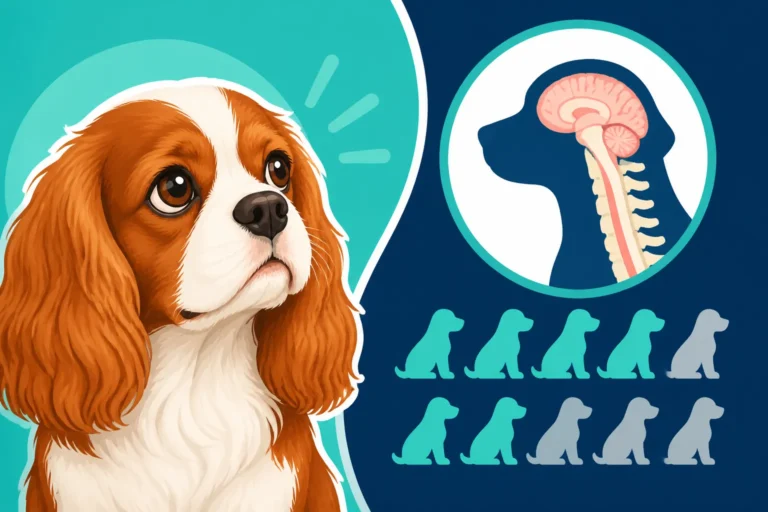
When we talk about what most Cavaliers are lost to, Mitral Valve Disease (MVD) stands head and shoulders above all other conditions. It's the leading cause of death in our beloved breed, a devastating fact that weighs heavily on every Cavalier owner's heart. It's not just a possibility; it's almost an inevitability for a significant portion of the breed, appearing earlier and progressing faster than in most other dog breeds.
Understanding Mitral Valve Disease (MVD)
Mitral Valve Disease is a degenerative condition where the mitral valve, located on the left side of the heart, gradually thickens and deteriorates. This valve's crucial job is to prevent blood from flowing backward into the left atrium when the left ventricle contracts to pump blood out to the body. As the valve weakens, it can't close properly, leading to a "leak" where blood regurgitates. This turbulent backflow is what a vet hears as a heart murmur. The earlier and louder the murmur, the more advanced the disease typically is, though an echocardiogram is the only way to truly assess the severity and the size of the heart.
This condition is so pervasive in Cavaliers that it's often referred to as "Cavalier heart disease." It’s a genetic predisposition that has unfortunately become deeply ingrained within the breed lines, making finding a Cavalier completely free of this risk incredibly challenging. Reputable breeders are actively working to mitigate this through careful breeding protocols, but it remains a formidable foe. Understanding Mitral Valve Disease in the Cavalier King Charles Spaniel is the first step in recognizing the seriousness of this inherited condition.
The Progression and Impact of MVD
The progression of MVD is often insidious, starting silently and developing over months or years. Initially, a murmur might be the only sign, often detected during a routine vet check-up. Many Cavaliers live comfortably for years with a low-grade murmur. However, as the disease advances, the heart has to work harder to compensate for the leaking valve. This extra effort leads to enlargement of the heart, particularly the left atrium, which can then put pressure on the airways, leading to a cough. As heart function continues to decline, symptoms like reduced exercise tolerance, increased resting respiratory rate, and even fainting spells can emerge.
Eventually, if left untreated or if the disease progresses rapidly, the heart can no longer compensate, leading to congestive heart failure. This is when fluid starts to build up, often in the lungs (pulmonary edema), making it very difficult for the dog to breathe. This stage is incredibly distressing for both the dog and their family and is ultimately what most Cavaliers are lost to when MVD takes its final toll. Managing this progression involves regular veterinary check-ups, medication, and close monitoring. Learning about How Cavalier Heart Disease Progresses Stage by Stage can help owners understand what to expect and when to intervene. For those facing the difficult reality of a diagnosis, knowing How Long a Cavalier Lives After Diagnosis can provide some perspective and help in planning care.
Neurological Conditions: A Silent Struggle
Beyond heart disease, neurological conditions, particularly those related to the structure of the skull and brain, represent another significant area where Cavaliers face unique challenges, sometimes leading to profound discomfort and ultimately contributing to their demise.
Syringomyelia and Its Effects
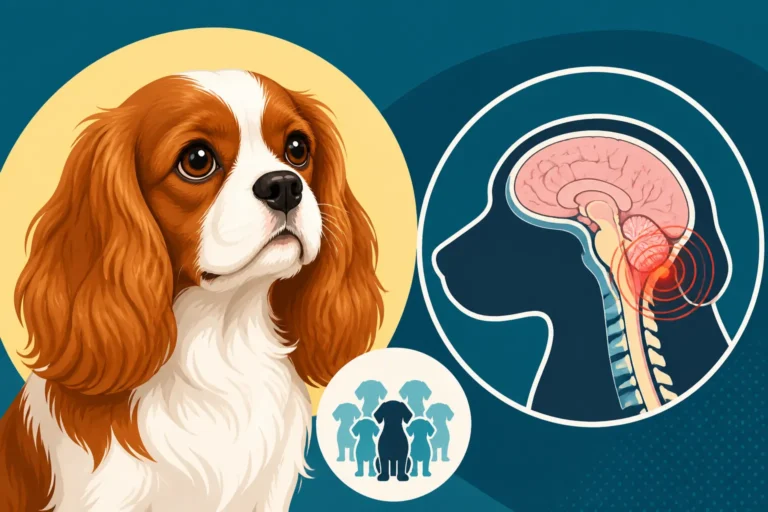
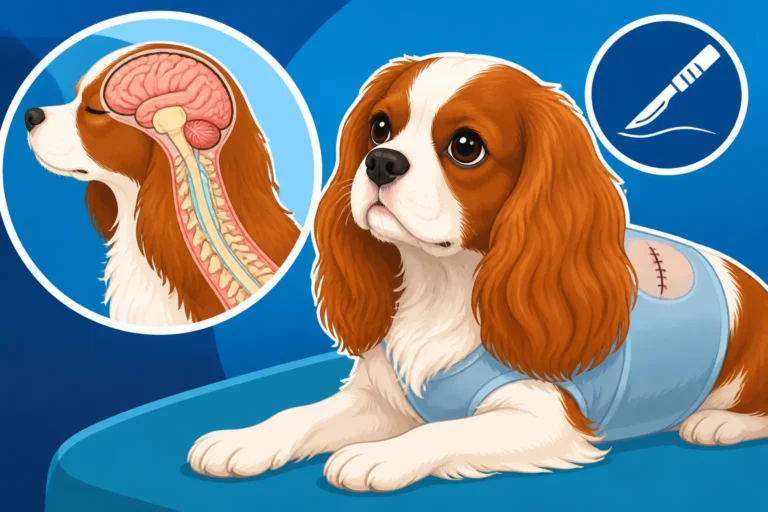
Syringomyelia (SM) is a devastating neurological condition that causes fluid-filled cavities, or syrinxes, to form within the spinal cord. This typically occurs because the Cavalier's skull is often too small for its brain, particularly the cerebellum, which then gets pushed down into the spinal canal. This obstruction disrupts the normal flow of cerebrospinal fluid (CSF), leading to pressure changes and the formation of these painful syrinxes. The classic, heartbreaking sign often associated with SM is "phantom scratching," where the dog scratches at its shoulder or neck without making contact, as if trying to relieve an itch that isn't there.
The pain associated with SM can range from mild discomfort to severe, debilitating agony, making the dog yelp when touched, refuse to wear a collar, or even change its sleeping position to elevate its head. It’s a condition that can drastically reduce a Cavalier's quality of life and, in severe cases, necessitates difficult decisions about their welfare. Many owners describe it as watching their beloved dog suffer in silence. To delve deeper into this complex issue, understanding Syringomyelia and Chiari Malformation in Cavaliers is crucial for any Cavalier owner. For dogs experiencing discomfort, exploring options for Pain Relief for a Cavalier With Syringomyelia can make a significant difference in their daily lives.
Chiari-like Malformation (CM)
Chiari-like Malformation (CM) is the anatomical abnormality that often precedes and underlies Syringomyelia. It refers to the condition where the back part of the brain (the cerebellum) is too large for the skull cavity and is pushed through the foramen magnum (the opening at the base of the skull) into the spinal canal. This crowding at the junction of the brain and spinal cord obstructs the normal flow of cerebrospinal fluid, setting the stage for syrinx formation. Not all Cavaliers with CM will develop SM, but the vast majority of Cavaliers with SM also have CM.
While CM itself may not always present with outward symptoms, the pressure and abnormal CSF flow can cause headaches, neck pain, and other neurological issues. It's a silent battle happening within their tiny skulls, and it highlights a significant structural flaw in the breed. Diagnosing CM and SM often requires an MRI scan, which can be an expensive and emotionally taxing process for owners. The relationship between these two conditions is intricate, and it’s a constant concern for breeders and owners alike.
Other Significant Health Concerns in Cavaliers
While heart disease and neurological issues are the most common causes of loss, Cavaliers are also susceptible to other health problems that can diminish their quality of life and shorten their time with us.
Cancer and Age-Related Illnesses
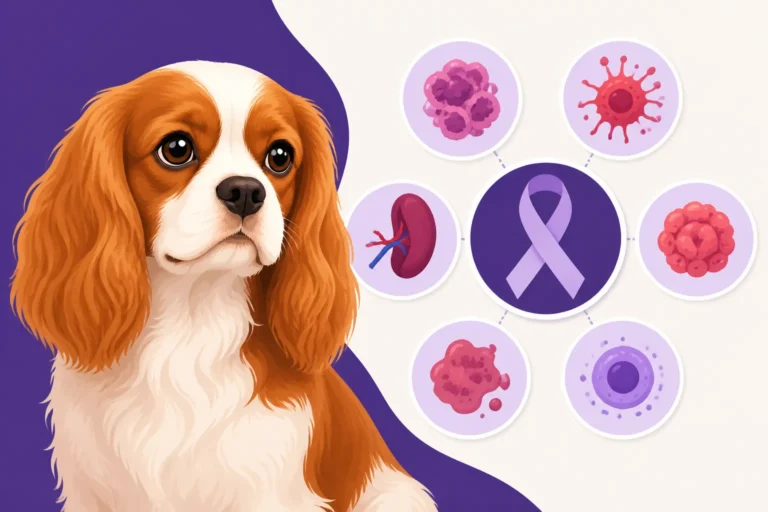
Like all dog breeds, Cavaliers can suffer from various forms of cancer. As they age, the risk of developing malignant tumors increases, and cancer can sadly become a cause of death. Common cancers seen in Cavaliers include mast cell tumors, lymphoma, and various carcinomas. The heartbreaking reality is that even with early detection and treatment, cancer can be aggressive and ultimately terminal. Vigilance in checking for lumps, changes in behavior, or unexplained weight loss becomes even more critical as our Cavaliers mature. Knowing about Cancer Types Seen in Cavaliers can help owners be more proactive in monitoring their pets.
Beyond cancer, older Cavaliers, much like older people, become more prone to a range of age-related ailments. This includes kidney disease, liver issues, arthritis, and cognitive dysfunction. These conditions, while not always directly fatal, can significantly impact their well-being, leading to a decline in health that prompts difficult end-of-life decisions for their families. Caring for a Cavalier Past Nine often involves managing multiple chronic conditions, which requires dedication, patience, and a strong partnership with your veterinarian.
Accidental Tragedies and Preventable Risks
While we often focus on inherited diseases, it's also important to acknowledge that accidents and preventable risks can tragically cut a Cavalier's life short. Their small size, inquisitive nature, and sometimes lack of road sense make them vulnerable to various hazards. Traffic accidents, for instance, are a heartbreaking reality for many dogs, and Cavaliers, with their sometimes oblivious nature, are particularly at risk if not properly secured or supervised outdoors. Even a short walk can turn tragic if a Cavalier darts into the street. It's crucial to be aware of Whether a Cavalier Has No Traffic Sense and take appropriate precautions.
Furthermore, ingestion of toxic substances (like certain human foods, plants, or household chemicals), falls from heights, or altercations with larger animals can all lead to severe injury or death. This emphasizes the importance of a safe, supervised environment, constant vigilance, and understanding their unique vulnerabilities.
Here’s a table summarizing the leading causes of loss in Cavalier King Charles Spaniels:
| Condition | Primary Impact | Common Age of Onset (approx.) | Progression Rate | Key Symptoms |
|---|---|---|---|---|
| Mitral Valve Disease | Heart failure, fluid in lungs | 4-8 years | Variable, often rapid | Coughing (especially at night), lethargy, reduced exercise tolerance, fainting, difficulty breathing |
| Syringomyelia | Chronic pain, neurological dysfunction | 6 months – 5 years | Variable | Phantom scratching, yelping when picked up, neck pain, altered gait, weakness, head tilting |
| Cancer | Organ failure, systemic illness | 7+ years | Variable, can be rapid | Lumps, weight loss, lethargy, vomiting, diarrhea, limping, changes in appetite |
| Accidents/Trauma | Acute injury, internal damage | Any age | Immediate | Varies based on incident (e.g., limping, bleeding, unconsciousness, poisoning symptoms) |
| Kidney/Liver Disease | Organ failure, toxin buildup | 8+ years | Gradual | Increased thirst and urination, vomiting, weight loss, lethargy, poor appetite |
Prevention and preparation are key, both in terms of responsible ownership and financial readiness. Pet insurance from providers like Healthy Paws can be a lifesaver, covering a significant portion of unexpected veterinary bills for these serious conditions. It's truly a must-have for Cavalier owners. Starting early, even before symptoms appear, is critical, as many policies consider pre-existing conditions. For more information, consider reading Insuring a Cavalier Before the Murmur Arrives. Having an emergency fund, even if you have insurance, is always a wise decision, as discussed in The Emergency Fund a Cavalier Owner Needs.
Preparing for the Inevitable: Proactive Steps and Support
Understanding what most Cavaliers are lost to isn't meant to instill fear, but rather to empower you with knowledge. Being aware allows you to be proactive, to partner effectively with your veterinarian, and to provide the best possible care for your Cavalier throughout their life.
Early Detection and Regular Veterinary Care
Regular veterinary check-ups are paramount, especially for a breed with such well-documented health predispositions. Your vet can perform annual physical exams, listen carefully for heart murmurs, and discuss any behavioral or physical changes you might have noticed. For a Cavalier, these annual visits aren't just routine; they're vital early warning systems. A murmur, even a faint one, might be the first hint of MVD, prompting further diagnostic tests like an echocardiogram to get a clear picture of heart health. This proactive approach can lead to earlier intervention, potentially extending your Cavalier's comfortable years.
For neurological conditions, paying close attention to subtle changes in your Cavalier's movement, sleep patterns, or reactions to touch can be crucial. If you notice any signs of discomfort, phantom scratching, or changes in gait, don't hesitate to bring it up with your vet. Early discussions about symptoms, even if seemingly minor, can lead to earlier diagnosis and management, significantly impacting your Cavalier's quality of life. Remember, your vet is your most important partner in navigating these complex health challenges.
Lifestyle Management and Supportive Care
Beyond medical interventions, supporting your Cavalier's health through lifestyle choices can make a significant difference. Maintaining a healthy weight is absolutely critical, particularly for Cavaliers prone to heart disease. Extra weight puts additional strain on the heart and joints, accelerating disease progression. A balanced, appropriate diet tailored to their age and activity level, combined with moderate, consistent exercise, can contribute greatly to their overall well-being. Discussion around Whether Diet Slows a Cavalier's Heart Disease is common, and while diet alone won't cure MVD, proper nutrition is a cornerstone of supportive care.
Creating a safe home environment also plays a huge role in preventing accidental tragedies. Child-proofing your home from a dog's perspective, securing garbage, keeping toxic substances out of reach, and supervising outdoor play are simple yet effective measures. For older Cavaliers, considering modifications like ramps or orthopedic beds can ease the burden on aging joints. The journey with a Cavalier is often one of deep love and dedicated care, especially as they face the challenges inherent to the breed.
Financial Preparedness and Emotional Support
Cavalier health issues can be financially demanding and emotionally draining. Preparing for both aspects is an essential part of responsible ownership.
Understanding the Costs Involved
The advanced diagnostics and long-term treatments for conditions like MVD and Syringomyelia can be very expensive. A cardiac workup, including an echocardiogram and potentially blood tests like NT-proBNP, can cost hundreds of dollars, and these may need to be repeated annually. Long-term medications for heart disease, such as Pimobendan and diuretics, can add up to hundreds of dollars monthly, year after year. Similarly, an MRI for Syringomyelia can cost thousands, and ongoing pain management often involves expensive prescription medications. These are not small sums, and they can catch owners off guard if they haven't planned ahead.
This is where pet insurance becomes an invaluable tool. Policies from companies like Healthy Paws can help cover a large percentage of these unforeseen veterinary expenses, making critical treatment decisions easier and more affordable. It's so important to enroll your Cavalier in a good pet insurance plan while they are young and healthy, before any signs of disease emerge, to ensure these conditions aren't considered pre-existing. It's often too late once a murmur or neurological symptom appears. Beyond insurance, having a dedicated savings account for your pet's healthcare can provide a crucial safety net for deductibles or treatments not fully covered. What Cavalier Heart Disease Costs to Treat is a sobering read but essential for preparation.
Seeking Emotional Support and Resources
Navigating the chronic illnesses of a beloved pet is incredibly stressful. It's okay, and even necessary, to seek emotional support. Connecting with other Cavalier owners, either through local breed clubs or online communities, can provide a network of people who truly understand what you're going through. They can share experiences, offer advice, and provide a shoulder to lean on. These communities often have valuable insights into local vets, specialists, and resources that can make a huge difference.
Additionally, many veterinary practices offer grief counseling or can refer you to pet loss support services. The bond with a Cavalier is unique and profound, and the pain of their illnesses and eventual loss is real and valid. Don't underestimate the emotional toll it can take, and don't hesitate to reach out for help. Remember, you're not alone in this journey.
Disclaimer
The information provided in this article is for general informational purposes only and does not constitute veterinary advice. Always consult with a qualified veterinarian for any health concerns or before making any decisions about your pet's medical care.