Whether a Cavalier Can Reach Fifteen
It’s a natural desire for any dog owner, especially those of us who share our lives with the truly special Cavalier King Charles Spaniel, to hope for as many years as possible with our beloved companions. When we hear stories of dogs living into their late teens, a little spark ignites, and we wonder, "Can my Cavalier reach fifteen?" While it's a beautiful aspiration, the reality for our sweet-natured Cavaliers is often a little more complex. This guide will delve into the realistic lifespan of a Cavalier and explore what factors might, or might not, contribute to one of these precious pups celebrating their fifteenth birthday.
Understanding the Cavalier's Typical Lifespan
Let's be honest, wishing our Cavaliers a long life often comes with a quiet fear, knowing the health challenges this breed can face. It’s important to manage expectations with a dose of realism, even as we strive for the best possible care.
The Realistic Average Life Expectancy
The generally accepted average lifespan for a Cavalier King Charles Spaniel typically falls within the range of 9 to 14 years. This isn't just a number plucked out of thin air; it's an average derived from years of data, reflecting the common health trajectories of the breed. For many Cavalier owners, reaching 12 or 13 years old is considered a good, long life, often celebrated with a mix of joy and bittersweet acknowledgement of the journey shared.
To put it in perspective, reaching 14 years is already entering the upper echelons of this average. So, when we talk about a Cavalier hitting the grand old age of 15, we're discussing an achievement that is truly exceptional, bordering on rare. It's not impossible, but it's certainly not the norm. The reason for this more conservative average compared to some other breeds often boils down to the genetic predispositions of Cavaliers to certain debilitating health conditions that tend to shorten their lives.
Major Health Challenges Influencing Longevity
Unfortunately, the Cavalier King Charles Spaniel is a breed that is famously, and tragically, prone to a few significant health issues that can drastically impact their longevity. These aren't just minor ailments; they are serious, progressive conditions that, for many Cavaliers, become the ultimate determining factor in their lifespan.
The most prevalent and impactful condition is Mitral Valve Disease in the Cavalier King Charles Spaniel (MVD). This heartbreaking heart condition affects a staggering number of Cavaliers, often starting much earlier in life than in other breeds. It’s a progressive degeneration of the mitral valve, leading to a heart murmur that can worsen over time, eventually causing congestive heart failure. While treatments can extend a Cavalier's life and improve their quality of life, MVD is almost always terminal, and it's the leading cause of death in the breed. The age at which a murmur first appears, and how quickly it progresses, is a huge predictor of a Cavalier's ultimate lifespan.
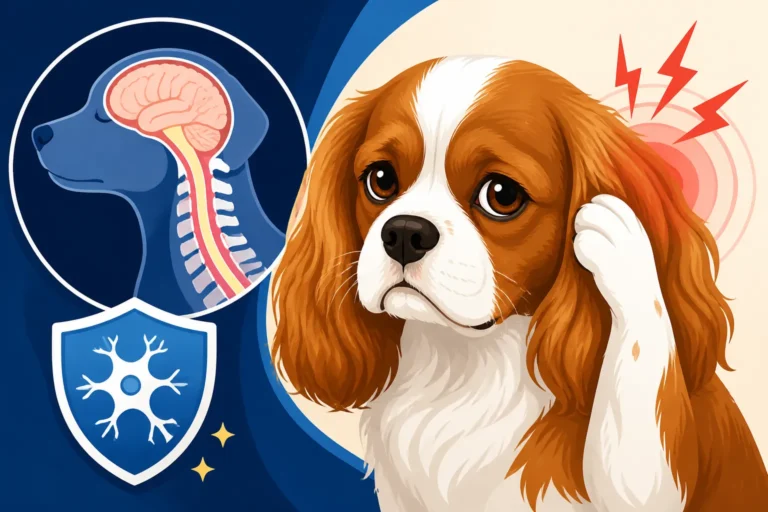
Another significant, and often equally devastating, neurological condition is Syringomyelia and Chiari Malformation in Cavaliers (SM). This condition involves the skull being too small for the brain, leading to pressure on the brain and spinal cord, causing fluid-filled cavities (syringes) to form within the spinal cord. SM can cause chronic pain, neurological deficits, and significantly reduce a Cavalier's quality of life, and in severe cases, their lifespan. While there are medical and surgical interventions, they don't always offer a complete cure and managing the pain can be a lifelong challenge.
Beyond these two major concerns, Cavaliers can also face other issues that contribute to their overall health picture and, thus, their longevity. These can include certain cancers, patellar luxation, hip dysplasia, and various eye conditions. While perhaps not as universally life-limiting as severe MVD or SM, these conditions can add to the burden on a senior Cavalier's body and complicate care, making that goal of 15 years even more challenging.
Factors That Could Contribute to a Longer Cavalier Life
While the statistics can feel daunting, it’s not all doom and gloom. There are absolutely proactive steps owners can take, and factors that align, to give a Cavalier the very best chance at a long, fulfilling life, potentially nudging them towards that impressive 15-year mark.
The Role of Responsible Breeding and Genetics
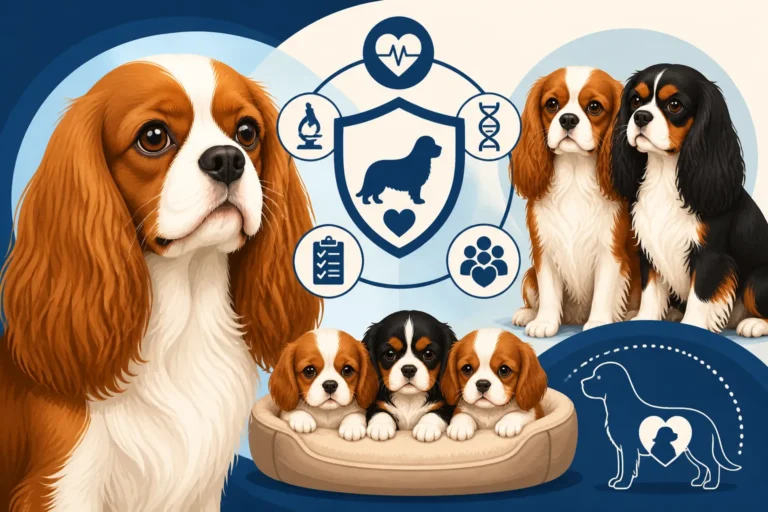
Perhaps the single most critical factor in a Cavalier's potential longevity begins long before they ever set paw in your home: their genetics. Choosing a puppy from a truly responsible, health-testing breeder is paramount. A breeder who prioritizes health will meticulously screen their breeding dogs for the common inherited diseases that plague the breed.
This means seeking out breeders who follow rigorous health protocols. For MVD, this means breeding dogs that are at least 5 years old and clear of a heart murmur, following the recommendations of The Cavalier MVD Breeding Protocol. This protocol aims to delay the onset of MVD in future generations. For Syringomyelia, breeders should have their dogs undergo MRI scans to assess for Chiari Malformation and SM. Furthermore, reputable breeders will perform The DNA Tests Every Cavalier Should Have for conditions like Episodic Falling Syndrome and Dry Eye/Curly Coat Syndrome, ensuring their puppies won't suffer from these inherited ailments.
When you invest in a puppy from a breeder who can provide verifiable health clearances, you are inherently starting with a dog that has a much better genetic foundation for a longer life. It doesn't guarantee a specific lifespan, as genetics are complex and environmental factors play a huge role, but it significantly stacks the odds in your favor. This initial choice when Buying a Cavalier From a Health-Testing Breeder is the most powerful preventative measure an owner can take.
Proactive Veterinary Care and Early Detection
Once you bring your Cavalier home, consistent and proactive veterinary care becomes your steadfast ally in promoting a long life. Regular check-ups, even when your Cavalier seems perfectly healthy, are crucial. These routine visits allow your vet to establish a baseline of health and catch any subtle changes that might indicate an emerging problem.
For Cavaliers, annual cardiologist exams are not just a good idea; they are absolutely essential. A board-certified veterinary cardiologist can monitor your dog's heart health far more thoroughly than a general practitioner, using specialized equipment. These Annual Cardiologist Exams for a Cavalier often include auscultation (listening with a stethoscope) and, as a Cavalier ages or if a murmur is detected, an echocardiogram. An echocardiogram provides a detailed ultrasound image of the heart, allowing the cardiologist to see the structure and function of the valves and chambers. This is how they truly assess What a Cavalier Echocardiogram Shows, identifying the severity of MVD and tracking its progression. Early detection through these methods means that intervention, such as starting medication like Pimobendan, can begin at the optimal time, potentially delaying the onset of congestive heart failure.
Being financially prepared for these diagnostics and potential ongoing treatments is also a huge part of being proactive. Many owners find that having a good pet insurance plan like Healthy Paws can make these crucial diagnostics and long-term medication costs more accessible, removing a significant barrier to the best possible care. This proactive approach to healthcare, coupled with access to advanced veterinary medicine, is a cornerstone of maximizing a Cavalier’s lifespan.
Lifestyle, Nutrition, and Weight Management
Beyond genetics and veterinary care, the day-to-day lifestyle you provide for your Cavalier plays an enormous role in their overall health and potential longevity. It's about creating an environment where their body can thrive, minimizing stress, and supporting their vital systems.
A balanced, high-quality diet tailored to their age and activity level is fundamental. Avoid cheap fillers and opt for reputable brands known for their nutritional value. As Cavaliers age, or if they develop certain health conditions like heart disease, their dietary needs may change. Your vet or a veterinary nutritionist can guide you on specialized diets, such as those that are lower in sodium for heart patients, which can be critical for Whether Diet Slows a Cavalier's Heart Disease.
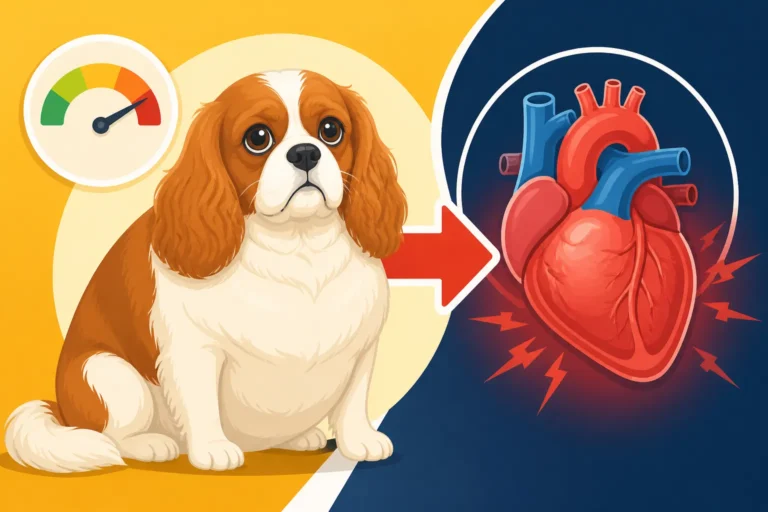
Weight management is also incredibly important for Cavaliers. They are notorious for loving food and gaining weight easily, but an overweight Cavalier puts undue strain on their heart and joints. Even a few extra pounds can accelerate the progression of MVD and exacerbate joint issues like arthritis or patellar luxation. Regularly weighing your Cavalier and meticulously measuring their food portions are key steps in Keeping a Cavalier at a Weight Its Heart Can Carry. Aim for a lean body condition where you can easily feel their ribs without seeing them, and where they have a noticeable waist.
Appropriate exercise is another pillar of a healthy lifestyle. While Cavaliers are not extreme athletes, they do need regular, moderate exercise to maintain muscle tone, cardiovascular health, and a healthy weight. Daily walks, playtime in a secure yard, and mental stimulation keep them engaged and fit. However, if your Cavalier develops heart disease, it's crucial to discuss appropriate exercise levels with your cardiologist to ensure you're not overexerting them, as Whether Exercise Is Safe for a Cavalier With MVD depends on the stage of their condition. A balanced approach that provides physical and mental enrichment without overstressing their system is ideal.
The Realities of a Senior Cavalier Reaching Fifteen
The journey to 15 years with a Cavalier is a long and often challenging one. It requires immense dedication, emotional resilience, and often, significant financial resources. It's important to understand what those later years typically entail.
Managing Age-Related Conditions
A Cavalier reaching 15 years old will undeniably be a true senior, and with that age comes a high likelihood of managing multiple age-related conditions. Even if they've been fortunate to avoid the most severe forms of MVD or SM, their bodies will naturally show the wear and tear of time.
Arthritis is extremely common in older dogs, and Cavaliers are no exception. Stiff joints, difficulty getting up, reluctance to jump onto furniture, or struggling with stairs are all signs of joint pain. Managing this can involve a combination of anti-inflammatory medications, joint supplements, physical therapy, and modifications to their home environment, such as ramps or orthopedic beds. This is a crucial part of Caring for a Cavalier Past Nine.
Cognitive decline, similar to dementia in humans, can also manifest in very senior Cavaliers. This might include disorientation, changes in sleep-wake cycles, house-soiling accidents, and altered interactions with family members. While there’s no cure, certain medications and enrichment activities can sometimes help manage the symptoms and maintain their quality of life.
For many Cavaliers, managing advanced MVD will be a significant part of their senior care. This often means a complex cocktail of medications—diuretics to reduce fluid buildup, ACE inhibitors to dilate blood vessels, and Pimobendan to improve heart function. Regular monitoring of their breathing rate (often by Counting a Cavalier's Resting Breaths at home) and frequent vet check-ups become the norm. Similarly, if they have SM, pain management with medications like Gabapentin becomes a daily, ongoing challenge. These cumulative health needs emphasize the importance of preparedness, and for many owners, pet insurance providers like Healthy Paws offer invaluable peace of mind, covering a significant portion of the costs associated with these chronic conditions throughout their golden years.
The 'Unicorn' Cavalier: What Does it Take?
The Cavalier who celebrates their fifteenth birthday is, truly, a "unicorn." They are the exception, not the rule. It takes an extraordinary confluence of factors for this to happen. Primarily, it often starts with exceptional genetics—a dog from lines known for longevity, whose ancestors defied the early onset of MVD and avoided severe SM. This genetic lottery is undoubtedly the biggest piece of the puzzle.
Beyond genetics, it demands meticulous, dedicated, and often expensive care from their owners. These "unicorn" Cavaliers have typically benefited from:
- Exceptional Preventative Care: Regular vet visits, early specialist consultations, and strict adherence to any recommended health protocols.
- Optimal Lifestyle: A consistently healthy weight, a high-quality diet throughout their life, and appropriate exercise that adapts to their changing needs.
- Prompt Intervention: Any health concerns, no matter how minor, were likely addressed immediately, preventing them from escalating.
- A Bit of Luck: Sometimes, despite doing everything right, certain diseases still manifest. A Cavalier reaching 15 often has had a degree of good fortune, avoiding the most aggressive forms of the breed's common ailments.
The financial commitment over 15 years is substantial, especially for a breed prone to chronic conditions, making robust pet insurance like Healthy Paws a wise consideration from puppyhood. Owners of these long-lived Cavaliers have often made sacrifices and adjustments to their lives to ensure their dog's comfort and well-being every single day. It's a testament to the profound bond we share with these dogs that so many of us are willing to go to such lengths for them.
| Factor | Typical Cavalier Lifespan (9-14 years) | Exceptionally Long Lifespan (14+ years, e.g., 15) |
|---|---|---|
| Genetics | Varied, sometimes predisposed to early MVD/SM | Excellent, often from lines with delayed MVD/clear SM |
| Breeder Selection | May be from untested or less rigorous lines | From reputable, health-testing breeders (5-year heart, MRI-scanned) |
| Veterinary Care | Regular vet visits, some specialist intervention | Proactive, consistent specialist care (cardiologist, neurologist) |
| Early Detection | Often reactive to symptoms | Aggressive monitoring, early diagnostic testing (e.g., What a Cavalier Heart Blood Test Called NT-proBNP or repeat echos) |
| Diet & Weight | Can fluctuate, potential for mild overweight | Strict weight management, high-quality, often specialized diet |
| Exercise | Moderate, but not always consistent | Consistent, appropriate exercise adapted to health status |
| Management of Conditions | Standard medical protocols | Comprehensive, multi-modal approach to chronic illness |
| Owner Commitment | High | Extremely high, significant time, emotional, and financial investment |
| Luck Factor | Standard | Very high degree of good fortune in disease manifestation |
Ultimately, while the dream of a Cavalier reaching 15 is a lovely one, it’s far more common to celebrate a full life of 10 to 13 years. Our focus as Cavalier parents should be on providing the best possible care, making informed choices, and cherishing every single moment we have, regardless of the number on the birthday cake.
Disclaimer
The information provided in this article is for general informational purposes only and is not intended as a substitute for professional veterinary advice, diagnosis, or treatment. Always seek the advice of your veterinarian or other qualified animal health provider with any questions you may have regarding a medical condition or the health and welfare of your pet.