The Age Cavalier Syringomyelia Signs Begin
It’s a terrifying thought for any Cavalier parent: the possibility of Syringomyelia (SM). You might find yourself constantly watching for subtle signs, wondering if that little head tilt or sudden yelp is something more than just a typical dog quirk. This guide aims to ease some of that anxiety by detailing the typical age range when SM signs usually begin to appear in Cavalier King Charles Spaniels, and what specific behaviors to look out for. Understanding the common onset age can help you be more vigilant without becoming overly fearful.
Understanding Syringomyelia in Cavaliers
Before we dive into the specific ages, it's really helpful to understand, at a high level, what Syringomyelia actually is. It’s not just some vague neurological issue; it's a very real, often painful, condition stemming from a congenital malformation that's sadly prevalent in our beloved Cavaliers. Knowing the basics helps you understand why certain symptoms manifest and why early detection is so crucial for managing this complex disease.
A Quick Refresher on Chiari-like Malformation
At the root of most Syringomyelia cases in Cavaliers is a condition called Chiari-like Malformation (CM), sometimes referred to as 'Chiari Malformation' in common parlance, though it's technically a bit different from the human version. Imagine your Cavalier's beautiful, domed skull. With CM, this skull is essentially too small for its brain, particularly the cerebellum. This crowding forces parts of the brain, specifically the cerebellum, to push down into the opening at the base of the skull where the spinal cord begins. It creates a bottleneck, restricting the normal flow of cerebrospinal fluid (CSF).
This anatomical squeeze isn't just uncomfortable; it's a critical issue for brain and spinal cord health. The cerebellum being pushed into the foramen magnum (the hole at the base of the skull) is the primary problem. This crowding is essentially a traffic jam for the vital fluid that cushions the brain and spinal cord, preventing it from circulating freely. You can read more about what's happening internally in our article on Syringomyelia and Chiari Malformation in Cavaliers.
What Happens When a Syrinx Forms
When the cerebrospinal fluid (CSF) flow is disrupted due to Chiari-like Malformation, it creates pressure differences within the spinal column. This abnormal pressure causes fluid-filled cavities, known as syrinx (plural: syrinxes or syringomyelia), to form within the spinal cord itself. Think of it like a series of tiny, painful blisters forming inside the spinal cord. These syrinxes expand over time, pressing on and damaging the delicate nerve tissue within the spinal cord.
The location and size of these syrinxes determine the type and severity of symptoms your Cavalier might experience. If the syrinx is in the neck region, it can cause intense neck pain and the classic 'phantom scratching.' If it extends further down, it might affect leg coordination or even bowel and bladder control in severe cases. It’s the direct result of this nerve damage that leads to the neurological signs we watch out for, making life uncomfortable and often very painful for our furry friends.
The Common Age for SM Signs to Appear
One of the most anxiety-inducing aspects of Syringomyelia is not knowing when, or even if, your Cavalier might develop symptoms. While it’s true that SM can be diagnosed at almost any age, there are common patterns in when signs tend to first emerge. It’s important to remember that this isn't a hard-and-fast rule, and every Cavalier is an individual, but understanding the typical windows can help you be more prepared.
When Symptoms Usually Emerge
For many Cavaliers, the first noticeable signs of Syringomyelia typically begin to show between 6 months and 3 years of age. This period, roughly from late puppyhood into young adulthood, is when veterinarians and breeders often see initial symptoms surface. It's thought that during these formative years, as the skull and spinal cord are still developing and growing, the pressure caused by Chiari-like Malformation becomes more pronounced, leading to the formation and expansion of syrinxes.
However, don't let that age range make you complacent if your Cavalier is older. While less common, it’s absolutely possible for symptoms to appear for the first time in adult Cavaliers, sometimes even as late as 5 to 7 years of age. I’ve known owners whose Cavaliers sailed through puppyhood without a single issue, only for subtle changes to begin appearing in their middle years. This later onset is often due to a syrinx that may have been present but small, gradually growing and causing more significant nerve impingement over time.
Variations in Onset Age
The reality is that the age of onset for Syringomyelia signs can vary quite widely, and it's influenced by several factors. Genetic predisposition plays a huge role; if a Cavalier inherits a more severe form of Chiari-like Malformation, or genes that influence syrinx formation, they might show signs much earlier. The severity and specific anatomy of the individual Cavalier's Chiari-like Malformation also make a difference. Some dogs have a very severe malformation but might develop a syrinx slowly, while others with a less severe CM might still develop problematic syrinxes more rapidly.
Environmental factors, although less understood, might also play a role in exacerbating symptoms or accelerating their onset. Things like neck trauma, vigorous play, or even abrupt changes in air pressure can sometimes trigger or worsen signs, bringing them to an owner's attention. It's a complex interplay of genetics and environment that ultimately dictates when a Cavalier will start showing signs, or even if a subclinical syrinx will become symptomatic. This is why vigilance throughout your Cavalier's life is so important, regardless of their current age.
Subtle Early Signs to Watch For
The early signs of Syringomyelia in Cavaliers are often quite subtle and can easily be mistaken for normal dog behaviors or minor irritations. This is why being a keen observer of your dog’s everyday habits and reactions is so vital. It’s not about panicking over every scratch, but about noticing patterns and changes. Catching these early indicators can make a significant difference in how effectively the condition can be managed.
Phantom Scratching and Air Snapping
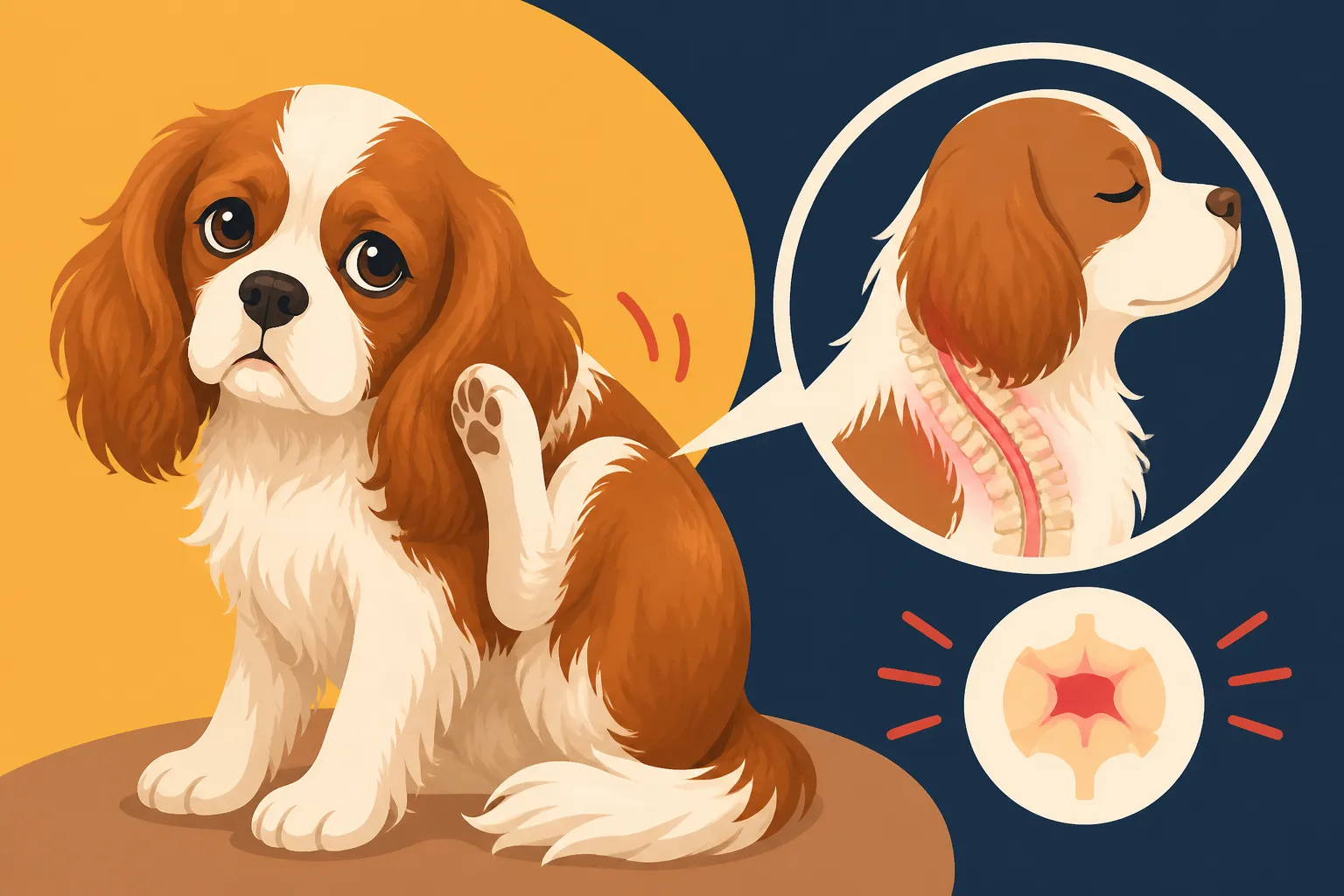
This is perhaps the most classic and widely recognized early sign of Syringomyelia, and it’s often referred to as "phantom scratching" or "air scratching." Your Cavalier might suddenly begin scratching at their shoulder, neck, or ear area with their hind leg, but without actually making contact with their skin. It looks like they’re desperately trying to relieve an itch that isn't there, often stopping mid-air or snapping at their shoulder as if trying to catch a fly. This isn't normal dog scratching; it's a frantic, almost involuntary movement.
This phantom scratching often occurs at specific times: when they’re excited, being petted around the neck, wearing a collar, or even when they simply get up from a nap. Sometimes, colder temperatures seem to trigger it. The sensation is believed to be neuropathic pain, an abnormal nerve sensation similar to a tingling or burning feeling that can be incredibly distressing. If you see this behavior consistently, especially if it seems distressed or doesn't actually relieve anything, it's a significant red flag that warrants a veterinary check. Our article on Phantom Scratching in a Cavalier delves deeper into this common indicator.
Changes in Head and Neck Posture
Another set of early signs involves changes in how your Cavalier holds or moves their head and neck. Because the syrinx often causes pain in these regions, dogs will instinctively try to find positions that offer relief. You might notice your Cavalier frequently sleeping with their head elevated, perhaps resting it on a toy, a pillow, or even leaning against a wall, rather than lying flat. Some might adopt a 'praying' position, where their front legs are stretched forward and their head is lowered to the ground, almost like bowing.
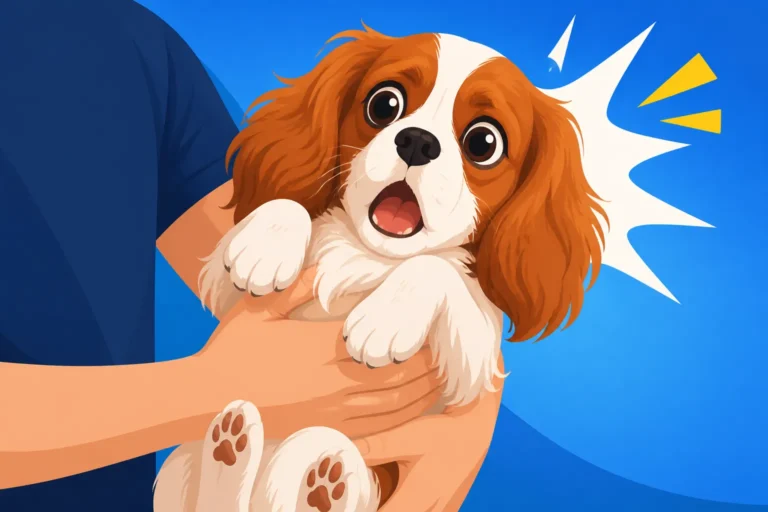
They might also become reluctant to lower their head for things like eating or drinking from a bowl on the floor. You could see an aversion to having their head or neck touched, perhaps flinching or yelping when you go to put on their collar or gently stroke their ears. This sensitivity can be quite subtle initially, but if you notice a consistent change in their posture or a new avoidance of neck manipulation, it’s definitely something to discuss with your vet. You can learn more about specific pain reactions in our post about A Cavalier That Yelps When Picked Up.
Reluctance to Be Handled
As the pain from Syringomyelia progresses, even mildly, it can significantly impact a Cavalier’s temperament and willingness to be handled. A previously cuddly and affectionate dog might suddenly become withdrawn, less enthusiastic about playtime, or even snap if touched in a sensitive area. This isn’t a behavioral issue in the traditional sense; it’s a pain response. They might resist being picked up, particularly under the chest, or shy away from having a harness put on.
It’s crucial not to dismiss these behavioral changes as 'grumpiness' or 'getting old.' For a breed known for its loving and gentle nature, a sudden shift towards reclusiveness or reactivity should always be investigated for an underlying medical cause. Any change in their usual enthusiastic greeting, their desire for cuddles, or a new reluctance to perform previously enjoyed activities like jumping on the sofa (even though jumping itself can exacerbate SM pain) could be a sign that something is amiss. It’s a good idea to consider these changes and not just assume your Cavalier is being difficult.
Here's a quick overview of typical age ranges and associated signs:
| Age Range (Approx.) | Common Early Signs of SM | Potential Progression/Associated Behaviors |
|---|---|---|
| 6 months – 3 years | Phantom scratching/air snapping | Head pressing, yelping when picked up, reluctance to wear collar/harness, restlessness, crying at night, altered sleep posture (head elevated) |
| 3 – 7 years | Increased frequency/intensity of scratching | Weakness in limbs, ataxia (wobbliness), balance issues, head tilts, facial rubbing, aversion to bright light/noise, personality changes |
| 7+ years (Senior) | Worsening previous signs, new onset less common but possible | Severe pain, significant mobility impairment, difficulty eating/drinking, seizures (rare but possible in advanced cases) |
Why Early Detection Matters
Dealing with a potential Syringomyelia diagnosis can feel overwhelming, but early detection is truly one of the most powerful tools we have as Cavalier owners. It's not about finding a cure – unfortunately, there isn't one yet – but about proactively managing the condition to ensure the best possible quality of life for your beloved companion. The sooner you know, the sooner you can act.
Improving Quality of Life
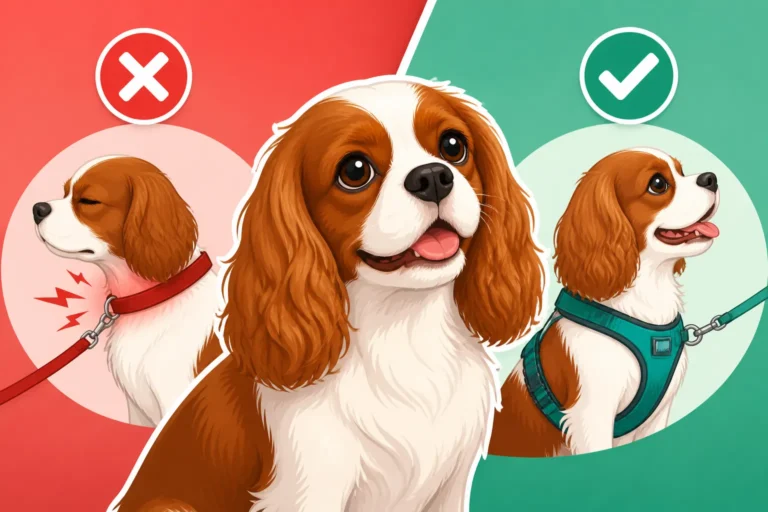
When SM is caught early, even if the syrinxes are small, it gives your veterinarian the opportunity to intervene before the pain becomes debilitating and before irreversible nerve damage progresses too far. Early management focuses on reducing inflammation, alleviating pain, and in some cases, attempting to slow the progression of the syrinxes. This might involve lifestyle adjustments, such as using a harness instead of a collar to avoid neck pressure, or avoiding activities that trigger pain.
The goal is to keep your Cavalier comfortable and happy for as long as possible. A dog whose pain is well-controlled can still enjoy walks, play with toys, and snuggle on the sofa. Without early intervention, a Cavalier can suffer in silence for months or even years, leading to chronic pain that's much harder to get under control once it becomes severe. It truly makes a world of difference in their day-to-day well-being. This early action also allows you to focus on Living With a Cavalier That Has Syringomyelia more effectively.
Management Options and Prognosis
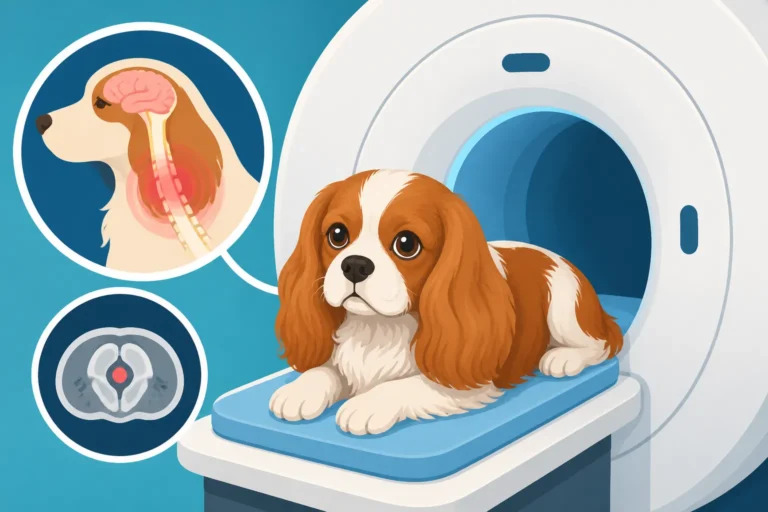
Diagnosing Syringomyelia typically involves an MRI scan, which is the gold standard for visualizing the brain, spinal cord, and any syrinxes. It's an investment, but it provides clear answers. If you’re concerned about the costs, it’s worth noting that having comprehensive pet insurance, such as a policy from Healthy Paws, can significantly alleviate the financial burden of such diagnostic procedures and ongoing treatments. Once diagnosed, your vet or a veterinary neurologist will discuss management options.
These often include medications like Gabapentin for nerve pain, corticosteroids to reduce inflammation, or diuretics to decrease CSF production. These medications don't cure SM, but they can dramatically reduce pain and discomfort. For some cases, surgical decompression to relieve pressure at the base of the skull might be considered, though it’s a complex and costly procedure with its own risks and varying success rates. The prognosis for a Cavalier with SM is highly variable, depending on the severity of the condition and how well it responds to treatment. Early diagnosis allows for a more proactive approach, potentially slowing progression and maintaining a good quality of life for many years, highlighting why getting a Cavalier scanned for Syringomyelia is so vital.
Disclaimer
The information provided in this guide is for general educational purposes only and should not be considered a substitute for professional veterinary advice. Always consult with a qualified veterinarian or veterinary specialist regarding any health concerns or before making any decisions about your pet's medical care.