Whether Every Cavalier Should Be Scanned
Many Cavalier King Charles Spaniel owners find themselves caught in a whirlwind of concern, constantly hearing about the numerous health conditions that can affect these sweet-natured dogs. It's enough to make anyone wonder: should I be taking my beloved furry family member for every possible diagnostic scan, even if they seem perfectly healthy? This guide aims to unpack the complex topic of Cavalier health screenings, detailing the common conditions, the types of scans involved, and ultimately, whether every Cavalier truly needs to undergo advanced diagnostic imaging.
The Unignorable Health Realities Facing Cavaliers
It’s no secret that Cavalier King Charles Spaniels are prone to certain inherited health conditions, some of which are quite serious. These aren't just minor quirks; they can significantly impact quality of life and lifespan. The sheer prevalence of these issues often leaves owners feeling anxious and proactive, questioning what measures they should take.
Syringomyelia: The Silent Struggle in Their Brains
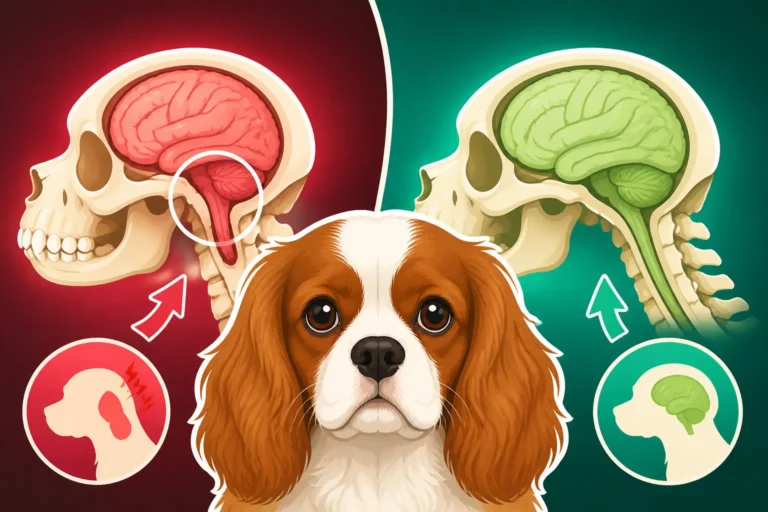
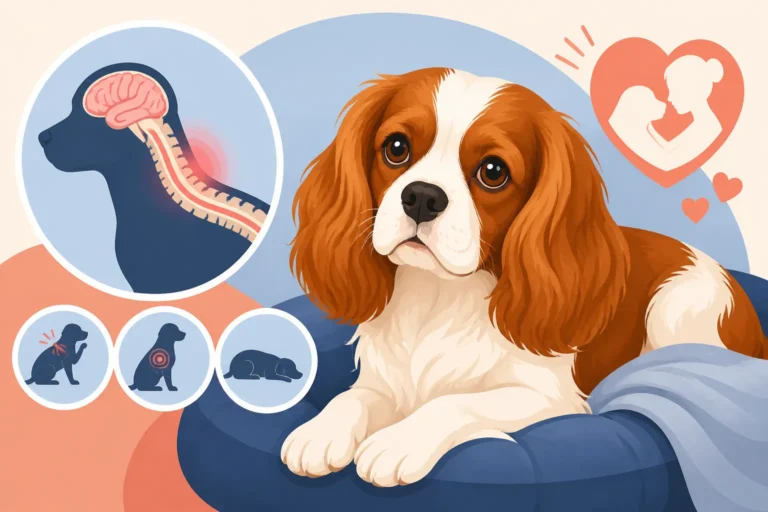
One of the most talked-about and often terrifying conditions for Cavalier owners is Syringomyelia (SM). It's a progressive neurological disease caused by a malformation of the skull, where the brain is too large for the skull cavity, pushing part of it into the spinal canal. This disrupts the flow of cerebrospinal fluid, leading to fluid-filled cavities (syrinxes) within the spinal cord. It's a painful condition that can manifest in various ways, from mild discomfort to severe neurological deficits. Many Cavaliers with SM will exhibit signs like phantom scratching, where they scratch at the air or their shoulder without making contact with their skin. Others might yelp when picked up or touched on the neck, or develop a reluctance to jump. Understanding the nuances of Syringomyelia and Chiari Malformation in Cavaliers is critical for any owner. While it's a genetic condition, the severity and onset of symptoms can vary wildly, leading to much confusion and distress among owners.
Mitral Valve Disease: The Heartbreaking Reality
Another major health concern, and statistically the most common cause of death in the breed, is early-onset Mitral Valve Disease (MVD). This is a degenerative heart condition where the mitral valve, one of the valves in the heart, begins to leak. This leakage creates a "murmur" that a vet can hear with a stethoscope. As the disease progresses, the heart works harder to compensate, eventually enlarging and potentially leading to congestive heart failure. It's a sobering fact that Why Half of Cavaliers Have a Murmur by Five is a common reality, and by age ten, nearly all Cavaliers will have some degree of MVD. The progressive nature of the disease means that what starts as a small, insignificant murmur can become a life-threatening condition over time, causing many owners sleepless nights worrying about their dog's future.
Understanding the Different Diagnostic Scans
When we talk about "scanning" a Cavalier, we're usually referring to two primary types of advanced imaging, each targeting a specific common health concern. These aren't your routine x-rays; they are specialized procedures that provide incredibly detailed information about internal structures.
MRI for Syringomyelia: Seeing Inside Their Skull
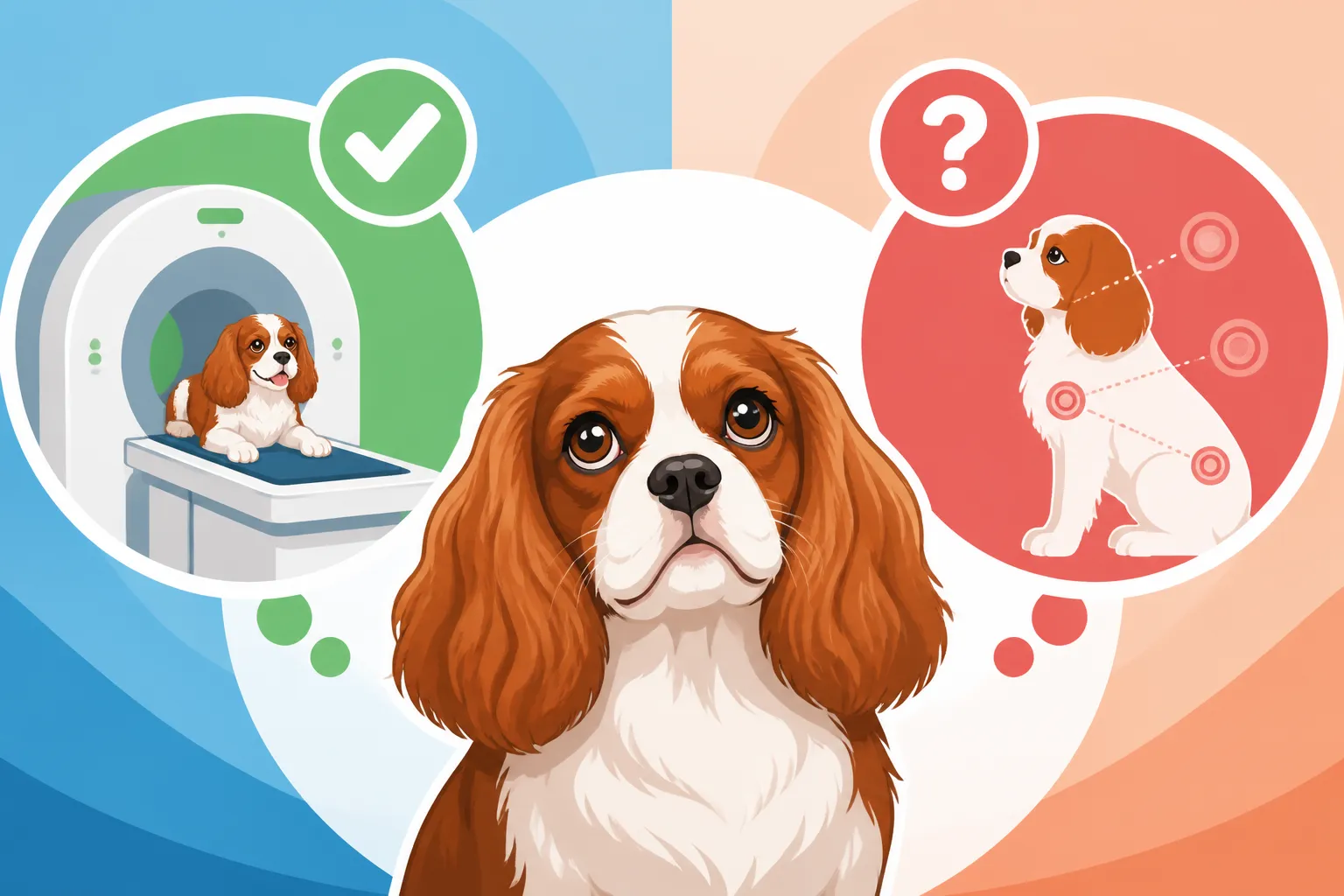
For Syringomyelia, the gold standard for diagnosis is a magnetic resonance imaging (MRI) scan. This is a highly specialized and expensive procedure that provides detailed images of the brain and spinal cord, allowing veterinarians to visualize the Chiari-like malformation and any syrinxes present. Unlike an X-ray, an MRI can differentiate between soft tissues, making it invaluable for neurological conditions. To undergo an MRI, a Cavalier needs to be completely still, which means they must be under general anesthesia. This naturally adds to the cost and carries its own set of risks, especially for older dogs or those with other underlying health issues. Owners often grapple with the decision to put their dog through this, but for a symptomatic Cavalier, an MRI can be the key to understanding their pain and formulating an effective treatment plan. The detailed view allows neurologists to assess the size and location of the syrinx, which can correlate with the severity of pain. To learn more about the process, you might find information on Getting a Cavalier Scanned for Syringomyelia helpful.
Echocardiogram for Mitral Valve Disease: A Look at the Heart
When it comes to Mitral Valve Disease, the definitive diagnostic tool is an echocardiogram. This is essentially an ultrasound of the heart, performed by a board-certified veterinary cardiologist. It allows the cardiologist to visualize the heart's structure and function in real-time – seeing the valves, chambers, and how blood flows. They can measure the heart's size, assess the severity of the mitral valve leakage, and determine if the heart is starting to remodel or enlarge, which is a critical indicator for when medication might be needed. Crucially, an echocardiogram does not require anesthesia, making it a much less invasive procedure than an MRI. Your regular vet might hear a heart murmur, but only an echocardiogram can truly quantify the extent of the disease and stage its progression. This is why annual visits to a cardiologist for an echo, even if your regular vet only hears a mild murmur, are so important for this breed. More information on What a Cavalier Echocardiogram Shows can help you understand the specifics of this vital test.
Here’s a quick overview of these two primary diagnostic scans:
| Scan Type | Primary Condition Diagnosed | Anesthesia Required | Typical Cost Range (USD) | What it Shows | Frequency (if asymptomatic) |
|---|---|---|---|---|---|
| MRI | Syringomyelia (SM) | Yes | $2,000 – $4,000+ | Brain/spinal cord malformations, syrinxes | Often once, if symptomatic |
| Echocardiogram | Mitral Valve Disease (MVD) | No | $500 – $1,000+ | Heart size, valve function, blood flow, leakage severity | Annually for breeding dogs, or once murmur detected |
The "To Scan or Not to Scan" Conundrum
This is truly the million-dollar question for many Cavalier owners. With the prevalence of these conditions, it's easy to feel pressured, but the decision is often more nuanced than a simple yes or no.
For Symptomatic Cavaliers: A Clear Path
If your Cavalier is showing symptoms consistent with Syringomyelia (like phantom scratching, yelping, neck pain, or a reluctance to be touched) or progressing Mitral Valve Disease (such as coughing, reduced exercise tolerance, or fainting), then the answer is a resounding yes, they absolutely should be scanned. These aren't vague symptoms; they are indicators of significant underlying issues that require diagnosis to manage pain and improve quality of life. For instance, if your Cavalier suddenly starts yelping when you pick them up or can’t quite shake the impression they are constantly scratching the air, investigating with an MRI is crucial for a proper diagnosis and subsequent pain management. Similarly, if you notice A Cavalier That Tires on Short Walks or starts to cough at night, it's time to talk to your vet about a cardiac workup, including an echocardiogram, to determine the stage of their MVD and initiate appropriate medication. Ignoring symptoms could lead to unnecessary suffering or a rapid decline in health.
For Asymptomatic Cavaliers: Preventive vs. Practical
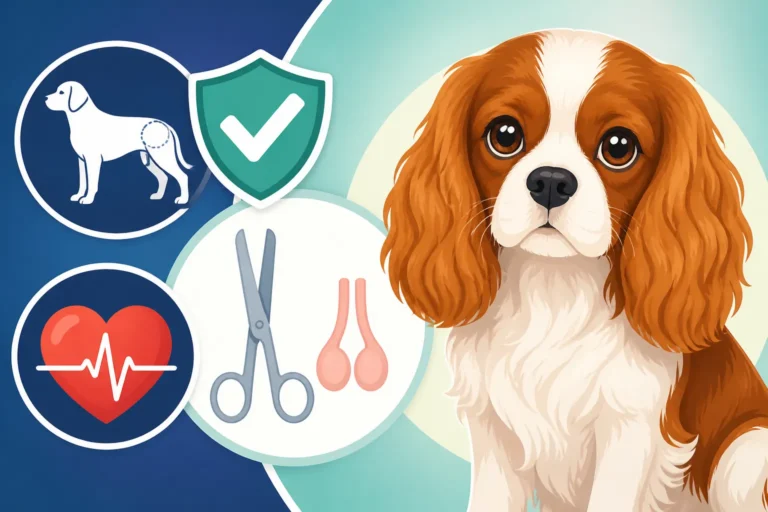
This is where the debate truly gets complex. Should a Cavalier who shows no signs of illness still be scanned? From an ethical and ideal breeding standpoint, the answer for all breeding dogs is yes. Responsible breeders follow strict health protocols, including regular MRI screening for SM and annual cardiologist exams (including echocardiograms) for MVD on their breeding stock. This is crucial for trying to reduce the incidence of these diseases in future generations, as detailed in protocols like The Cavalier MVD Breeding Protocol. However, for the average pet owner, scanning an asymptomatic Cavalier is a different consideration. The cost of these advanced scans, especially MRIs, can be prohibitive. A proactive MRI for SM on a completely healthy Cavalier could run into thousands of dollars, without a guarantee that a syrinx won't develop later in life. An echocardiogram, while less expensive, is still a significant annual commitment if your dog is completely asymptomatic and very young. Many owners choose to monitor their asymptomatic Cavaliers closely, focusing on preventive care and being vigilant for any subtle changes that might warrant a scan. This pragmatic approach is understandable given the financial implications, but it does mean remaining highly attentive to your dog's behavior and physical condition.
The Role of Responsible Breeders
The best defense against these heartbreaking conditions truly begins with the breeder. A responsible breeder will prioritize the health of their dogs and follow established health screening guidelines. This means all breeding Cavaliers should undergo MRI scans for SM, and annual cardiac evaluations with board-certified cardiologists, including echocardiograms, before being bred. They should be transparent with these results and provide proof. When looking for a puppy, always seek out breeders who can provide clear, verifiable health certifications for both parents, including MRI results and current cardiologist clearances. This due diligence is the closest you can get to ensuring your puppy has the best possible start in life, and it's a topic we cover extensively in Buying a Cavalier From a Health-Testing Breeder. While no breeder can guarantee a puppy will never develop these conditions, responsible practices significantly reduce the risk and provide peace of mind.
Navigating the Costs and Logistics
Let's be real: advanced veterinary diagnostics are not cheap. The financial aspect is a significant barrier for many owners, making the decision to scan even more challenging.
The Financial Burden of Advanced Diagnostics
The cost of an MRI for Syringomyelia can range anywhere from $2,000 to well over $4,000, depending on your location, the veterinary neurology center, and any additional tests or consultations required. This includes the anesthesia, the scan itself, and the interpretation by a specialist. It’s a huge chunk of change to drop at once, even for a loving pet owner. Echocardiograms for MVD are typically less expensive but still cost between $500 and $1,000 per visit, again varying by location and specialist fees. If your Cavalier needs annual echos, these costs add up quickly over their lifetime. When you factor in potential follow-up visits, medications, and ongoing care for either condition, the numbers can quickly become staggering. For a deeper dive into these figures, exploring What Cavalier Heart Disease Costs to Treat or Paying for a Cavalier Syringomyelia Workup can provide a clearer picture. It's a heavy burden, and it's completely valid for owners to feel overwhelmed by these potential expenses.
Pet Insurance: A Lifeline or a Loophole?
This is where pet insurance can truly shine, but only if you get it before symptoms or diagnoses appear. Companies like Healthy Paws offer comprehensive coverage that can help significantly with the costs of diagnostic scans and subsequent treatments. However, nearly all pet insurance policies have "waiting periods" and "pre-existing condition" clauses. This means if your Cavalier is diagnosed with a heart murmur or any sign of neurological issues before or during the waiting period, that specific condition will likely be deemed pre-existing and won't be covered by your policy. This is why it is so critically important to enroll your Cavalier in a robust pet insurance plan like Healthy Paws when they are a young puppy, ideally before any murmurs are detected or SM symptoms emerge. Even a mild murmur detected by your vet during a routine check-up can sometimes be classified as pre-existing, making it harder to get coverage for future cardiac issues. Don't wait until you hear a cough or see a phantom scratch; by then, it might be too late for insurance to cover the specific issue. It's a proactive step that can save you thousands down the line. To fully grasp this, consider reading Insuring a Cavalier Before the Murmur Arrives and understanding Why a Cavalier Murmur Becomes Pre-Existing. A good pet insurance policy from a provider like Healthy Paws can truly be a lifeline, turning otherwise impossible bills into manageable co-pays.
Life After a Diagnosis (Scanned or Not)
Whether you've had your Cavalier scanned proactively, or reactively due to symptoms, a diagnosis of Syringomyelia or Mitral Valve Disease is just the beginning of a management journey. It’s about understanding the condition and providing the best quality of life.
Managing Syringomyelia Without Surgery
If your Cavalier is diagnosed with SM, especially with mild to moderate symptoms, management often starts with medication rather than immediate surgery. The goal is to reduce pain and inflammation, and sometimes to decrease cerebrospinal fluid production. Common medications include pain relievers like gabapentin, anti-inflammatory drugs, and even sometimes steroids to reduce inflammation around the syrinx. Lifestyle modifications also play a huge role. This might mean switching from a collar to a harness to avoid pressure on the neck, adjusting sleeping positions (some Cavaliers with SM prefer to sleep with their head raised), avoiding excessive jumping, and keeping them calm in stimulating environments. It’s about careful monitoring and working closely with your veterinary neurologist to find the right cocktail of medications and routines to keep your dog comfortable. For many, simply Pain Relief for a Cavalier With Syringomyelia through medication can make a world of difference.
Managing MVD Progression
A diagnosis of MVD means a commitment to vigilant monitoring and timely intervention. Initially, if the murmur is mild and the heart isn't enlarged, the primary recommendation might simply be regular check-ups with a cardiologist, often annually, to monitor progression with echocardiograms. Once the heart begins to enlarge, even before clinical signs like coughing appear, specific medications become vital. Drugs like Pimobendan (Vetmedin) are often prescribed to strengthen heart contractions and dilate blood vessels, slowing the progression of heart remodeling and delaying the onset of heart failure. As the disease progresses, and especially if signs of congestive heart failure (like coughing, difficulty breathing, or fatigue) emerge, diuretics and other heart medications are added to manage fluid buildup. It's a lifelong commitment to medication and monitoring, but these treatments can significantly extend a Cavalier's comfortable life. Learning about Medication for a Cavalier With Heart Disease can help you prepare for this journey. Early diagnosis and intervention based on echocardiogram results are absolutely key to managing MVD effectively, and pet insurance from companies like Healthy Paws can greatly assist with these ongoing prescription costs.
Disclaimer
This article is intended for informational purposes only and does not constitute veterinary medical advice. Always consult with a qualified veterinarian or veterinary specialist for any health concerns or before making any decisions about your pet's care.