Whether Cavalier Syringomyelia Is Always Painful
One of the most heartbreaking concerns for any Cavalier King Charles Spaniel owner is the possibility of their beloved companion suffering from Syringomyelia (SM). It's a condition that can sound terrifying, conjuring images of constant, agonizing pain. Many people worry endlessly, wondering if every head tilt or scratch means their dog is in distress. This guide aims to shed light on Syringomyelia in Cavaliers, exploring the nuances of this complex neurological disorder and addressing the crucial question of whether it always causes pain, helping you understand the full spectrum of its impact.
Understanding Syringomyelia in Cavaliers
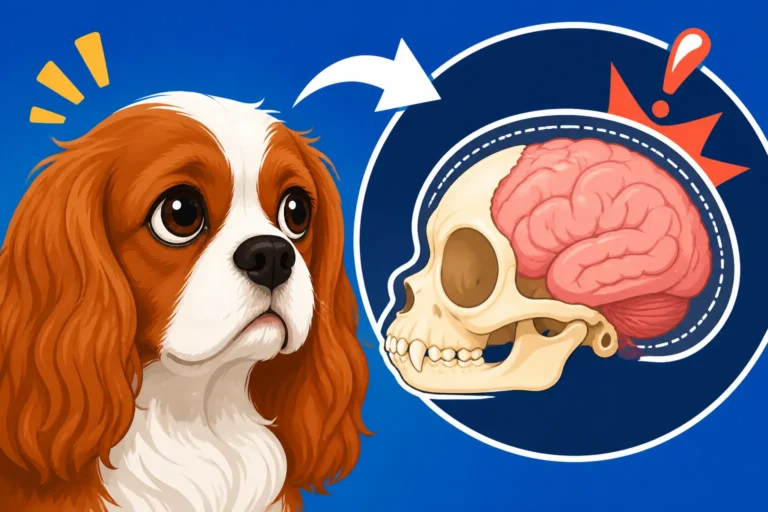
Syringomyelia, often abbreviated as SM, is a chronic and progressive neurological condition that is distressingly common in Cavalier King Charles Spaniels. It occurs when fluid-filled cavities, known as syrinxes, form within the spinal cord. These syrinxes can develop and expand, putting pressure on the spinal cord and disrupting the normal flow of cerebrospinal fluid (CSF). The root cause in most Cavaliers is a condition called Chiari-like Malformation (CM), where the skull is often too small for the brain, particularly the cerebellum. This overcrowding forces parts of the brain (specifically the cerebellum) into the foramen magnum, the opening at the back of the skull where the brainstem and spinal cord connect. This abnormal crowding obstructs the normal flow of CSF, leading to increased pressure and turbulence, which in turn can cause the syrinxes to form.
It's a lot to take in, and the mechanics of it are complex, but what's critical to understand is that it's a structural problem unique to certain breeds, especially our Cavaliers. For a deeper dive into the mechanics of this, you might find information on Syringomyelia and Chiari Malformation in Cavaliers particularly helpful.
Why Syrinxes Form and What They Do
The formation of these syrinxes isn't immediate, nor is it a simple process. Imagine a garden hose with a kink in it – the water flow is disrupted, and pressure builds up. In a similar (though far more intricate) way, the restricted CSF flow due to the Chiari-like Malformation creates pressure waves within the spinal fluid. These pressure fluctuations are thought to drive the fluid into the spinal cord tissue itself, eventually creating the fluid-filled pockets we call syrinxes.
Once formed, these syrinxes can vary dramatically in size and location. Some might be tiny, almost microscopic, while others can be quite large, extending over multiple segments of the spinal cord. The location of the syrinx is just as important as its size. A syrinx near the central canal of the spinal cord might cause different symptoms than one that presses on nerve roots exiting the spinal cord. They can exert pressure on the delicate nerve fibers within the spinal cord, causing a range of neurological symptoms. These can include anything from mild discomfort to severe, debilitating pain, weakness, and even paralysis in extreme cases.
The Spectrum of Pain in Cavalier Syringomyelia
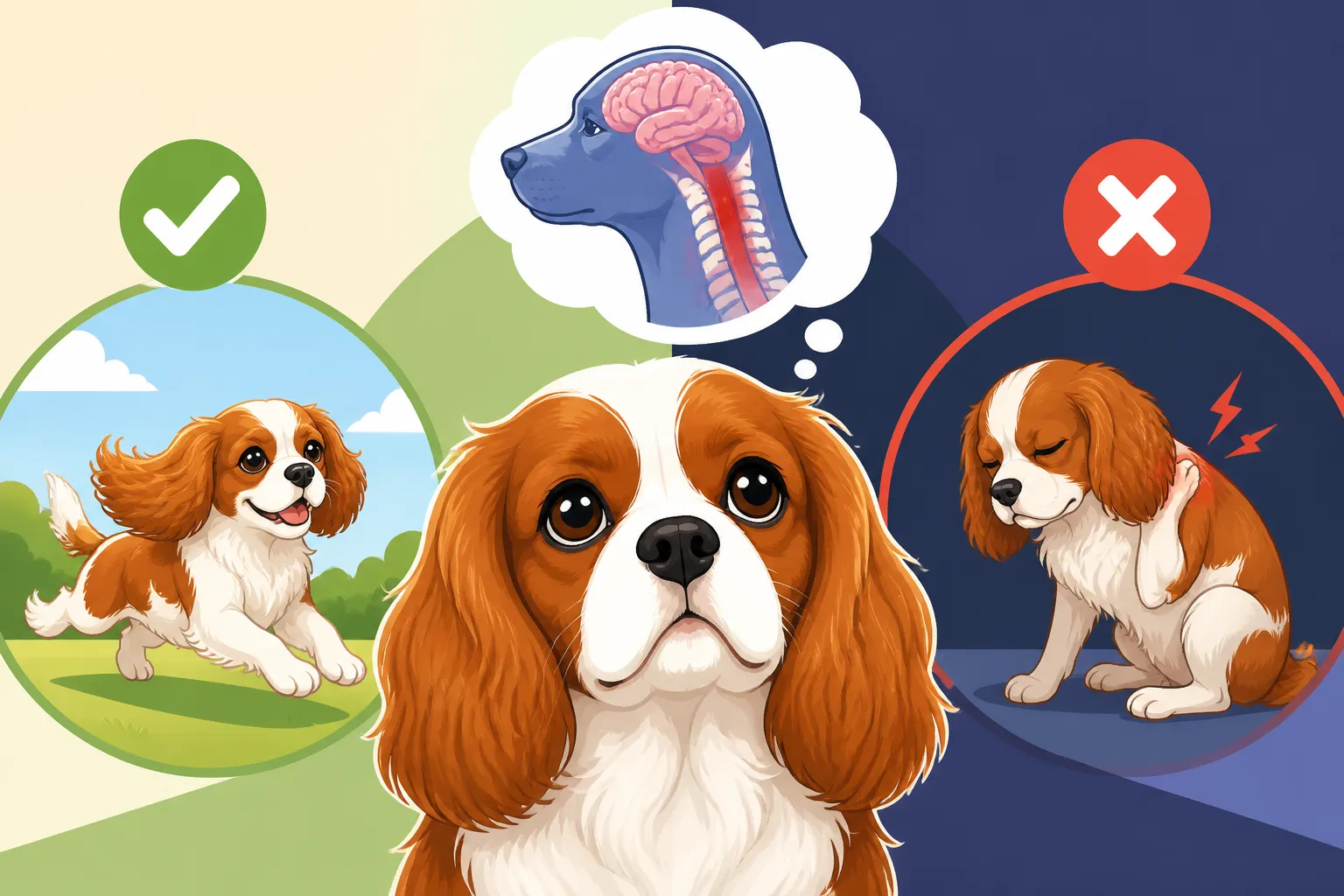
This brings us to the core question: Is Syringomyelia always painful? The short answer is no, it's not always painful, and this is a crucial distinction that often brings immense relief to worried owners. However, it's also not a condition to be taken lightly. SM exists on a broad spectrum, from asymptomatic cases where syrinxes are present but cause no noticeable signs, to severe cases involving constant, intense pain.
Asymptomatic Syrinxes
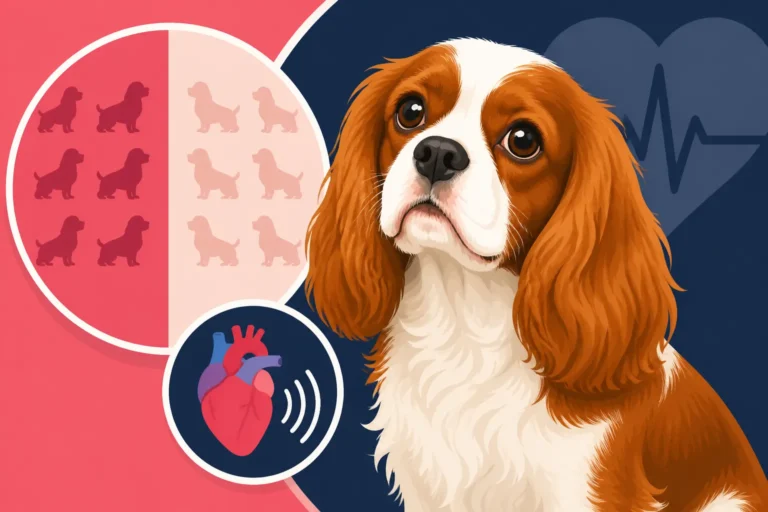
It might surprise you to learn that many Cavaliers can have syrinxes visible on an MRI scan but show absolutely no clinical signs of pain or neurological deficit. These dogs are considered asymptomatic. They might live their entire lives without ever showing a symptom, despite the physical presence of the syrinx. This is a vital point to grasp, as it means an MRI diagnosis alone doesn't automatically condemn a dog to a life of suffering. It reinforces the idea that what we see on an imaging scan doesn't always directly correlate with the dog's outward experience. Research shows that How Many Cavaliers Actually Have Syringomyelia is quite high, but not all show severe symptoms.
The reasons for this asymptomatic presentation are not fully understood, but several theories exist. It could be that the syrinx is small and located in an area of the spinal cord with fewer pain-sensing nerve fibers, or perhaps it's not expanding or causing significant pressure. It's also possible that some dogs simply have a higher pain threshold or that their bodies adapt to the presence of the syrinx in ways we don't yet comprehend. This makes the diagnostic process tricky, as an MRI is only one piece of the puzzle. The most important piece is always the dog's clinical presentation and behavior.
Varying Degrees of Discomfort and Pain
For Cavaliers that do experience pain, the intensity and nature of that pain can vary widely. It’s not a one-size-fits-all condition. Some dogs might experience intermittent discomfort, perhaps only after certain movements or when excited. Others might have more persistent, dull aching, which they might try to hide. Then there are those with severe pain, which can be constant and excruciating.
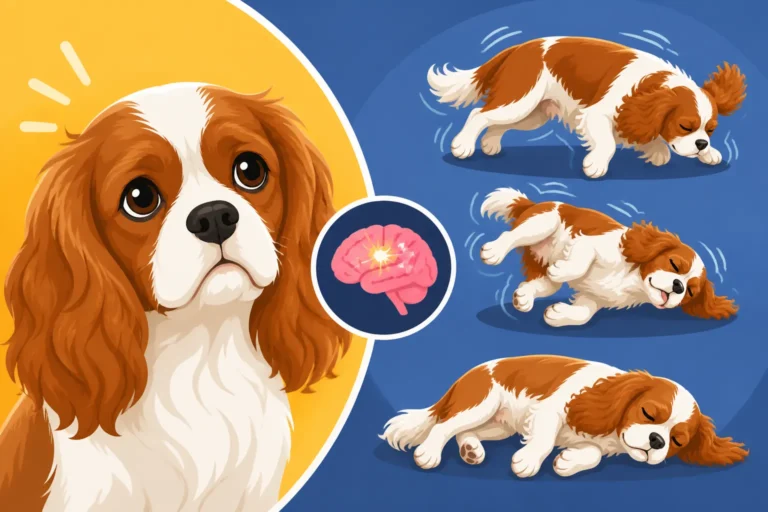
The pain often manifests as an intense, burning sensation in the neck, shoulders, and sometimes down the back or into the limbs. This is why you might see a dog with SM engaging in Phantom Scratching in a Cavalier, where they scratch at the air near their neck or shoulder, often without making contact with their skin. It's a distressing sight, as it suggests an internal irritation that they can't relieve.
Several factors influence the degree of pain:
- Syrinx Size and Location: Larger syrinxes or those located in critical areas of the spinal cord (e.g., dorsal horn, which processes sensory information) are more likely to cause significant pain. Syrinx Width and Cavalier Pain Levels is a key area of study for veterinarians.
- Rate of Progression: Rapidly expanding syrinxes can cause more acute and severe pain than those that grow slowly or remain stable.
- Individual Pain Tolerance: Just like people, dogs have different pain tolerances. What might be mildly uncomfortable for one Cavalier could be severely painful for another.
- Presence of Inflammation: Inflammation surrounding the syrinx can exacerbate pain.
The pain is often described as neuropathic, meaning it originates from damage or irritation to the nerves themselves. This type of pain can be notoriously difficult to manage and often doesn't respond well to traditional pain medications alone.
Identifying Pain and Neurological Signs
Because Cavaliers are inherently stoic and often try to mask their discomfort, identifying pain can be incredibly challenging for owners. They can't tell us directly where it hurts, so we have to become expert observers of their behavior and body language. This requires a keen eye and an understanding of what subtle changes might signify distress.
Subtle Behavioral Changes
One of the most common early signs of SM is changes in behavior. This isn't always obvious. Your dog might become more withdrawn, less playful, or reluctant to engage in activities they once loved, like jumping on the sofa or going for walks. They might seem generally "off." You might notice them favoring one side of their body, or holding their head at an unusual angle. A common, albeit subtle, sign can be a reluctance to be touched around the head, neck, or shoulders. Sometimes, A Cavalier That Yelps When Picked Up can be a clear indicator of neck pain.
They might sleep in unusual positions, perhaps with their head elevated or tucked under them, trying to find a comfortable spot to alleviate pressure. This is a common strategy for a dog with pain in their neck or shoulders. These small shifts in routine or demeanor are often the first clues, but they can be easily missed or attributed to old age or a minor injury. Keeping a journal of any changes can be incredibly helpful when discussing concerns with your vet.
The Tell-Tale Signs: Phantom Scratching and Sensitivity
Beyond general behavioral shifts, there are more specific indicators of Syringomyelia-related pain.
- Phantom Scratching: As mentioned earlier, this is a hallmark sign. The Cavalier will scratch in the air, often around their shoulder or neck, without making contact. It looks like they are trying to relieve an itch that isn't there, or perhaps an electrical "pins and needles" sensation that is deep within. This can happen spontaneously or be triggered by excitement, being petted, wearing a collar, or even changes in temperature.
- Pain on Touch: Some Cavaliers will yelp, cry out, or even snap when their neck, head, or shoulders are touched. This extreme sensitivity is a clear sign of pain and discomfort. They might also react negatively to having a collar put on or a harness adjusted, leading many owners to switch to a more comfortable, padded harness to avoid pressure points, something discussed in Harnesses Instead of Collars for a Cavalier.
- Weakness or Ataxia: In more advanced cases, the damage to the spinal cord can lead to weakness in the limbs, particularly the front legs. They might stumble, trip, or have an uncoordinated gait (ataxia). Some dogs might even drag their paws.
- Scoliosis: Rarely, severe SM can lead to scoliosis (curvature of the spine) if the syrinx is large and unilateral, affecting spinal muscle tone.
It's vital to remember that these signs can also be indicative of other conditions, which is why a proper veterinary diagnosis is paramount. Don't jump to conclusions, but do pay close attention to any changes in your Cavalier.
The Role of MRI and Specialist Consultation
If you suspect your Cavalier might be experiencing symptoms related to SM, the first step is always a visit to your general veterinarian. They can conduct an initial physical and neurological examination. However, for a definitive diagnosis of Syringomyelia, an MRI (Magnetic Resonance Imaging) of the brain and cervical spine is considered the gold standard.
An MRI allows veterinary neurologists to visualize the brain and spinal cord in detail, identifying the presence, size, and location of syrinxes, as well as the extent of Chiari-like Malformation. This procedure requires general anesthesia, which can be a concern for some owners, especially with an older dog or one with a heart murmur. The cost can also be substantial, which is where a good pet insurance plan like Healthy Paws can really make a difference, helping to cover unexpected diagnostic bills. For a complete understanding of what this entails, you might want to read What a Cavalier MRI Scan Costs and Shows.
During the MRI, the veterinary neurologist will assess several factors:
| Feature | What it Indicates | Clinical Significance |
|---|---|---|
| Syrinx Size | Width and length of the fluid-filled cavity. | Larger syrinxes often correlate with more severe symptoms. |
| Syrinx Location | Where in the spinal cord the syrinx is found. | Locations affecting the dorsal horn or nerve roots are more prone to pain. |
| Chiari Malformation | Extent of brain compression at the skull base. | Severity of CM often correlates with syrinx development. |
| CSF Flow Obstruction | Abnormal flow of cerebrospinal fluid. | Direct indicator of the underlying mechanism of SM. |
| Spinal Cord Changes | Any signs of inflammation, atrophy, or damage to nerve tissue. | Indicates extent of neurological impact. |
Even with an MRI, the diagnosis isn't just about what's on the scan; it’s about correlating those findings with the clinical signs your dog is exhibiting. A skilled veterinary neurologist will take into account both the imaging results and your detailed observations of your dog's behavior. This comprehensive approach is essential for accurate diagnosis and determining the best course of action. The financial implications of this advanced diagnostic workup are also significant, and understanding Paying for a Cavalier Syringomyelia Workup can help you prepare.
Managing Pain and Improving Quality of Life
If your Cavalier is diagnosed with Syringomyelia and is showing signs of pain, the good news is that there are many ways to manage the condition and significantly improve their quality of life. The approach is usually multimodal, combining medication, environmental adjustments, and sometimes surgery.
Medication Management
The primary goal of medication is to reduce pain, inflammation, and sometimes to decrease CSF production or edema (swelling) within the spinal cord. Because SM pain is often neuropathic, standard pain relievers might not be sufficient.
Common medications used include:
- Gabapentin: This is a cornerstone medication for neuropathic pain. It works by modulating nerve activity and can be very effective in reducing the burning or tingling sensations associated with SM. It often causes sedation initially, so dosing is carefully adjusted. Many owners report a significant improvement in their dog's comfort once on Gabapentin for a Cavalier With Neck Pain.
- Non-Steroidal Anti-Inflammatory Drugs (NSAIDs): While SM is not primarily an inflammatory condition, NSAIDs can help reduce any secondary inflammation that contributes to pain. However, they are generally not enough on their own for neuropathic pain.
- Corticosteroids: Drugs like prednisolone can be used, particularly in flare-ups, to reduce inflammation and swelling, thereby reducing pressure on the spinal cord. Long-term use needs to be carefully monitored due to potential side effects.
- Other Neuropathic Pain Modulators: Amantadine or pregabalin may be used in conjunction with gabapentin for more refractory pain.
- Diuretics: In some cases, drugs like furosemide or omeprazole might be used to reduce CSF production and fluid pressure, though their efficacy for SM is debated and they are generally used selectively.
Finding the right medication cocktail and dosage often requires a bit of trial and error under the guidance of your neurologist. It's a continuous process of observation and adjustment, working closely with your vet. Many of these medications, especially if needed long-term, can add up, making a robust pet insurance plan like Healthy Paws a valuable asset for managing ongoing care costs.
Lifestyle and Environmental Adjustments
Beyond medication, making simple changes to your Cavalier’s environment can make a huge difference in their comfort.
- Avoid Neck Pressure: Switch from a collar to a well-fitting harness for walks. Any pressure on the neck can exacerbate pain. Consider a harness that avoids the neck area as much as possible, or one specifically designed for dogs with neck issues.
- Limit Jumping and Stair Climbing: Encourage your Cavalier to use ramps or pet stairs to get on and off furniture. Prevent them from jumping excessively, as sudden movements or impacts can trigger pain.
- Gentle Handling: Always handle your Cavalier gently, especially around the neck and shoulders. Warn children or visitors to be mindful.
- Temperature Control: Some Cavaliers are sensitive to temperature changes. Keeping them comfortable in a stable environment, avoiding extreme heat or cold, can help.
- Reduced Excitement: High levels of excitement can sometimes trigger phantom scratching or pain episodes. While we don't want to eliminate joy, finding ways to manage overstimulation can be beneficial.
- Comfortable Bedding: Provide soft, orthopedic bedding that supports their body and spine, helping them find comfortable resting positions.
These adjustments, though seemingly small, collectively contribute to a much more comfortable existence for a Cavalier living with SM. For more detailed insights on daily care, you might explore Living With a Cavalier That Has Syringomyelia.
Surgical Options
In severe cases where medical management isn't providing adequate relief, surgery might be considered. The most common surgical procedure is called foramen magnum decompression. This involves removing a small section of bone at the back of the skull (the occipital bone) and sometimes part of the first cervical vertebra (atlas) to enlarge the opening and relieve pressure on the brain and spinal cord. The goal is to restore normal CSF flow and prevent further syrinx enlargement.
Surgery is a major decision with its own risks and high costs. It's not a guaranteed cure and some dogs may still require medication afterward. Outcomes vary, and while some dogs experience dramatic improvement, others may only see partial relief or even continued progression of the disease. A veterinary neurologist will thoroughly discuss the potential benefits and risks specific to your Cavalier's case.
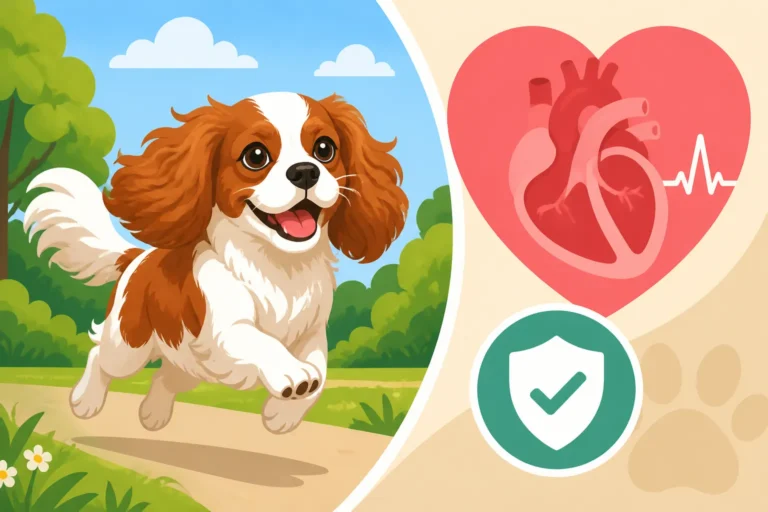
Ultimately, the decision of whether a Cavalier with Syringomyelia is in pain, and how best to manage it, is a complex one. It requires careful observation, accurate diagnosis, and a dedicated partnership with your veterinarian and specialist. While it's certainly a challenging condition, it's not always a sentence of constant suffering, and with appropriate care, many Cavaliers can live happy, comfortable lives.
Disclaimer
The information provided in this article is for general informational purposes only and is not intended as a substitute for professional veterinary advice, diagnosis, or treatment. Always seek the advice of your veterinarian or other qualified animal health provider with any questions you may have regarding a medical condition.