The Four Grades of Cavalier Patellar Luxation
That sinking feeling when your sweet Cavalier suddenly yelps or picks up a back leg and hops can be incredibly unsettling. It’s a common scenario for many Cavalier King Charles Spaniel owners, often pointing to a condition called patellar luxation – where the kneecap temporarily slips out of place. This guide is here to walk you through understanding this common orthopedic issue, from what it is to the different grades of severity and how you can best support your furry friend through it all.
Understanding Patellar Luxation in Cavaliers
Patellar luxation is one of those orthopedic conditions that often takes Cavalier owners by surprise, or perhaps confirms a suspicion they’ve had. It's not just a random injury; for our beloved Cavaliers, it often has roots in their very genetics and conformation.
What Exactly is a Luxating Patella?
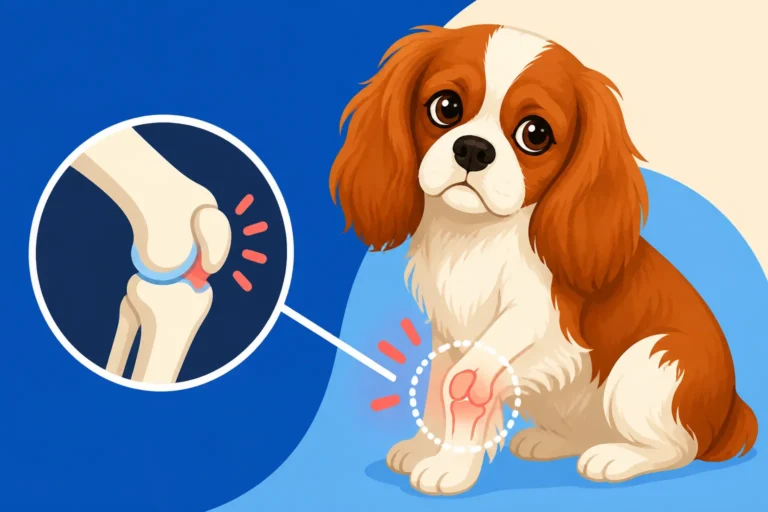
Let's break down what's actually happening when a patella luxates. Imagine your dog's knee joint: you have the femur (thigh bone), the tibia (shin bone), and nestled in front of them is the patella, or kneecap. The patella is supposed to glide smoothly within a groove at the end of the femur, called the trochlear groove. It's a crucial part of the mechanism that allows your dog to extend their leg.
When a patella luxates, it means the kneecap slips out of this groove. Most commonly in Cavaliers, it slips to the inside (medial luxation), but it can occasionally slip to the outside (lateral luxation). This displacement causes varying degrees of lameness, pain, and discomfort. You might see your Cavalier skip a step, hold their leg up for a few strides, or even yelp if the dislocation is painful. It's a mechanical issue, and it can be incredibly frustrating to witness, especially when it interrupts their joyful play.
Why Cavaliers are Prone to This Condition
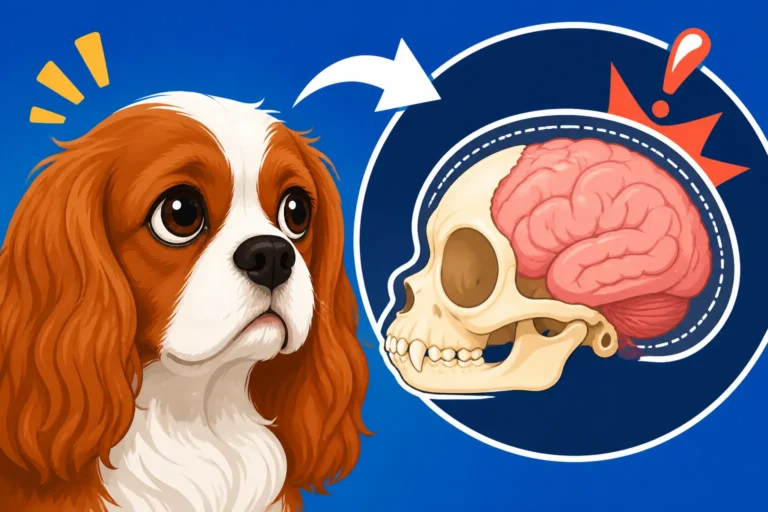
It's a sad truth that certain breeds are genetically predisposed to specific health issues, and patellar luxation is certainly on the list for Cavaliers. While any dog can experience a luxating patella due to trauma, in Cavaliers, it's overwhelmingly an inherited condition, often present from birth, even if symptoms don't appear until later.
The primary reasons Cavaliers are prone to this include:
- Shallow Trochlear Groove: The groove in the femur where the kneecap sits might not be deep enough, allowing the patella to easily pop out.
- Bone Deformities: The femur or tibia might be slightly malformed, causing improper alignment of the quadriceps muscle group and patellar ligament. This pulls the kneecap out of its natural path.
- Ligamentous Abnormalities: The ligaments holding the patella in place might be too loose or stretched.
- Muscle Imbalances: The muscles around the knee might develop unevenly, exerting abnormal pulling forces on the kneecap.
It's truly heartbreaking to know that our Cavaliers can be born with these predispositions. It highlights the importance of responsible breeding practices and understanding the full health history of a puppy's parents. This inherited tendency means that even without a specific injury, your Cavalier could develop symptoms. This is why conditions like Cavalier Knees, Hips and Joint Problems are so prevalent within the breed. The genetic link often leads to many Cavaliers experiencing Loose Kneecaps in a Thirteen-Pound Cavalier during their lives.
Decoding the Four Grades of Patellar Luxation
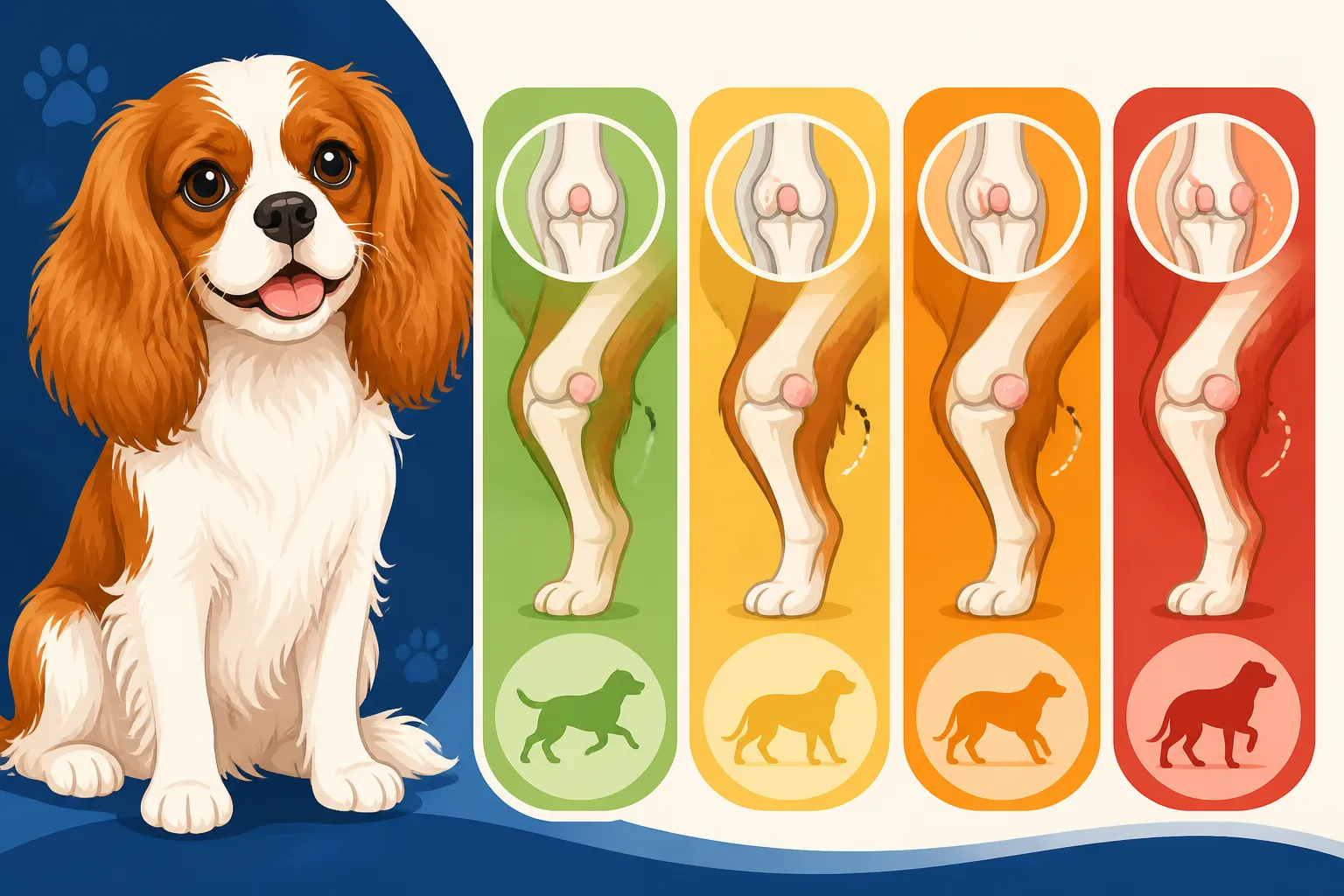
Veterinarians classify patellar luxation into four grades, from mild to severe. Understanding these grades is key to knowing what to expect, how to manage the condition, and when more aggressive intervention might be necessary.
Grade 1: The Mildest Slip
In Grade 1 patellar luxation, the kneecap can be manually luxated (moved out of its groove) by a veterinarian, but it pops back into place on its own when the pressure is released. Crucially, it usually stays in place most of the time without intervention.
For owners, this often manifests as very subtle, intermittent symptoms. You might notice your Cavalier occasionally "skipping" for a few steps, holding a back leg up, and then putting it back down as if nothing happened. They might shake their leg out to "pop" the kneecap back. There's typically minimal pain associated with Grade 1 luxation, and your dog might go days or even weeks between episodes. It’s easy to miss these fleeting moments, or write them off as a quirky habit, especially in a puppy who is still developing coordination. Often, the first time you hear about it is during a routine vet check-up, where the vet can palpate the kneecap and feel it slip.
Grade 2: More Frequent Dislocation
Grade 2 is where the luxation becomes more noticeable and more frequent. The kneecap still luxates, either spontaneously or when the leg is manipulated, and it doesn't always reduce (pop back in) on its own immediately. Your Cavalier might have to extend their leg or you might need to gently help it back into place.
At this stage, the skipping and lameness become more apparent. Your Cavalier might hold their leg up for longer periods, and you could see them limping more consistently, particularly after periods of activity or excitement. For example, a dog might be running around happily, then suddenly pull up lame, holding the leg for a minute or two before it goes back in. This intermittent lameness, such as when A Cavalier Limping After Play, can be a clear sign. While they can still bear weight and use the leg, these episodes can be uncomfortable. Over time, the constant slipping can start to wear down the cartilage, leading to early signs of arthritis.
Grade 3: Mostly Out of Place
With Grade 3 patellar luxation, the kneecap spends most of its time luxated (out of the groove), but it can still be manually reduced by a veterinarian. However, it will usually pop right back out once the manipulation stops.
This grade brings more consistent lameness and discomfort. Your Cavalier will likely show signs of pain, reluctance to bear full weight on the affected leg, and a noticeable change in their gait. They might adopt a "bow-legged" or "knock-kneed" appearance, depending on whether the luxation is medial or lateral. Muscle wastage in the affected limb can become evident, as the dog tries to avoid using the painful leg normally. Jumping, climbing stairs, or even getting up from a lying position can become difficult and painful tasks. The constant displacement also significantly increases the risk of developing more severe arthritis and other joint problems.
Grade 4: Permanently Dislocated
Grade 4 is the most severe form of patellar luxation. In this grade, the kneecap is permanently luxated and cannot be manually reduced. The trochlear groove is often completely flat or even convex, offering no place for the kneecap to sit. The associated bone deformities of the femur and tibia are also typically quite severe.
A Cavalier with Grade 4 luxation will experience severe, persistent lameness. They may walk with a crouched gait, unable to fully extend their knee, or only use the affected leg intermittently, if at all. The limb will likely show significant muscle atrophy, and the joint itself may appear visibly deformed. Pain is a constant companion for dogs at this stage, and their quality of life is severely impacted. They struggle with basic mobility, and playful activities are often out of the question. This severe grade usually requires surgical intervention to improve function and alleviate chronic pain.
Here's a quick overview of the differences between the grades:
| Grade | Patella Position | Manual Reduction | Spontaneous Reduction | Symptoms | Long-Term Risks |
|---|---|---|---|---|---|
| 1 | Mostly in place | Yes | Yes | Occasional skipping, no pain | Minimal, slight arthritis risk |
| 2 | In/Out of place | Yes | Intermittent | More frequent skipping, mild lameness, slight discomfort | Moderate arthritis risk |
| 3 | Mostly out of place | Yes (but re-luxates) | No | Consistent lameness, noticeable pain, muscle atrophy | Significant arthritis, joint damage |
| 4 | Permanently out | No | No | Severe lameness, chronic pain, significant muscle atrophy, gait changes | Severe arthritis, permanent disability |
Living With and Managing Cavalier Patellar Luxation
Discovering your Cavalier has patellar luxation can feel overwhelming, but there are many ways to manage the condition and ensure they live a happy, comfortable life. The approach often depends on the grade of luxation and your dog's overall health.
Conservative Management Strategies
For Cavaliers with Grade 1 or mild Grade 2 luxation, or for those where surgery isn't an option due to age or other health concerns, conservative management is often the first line of defense. The goal is to minimize discomfort, slow progression, and support joint health.
One of the most crucial elements of conservative management is weight control. Every extra pound puts immense pressure on already compromised joints. Keeping your Cavalier at a healthy weight is paramount. As we've discussed, Why an Overweight Cavalier Fails Faster rings true for many health conditions, but especially joint issues. Talk to your vet about an ideal weight for your Cavalier and adjust their diet and portion sizes accordingly. Sometimes, specific Diets Aimed at an Old Cavalier's Knees or weight management formulas can make a real difference, even for younger dogs.
Controlled exercise is also vital. While strenuous, high-impact activities like jumping or aggressive play should be limited, regular, gentle exercise helps build and maintain strong muscle tone around the knee, which can help stabilize the patella. Think leash walks on even surfaces, swimming, or short, gentle play sessions.
Joint supplements like glucosamine, chondroitin, and omega-3 fatty acids can help support cartilage health and reduce inflammation. These aren't a cure, but they can contribute to long-term joint well-being. Always consult your vet before adding any supplements to your dog's regimen.
Finally, your veterinarian might recommend anti-inflammatory medications or pain relievers during flare-ups or if your Cavalier is consistently uncomfortable. Physical therapy, which might include specific exercises, massage, or hydrotherapy, can also be incredibly beneficial in strengthening supporting muscles and improving range of motion.
Surgical Options and Considerations
When conservative management isn't enough, particularly for Grade 2 cases that are painful or debilitating, or for Grades 3 and 4, surgery becomes the primary treatment option. The goal of surgery is to stabilize the kneecap and prevent it from luxating, thereby alleviating pain and improving limb function.
There are several surgical techniques a board-certified veterinary orthopedic surgeon might employ:
- Trochlear Wedge or Block Resection: This involves deepening the trochlear groove in the femur so the patella has a more secure channel to glide in.
- Tibial Tuberosity Transposition: This procedure involves cutting the part of the tibia where the patellar ligament attaches and reattaching it in a new position to realign the quadriceps mechanism.
- Fascial Release or Anti-Rotational Sutures: These techniques aim to balance the tension on either side of the kneecap or provide additional stability with sutures.
The decision to proceed with surgery is a significant one, both emotionally and financially. It’s crucial to discuss the pros and cons thoroughly with your vet and a veterinary orthopedic specialist. The cost can be substantial, and this is where having a good pet insurance policy can make a world of difference. Many owners find that a comprehensive plan, perhaps from a provider like Healthy Paws, offers invaluable financial relief for such unexpected veterinary expenses, provided it was in place before the condition was diagnosed. This is why planning your Budgeting a Cavalier From Puppy to Senior should include pet insurance from a young age. For a much deeper dive into what surgery entails, you can read our guide on Surgery for a Cavalier Kneecap.
It's also important to consider your Cavalier's overall health before anesthesia. If your Cavalier has a heart murmur, which is common in the breed, discussing Anesthesia Risk in a Cavalier With a Murmur with your cardiologist and surgeon is a vital step.
When to Seek Veterinary Intervention
Knowing when to act and what to expect during the journey of managing patellar luxation is crucial for your Cavalier's well-being. Early detection and intervention can significantly improve outcomes.
Recognizing Worsening Symptoms
It’s easy to get used to your Cavalier’s occasional skip or hop, especially if they recover quickly. However, it's vital to recognize when the condition is progressing and requires further veterinary attention. Keep a close eye on any changes in their mobility or behavior.
Signs that your Cavalier’s patellar luxation might be worsening include:
- Increased Lameness: If the skipping or limping becomes more frequent, lasts longer, or is present even when not actively playing.
- Crying Out: Vocalizing in pain when attempting to move, jump, or even when touched on the affected leg.
- Reluctance to Bear Weight: Avoiding putting weight on the limb entirely, or holding it up for extended periods.
- Inability to Jump or Climb Stairs: A previously agile Cavalier suddenly struggling with activities they once managed with ease.
- Visible Swelling or Deformity: Any noticeable swelling around the knee joint or a change in the leg's appearance.
- Muscle Atrophy: A noticeable thinning of the muscle in the affected thigh compared to the other leg.
- Changes in Temperament: Increased irritability, withdrawal, or disinterest in play could be a sign of chronic pain.
Don't hesitate to contact your vet if you notice any of these changes. Early intervention, whether it's adjusting conservative management or discussing surgical options, can make a significant difference in your Cavalier’s comfort and long-term prognosis. Regular check-ups are always a good idea, and don't be afraid to bring up any concerns, even if they seem minor.
Post-Surgery Care and Recovery
If surgery is chosen, the recovery period is just as important as the procedure itself. It requires dedication and patience, but successful recovery hinges on strict adherence to your vet's post-operative instructions.
Typically, your Cavalier will need a period of strict rest, often confined to a crate or a small, safe area, for several weeks. This prevents undue stress on the healing joint. Pain medication and anti-inflammatories will be prescribed to manage discomfort. Many owners find peace of mind knowing that their Healthy Paws pet insurance policy can help cover the substantial costs of both the surgery and the follow-up care, including medications and physical therapy.
Gradual reintroduction to exercise is key. This usually involves short, controlled leash walks, slowly increasing in duration. Your vet might also recommend physical therapy, which could include passive range of motion exercises, hydrotherapy (swimming or underwater treadmill), or specific strengthening exercises. This helps rebuild muscle, improve joint flexibility, and ensure proper healing.
The full recovery process can take anywhere from 8 to 12 weeks, or even longer, depending on the severity of the original luxation and the surgical technique used. Regular follow-up appointments with your veterinarian will be necessary to monitor healing progress and adjust the rehabilitation plan.
While surgery is generally successful, it's important to understand that it doesn't eliminate the genetic predisposition or the possibility of future joint issues. Some Cavaliers may still develop Early Arthritis in a Cavalier's Elbows or the operated knee over time, or may even experience luxation in the other knee. Long-term management may still include joint supplements and careful monitoring, especially as What Changes in a Cavalier After Eight years old, when their bodies naturally begin to age. However, with proper care and management, most Cavaliers can enjoy a significantly improved quality of life post-surgery.
Disclaimer
The information provided in this article is for general informational purposes only and is not a substitute for professional veterinary advice. Always consult with a qualified veterinarian regarding your Cavalier King Charles Spaniel's health condition, diagnosis, and treatment options.