Surgery for a Cavalier Kneecap
It can be incredibly alarming to see your beloved Cavalier suddenly skip, hold up a back leg, or even yelp in pain after a seemingly innocent jump. This guide is here to walk you through understanding patellar luxation, why it's so common in our Cavaliers, and what to expect if your vet suggests surgery for your Cavalier's kneecap. We'll break down the different surgical approaches, recovery, and how to best support your furry friend through this challenging time.
Understanding Cavalier Patellar Luxation
When your Cavalier suddenly does that little skip-hop on three legs, your heart can leap into your throat. For many Cavalier King Charles Spaniels, this isn't just a quirky gait; it's a sign of a condition called patellar luxation, which affects the kneecap.
What is Patellar Luxation?
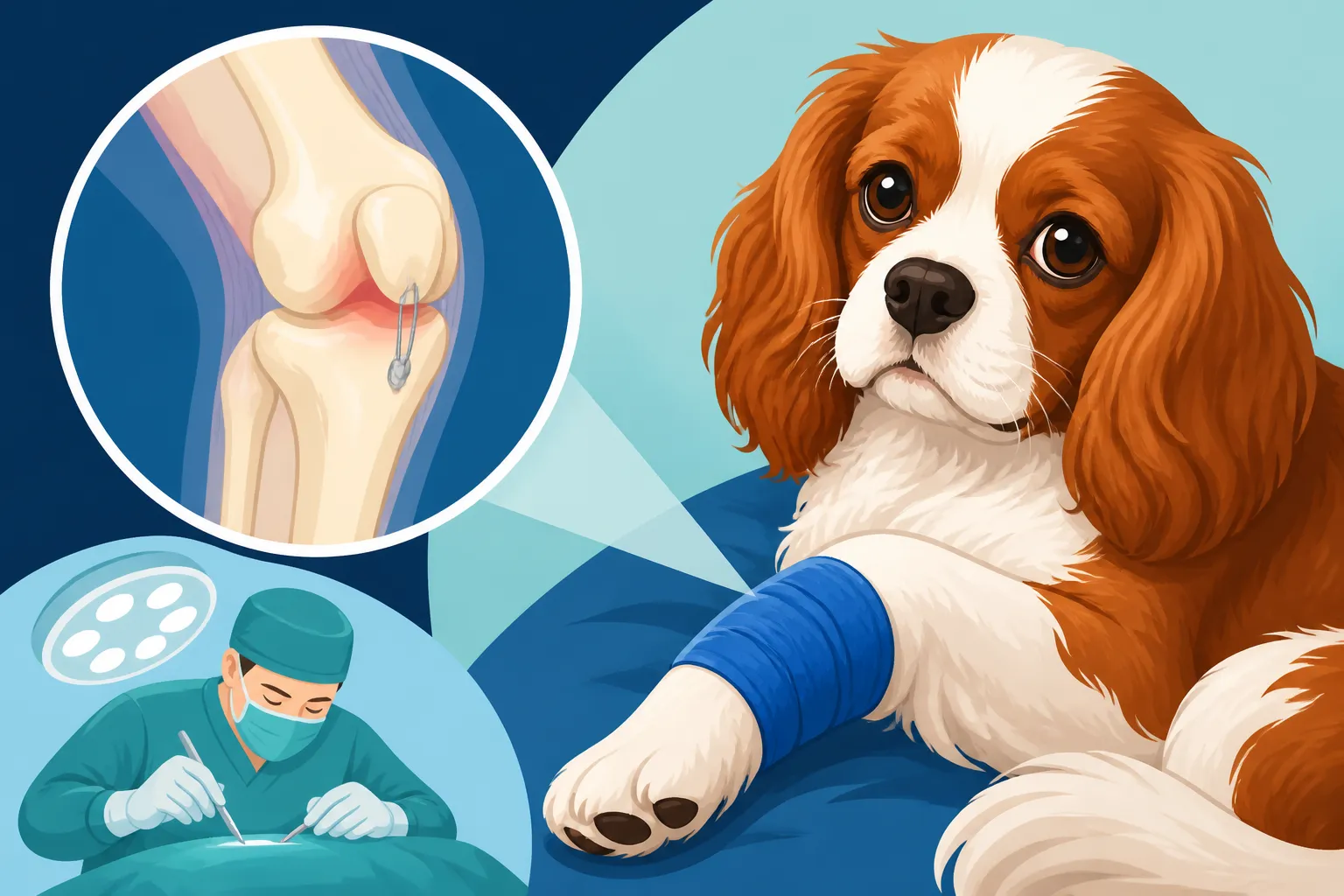
At its simplest, patellar luxation means the kneecap (patella) slips out of its normal groove on the thigh bone (femur). Think of your own kneecap; it's designed to slide up and down in a specific track. In dogs, especially smaller breeds like our Cavaliers, this track, called the trochlear groove, can be too shallow. When the groove is shallow, or the surrounding soft tissues aren't quite right, the patella can pop out – either towards the inside of the leg (medial luxation, which is most common in Cavaliers) or, less frequently, towards the outside (lateral luxation). Each time it slips out, it can cause pain, temporary lameness, and over time, wear and tear on the joint, potentially leading to arthritis.
Imagine your little Cavalier, like my sweet Charlie, trying to bound up the stairs or leap onto the sofa. One minute he's a blur of enthusiasm, the next he’s holding his back leg up, looking confused or even in distress. This is a classic presentation of patellar luxation. The kneecap can slip out, causing the leg to lock up briefly, and then pop back in, allowing them to use the leg again. It’s a frustrating cycle for both them and us, watching them struggle.
Why Cavaliers are Prone to It
Unfortunately, Cavaliers are among the breeds genetically predisposed to patellar luxation. It’s not just bad luck; it’s often tied to the way their bones and joints are structured. We see it alongside other joint issues in the breed, as detailed in articles like Cavalier Knees, Hips and Joint Problems. The shallowness of the trochlear groove, the alignment of the tibia (shin bone), and the tension of the quadriceps muscle group all play a role. If any of these components are off, the kneecap doesn't track correctly.
It’s often inherited, meaning if your Cavalier's parents had patellar luxation, or if it runs in their lines, your pup has a higher chance of developing it too. This is one of the many reasons why seeking out a reputable breeder who performs health clearances, including knee examinations, is so crucial. Even with the best breeding practices, though, it can still appear, as genetics are complex and sometimes recessive genes pop up unexpectedly. It's a testament to the challenges we face in trying to breed healthier dogs while maintaining beloved breed characteristics.
The Four Grades of Patellar Luxation
Vets typically grade patellar luxation on a scale from 1 to 4, with Grade 1 being the mildest and Grade 4 the most severe. This grading helps determine the best course of action, including whether surgery is recommended. You can find more specific details on this in The Four Grades of Cavalier Patellar Luxation, but here's a general overview:
- Grade 1: The patella can be manually luxated (pushed out of place) but spontaneously returns to its normal position. Your Cavalier might have a slight skip now and then, or you might not even notice it. Often, this grade is found during a routine vet check-up.
- Grade 2: The patella luxates spontaneously, meaning it pops out on its own, and sometimes stays out for a short period before popping back in. This is where you'll most commonly see that classic "skip" or the dog holding its leg up for a few steps. It might be able to manually push it back in, or it will eventually slip back on its own.
- Grade 3: The patella is luxated most of the time. While it can still be manually reduced (pushed back into the groove), it will reluxate immediately or soon after. Dogs with Grade 3 luxation often walk with a noticeable crouch or bow-legged stance. They might be in more consistent discomfort.
- Grade 4: This is the most severe form. The patella is permanently luxated and cannot be manually returned to its normal position. The trochlear groove is often absent or extremely shallow, and there can be significant deformities of the femur and tibia. Dogs with Grade 4 luxation are severely lame and often have a pronounced crouch or abnormal gait, sometimes described as "bunny hopping."
Here's a quick summary table:
| Grade | Patella Position | Clinical Signs | Treatment Approach |
|---|---|---|---|
| 1 | Manually luxates, spontaneously reduces | Intermittent, mild skipping or no visible signs | Often conservative, monitoring |
| 2 | Spontaneously luxates, can be manually reduced | Frequent skipping, leg holding, occasional lameness | Conservative or surgical, depending on severity/impact |
| 3 | Luxated most of the time, can be manually reduced | Consistent lameness, crouched/bow-legged stance, significant discomfort | Surgery typically recommended |
| 4 | Permanently luxated, cannot be manually reduced | Severe lameness, inability to extend knee, significant skeletal deformity | Surgery highly recommended |
Recognizing the Signs and Getting a Diagnosis
As a Cavalier parent, you're usually the first to notice when something is off with your furry child. Catching the signs of patellar luxation early can make a big difference in management and treatment outcomes.
Common Symptoms to Watch For
The most classic sign, and one that often sends us into a panic, is the "skip." Your Cavalier will be trotting along, suddenly pick up a back leg for a few steps, then put it back down and carry on as if nothing happened. This is often described as A Cavalier That Skips on One Back Leg. It's a momentary interruption of their gait as the kneecap slips out and then pops back in. This intermittent lameness might be more noticeable after activity, jumping, or when they're excited.
Other symptoms can include:
- Intermittent or persistent lameness: While the skip is common, some Cavaliers might limp more consistently, especially with higher grades of luxation.
- Holding the leg up: They might carry the affected leg for a few steps or even for a longer period if the patella remains luxated.
- Pain or discomfort: You might notice them yelping, whining, or being reluctant to jump, climb stairs, or even walk as far as they used to.
- Reluctance to use the leg: They might avoid putting weight on the limb.
- Stiffness: Especially after rest, they might seem stiff in the affected leg.
- Abnormal gait: In more severe cases (Grade 3 or 4), you might notice a more permanently crouched or bow-legged appearance.
- Crepitus (clicking or grinding): You might even hear or feel a clicking sensation when the joint moves, indicating bone-on-bone friction or cartilage damage.
It's easy to dismiss a subtle skip as just a silly puppy quirk, especially if your Cavalier quickly recovers. However, if you notice any of these signs, it's always best to get it checked out. Over time, that repeated popping out of the kneecap can lead to painful arthritis and further joint damage.
The Veterinary Examination
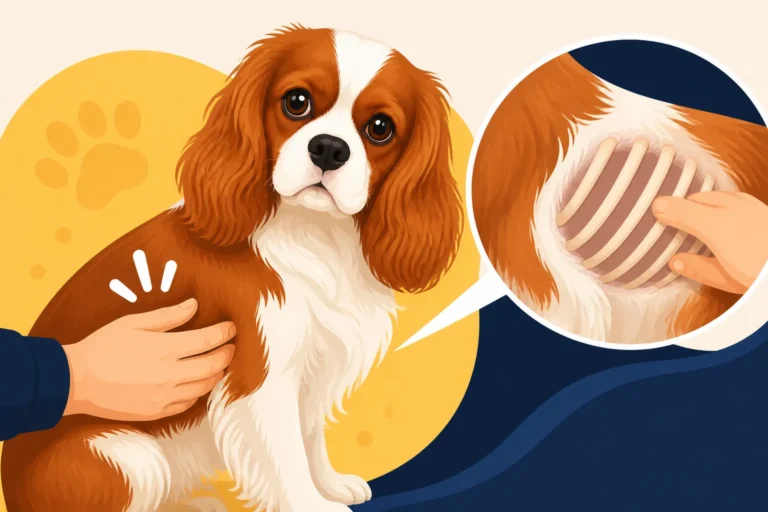
When you bring your Cavalier to the vet with concerns about their leg, the veterinarian will start with a thorough physical examination. This is more than just a quick glance; they'll carefully palpate (feel) your dog's leg, focusing on the knee joint. They'll gently manipulate the kneecap to see if it moves out of its groove and how easily it does so, and whether it returns on its own. This is how they assign the "grade" of luxation.
During the exam, they'll also check for any signs of pain, swelling, or muscle atrophy (wasting) in the affected limb. They'll assess your Cavalier's overall gait and how they bear weight. Beyond the physical examination, X-rays are typically recommended. X-rays won't directly show the kneecap moving, but they are crucial for:
- Assessing bone alignment: They can reveal any deformities in the femur or tibia that contribute to the luxation.
- Evaluating trochlear groove depth: They can give an indication of how shallow the groove is.
- Checking for secondary changes: This includes looking for signs of arthritis, bone spurs, or other damage that might have occurred due to the kneecap repeatedly slipping.
- Ruling out other conditions: Sometimes, a limp can be caused by other issues, like a cruciate ligament injury or hip dysplasia, which X-rays can help identify.
Your vet might also suggest a discussion about other joint health, like Cavalier Hip Dysplasia and Early Arthritis, as sometimes these conditions can coexist. A proper diagnosis ensures that the right treatment plan is put in place, whether it's conservative management or surgery.
Considering Surgical Options for a Cavalier's Kneecap
Once a diagnosis of patellar luxation is confirmed, especially if it's Grade 2 or higher and significantly impacting your Cavalier's quality of life, surgery often becomes the recommended path. It's a big decision, filled with questions about recovery and costs, but it’s often the most effective way to restore comfortable mobility.
When Surgery Becomes Necessary
The decision to proceed with surgery is a complex one, unique to each Cavalier and family. Generally, surgery is considered for:
- Consistent lameness or pain: If your Cavalier is frequently limping, showing signs of pain, or reluctant to engage in normal activities due to the luxation, surgery is often the best option to alleviate their discomfort and improve their quality of life.
- Higher grades of luxation (Grade 2-4): While Grade 1 might sometimes be managed conservatively with physical therapy and pain relief, Grade 2 luxation that causes regular symptoms, and certainly Grade 3 and 4, almost always benefits from surgical correction. The risk of developing severe arthritis and further joint damage increases with higher grades.
- Progression of the condition: If a lower-grade luxation worsens over time, or if conservative management isn't providing sufficient relief, surgery will be re-evaluated.
- Prevention of secondary issues: Repeated luxation causes wear and tear on the cartilage and can lead to irreversible arthritis. Early surgical intervention can prevent or delay the onset of severe arthritis and other orthopedic problems.
- Cruciate ligament involvement: Sometimes, a patellar luxation can lead to or coincide with a tear in the cranial cruciate ligament. If both are present, surgery will address both issues.
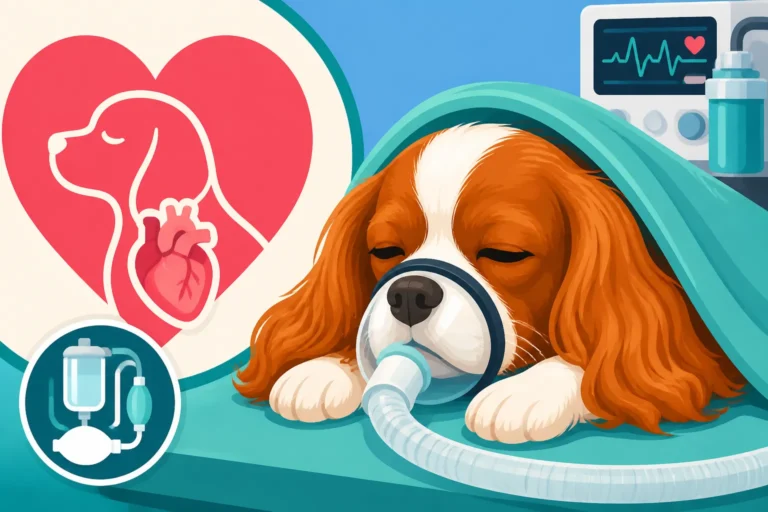
It's important to have an honest discussion with your veterinarian and potentially a board-certified veterinary orthopedic surgeon. They can help you weigh the pros and cons, consider your Cavalier's age, overall health, and your family's circumstances. For example, if your Cavalier also has a heart murmur, concerns about Anesthesia Risk in a Cavalier With a Murmur might come into play, requiring a cardiology consult before any surgery.
Types of Patellar Luxation Surgery
The goal of patellar luxation surgery is to ensure the kneecap stays securely within its groove. There isn't a one-size-fits-all solution; often, a combination of techniques is used to achieve the best outcome. The surgeon will choose the appropriate combination based on your Cavalier's specific anatomy and the grade of luxation.
Common surgical techniques include:
-
Trochlear Sulcoplasty (Deepening the Groove): This is a cornerstone of patellar luxation repair. The surgeon deepens the trochlear groove in the femur where the patella sits. This can be done in a few ways:
- Wedge Recession Trochleoplasty: A wedge of bone and cartilage is carefully removed from the groove, the underlying bone is deepened, and then the wedge is replaced. This maintains the joint surface cartilage.
- Block Recession Trochleoplasty: Similar to the wedge, but a block of bone and cartilage is removed, the groove is deepened, and the block is replaced.
- Chondroplasty: For very young dogs with soft cartilage, the groove can be deepened without removing bone, but this is less common in adult Cavaliers.
-
Tibial Tuberosity Transposition (Realigning the Attachment Point): The tibial tuberosity is the bony prominence on the shin bone (tibia) where the patellar ligament attaches. If this attachment point is misaligned, it pulls the kneecap out of the groove. The surgeon carefully cuts a section of bone containing the tibial tuberosity, moves it to the correct alignment, and reattaches it using pins or screws. This ensures the quadriceps muscle pulls the kneecap straight.
-
Soft Tissue Release/Tightening:
- Lateral Imbrication: If the kneecap is luxating medially (inward), the soft tissues on the outside of the knee joint might be tightened to pull the kneecap outwards, helping to hold it in place.
- Medial Release: Conversely, if the soft tissues on the inside are too tight, pulling the kneecap inwards, the surgeon might release them to reduce the inward tension.
-
Femoral Osteotomy: In severe cases, especially Grade 4 luxations or those with significant bone deformities, the femur itself might be bowed or twisted. A femoral osteotomy involves cutting the femur and rotating or straightening it before plating it back together. This is a more involved procedure but can be necessary for complete correction.
A skilled orthopedic surgeon will perform a comprehensive assessment, often including advanced imaging like CT scans in complex cases, to determine the exact combination of procedures needed. The cost of knee surgery for a Cavalier can be a significant consideration, and resources like Knee Surgery Costs for a Cavalier can provide more detail, but generally, expect it to be a substantial investment in your dog's future mobility. Many owners find that pet insurance, such as through providers like Healthy Paws, can be invaluable for these unexpected and often expensive surgeries, especially if enrolled before any symptoms appear.
What to Expect During the Procedure
On the day of surgery, your Cavalier will undergo pre-anesthetic blood work and a thorough physical exam to ensure they are healthy enough for anesthesia. They will then be carefully sedated and intubated, with general anesthesia maintained throughout the procedure.
The surgical site will be meticulously shaved and sterilized. The surgeon will then make an incision over the knee joint. The actual procedure will involve one or more of the techniques described above, meticulously performed to realign the patella and secure it in its proper groove. This can involve cutting and reshaping bone, repositioning tendons, and using orthopedic pins or sutures.
The duration of the surgery can vary depending on the complexity and the number of techniques employed, but it typically takes 1-2 hours per knee. After the surgery is complete, the incision will be closed, and your Cavalier will be moved to a recovery area for close monitoring as they wake up from anesthesia. Pain management is a top priority, and they will receive appropriate pain medications to ensure they are as comfortable as possible during this critical post-operative period. It's a daunting day for any pet parent, but knowing your Cavalier is in skilled hands can bring a lot of peace.
Navigating Post-Surgical Recovery and Rehabilitation
The surgery itself is only half the battle. The recovery period is crucial for the success of the procedure, and it requires dedication and patience from you as the pet parent. It's a commitment, but seeing your Cavalier regain their zest for life makes it all worthwhile.
Immediate Post-Operative Care
Immediately after surgery, your Cavalier will likely stay at the veterinary hospital for a day or two. This allows the veterinary team to monitor them closely for any complications, manage their pain effectively, and ensure they are recovering well from anesthesia. They'll typically have an E-collar (cone of shame) to prevent them from licking or chewing at the incision site, which is vital for preventing infection and ensuring proper healing.
When you bring your Cavalier home, you'll receive detailed instructions, which usually include:
- Medication schedule: This will include pain relievers, anti-inflammatories, and sometimes antibiotics. Adhering strictly to this schedule is critical for managing discomfort and preventing infection.
- Wound care: You'll need to check the incision site daily for signs of swelling, redness, discharge, or any opening. Keep it clean and dry.
- Activity restriction: This is perhaps the most challenging part. Your Cavalier will need strict rest. This means no running, jumping, stairs, or rough play for several weeks. Leashed potty breaks only, and always supervised.
It can feel overwhelming to keep an active Cavalier confined, but it's essential for the bone and soft tissues to heal properly. Any undue stress on the repair can lead to complications or even failure of the surgery.
At-Home Recovery and Activity Restrictions
The first 6-8 weeks are the most critical phase of at-home recovery. During this time, your Cavalier needs strict confinement. This might mean a small crate or a pen that limits their movement. For many Cavaliers, who are natural "Velcro dogs" and love to be by your side, this can be emotionally tough, so spending plenty of quiet time with them is important.
- Confined rest: Limit movement to short, controlled leash walks for potty breaks only. The length and frequency of these walks will gradually increase as advised by your vet.
- No jumping: Absolutely no jumping on or off furniture, or climbing stairs. Consider investing in a ramp for beds or sofas if that's where your Cavalier usually rests.
- Sling support: For the first few weeks, your vet might recommend using a sling (a towel or specialized sling) to support their hindquarters when they go outside, especially if they are unsteady.
- Monitor incision: Continue to monitor the incision site daily for any issues and ensure the E-collar stays on. Sutures are typically removed around 10-14 days post-op.
- Mental stimulation: Since physical activity is restricted, provide plenty of mental stimulation with puzzle toys, gentle grooming sessions, or quiet cuddle time.
This period requires immense patience. Some days, your Cavalier might feel better and want to play, but you must adhere to the restrictions. Pushing them too soon can compromise the entire recovery process. It’s during these times, especially with unexpected costs, that having robust pet insurance like Healthy Paws can truly alleviate financial stress, allowing you to focus purely on your Cavalier's healing.
Physical Rehabilitation and Long-Term Support
Once the initial healing phase is complete (usually around 6-8 weeks), your vet will likely recommend starting a physical rehabilitation program. This is just as vital as the surgery itself for optimal recovery and regaining full function.
- Therapeutic exercises: These typically start gently, with passive range of motion (PROM) exercises, where you gently move your Cavalier's leg, and progress to active exercises like controlled walks, balance exercises, and eventually, more dynamic movements.
- Hydrotherapy (underwater treadmill): This is incredibly beneficial as the buoyancy of the water reduces weight-bearing stress on the joint while allowing for muscle strengthening and improved range of motion. Many specialized rehab centers offer this.
- Laser therapy: Low-level laser therapy can help reduce pain and inflammation and promote tissue healing.
- Massage: Gentle massage can help improve circulation and reduce muscle stiffness.
- Home exercise program: A certified canine rehabilitation therapist will design a personalized program for your Cavalier that you can continue at home, gradually increasing the intensity.
This rehabilitation phase can last for several months. Regular follow-up appointments with your vet or a rehab specialist will be essential to track progress and adjust the program as needed. The goal is to strengthen the muscles around the knee, improve flexibility, and ensure your Cavalier regains as much normal function as possible. For older Cavaliers, or those with existing joint issues, ongoing Pain Management for a Senior Cavalier may become a regular part of their routine.
Life After Surgery: Prognosis and Potential Challenges
Having your Cavalier undergo kneecap surgery is a big step, and it's natural to wonder what life will look like afterward. The good news is that for most Cavaliers, the prognosis is excellent, though long-term care and vigilance remain important.
Long-Term Success Rates
The success rate for patellar luxation surgery in Cavaliers is generally very high, often cited at over 90% for Grades 1-3. Most dogs experience a significant reduction in lameness and pain, leading to a much improved quality of life. They can typically return to normal activities, enjoying walks, playtime, and running around without that frustrating skip or discomfort.
Factors that influence success include:
- Grade of luxation: Lower grades generally have a better prognosis.
- Severity of concurrent arthritis: If significant arthritis is already present, full function might be limited, but pain relief will still be substantial.
- Adherence to post-operative care: Strict adherence to rest and rehabilitation protocols is paramount.
- Surgeon's experience: An experienced orthopedic surgeon contributes significantly to a positive outcome.
It's important to remember that while surgery corrects the mechanical issue, it cannot erase any pre-existing arthritic changes that may have occurred before the operation. However, by stabilizing the joint, it significantly slows down the progression of further arthritis.
Managing Arthritis After Surgery
Even with a successful surgery, many Cavaliers will develop some degree of arthritis in the affected knee over their lifetime, especially if the luxation was present for a while before surgery. Arthritis is a progressive condition, but it can be managed to keep your Cavalier comfortable and mobile.
Long-term management strategies for arthritis often include:
- Weight management: Keeping your Cavalier at a lean, healthy weight is one of the most impactful things you can do to reduce stress on all their joints. Even a few extra pounds on a small breed like a Cavalier can put immense strain on recovering knees, so paying attention to details like the guidelines in Why an Overweight Cavalier Fails Faster is vital.
- Joint supplements: Glucosamine, chondroitin, MSM, and Omega-3 fatty acids can help support cartilage health and reduce inflammation. Discuss these with your vet.
- Anti-inflammatory medications: Your vet may prescribe NSAIDs (non-steroidal anti-inflammatory drugs) during flare-ups or for long-term low-dose management.
- Pain management: Beyond NSAIDs, other pain medications like gabapentin may be used, particularly for chronic discomfort.
- Continued controlled exercise: Regular, moderate, low-impact exercise (like swimming or leash walks) helps maintain muscle mass and joint flexibility without causing excessive strain. Avoid high-impact activities like jumping or sudden stops.
- Physical therapy: Intermittent sessions with a rehab therapist can help maintain strength and flexibility.
- Environmental modifications: Soft, supportive beds, ramps for furniture access, and non-slip rugs can make a big difference in comfort for an arthritic dog.
It's about creating a supportive environment and working closely with your vet to develop a comprehensive plan that keeps your Cavalier happy and comfortable as they age.
Protecting the Other Knee
One often-overlooked aspect is the health of the other knee. If your Cavalier has patellar luxation in one leg, there's a significant chance that the other knee may also be affected, either currently or in the future. The compensatory mechanisms where the dog puts more weight on the "good" leg can accelerate wear and tear on that knee, sometimes leading to luxation or other issues.
Your vet will always examine both knees during the initial diagnosis and at follow-up appointments. If the other knee shows signs of luxation (even a low grade), you'll need to monitor it closely. Sometimes, both knees need surgery, either at the same time (if feasible for your dog and surgeon) or sequentially.
Continuing good joint care for both legs, including appropriate exercise, weight management, and supplements, is crucial for long-term joint health. This proactive approach ensures you're doing everything possible to keep your Cavalier moving comfortably for years to come. Remember, prevention and early intervention are always better than waiting for severe problems to develop, and a robust plan, supported by something like Healthy Paws pet insurance from the start, can make these journeys much smoother.
Disclaimer
The information provided in this article is for general informational purposes only and is not a substitute for professional veterinary advice. Always consult with a qualified veterinarian or veterinary specialist regarding any medical conditions or treatment options for your Cavalier King Charles Spaniel.