Whether a Cavalier Struggles in Heat
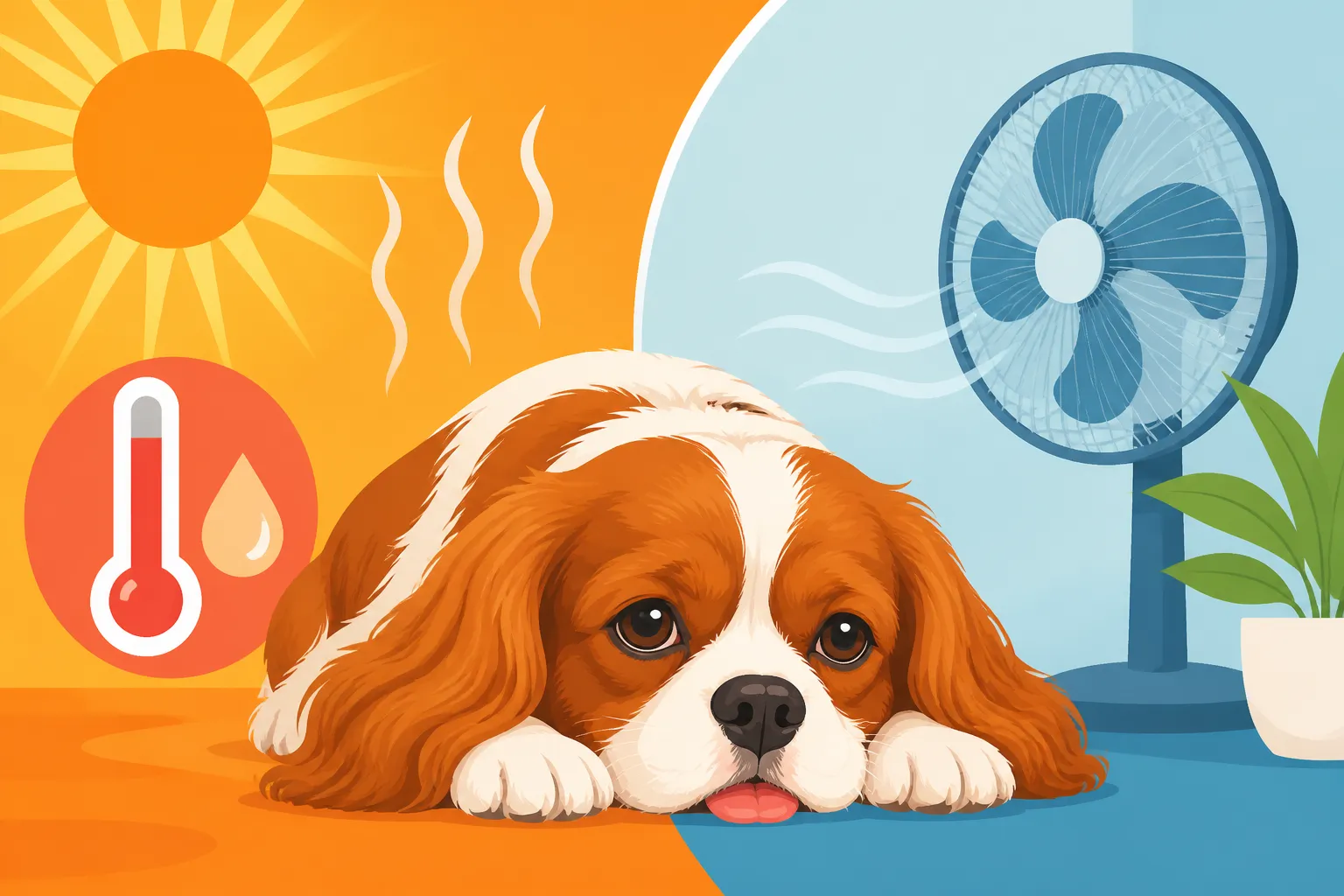
As loving Cavalier owners, we've all felt that pang of worry when the weather turns hot, seeing our sweet pups panting more than usual and wondering if they're truly comfortable. It's a valid concern, as these adorable, affectionate dogs can indeed struggle significantly when temperatures rise. This comprehensive guide will walk you through exactly why Cavaliers are prone to overheating, how to spot the signs of heat stress, and most importantly, practical steps you can take to keep your furry friend safe and cool during warmer months.
Understanding Why Cavaliers Struggle in Heat
It's heartbreaking to see our Cavaliers uncomfortable, and understanding the root causes of their heat sensitivity is the first step in protecting them. It's not just about them having a coat; several physiological factors inherent to the breed make them more vulnerable when the mercury climbs.
Brachycephalic Tendencies and Airway Obstruction
While not as pronounced as a Bulldog or a Pug, Cavalier King Charles Spaniels do possess a degree of brachycephaly, meaning they have a somewhat shortened muzzle compared to breeds with longer snouts. This facial structure, while undeniably cute, can predispose them to certain respiratory challenges, especially in hot weather. Their airways can be narrower, and the soft palate might be longer, potentially obstructing airflow.
Imagine trying to breathe through a straw when you're already out of breath – that's somewhat akin to what an already compromised airway can feel like for a Cavalier during exertion or when the air itself is thick with humidity and heat. They rely heavily on panting to regulate their body temperature, as dogs don't sweat like humans do across their skin. If their airway is even slightly obstructed, their ability to efficiently pant and exchange heat is severely hampered. This means they have to work much harder to cool down, leading to increased body temperature and greater risk of overheating. Many owners often wonder Whether a Cavalier is a Brachycephalic Breed In short, they lean towards it, and it matters in the heat.
Their Dense Coat and Insulating Properties
Cavaliers are renowned for their beautiful, silky coats, often adorned with charming feathering on their ears, chest, legs, and tail. While this coat is technically single-layered and not a thick double coat like a Husky's, it still acts as an insulator. This insulation, which is fantastic in cooler weather for keeping them warm, works against them when it's hot. It traps a layer of warm air close to their bodies, preventing efficient heat dissipation.
It's a common misconception that shaving a Cavalier will solve this problem. In many cases, a dog's natural coat actually provides a degree of protection from the sun's direct rays, and shaving it too short can expose their delicate skin to sunburn, potentially leading to other issues. Instead, regular grooming helps by removing loose hair and preventing mats, which can further trap heat and restrict air circulation. Keeping their coat clean and tangle-free allows for better air movement against their skin, which is crucial for cooling.
Health Conditions That Exacerbate Heat Sensitivity
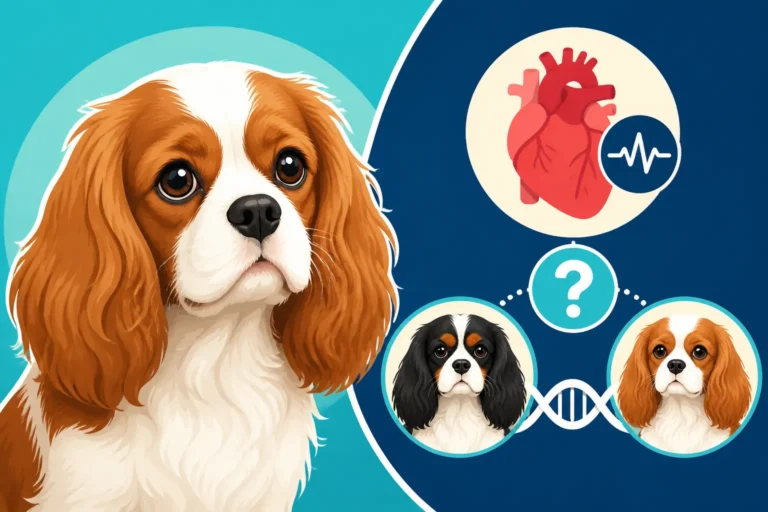
Beyond their physical structure, Cavaliers are sadly predisposed to several health conditions that can significantly increase their risk of heat-related illness. The most prominent of these is Mitral Valve Disease (MVD), a progressive heart condition that affects a large percentage of the breed. When a Cavalier has MVD, their heart isn't working as efficiently, which means their circulatory system is already under stress. The additional burden of trying to cool the body in hot weather places an immense strain on an already compromised heart. A dog with advanced MVD might already be struggling to breathe or have a persistent cough, and heat only amplifies these symptoms, hastening the progression of heart failure. For more information, you can read about How Cavalier Heart Disease Progresses Stage by Stage.
Other conditions, like Cavalier Tracheal Collapse, can also make breathing difficult, especially when panting heavily in the heat. Even something as common as being overweight can have a profound impact. An Overweight Cavalier Fails Faster, and the extra fat acts as additional insulation, making it even harder for their bodies to cool down. It also puts more strain on their cardiovascular and respiratory systems. If your Cavalier is carrying a few extra pounds, understanding Cavalier Weight Gain and What It Costs the Heart, is essential for their overall well-being, especially in warm climates. Any existing health issue that affects breathing or circulation immediately elevates their risk profile when temperatures soar.
Recognizing the Signs of Overheating in Your Cavalier
Knowing that Cavaliers are susceptible to heat stress is one thing, but knowing when your specific dog is in trouble is paramount. Heatstroke can progress rapidly and become life-threatening, so being able to identify the warning signs early can literally be a lifesaver.
Early Warning Signs to Watch For
Our Cavaliers are generally so eager to please and accompany us that they might push themselves too far. It's up to us to recognize the subtle cues that they're getting uncomfortable. In the early stages of overheating, you might notice your Cavalier:
- Excessive Panting: This is the most obvious sign. While some panting is normal for dogs to cool down, look for panting that is much heavier, faster, or more labored than usual, especially if they haven't been engaging in strenuous activity. Their mouth might be open wider, and their tongue might be hanging out further than normal.
- Seeking Shade or Cool Surfaces: They might actively try to lie down on tile floors, in a shady spot, or press themselves against a cool wall.
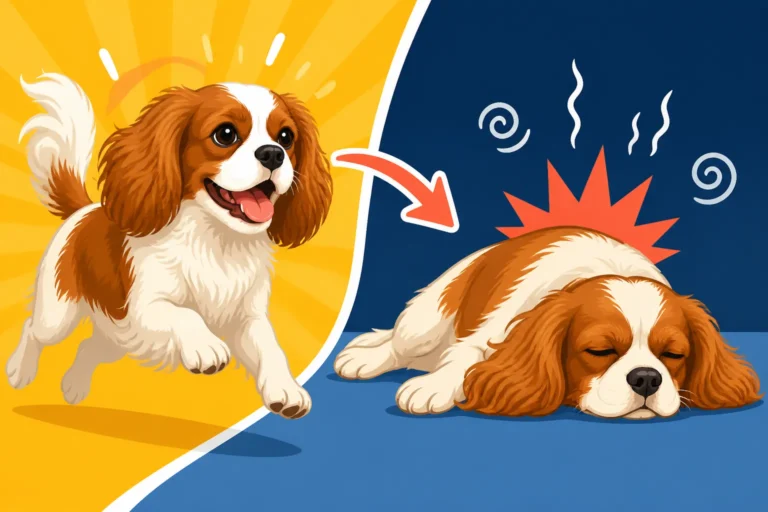
- Lethargy or Reduced Activity: A normally playful Cavalier might seem unusually tired, reluctant to move, or uninterested in their favorite toys. They might lag behind on a walk or refuse to continue.
- Bright Red Gums or Tongue: While early on, their gums might simply appear a brighter red than their normal healthy pink, indicating increased blood flow as their body tries to cool.
- Drooling: An increase in drooling or thicker, ropier saliva can be a sign their body is struggling to regulate temperature.
It’s crucial to take these signs seriously. If you observe any of these, it's time to immediately move your Cavalier to a cooler environment and begin active cooling measures. Don't wait for things to get worse.
Critical Symptoms of Heatstroke
If early warning signs are missed or ignored, heat stress can quickly escalate into full-blown heatstroke, a medical emergency. These symptoms demand immediate veterinary intervention.
- Staggering or Loss of Coordination: Your Cavalier might look disoriented, stumble, or struggle to walk in a straight line.
- Vomiting and Diarrhea: Often, this can include blood, as severe heatstroke can damage internal organs.
- Collapse or Unconsciousness: This is a grave sign, indicating severe organ dysfunction and a critical state.
- Dark Red, Brick-Red, or Purple Gums: This indicates poor circulation and oxygenation. Their tongue might also turn a dark purplish red.
- Rapid Heart Rate: You might be able to feel their heart pounding quickly.
- Seizures: In severe cases, brain function can be affected, leading to seizures.
- Muscle Tremors: Involuntary shaking of muscles.
This is a life-threatening situation. Every minute counts. Do not delay in seeking emergency veterinary care if your Cavalier exhibits any of these critical symptoms.
Differentiating Heat Stress from Normal Activity
It's easy to get anxious, especially with a breed known for heat sensitivity. So, how do you tell normal summer panting from something more concerning?
A Cavalier might pant a little after a short burst of play or a brisk walk, especially if they're excited. This normal panting should subside fairly quickly (within 5-10 minutes) once they've rested in a cool spot. Their gums should remain a healthy pink, and their overall demeanor should return to normal.
However, if your Cavalier is panting heavily, continuously, and struggling to catch their breath even after resting in the shade, or if the panting is accompanied by any of the early warning signs mentioned above, it's cause for concern. Pay close attention to their gum color, their level of responsiveness, and how long the intense panting lasts. Normal panting is generally shallow and regular, whereas heat-stressed panting is often deeper, faster, and more frantic. Also, be mindful of Counting a Cavalier's Resting Breaths, which can be a good baseline indicator of respiratory health, and any deviation in hot weather can be a warning sign.
Here’s a quick comparison table to help differentiate:
| Symptom | Normal Warm Weather Response | Early Heat Stress/Overheating | Critical Heatstroke |
|---|---|---|---|
| Panting | Moderate, subsides quickly after rest. | Excessive, heavy, continuous, labored, does not subside quickly. | Extreme, frantic, gasping, potentially noisy breathing. |
| Energy Level | Normal, may be slightly less enthusiastic if very warm. | Lethargic, reluctant to move, seems tired or withdrawn. | Collapsed, unresponsive, disoriented, staggering. |
| Gums/Tongue | Healthy pink, moist. | Brighter red, slightly tacky. | Dark red, brick-red, purple, very dry or sticky. |
| Saliva | Normal. | Increased drooling, thick, ropy saliva. | Profuse, foamy, or bloody saliva. |
| Coordination | Normal. | Slightly unsteady or seeking cool spots urgently. | Staggering, stumbling, loss of balance, seizures. |
| Other | Happy, alert, interested in surroundings. | Restless, anxious, seeking shade, increased thirst. | Vomiting (possibly bloody), diarrhea, tremors, unconsciousness. |
Practical Strategies for Keeping Your Cavalier Cool
Once you understand why your Cavalier is vulnerable and how to spot trouble, the next step is proactive prevention. There are many ways to create a safe, cool environment for your beloved companion.
Adjusting Exercise Routines and Outdoor Exposure
The most straightforward way to prevent overheating is to manage when and how your Cavalier spends time outdoors. During peak summer months, this often means a significant shift in routine.
- Timing is Everything: Avoid walks and strenuous play during the hottest parts of the day, typically between 10 AM and 4 PM. Instead, schedule walks for early mornings (before the sun has really heated up the pavement) and late evenings once the sun has set and things have cooled down.
- Check the Pavement: Remember that asphalt and concrete can get incredibly hot, easily burning your Cavalier's delicate paw pads. If you can't comfortably hold your hand on the pavement for five seconds, it's too hot for their paws. Opt for grassy areas if you must go out.
- Short and Sweet: Even during cooler parts of the day, keep walks shorter than usual. A quick potty break might be all they need. Remember that Whether Exercise Is Safe for a Cavalier With MVD, is even more critical in the heat. Their heart is already working hard, and high temperatures add extra strain.
- Indoor Play: Substitute outdoor romps with indoor games. Puzzle toys, hide-and-seek, or gentle fetch inside can provide mental and physical stimulation without the heat risk.
- Never Leave in a Car: This is non-negotiable. Even on a mild 70-degree day, the temperature inside a car can skyrocket to over 100 degrees Fahrenheit in just minutes, creating a deadly oven for your dog. Cracking windows does almost nothing. This is one of the most common causes of heatstroke, and it's entirely preventable.
Providing a Cool, Hydrating Environment Indoors and Out
Creating a cool haven for your Cavalier is crucial, both inside your home and in your yard.
- Air Conditioning and Fans: If you have air conditioning, keep it running, especially on hot days. Even a fan can make a big difference by increasing air circulation and helping with evaporative cooling for your dog. Position a fan near their favorite resting spot.
- Cooling Mats and Elevated Beds: Cooling mats, often gel-filled, absorb body heat and provide a cool surface for your Cavalier to lie on. Elevated dog beds allow air to circulate underneath, which is much cooler than lying directly on a hot floor or patio.
- Plenty of Fresh Water: Always ensure multiple bowls of fresh, cool water are available both indoors and outdoors. You can add a few ice cubes to their water bowl to keep it cooler for longer. Some Cavaliers enjoy playing with ice cubes, which can also help them hydrate and cool down.
- Shady Spots: If your Cavalier spends any time outside, make sure there is ample, dense shade available. Trees, awnings, or shade cloths are essential. Don't rely on the sun moving and leaving a previously shady spot exposed.
- Wading Pools: For some Cavaliers, a small, shallow kiddie pool with a few inches of water can be a fun way to cool off. Supervise them closely, especially if they are not keen swimmers, and ensure they don't drink too much chlorinated water if it's a regular pool.
Grooming and Water Play Considerations
You might be tempted to clip your Cavalier's beautiful long coat in the summer, but it's important to approach this thoughtfully.
- To Clip or Not to Clip?: Generally, a Cavalier's natural coat provides a protective layer against sunburn and helps regulate body temperature by trapping air. Shaving it down to the skin can actually expose them to the sun's harmful UV rays and interfere with their natural cooling mechanisms. If you do opt for a summer clip, ask your groomer for a "puppy cut" that leaves at least an inch or two of hair. This can help with cooling while still offering some protection. Regularly brushing their coat helps remove loose undercoat (even though Cavaliers have a single coat, they still shed) and improves air circulation, which is often more effective than a severe clip.
- Wet Towels and Spritzers: A quick way to cool your Cavalier down is to dampen a towel with cool (not ice-cold) water and drape it over their back or belly. You can also use a spray bottle to mist them with cool water, focusing on their paws, belly, and ears, where blood vessels are close to the surface.
- Supervised Water Play: If your Cavalier enjoys water, a gentle spray from a hose on their belly and paws, or a controlled dip in a shallow, clean body of water, can be wonderful for cooling. Always supervise to ensure safety.
When to Seek Veterinary Attention and Emergency Measures
Despite all precautions, sometimes a Cavalier can still overheat. Knowing what to do in an emergency and understanding the critical need for professional veterinary care is paramount.
Immediate First Aid for an Overheated Cavalier
If you suspect your Cavalier is overheating, immediate action can save their life. Do this before and while you're contacting your vet or heading to the emergency clinic.
- Move to a Cooler Area: Immediately get your Cavalier out of the heat source. Bring them indoors to an air-conditioned room or at least a shady, breezy spot.
- Apply Cool Water: Wet them down with cool (not ice-cold) water. Focus on areas with good blood flow, like their armpits, groin, belly, and paw pads. You can use a hose, damp towels, or even a sponge. Do not use ice water or submerse them in ice baths, as this can cause blood vessels to constrict, hindering cooling, or even induce shock.
- Use Fans: Direct a fan towards them to aid in evaporative cooling.
- Offer Small Amounts of Water: If they are conscious and able to swallow, offer them small sips of cool water. Do not force water on them, especially if they are disoriented or vomiting, as it could lead to aspiration.
- Monitor Temperature: If you have a rectal thermometer, take their temperature. A dog's normal temperature is between 101°F and 102.5°F (38.3°C and 39.2°C). If it's above 104°F (40°C), they are in the danger zone. Stop active cooling when their temperature drops to around 103°F (39.4°C) to prevent overcooling.
- Contact Your Veterinarian: Call your vet or the nearest emergency animal hospital immediately, even if your Cavalier seems to be recovering. Describe the situation and tell them you are on your way. They can prepare for your arrival and provide critical guidance.
The Importance of Prompt Veterinary Care
Heatstroke is not something you can "wait and see" with, especially in a breed like the Cavalier. Even if your dog seems to be bouncing back after your first aid efforts, internal damage could still be occurring. Heatstroke can lead to:
- Organ Damage: Kidneys, liver, heart, and brain can all be severely affected.
- Disseminated Intravascular Coagulation (DIC): A life-threatening blood clotting disorder.
- Swelling of the Brain (Cerebral Edema): Can lead to neurological issues, seizures, and death.
- Acute Respiratory Distress Syndrome (ARDS): Severe lung injury.
Only a veterinarian can properly assess the extent of the damage, administer necessary fluids, medications, and monitor for complications. They might need to perform blood tests, administer intravenous fluids to combat dehydration and support organ function, and provide oxygen therapy. The sooner they receive professional care, the better their chances of recovery. This is why having access to quick and reliable care is so important, particularly for Caring for a Cavalier Past Nine, as older dogs are even more susceptible.
Preparing for Emergency Costs
Emergency veterinary visits, particularly for conditions as serious as heatstroke, can be incredibly expensive. Diagnostic tests, hospitalization, IV fluids, medications, and continuous monitoring can quickly add up to thousands of dollars.
It's wise to have an emergency fund specifically for your pet's health. Another excellent option is pet insurance. Plans from providers like Healthy Paws can cover a significant portion of unexpected veterinary bills, giving you peace of mind that you can afford the best care for your Cavalier when they need it most. It's truly a game-changer when you're faced with a sudden crisis. Investing in pet insurance, especially when your Cavalier is young and healthy, can ensure that conditions like heatstroke won't be considered pre-existing if they occur later. You can learn more about Insuring a Cavalier Before the Murmur Arrives, to get ahead of potential issues. While we never want to think about the worst-case scenario, being prepared can make all the difference, particularly if your Cavalier ever needs Hospice Care for a Cavalier in Heart Failure, which can also incur significant costs over time. Understanding What a Cavalier Costs a Year Before Any Heart Bills, helps frame these potential expenses.
Disclaimer
The information provided in this article is for general educational purposes only and is not a substitute for professional veterinary advice. Always consult with a qualified veterinarian for any health concerns or before making any decisions related to your pet's health and treatment.