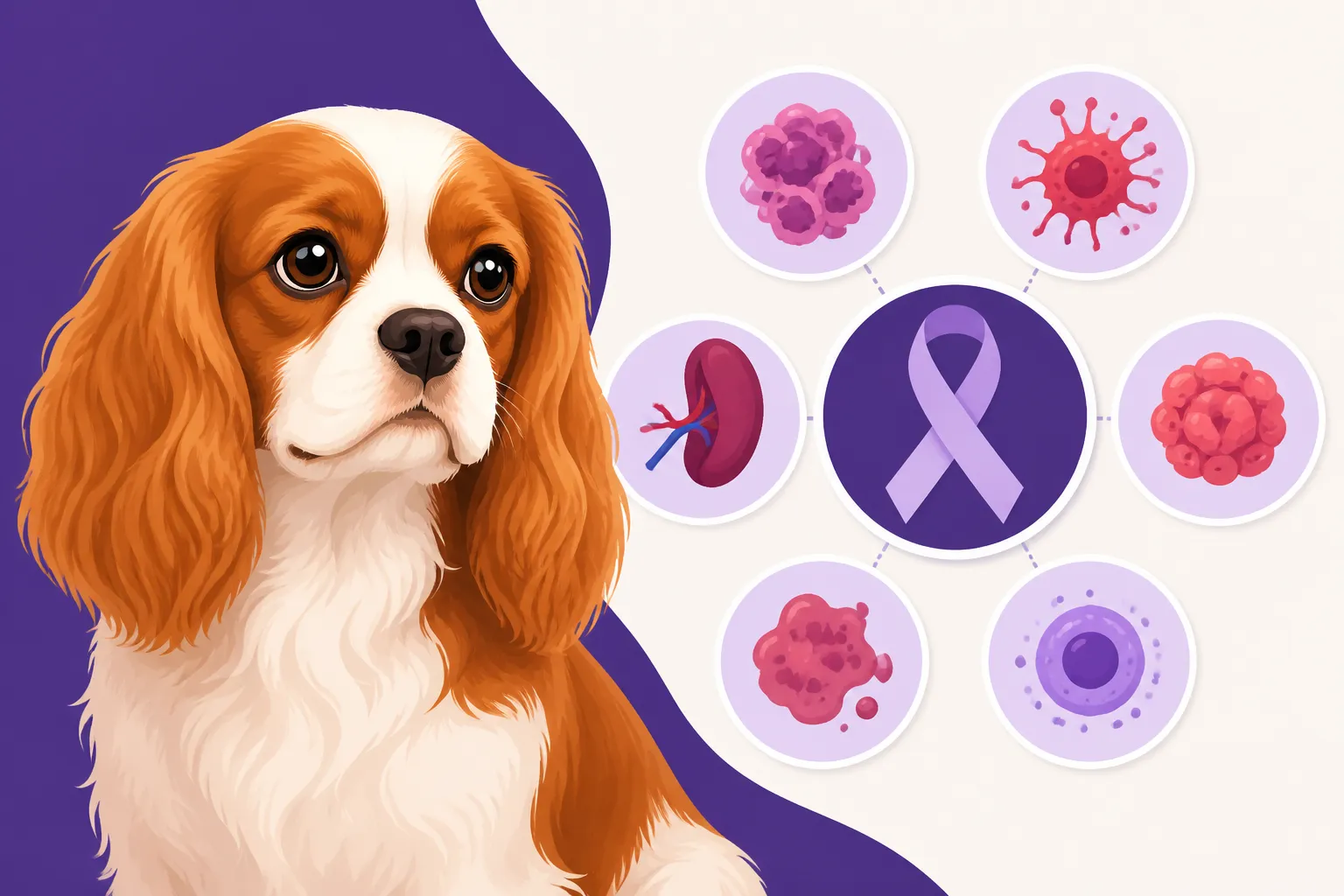
Cancer Types Seen in Cavaliers
It’s a heartbreaking reality that as our beloved Cavalier King Charles Spaniels age, just like us, they become more susceptible to serious health challenges. Among these, the word "cancer" strikes fear into the hearts of many pet parents. While no one wants to think about their sweet, loving companion facing such a diagnosis, understanding the types of cancer most commonly seen in Cavaliers can empower you to recognize early signs and make informed decisions, giving your furry family member the best possible chance.
Understanding Cancer in Cavaliers: Why It's a Concern
Bringing a Cavalier into your home means preparing for a lifetime of joy, cuddles, and sometimes, tough health journeys. Cavaliers are, unfortunately, predisposed to several significant health issues, and cancer is definitely one that weighs heavily on owners' minds, especially as our dogs reach their golden years. It's a cruel twist of fate that such a loving breed can be so fragile in terms of health.
The Reality of Cavalier Health Challenges
For years, we've focused on the well-known heart issues, like mitral valve disease, and neurological conditions such as syringomyelia, which are undeniably prevalent in our Cavaliers. However, cancer is another critical area that every Cavalier owner needs to be aware of. It's not a rare occurrence; rather, it’s a significant cause of illness and mortality in the breed. This isn't to scare you, but to equip you with knowledge. While we celebrate every year our Cavaliers are with us, we also need to be vigilant for changes that might signal something more serious. Just as we monitor for signs of heart trouble, like coughing at night in a Cavalier, we must also pay close attention to any unusual lumps or shifts in behavior. The proactive approach can make all the difference.
Cavaliers, despite their generally robust and cheerful demeanor, carry genetic predispositions that can make them more vulnerable to certain cancers compared to some other breeds. It’s important to acknowledge this reality without succumbing to despair. Instead, it motivates us to be even better advocates for their health. Knowing what to look for, and when to seek veterinary advice, transforms fear into preparedness. It means being attuned to their unique needs and understanding that their small bodies can hide big problems.
Factors Contributing to Cancer Risk
The exact reasons why certain breeds are more prone to specific cancers are complex, often involving a mix of genetics, environmental factors, and age. For Cavaliers, age is certainly a major factor. As a Cavalier enters its senior years, typically after the age of eight, the risk of various cancers increases significantly. You'll often find yourself having more detailed conversations about overall health during their Caring for a Cavalier Past Nine vet visits, discussing not just heart and joint health, but also screening for potential tumors.
Genetics play a huge role, though specific "cancer genes" in Cavaliers aren't as clearly defined as, say, the genes for Episodic Falling Syndrome in a Cavalier. However, the breed's general genetic makeup and the historical breeding practices contribute to a higher incidence of certain conditions. Environmental factors, though sometimes harder to pinpoint, can also contribute. Things like exposure to certain toxins, diet, or even prolonged inflammation can potentially increase risk. Of course, this isn't to say that if you feed your Cavalier a particular food, they will get cancer, but rather that a holistic approach to their well-being, including a balanced diet and minimizing exposure to harmful chemicals, is always a good idea. Understanding these potential contributing factors helps us manage what we can, even if we can't control everything.
Common Cancer Types Seen in Cavaliers
While any dog can develop various forms of cancer, there are specific types that appear with disheartening regularity in our Cavalier King Charles Spaniels. Knowing these can help you be more vigilant.
Lymphoma: A Frequent Foe
Lymphoma is one of the more common cancers diagnosed in Cavaliers, and it can be particularly aggressive. This cancer originates in the lymphocytes, a type of white blood cell, and can affect many different organs. Lymphoma often presents as swollen lymph nodes, which you might feel as firm, painless lumps under their jaw, in their armpits, or behind their knees. It's not just the external nodes, though; it can also affect internal organs like the spleen, liver, or gastrointestinal tract, making it harder to spot initially.
A Cavalier with lymphoma might show non-specific signs like lethargy, loss of appetite, weight loss, or an unexplained fever. These symptoms can be easily attributed to other conditions, which is why a thorough veterinary examination, including palpation of all lymph nodes, is crucial if you notice any changes. Diagnosis usually involves a fine needle aspirate (FNA) or biopsy of the affected lymph nodes or organs. While a lymphoma diagnosis is devastating, treatments like chemotherapy can often put the disease into remission and offer a good quality of life for a period. It's a challenging journey, but many Cavaliers respond well initially, giving you more precious time together.
Mast Cell Tumors: The Skin's Sneaky Threat
Mast cell tumors (MCTs) are another common malignancy in Cavaliers, and they can be quite tricky. These tumors originate from mast cells, which are part of the immune system and typically found in the skin. They can appear as lumps or bumps on or under the skin, but they can also develop internally in organs like the spleen, lymph nodes, or bone marrow. What makes them sneaky is their appearance: they can mimic anything from a harmless fatty lump (lipoma) to an insect bite. They can also change in size, sometimes appearing to shrink, which can give a false sense of security.
The behavior of MCTs varies wildly, from low-grade, relatively benign forms that are easily cured with surgery, to highly aggressive, rapidly spreading tumors. If you find any new lump or bump on your Cavalier, especially one that seems to grow or change, it absolutely warrants a vet visit. Your vet will likely perform an FNA to get a sample of cells for microscopic evaluation. Early and complete surgical removal is the cornerstone of treatment for many MCTs, sometimes followed by radiation therapy or chemotherapy, depending on the grade and location. Keeping an eye on any new skin growths is vital, as early detection significantly improves the prognosis for these unpredictable tumors.
Hemangiosarcoma: A Silent Danger
Hemangiosarcoma is a particularly aggressive and often silent killer, unfortunately seen in Cavaliers, though perhaps less frequently than in some larger breeds like Golden Retrievers. This cancer originates from the cells lining blood vessels and can occur anywhere in the body, but it's most commonly found in the spleen, heart, or liver. The insidious nature of hemangiosarcoma is that it can grow internally without many outward signs until it's quite advanced, often when the tumor ruptures and causes sudden internal bleeding.
Signs can be vague, such as lethargy, weakness, pale gums, a distended abdomen (due to internal bleeding), or collapse. These can come on very suddenly, turning a normal day into an emergency. Given the potential for rapid progression, if your Cavalier suddenly seems weak, unusually tired, or you notice any abdominal swelling, it's critical to seek emergency veterinary care immediately. Diagnosis often involves imaging like ultrasound or X-rays to locate the tumor, along with blood work. Treatment typically involves surgical removal if possible, followed by chemotherapy, but the prognosis is often guarded due to its aggressive nature and tendency to metastasize. This is one of those cancers where pet insurance, like a comprehensive policy from Healthy Paws, can be an absolute lifesaver, helping to cover the often exorbitant costs of emergency diagnosis and treatment.
Mammary Tumors and Reproductive Cancers
For unspayed female Cavaliers, mammary tumors are a significant concern. Just like in humans, these tumors develop in the mammary glands and can be benign or malignant. Approximately 50% of mammary tumors in dogs are malignant. The risk dramatically decreases if a female Cavalier is spayed before her first heat cycle. Even if spayed later, the risk is still reduced compared to an intact female.
These tumors typically appear as one or more lumps in the mammary chain, which extends from the chest to the groin. Regular palpation of your female Cavalier's belly and chest can help you find these early. If you detect any lumps, a vet visit is essential. Diagnosis involves physical examination, possibly X-rays to check for spread, and a biopsy after surgical removal. Treatment is usually surgical excision, which can be curative for benign tumors or early-stage malignant ones. For males, testicular cancer can occur in intact dogs, particularly those with undescended testicles (cryptorchidism), although this is less common than mammary tumors in females. This highlights the importance of timely spaying and neutering, not just for population control, but for preventing certain cancers.
Other Less Common Cancers
While lymphoma, mast cell tumors, and hemangiosarcoma are among the more prevalent, Cavaliers can, of course, develop other types of cancer too. Osteosarcoma, a bone cancer, is less common in smaller breeds but can still occur. Oral melanoma, a highly aggressive mouth cancer, can sometimes be seen. Transitional cell carcinoma (TCC), a bladder cancer, can present with signs similar to a urinary tract infection, such as straining to urinate or blood in the urine.
Each of these less common cancers has its own set of symptoms, diagnostic challenges, and treatment protocols. The overarching message, regardless of the specific type, is vigilance. Regular veterinary check-ups are paramount, and any persistent or unexplained change in your Cavalier's health or behavior warrants investigation. This proactive approach is key to detecting any of these conditions early, potentially improving outcomes.
| Cancer Type | Common Location(s) | Typical Symptoms | Prognosis (General) |
|---|---|---|---|
| Lymphoma | Lymph nodes (neck, armpits, groin), spleen, liver, GI | Swollen lymph nodes, lethargy, weight loss, decreased appetite, vomiting/diarrhea | Variable; often responsive to chemo, but recurrence common |
| Mast Cell Tumor | Skin, spleen, lymph nodes, bone marrow | Skin lumps (can be firm, soft, red, itchy, change size), vomiting, appetite loss | Highly variable (low-grade excellent, high-grade guarded) |
| Hemangiosarcoma | Spleen, heart, liver, skin | Weakness, lethargy, pale gums, abdominal distension, collapse (often sudden) | Guarded to poor due to aggression and metastasis |
| Mammary Tumors | Mammary glands (chest to groin) | Lumps in mammary tissue, discharge from nipples | Good if benign or early malignant; guarded if advanced |
| Osteosarcoma | Long bones (limbs) | Lameness, swelling, pain in affected limb | Poor due to aggression and metastasis |
Recognizing the Early Warning Signs of Cancer in Your Cavalier
One of the greatest challenges with cancer in dogs is that our sweet Cavaliers can be incredibly stoic. They might hide their pain or discomfort until a condition is quite advanced. This makes it even more important for us, as their caretakers, to be keenly observant of even subtle changes. Early detection truly saves lives and can significantly impact the effectiveness of treatment.
Subtle Changes in Behavior and Appetite
Your Cavalier knows you better than anyone, and you know them just as well. Pay attention to changes in their daily routine or personality. Has your usually exuberant Cavalier become more withdrawn or less enthusiastic about their favorite walk or playtime? Are they sleeping more than usual, even for a senior dog? A noticeable increase in lethargy, reluctance to play, or a general decrease in activity level can be a red flag. While these can be signs of other conditions, including heart disease as outlined in articles like How Cavalier Heart Disease Progresses Stage by Stage, they can also indicate underlying cancer.
Similarly, changes in appetite are critical to note. Is your Cavalier suddenly turning up their nose at their favorite kibble or treats? A persistent decrease in appetite, or a complete refusal to eat, should always prompt a vet visit. On the other hand, sometimes excessive thirst or changes in urination frequency can also be signs, particularly with certain types of internal tumors. Keep a small journal to track these changes – dates, times, and what you observed. This detailed information can be invaluable for your veterinarian.
Visible Lumps, Bumps, and Skin Anomalies
As mentioned with mast cell tumors, new lumps and bumps are perhaps the most recognizable signs of potential cancer. Cavaliers often have a good amount of feathering, which can sometimes hide these growths. Make it a habit to regularly run your hands over your Cavalier's entire body – head, neck, chest, abdomen, legs, and even their paw pads. Feel for anything new: any firm or soft masses, swellings, or areas of thickened skin. Don't forget to check their mouth, gums, and ears too.
Even if a lump seems small and innocuous, don't dismiss it. Many benign lumps exist, but you can't tell just by looking or feeling. Any new lump, especially one that grows, changes shape, or feels painful to your dog, needs to be evaluated by a vet. This is often the first step in diagnosing skin-related cancers or even lymphomas if they are affecting superficial lymph nodes. Early detection here, through simple touch, can be the difference between a simple removal and a more complex, challenging treatment. If you’re ever unsure, it’s always better to get it checked out than to wait and worry.
Unexplained Weight Loss and Lethargy
One of the most concerning, yet often subtle, signs of cancer is unexplained weight loss. If your Cavalier is losing weight without any changes in their diet or exercise routine, it's a significant warning. Cancer cells can consume a lot of energy, leading to a loss of muscle mass and overall body condition, even if your dog seems to be eating normally. Coupled with lethargy – a general tiredness and lack of energy – these two symptoms are often indicative of a serious underlying health issue.
Beyond weight loss, keep an eye out for changes in bodily functions. Persistent vomiting or diarrhea, difficulty breathing, changes in their gait or lameness that doesn't resolve, or any new onset of seizures can all be symptoms of various cancers depending on their location. For instance, if your Cavalier is suddenly tiring on short walks, it could be a sign of heart disease, or it could be a systemic illness like cancer. The key is that these are changes from your dog's normal. If something just feels "off," trust your gut and consult your vet. They can perform routine checks, including bloodwork and imaging, to investigate these non-specific signs further. Remember, vigilance is your Cavalier’s best defense.
Navigating Diagnosis and Treatment Options
Receiving a potential cancer diagnosis for your Cavalier is terrifying. It's a moment when your heart drops, and your mind races with questions about what comes next. But remember, a diagnosis is not an immediate death sentence. Advances in veterinary oncology mean there are often multiple pathways for treatment, focusing on extending life and maintaining quality.
The Diagnostic Journey
Once your vet suspects cancer based on the signs you've observed, the next step is a series of diagnostic tests to confirm the diagnosis, identify the type of cancer, and determine its stage (how far it has spread). This journey can feel overwhelming and can involve several steps:
- Physical Examination and Bloodwork: A thorough physical exam will often be the first step, looking for masses, enlarged lymph nodes, or other anomalies. Blood tests (like a complete blood count and chemistry panel) can reveal changes that suggest cancer, such as anemia, elevated white blood cell counts, or organ dysfunction. While not definitive for cancer, they can point to systemic issues.
- Imaging: X-rays might be taken to check for lung metastases or bone lesions. Ultrasound is invaluable for examining internal organs like the spleen, liver, and lymph nodes, helping to locate tumors or assess their size. If neurological signs are present, an MRI scan might be recommended, similar to what's used when diagnosing Syringomyelia and Chiari Malformation in Cavaliers.
- Biopsy and Histopathology: This is often the definitive step. A fine needle aspirate (FNA) collects cells from a lump for microscopic review (cytology). If more tissue is needed, a biopsy (surgical removal of a small tissue sample) is performed, and the tissue is sent for histopathology – a detailed examination by a veterinary pathologist. This provides the exact cancer type and grade, crucial for treatment planning.
- Staging: Once the cancer type is known, further tests (like additional imaging, bone marrow biopsy, or sentinel lymph node mapping) may be performed to determine if the cancer has spread. This "staging" process dictates the most appropriate treatment strategy.
The diagnostic process can be costly, and this is where having pet insurance can truly provide peace of mind. Policies from companies like Healthy Paws can significantly alleviate the financial burden of these essential tests, allowing you to focus on your Cavalier's care rather than the growing vet bill. Having an The Emergency Fund a Cavalier Owner Needs is also incredibly beneficial in these situations.
Treatment Approaches
Veterinary cancer treatment has made incredible strides. The goal is always to provide the best possible outcome while maintaining a good quality of life for your Cavalier. Treatment options vary greatly depending on the type of cancer, its stage, location, and your Cavalier's overall health and age.
- Surgery: For many solid tumors, surgical removal is the primary treatment. This can be curative for localized tumors (like low-grade mast cell tumors or benign mammary tumors) if the entire mass can be removed with sufficient margins. Even for more aggressive cancers, surgery can debulk the tumor, making other treatments more effective.
- Chemotherapy: Often used in conjunction with surgery or as a standalone treatment for systemic cancers like lymphoma, chemotherapy involves drugs designed to kill cancer cells. Unlike human chemotherapy, veterinary chemotherapy is typically given at lower doses to minimize side effects, prioritizing quality of life. Many dogs tolerate chemotherapy very well, with minimal hair loss (though Cavaliers can lose some feathering) and manageable gastrointestinal upset.
- Radiation Therapy: This uses high-energy radiation to target and destroy cancer cells. It's often used for localized tumors that cannot be fully removed surgically, or to reduce pain in cases of bone cancer. Radiation usually requires multiple short anesthetic procedures.
- Targeted Therapies and Immunotherapy: These are newer, cutting-edge treatments that specifically target aspects of cancer cells or boost the dog's immune system to fight the cancer. They are growing in availability and can offer promising options for certain cancers.
- Palliative Care: When a cure isn't possible, or if aggressive treatments aren't suitable, palliative care focuses on managing pain and symptoms to ensure the Cavalier remains comfortable and has a good quality of life for as long as possible. This can include pain medication, anti-inflammatory drugs, and supportive care. Topics like Pain Management for a Senior Cavalier become incredibly important here.
Your veterinary oncologist will work with you to develop a personalized treatment plan, weighing the pros and cons of each option for your unique Cavalier.
Managing Quality of Life
Beyond the specific treatments, managing your Cavalier's quality of life throughout their cancer journey is paramount. This means closely monitoring for side effects from treatments, adjusting medications as needed, and providing a supportive, loving environment. Maintaining a good appetite is crucial, so working with your vet on special diets or appetite stimulants might be necessary. Keeping them comfortable, loved, and engaged in activities they still enjoy (within their limits) is key.
This can be an emotionally taxing time, and it's important to remember you're not alone. Many owners find solace in support groups or online communities. Making difficult decisions about their care, and eventually, their end-of-life, is perhaps the hardest part of being a pet parent. Tools like a quality of life scale can help you objectively assess your Cavalier's well-being. Ultimately, the goal is to ensure that even through illness, your Cavalier experiences as much joy, comfort, and love as possible every single day. Articles like Knowing When a Cavalier's Heart Has Run Out can provide valuable perspective on navigating these deeply personal decisions, even if the primary illness is different.
Proactive Measures and Support
While we can't completely prevent cancer in our Cavaliers, there are definitely steps we can take to improve their overall health, potentially reduce risk, and certainly enhance our ability to detect issues early. Being prepared, both emotionally and financially, can make a world of difference.
Regular Veterinary Care and Screenings
This is truly the bedrock of proactive health management. Regular annual (and for seniors, semi-annual) vet check-ups are non-negotiable. These aren't just for vaccinations; they are critical opportunities for your veterinarian to perform a thorough physical examination, listen to their heart, palpate their abdomen, and check their lymph nodes. Remember, early detection is key, and a vet's trained hands can often find things you might miss. During these visits, discuss any changes you've noticed, even if they seem minor. Your vet might recommend Annual Cardiologist Exams for a Cavalier or other specialist visits based on findings.
For older Cavaliers, your vet might suggest routine bloodwork or urine tests as part of their senior wellness panel. These tests can sometimes flag subtle changes in organ function before outward symptoms appear. While there isn't a single "cancer screening" test for dogs like there is for humans (e.g., mammograms), these regular comprehensive check-ups are the next best thing. They allow your vet to build a baseline of your Cavalier's health, making it easier to spot deviations over time.
The Role of Diet, Exercise, and Weight Management
A healthy lifestyle plays a significant role in overall well-being and can certainly contribute to a robust immune system that might be better equipped to fight off illness. Providing a high-quality, balanced diet appropriate for your Cavalier's age and activity level is fundamental. While there's no magic "anti-cancer" food, a diet rich in antioxidants and appropriate nutrients supports their body's natural defenses. Avoid excessive treats and human foods that aren't good for them, especially those high in sodium, which can be particularly detrimental if your Cavalier also has heart issues.
Maintaining a healthy weight is also incredibly important. Why an Overweight Cavalier Fails Faster isn't just about heart disease; obesity contributes to inflammation throughout the body and can exacerbate many health problems, including increasing the risk for certain cancers. Regular, moderate exercise keeps their bodies strong and their minds stimulated. For Cavaliers, this doesn't mean marathon runs, but consistent daily walks and playtime. These efforts may not prevent every cancer, but they certainly give your Cavalier the best fighting chance against any health challenge that comes their way.
Financial Preparedness and Pet Insurance
Let's be realistic: cancer diagnosis and treatment can be incredibly expensive. From diagnostic imaging and biopsies to surgery, chemotherapy, and ongoing medications, the costs can quickly add up, often running into thousands or even tens of thousands of dollars. This financial strain is an added burden on an already emotionally difficult situation. This is why financial preparedness is so crucial for Cavalier owners.
Having pet insurance is one of the best ways to mitigate these costs. If you get a policy when your Cavalier is young and healthy, before any symptoms appear, you're much more likely to have comprehensive coverage for unexpected illnesses like cancer. Companies like Healthy Paws are well-known, but there are many options. Researching Whether Pet Insurance Is Worth It for a Cavalier and enrolling early can be a literal lifesaver, allowing you to make treatment decisions based on what's best for your dog, not just what you can afford out-of-pocket. Without insurance, having a dedicated The Emergency Fund a Cavalier Owner Needs specifically for your pet's health can provide a critical buffer. Many owners regret not having insurance or an emergency fund when faced with a cancer diagnosis, so planning ahead is paramount. It’s part of the comprehensive Budgeting a Cavalier From Puppy to Senior plan that every responsible owner should consider.
Support Systems for Pet Owners
Caring for a Cavalier with cancer is an immense emotional burden. It's okay to feel overwhelmed, sad, angry, or scared. You don't have to go through it alone. Seek out support from friends, family, or online communities specifically for pet parents dealing with cancer. Organizations like the Animal Cancer Foundation also offer resources and emotional support. Your veterinary team, including oncologists and technicians, can also be a great source of information and comfort.
Remember to take care of yourself too. The stress of caring for an ill pet can take a toll on your own health. Lean on your support system, allow yourself to grieve, and give yourself permission to do what's best for both you and your beloved Cavalier. Their comfort and well-being are always the priority, and being a strong, resilient advocate for them means also being kind to yourself.
Disclaimer
The information provided in this article is for general informational purposes only and is not a substitute for professional veterinary advice. Always consult with a qualified veterinarian for any health concerns or before making any decisions related to your pet's care.