What a Ruby Cavalier Puppy Costs
It's completely natural to be drawn to the stunning, rich coat of a Ruby Cavalier King Charles Spaniel puppy, and then find yourself wondering, "Does this specific color come with a different price tag?" Many prospective owners face confusion when they see variations in prices and can't quite pinpoint why, especially when a particular color like ruby seems to command attention. This guide aims to clear up those uncertainties, giving you a realistic understanding of what influences the cost of a Ruby Cavalier puppy and what other financial commitments lie ahead.
The Allure and Reality of a Ruby Cavalier
The Ruby Cavalier, with its solid, vibrant chestnut red coat, is truly a sight to behold. There's something undeniably captivating about their rich, uniform color that makes them stand out. When you're searching for your new family member, it's easy to fall in love with a particular look, and sometimes that love leads to a perception that a specific color, like ruby, might be rarer or more "special," thus justifying a different price. However, the truth about puppy pricing is often more nuanced than just coat color.
Why Ruby Cavaliers Can Seem to Have a Different Price Tag
You might notice that certain colors, including ruby, sometimes appear to be priced differently by various breeders. This isn't usually because the ruby coat itself is inherently more valuable or difficult to produce. Often, it comes down to supply and demand, the breeder's specific lines, and even regional preferences. If a breeder has a strong reputation for producing exceptional Ruby Cavaliers, or if that color happens to be particularly popular in a given area at a specific time, you might see a slight fluctuation. It's important to understand that in the grand scheme of responsible breeding, a healthy, well-tempered Cavalier from health-tested parents is the goal, regardless of coat color. The four recognized The Four Cavalier Colors and What They Are Called — Blenheim, Tricolor, Black and Tan, and Ruby — are all equally cherished.
Sometimes, breeders might also have slightly different costs associated with their breeding program that could indirectly affect puppy prices across the board, not just for one color. This could include things like the investment in champion bloodlines that might produce more rubies, or simply their general pricing structure. However, it's generally not a rule that a Ruby Cavalier will always cost more or less than a Blenheim, Tricolor, or Black and Tan from a reputable source. The most significant factors in pricing lie elsewhere.
Understanding the Factors That Influence Any Cavalier Puppy's Price
When you're looking at The Price Range Cavalier Breeders Actually Quote, you'll quickly realize that the actual color of the puppy is often secondary to more critical factors. The biggest determinants of a Cavalier puppy's price are primarily the breeder's reputation, their commitment to health testing, the puppy's lineage (whether it's from show lines or pet lines), and even the geographical location of the breeder. A responsible breeder invests significantly in their breeding stock, including extensive health screenings for conditions common to the breed like heart disease and syringomyelia, which isn't cheap. This upfront investment is reflected in the puppy's price, ensuring you get the healthiest start possible.
For instance, a breeder who rigorously follows the MVD breeding protocol, ensuring their breeding dogs are cleared by a board-certified veterinary cardiologist, will naturally have higher overheads. These aren't hidden costs; they are investments in the health and future of their puppies. Conversely, a lower-priced puppy often comes from a breeder who has skipped these crucial health checks, leaving you, the new owner, to potentially shoulder enormous veterinary bills down the line. It's a stark reminder that Whether a Cheap Cavalier Saves You Money is almost always a resounding "no." Don't be swayed by a bargain price; it's often a red flag.
Unpacking the "Cost" Beyond the Purchase Price
The initial purchase price of your Ruby Cavalier puppy, while significant, is truly just the tip of the iceberg. Many new owners, eager to bring home their adorable companion, sometimes overlook the substantial ongoing financial commitment that comes with responsible pet ownership. It's important to budget for all aspects of your Cavalier's life, from their first days at home to their senior years. This comprehensive view helps you prepare for a long and happy life together.
Initial Setup Costs for Your New Ruby Cavalier
Bringing a new puppy home, especially a delicate Cavalier, involves a number of essential purchases right from the start. You'll need a safe and comfortable crate or a puppy pen, like those you might find on Chewy, where your little one can feel secure. Then there are basics like food and water bowls (consider elevated bowls to keep those beautiful long ears out of their meals!), a cozy bed or two, a collar and leash (a harness is often better for a Cavalier's neck), and a variety of appropriate toys. Don't forget grooming essentials like a soft brush, comb, and puppy-friendly shampoo. Training pads are also a must for Toilet Training a Cavalier in an Apartment or simply during the initial house-training phase.
Beyond these tangible items, there are also initial veterinary costs. Your Ruby Cavalier puppy will need a comprehensive vet check-up shortly after coming home, often followed by a series of vaccinations if they haven't completed them already. They'll also require deworming and flea/tick prevention. These initial medical expenses can add up quickly, sometimes totaling hundreds of dollars in the first few months alone. It's a crucial part of ensuring your puppy's healthy start, and a responsible breeder will provide records of any initial vet care the puppy has already received. You can get a good idea of what to expect by reading What to Buy Before a Cavalier Puppy Arrives.
Ongoing Expenses: Food, Grooming, and Vet Care
Once your Ruby Cavalier is settled, the ongoing costs become a regular part of your household budget. Food is, of course, a primary expense. Cavaliers are small dogs, but they need high-quality nutrition to thrive. You might opt for premium kibble, fresh-delivered meals like those offered by Ollie, or even a home-cooked diet formulated by a vet. The cost will vary depending on your choice, but remember, good food contributes directly to good health. Treats, especially low-calorie ones, will also be a staple for training and rewards.
Grooming is another significant factor for Cavaliers. Their beautiful, silky coats require regular attention to prevent matting, especially on their feathering. While you can do daily brushing at home (and you absolutely should!), professional grooming every six to eight weeks is often necessary for trims, baths, and nail care. Cavalier Grooming Costs Every Six to Eight Weeks can vary, but it's a recurring expense that's essential for their comfort and hygiene. Then there are the routine veterinary visits – annual check-ups, booster shots, and ongoing parasite prevention. These Routine Vet Bills for a Cavalier are preventative measures that help catch potential issues early.
Navigating the World of Responsible Breeding vs. Lower-Priced Options
When the time comes to choose your Ruby Cavalier puppy, the choice of breeder is paramount. It’s a decision that will impact not only the initial cost but also the long-term health and happiness of your dog, and consequently, your wallet. The desire to save money is understandable, but with a breed like the Cavalier, cutting corners on the breeder selection process can lead to heartbreaking and expensive consequences.
The True Value of Health Testing in a Ruby Cavalier
A truly reputable breeder of Ruby Cavaliers (or any color, for that matter) will be transparent about the health testing of their breeding stock. This isn't just a suggestion; it's a critical investment in the breed's future and your puppy's well-being. They will screen for inherited conditions such as Mitral Valve Disease (MVD), Syringomyelia (SM), eye conditions, and luxating patellas. For MVD, this means regular cardiac evaluations by a board-certified veterinary cardiologist, often annually, to ensure breeding dogs are clear of murmurs for a specific age before breeding. For SM, it often involves MRI scans of the brain and spine. These tests are expensive and time-consuming.
You'll often hear about the importance of asking for The Cavalier Heart and MRI Papers to Ask For. A breeder who proudly provides these certifications, often from organizations like OFA or CERF, is demonstrating their commitment. This diligence helps to reduce the likelihood of your Ruby Cavalier developing these devastating conditions, which, while not entirely eliminated, can be significantly mitigated through careful breeding. Paying a higher initial price for a puppy from such a breeder is an investment in preventative care, potentially saving you thousands in specialized veterinary care later on. It truly makes a difference in your Cavalier’s Cavalier Lifespan and What Cuts It Short.
Why a "Bargain" Ruby Cavalier Can Cost You More in the Long Run
It's a common and devastating scenario: someone falls in love with the idea of a Ruby Cavalier, finds a puppy advertised at a surprisingly low price, and brings it home, only to discover a multitude of health problems soon after. These "bargain" puppies often come from puppy mills or backyard breeders who prioritize profit over health and welfare. They skip crucial health testing, house their dogs in poor conditions, and provide little to no socialization. While the initial cash outlay might be less, the long-term financial and emotional costs are almost always exorbitant. This is why it's vital to avoid What a Puppy Mill Cavalier Really Costs You.
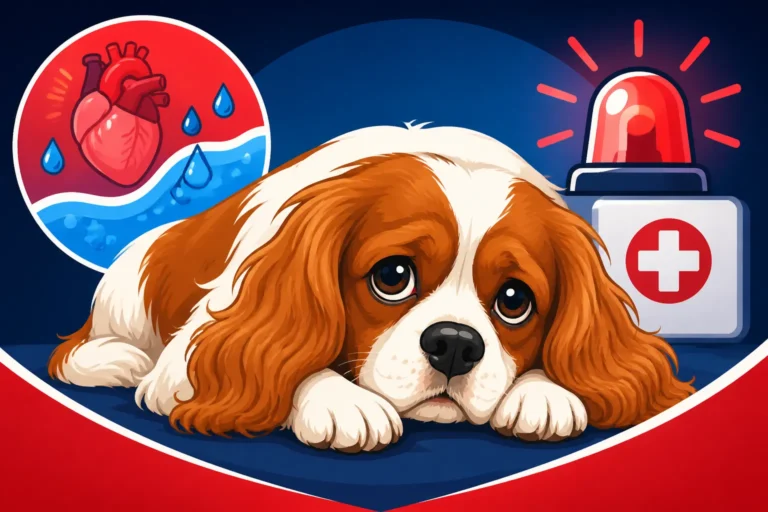
Imagine a scenario where your adorable Ruby Cavalier, purchased cheaply, develops severe heart disease or syringomyelia at a young age because its parents were never screened. The costs for managing What Cavalier Heart Disease Costs to Treat can involve ongoing medications like Pimobendan and diuretics, frequent cardiologist visits, echocardiograms, and potentially emergency care. Similarly, a diagnosis of syringomyelia could lead to expensive MRI scans (What an MRI Costs to Rule Out Cavalier Syringomyelia) and a lifetime of pain management medication. These expenses far outweigh any initial savings on the puppy price, not to mention the emotional toll of watching your beloved pet suffer.
Planning for the Unexpected: Insurance and Emergency Funds
Even with the most reputable breeder and the healthiest start, owning a Cavalier King Charles Spaniel means accepting that unexpected health issues can arise. These little dogs, for all their charm, are prone to certain breed-specific conditions. Being prepared financially for the unforeseen is a critical part of responsible ownership, preventing financial strain during emotionally difficult times.
When to Insure Your Ruby Cavalier Puppy
One of the smartest financial decisions you can make as a Cavalier owner is to get pet insurance as early as possible. Seriously, as soon as you bring your Ruby Cavalier puppy home, enroll them. This is because pet insurance works by not covering pre-existing conditions. Given that Cavaliers are highly predisposed to conditions like MVD and SM, if your puppy develops a heart murmur even at a young age, or shows signs of neurological issues before you have insurance, these conditions will likely be excluded from coverage for life. This is Why an Eight-Month-Old Cavalier Is Already Late for insurance enrollment.
Companies like Healthy Paws offer policies that can help significantly offset the costs of unexpected illnesses or accidents. Imagine your Ruby Cavalier suddenly needs emergency surgery or develops a chronic condition requiring lifelong medication. Without insurance, these bills could easily reach thousands of dollars, putting immense pressure on your finances. By enrolling early, ideally before any symptoms appear, you ensure that future breed-specific issues are covered, providing peace of mind and allowing you to focus on your Cavalier's well-being without financial stress.
Budgeting for the Unique Health Challenges of the Breed
Beyond pet insurance, which is a fantastic safety net, it's also wise to maintain an emergency fund specifically for your Cavalier's health needs. Sometimes, even with insurance, there are deductibles, co-pays, or conditions that might not be fully covered. Cavaliers are unfortunately susceptible to several serious health conditions, and being prepared means having resources for things like specialist referrals, advanced diagnostics, or even alternative therapies not always covered by standard policies.
Consider the potential for neurological issues. If your Ruby Cavalier begins phantom scratching or yelping when picked up, it could be a sign of syringomyelia. The diagnostic MRI alone is a significant expense. Similarly, many Cavaliers will eventually develop heart disease. While responsible breeding aims to delay the onset, it's a common part of their lifespan. Learning about How Cavalier Heart Disease Progresses Stage by Stage and the associated costs helps you mentally and financially prepare. Having an emergency fund, even if it's just a few thousand dollars, can be the difference between making a difficult medical decision based on need versus making it based on financial constraints.
| Expense Category | Initial Puppy Cost (Examples) | Ongoing Monthly/Annual Costs (Examples) | Unexpected/Emergency Costs (Examples) |
|---|---|---|---|
| Purchase Price | Varies widely by breeder & region | N/A | N/A |
| Initial Setup | Crate, bowls, bed, toys, leash, collar, grooming tools | N/A | N/A |
| Vet Care (Routine) | Puppy shots, deworming, initial health check | Annual exams, vaccinations, flea/tick/heartworm prevention | N/A |
| Food & Treats | First bag of puppy food | Monthly food, specialized diets, treats | N/A |
| Grooming | Puppy bath, first trim | Professional grooms, shampoos, brushes | Treatment for severe matting |
| Pet Insurance | First month's premium | Monthly premiums | Deductibles, co-pays |
| Specialist Care | N/A | N/A | Cardiologist, neurologist, MRI, surgery, long-term medication |
| Training/Daycare | Puppy classes | Ongoing training, daycare, pet sitting | N/A |
Remember, bringing a Ruby Cavalier into your life is a joy, but it's also a significant commitment. Understanding the full financial picture upfront ensures you can provide the best possible care for your cherished companion for many years to come.
Disclaimer
This article is for general informational purposes only and does not constitute professional advice. Laws, prices and regulations vary by location and change over time. Consult a qualified professional for guidance on your specific situation.