Cavaliers Sold Without Heart Clearances
It's an agonizing reality for many hopeful Cavalier King Charles Spaniel owners: you bring home that adorable, fluffy puppy, full of dreams of years of companionship, only to later discover that the breeder skimped on essential health testing. This oversight, particularly concerning heart clearances, can cast a long, dark shadow over your Cavalier's future, often leading to heart-wrenching diagnoses and unexpected, substantial veterinary bills. This guide will walk you through the serious implications of buying a Cavalier puppy from a breeder who has neglected proper heart health clearances and offer critical advice on what steps to take if you find yourself in this incredibly difficult situation.
The Hidden Risks of Buying a Cavalier Without Heart Clearances
When you're swept up in the joy of bringing home a Cavalier puppy, it's easy to overlook crucial details, especially if you're new to the breed. But a responsible breeder understands the inherent health challenges faced by Cavaliers and takes proactive steps to mitigate them. Skipping heart clearances is not just an oversight; it's a gamble with your puppy's future and your peace of mind.
The Silent Threat of Mitral Valve Disease (MVD)
Mitral Valve Disease (MVD) is, sadly, almost synonymous with the Cavalier King Charles Spaniel. It's a progressive heart condition that, for Cavaliers, is often hereditary, meaning it's passed down from parent to puppy. When a breeder hasn't performed proper heart clearances on their breeding dogs, they are, quite simply, breeding blind. They have no idea if the parents carry genes that predispose their offspring to early-onset MVD, which can manifest as a heart murmur in a puppy or young adult, a far cry from the expected lifespan of the breed.
Imagine bringing home your sweet Cavalier, perhaps a year or two old, and during a routine vet check, you hear those dreaded words: "Your dog has a heart murmur." This is often the first sign of MVD, and without parent clearances, you're left wondering if this could have been avoided. Reputable breeders follow strict protocols, often delaying breeding their Cavaliers until they are at least five years old and have received annual clearances from a board-certified veterinary cardiologist. This is to ensure their breeding dogs are statistically less likely to pass on early-onset MVD. Understanding Mitral Valve Disease in the Cavalier King Charles Spaniel is paramount for any owner, as is knowing The Heart Testing a Cavalier Breeder Must Do to ensure you're getting a healthy puppy.
Why a Stethoscope Check Isn't Enough
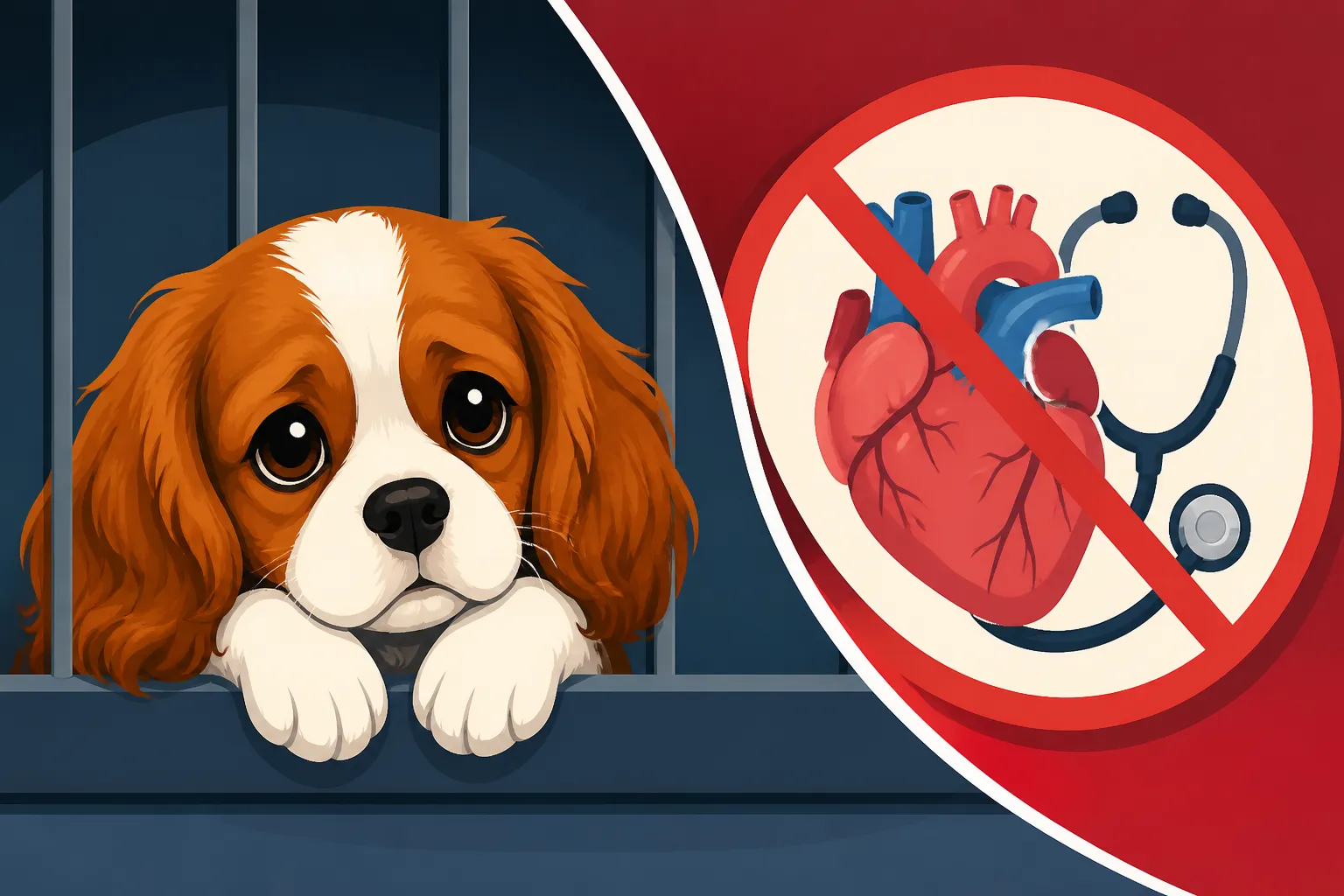
Many puppy buyers are reassured by a breeder's claim that their vet "checked the puppy's heart" and "everything sounded fine." While a general veterinarian's stethoscope examination is a valuable part of a routine check-up, it is absolutely not a substitute for a full heart clearance by a board-certified veterinary cardiologist. A general vet can detect a prominent heart murmur, but they typically lack the specialized training and equipment to accurately assess the subtle early signs of MVD or other cardiac abnormalities in a young Cavalier.
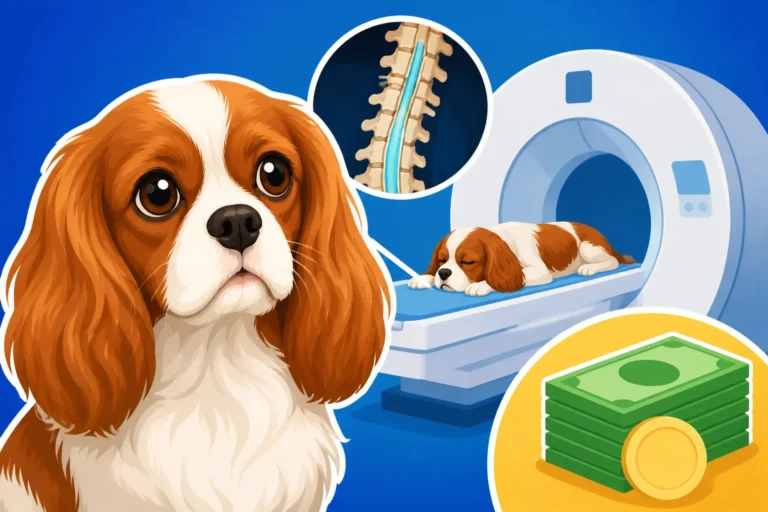
A true heart clearance involves an echocardiogram (an ultrasound of the heart) performed by a cardiologist. This sophisticated imaging allows the specialist to visualize the heart's structure, measure its chambers, assess valve function, and detect any early changes that a stethoscope alone simply cannot pick up. Relying on a general vet's stethoscope check is like relying on a general practitioner to diagnose a complex neurological condition without referring you to a neurologist and an MRI. It simply doesn't give you the full picture. It's vital to understand the difference between Stethoscope Screening Against a Cavalier Heart Scan when evaluating a puppy's health claims.
Financial Fallout and Emotional Toll
The financial implications of a Cavalier diagnosed with MVD are substantial and often ongoing for the rest of their life. From regular cardiologist visits and repeat echocardiograms to daily medications that can cost a pretty penny, the bills accumulate rapidly. If your Cavalier develops heart failure, emergency vet visits, oxygen therapy, and more intensive medication regimens become part of your new normal. This financial burden is usually entirely unexpected for those who purchased a puppy without proper clearances, thinking they were saving money upfront.
Beyond the monetary cost, there's the profound emotional toll. Watching your beloved companion struggle with coughing, shortness of breath, or fatigue due to a failing heart is heartbreaking. The guilt that can come with realizing preventative steps weren't taken by the breeder, and the stress of managing a chronic illness, can be immense. It fundamentally changes the experience of Cavalier ownership from joyous companionship to constant vigilance and worry. It's a sobering thought to consider What Cavalier Heart Disease Costs to Treat over your dog's lifetime.
Why Some Breeders Skip Vital Health Testing
It's natural to wonder why any breeder would knowingly cut corners on something as critical as heart health for a breed so prone to MVD. Unfortunately, the reasons are varied, ranging from simple economics to a lack of genuine understanding or even outright disregard for breed health.
Cost-Cutting Measures and Ignorance
Proper, comprehensive health testing for Cavalier breeding dogs is not cheap. It involves annual visits to a board-certified veterinary cardiologist, which includes specialized examinations and echocardiograms. These specialist appointments can run into hundreds of dollars per dog, per year. For a breeder with multiple breeding animals, these costs add up quickly. Some breeders, especially those operating on tighter margins or prioritizing volume over quality, simply see this as an unnecessary expense that cuts into their profits.
Beyond the direct cost, there's the time commitment. Traveling to specialists, waiting for appointments, and meticulously documenting results requires dedication. For some, the effort seems too great. Others may simply be ignorant, genuinely not understanding the gravity of MVD in Cavaliers or believing that if a dog "looks healthy," it must be fine. They might not be aware of the breed's specific genetic predispositions or the importance of early detection and preventative breeding strategies. This can unfortunately contribute to a lower The Price Range Cavalier Breeders Actually Quote compared to those who invest heavily in health.
The Allure of a "Bargain" Puppy
The demand for Cavalier King Charles Spaniel puppies is consistently high, and unfortunately, this creates a market for "bargain" puppies. When prospective buyers see a Cavalier puppy advertised for significantly less than the going rate from reputable, health-testing breeders, it's incredibly tempting. Many don't realize that this lower upfront cost almost always comes with hidden future expenses, particularly in the realm of health. A puppy priced below a certain threshold, sometimes referred to as A Cavalier Priced Below a Thousand Dollars, often signals that corners have been cut in vital areas like health testing or proper care.
The promise of saving a few hundred or even a thousand dollars initially can seem like a smart financial move, especially for first-time dog owners. However, that "saving" is quickly dwarfed by the cost of managing chronic health issues like MVD, which can easily run into thousands, or even tens of thousands, of dollars over a dog's lifetime. It's a classic case of paying less now only to pay much, much more later, and it raises the question of Whether a Cheap Cavalier Saves You Money in the long run. The emotional cost, as discussed, is immeasurable.
Lack of Regulation and Buyer Education
The unfortunate truth is that dog breeding is largely unregulated in many areas, particularly for small-scale operations or those selling directly to the public without a formal kennel license. This lack of oversight means there are few legal requirements for breeders to perform specific health tests or provide comprehensive health guarantees. Without a robust regulatory framework, it falls largely on the buyer to be informed and discerning.
Many first-time puppy buyers simply don't know what questions to ask. They might be unaware of MVD, syringomyelia, or other breed-specific issues that are prevalent in Cavaliers. They might not know to ask for proof of parent health clearances from a board-certified cardiologist, or what those clearances should look like. A breeder might hand over generic vet records for the puppy but no detailed health certifications for the parents, leaving the buyer none the wiser. Understanding Reading a Cavalier Puppy's Health Certificates correctly is crucial, but many buyers aren't equipped with this knowledge. This gap in buyer education is often exploited by unscrupulous or uninformed breeders, perpetuating the cycle of unhealthy breeding practices.
What to Do if Your Cavalier Has No Heart Clearances (or a Murmur Appears Early)
Discovering your beloved Cavalier was purchased without proper heart clearances, or worse, receiving an early MVD diagnosis, can be devastating. However, it's not a lost cause. There are concrete steps you can take to manage their health proactively and ensure they receive the best possible care.
Immediate Veterinary Consultation
If you suspect your Cavalier's breeder didn't provide adequate heart clearances, or if your vet has detected a new heart murmur, your absolute first step is to schedule a consultation with a board-certified veterinary cardiologist. Do not delay. While your general veterinarian is an invaluable partner in your dog's overall health, a specialist has the expertise and equipment to accurately diagnose and stage heart disease. They can differentiate between an innocent murmur (rare in Cavaliers, but possible) and one indicative of MVD, and determine how far the disease has progressed.
Early diagnosis is key to effective management. A cardiologist can establish a baseline for your Cavalier's heart health, recommend appropriate monitoring schedules, and advise on any preventative measures or early interventions. These Annual Cardiologist Exams for a Cavalier become a cornerstone of their care, providing peace of mind and the best chance at slowing disease progression.
Understanding the Diagnostic Process
When you visit the cardiologist, they will conduct a thorough examination and likely recommend several diagnostic tests to get a complete picture of your Cavalier's heart health.
- Echocardiogram: This is the gold standard for diagnosing MVD. It's a non-invasive ultrasound of the heart that allows the cardiologist to see the heart's chambers, valves, and blood flow in real-time. They can measure chamber size, assess valve leakage, and identify any structural changes indicative of MVD. Understanding What a Cavalier Echocardiogram Shows can help you interpret the findings.
- Chest X-Rays: Often performed in conjunction with an echocardiogram, chest X-rays provide an image of the lungs and the overall size and shape of the heart within the chest cavity. This helps the cardiologist determine if the heart is enlarged or if there's any fluid accumulation in the lungs, a sign of congestive heart failure. You might be interested in learning more about Chest X-Rays in a Cavalier Heart Workup.
- Blood Tests (NT-proBNP): A blood test measuring NT-proBNP levels can indicate stress on the heart muscle. While not diagnostic on its own, it can be a useful tool for screening, assessing severity, and monitoring disease progression, especially in conjunction with other tests. It helps identify dogs that might be at higher risk or whose condition is worsening. Familiarize yourself with A Cavalier Heart Blood Test Called NT-proBNP for more insight.
Management and Proactive Care
Once a diagnosis is made, the cardiologist will work with you to develop a management plan. This often involves a multi-faceted approach focusing on lifestyle adjustments and, if necessary, medication.
- Dietary Adjustments: Your cardiologist might recommend a diet tailored to support heart health, often lower in sodium to help manage fluid retention. Brands like Ollie offer personalized meal plans that can be customized to specific health needs, including cardiac support, which can be incredibly helpful for managing conditions like MVD. While Whether Diet Slows a Cavalier's Heart Disease is a complex topic, proper nutrition is undeniably supportive.
- Exercise Management: While exercise is generally good, the type and intensity may need to be adjusted for a Cavalier with heart disease. Your cardiologist will advise on safe activity levels to avoid putting undue stress on their heart.
- Medication: Depending on the stage of MVD, your Cavalier may need daily medication to manage symptoms, reduce fluid build-up, or slow the progression of the disease. These medications can significantly improve their quality of life and longevity. You can learn more about Medication for a Cavalier With Heart Disease. For easy access to these crucial prescriptions, services like Chewy offer convenient online ordering and home delivery, often at competitive prices.
- Regular Monitoring: Following your cardiologist's recommended schedule for follow-up appointments and repeat tests is vital. This allows them to monitor your Cavalier's response to treatment and adjust medications as needed.
- Pet Insurance: This is absolutely critical, especially if you adopted a Cavalier without prior health history or received an early diagnosis. While existing conditions are typically excluded, getting pet insurance like Healthy Paws as early as possible can help cover future, unrelated health issues and potentially new conditions that arise if the murmur wasn't yet officially diagnosed. It provides a financial safety net for unexpected vet bills.
Living with a Cavalier with MVD requires dedication, but with proactive care, a strong partnership with your veterinary team, and careful management, you can still provide your beloved companion with a full, comfortable, and happy life.
| Feature | Reputable Breeder (with Clearances) | Breeder (without Clearances) |
|---|---|---|
| Parent Health Tests | Annual cardiologist exams, echocardiograms (MVD Protocol compliant) | Basic vet check (stethoscope only, if at all), no specialist reports |
| MVD Risk for Puppy | Significantly reduced risk of early-onset MVD | High, unknown risk; "breeding blind" |
| Documentation | Copies of parent health certificates from board-certified specialists | Often none, or only generic puppy vet check notes |
| Puppy Price | Generally higher, reflecting investment in health testing and care | Often lower, but with significant potential for future vet costs |
| Peace of Mind | High; confidence in genetic health efforts | Low; constant worry about inherited conditions |
| Future Vet Bills | Likely standard, with genetic predispositions better understood | Potentially very high for MVD and other hidden conditions |
Disclaimer
This article is for general informational purposes only and does not constitute professional advice. Laws, prices and regulations vary by location and change over time. Consult a qualified professional for guidance on your specific situation.