Repeat Echo Scans for a Cavalier Each Year
It’s a heartbreaking reality for many Cavalier King Charles Spaniel owners: the knowledge that Mitral Valve Disease (MVD) is an almost inevitable part of their beloved companion's life journey. You want to do everything you can to stay ahead of this silent, progressive condition, but knowing exactly how to monitor it, and what all those vet visits entail, can feel overwhelming. This guide is here to walk you through the vital role of repeat echocardiogram (echo) scans in managing your Cavalier's heart health, helping you understand why they're so important and what to expect along the way.
Why Repeat Echo Scans Are Crucial for Your Cavalier's Heart
If you own a Cavalier King Charles Spaniel, you've likely heard about Mitral Valve Disease (MVD). It's incredibly prevalent in the breed, often appearing much earlier than in other dogs. Because MVD is a progressive disease, meaning it gets worse over time, regular monitoring isn't just a good idea – it's absolutely essential to your Cavalier's quality of life and longevity. You might be listening intently for a cough or a change in breathing, but by the time those visible symptoms appear, the disease has often advanced significantly. This is where repeat echocardiograms become your most powerful tool.
The Relentless March of Mitral Valve Disease
MVD starts innocently enough: a tiny bit of degeneration on the mitral valve, the gateway between the left atrium and left ventricle of the heart. Over time, this valve weakens and thickens, failing to close properly. Each time the heart beats, a small amount of blood leaks backward into the atrium, rather than being pumped forward efficiently. This "leak" is what creates the murmur your vet listens for with a stethoscope. What starts as a mild leak can become a significant torrent, causing the heart to work harder, enlarge, and eventually lead to congestive heart failure.
This progression isn't a straight line, and it varies greatly from dog to dog. Some Cavaliers live many years with a low-grade murmur and no significant impact on their health, while others can see rapid deterioration. The frustrating part is that you can't see this happening from the outside. Your Cavalier might still be playful, eating well, and showing no outward signs of struggle even as their heart subtly changes. That's why relying solely on physical symptoms is a risky game; we want to catch these changes long before they start impacting their daily joy. This insidious nature is why ongoing, detailed internal monitoring is non-negotiable for our Cavaliers. How Cavalier Heart Disease Progresses Stage by Stage delves deeper into the stages of this condition.
Catching Changes Before Symptoms Show
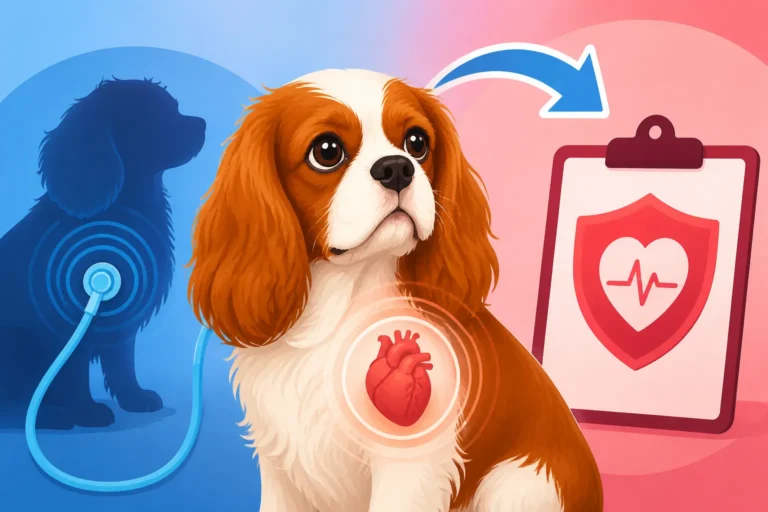
One of the most valuable aspects of repeat echo scans is their ability to detect anatomical and functional changes in the heart before your Cavalier starts showing clinical signs. Think of it like a weather forecast: you can see a storm brewing on the radar long before the rain starts falling. An echocardiogram provides real-time images of your dog's heart, allowing a veterinary cardiologist to measure the size of the heart chambers, assess the thickness and movement of the valve leaflets, and quantify the amount of blood leaking backward. They can see the subtle enlargement of the left atrium or ventricle, which are key indicators that the disease is progressing and starting to impact heart function.
By identifying these early changes, often before any coughing or exercise intolerance is noticeable, your cardiologist can recommend starting medication at the optimal time. Intervening at the right moment with medications like pimobendan has been scientifically shown to delay the onset of congestive heart failure and significantly extend a Cavalier's symptom-free life. Waiting until your dog is actively coughing or struggling to breathe means they've already entered a more advanced stage where their quality of life is already being impacted, and treatment might be more reactive than preventative. Early detection through regular scans gives your beloved Cavalier the best possible chance at a longer, happier life.
Establishing a Baseline for Comparison
The first echocardiogram your Cavalier receives isn't just a snapshot; it's the beginning of a crucial timeline. This initial scan establishes a "baseline" – a detailed record of their heart's size, shape, and function when they are relatively healthy, or at least before significant progression. Without this baseline, subsequent scans would be much harder to interpret. How do you know if the left atrium has enlarged if you don't know how big it was last year? How do you assess if the regurgitant jet (the blood leaking backward) has worsened without a previous measurement to compare it to?
Each subsequent annual or semi-annual echo scan then allows the cardiologist to compare current measurements and observations against all previous ones. This comparative data is incredibly powerful. It allows them to track the rate of disease progression, identify if there's been a sudden jump in heart enlargement, or confirm if the medications are effectively slowing down the changes. This consistent, detailed record helps build a comprehensive picture of your Cavalier's individual heart journey, enabling highly personalized and proactive management rather than guesswork. It's truly about understanding your dog's unique progression year after year, giving you peace of mind and your vet the best tools to help. Many breeders adhere to The Cavalier MVD Breeding Protocol which emphasizes regular cardiac screening to guide breeding decisions, providing puppies with a better start.
What to Expect During a Cavalier's Annual Echo Scan
The idea of your beloved Cavalier undergoing a specialized heart scan can sound daunting, but knowing what to expect can ease a lot of that worry. A veterinary cardiologist's office is typically set up to make these visits as stress-free as possible for both you and your dog. They understand the unique needs and sensitivities of a Cavalier, and the process is usually quite gentle. It’s an incredibly important part of monitoring Mitral Valve Disease in the Cavalier King Charles Spaniel.
The Cardiology Appointment Itself
When you arrive for your Cavalier's annual echo scan, it’s not just a quick procedure. It's a comprehensive cardiology appointment. First, the veterinary technician or cardiologist will take a detailed history, asking about any changes in your dog's activity level, appetite, breathing, or any coughing you might have noticed. They'll want to know about current medications, diet, and any other health concerns. Be honest and thorough; even subtle changes can provide valuable clues. Then, the cardiologist will perform a thorough physical exam, paying very close attention to your Cavalier's cardiovascular system. They'll listen to the heart with a stethoscope to check for murmurs, assess their grade, and listen to lung sounds to detect any fluid accumulation. They'll also check your dog's pulse, mucous membrane color, and overall body condition.
This initial assessment helps the cardiologist decide if any additional diagnostic tests are needed beyond the echo, such as blood pressure measurement, an electrocardiogram (ECG) to check heart rhythm, or potentially a blood test like an NT-proBNP to assess cardiac strain. It's a holistic approach to understanding your Cavalier's current heart health status before they even start the imaging. This full picture helps ensure the echo results are interpreted within the broader context of your dog's overall well-being. Annual Cardiologist Exams for a Cavalier covers this process in more detail.
The Procedure: Ultrasound in Action
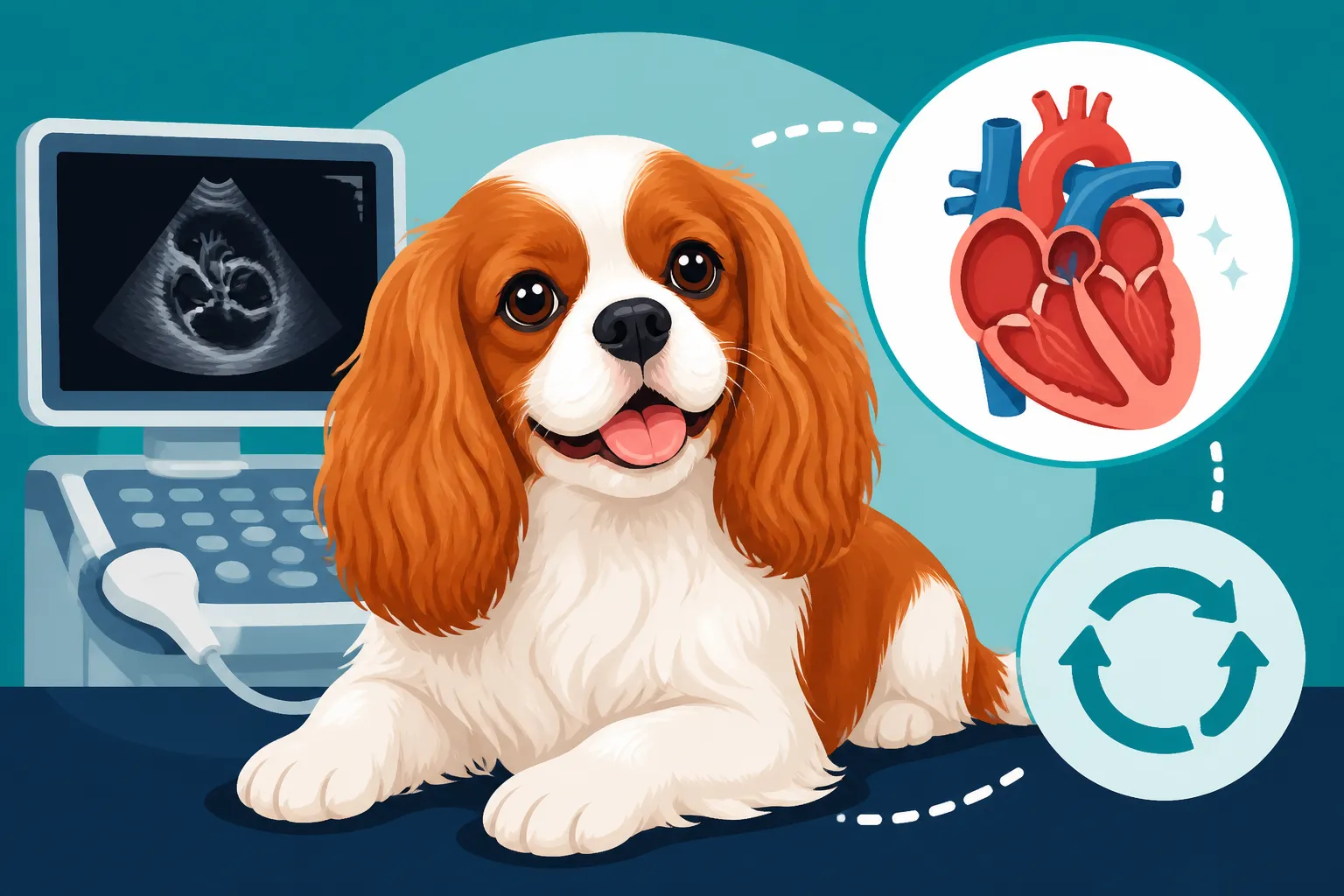
The echocardiogram itself is a non-invasive, pain-free ultrasound of the heart. Your Cavalier will typically lie comfortably on their side, often in a cushioned trough, with a small section of fur on their chest shaved (or sometimes just parted with alcohol) to allow for good contact with the ultrasound probe. The technician or cardiologist will then apply a water-soluble gel to the skin, which helps transmit the sound waves. The room is usually quiet and dimly lit to help keep your dog calm. Many clinics have soft music playing or offer treats to distract and reward your Cavalier throughout the procedure.
The cardiologist will methodically move the transducer (the ultrasound probe) over your dog's chest, capturing various views of the heart from different angles. They'll measure chamber sizes, wall thickness, blood flow velocities, and valve integrity. This can take anywhere from 20 to 45 minutes, depending on your dog's cooperation and the complexity of their heart condition. Most Cavaliers tolerate it very well, often falling asleep during the process. If a dog is particularly anxious, mild sedation might be an option, but it's usually avoided if possible to ensure the most accurate, uninfluenced heart measurements. What a Cavalier Echocardiogram Shows dives deeper into the specific images and data gathered.
Comforting Your Cavalier During the Scan
Your presence can be incredibly comforting to your Cavalier during their echo scan. Many clinics allow owners to stay in the room, gently petting and talking to their dog throughout the procedure. Your calm demeanor is infectious, helping your Cavalier relax. Bringing a favorite soft blanket or a special high-value treat (like a lick mat with peanut butter or a bit of squeeze cheese, if approved by the vet) can also be a wonderful distraction. Remember, the less stress your dog experiences, the easier it is for the cardiologist to get clear, accurate images, which benefits everyone.
The veterinary staff are usually experts at handling nervous dogs and will often take breaks if your Cavalier seems uncomfortable. They might try different positions or offer more treats. Don't hesitate to ask questions during the scan if you're curious about what you're seeing on the monitor; most cardiologists are happy to point things out and explain what they're looking for. This collaborative approach makes the experience less intimidating and ensures your Cavalier feels safe and loved throughout this important health check.
Understanding the Results: What a Repeat Scan Tells You
Getting the results of your Cavalier's echo scan can feel a bit like reading a complex medical report, but your cardiologist will translate it into understandable terms. The real power of repeat scans lies in seeing the trends and changes over time, rather than just isolated numbers. This is where the baseline established in previous exams truly comes into play.
Tracking Heart Size and Valve Function
The primary goal of a repeat echo is to meticulously track changes in your Cavalier's heart. The cardiologist will pay close attention to the size of the left atrium and left ventricle. As MVD progresses, the increased blood leaking backward causes these chambers to dilate, or enlarge. Specific measurements, like the left atrial to aortic root ratio (LA:Ao), are critical indicators. A consistent increase in these numbers over time signals that the heart is working harder to compensate for the faulty valve and that the disease is progressing.
They will also re-evaluate the mitral valve itself, observing its movement and the severity of the regurgitant jet. While the valve degeneration is irreversible, the measurements tell the story of how much impact it's having on the heart's overall structure and function. The cardiologist will assess if the leakage has increased in velocity or volume, and if any other heart structures are being affected. These objective measurements are far more reliable than just listening to a murmur, as a murmur's intensity doesn't always correlate perfectly with disease severity.
When Medication Becomes Necessary
One of the most crucial pieces of information gleaned from repeat echo scans is determining the optimal time to start heart medication. For many years, the standard approach was to wait until a dog showed symptoms of congestive heart failure (like coughing, difficulty breathing, or exercise intolerance) before starting treatment. However, research, particularly the EPIC study, revolutionized this approach for Cavaliers and other small breeds with MVD. We now know that starting certain medications, most notably pimobendan, before symptoms appear, once the heart has reached a specific stage of enlargement (Stage B2), can significantly delay the onset of clinical signs and extend life.
The echo scan provides the precise measurements needed to identify when a Cavalier has reached this critical Stage B2. Your cardiologist will look for a significant left atrial and/or left ventricular enlargement in an asymptomatic dog with an MVD murmur. This means you can be proactive, giving your Cavalier the best chance to remain symptom-free for longer. It's a game-changer, allowing you to get ahead of the disease rather than constantly playing catch-up once symptoms are already impacting your dog. Pimobendan for a Cavalier With an Enlarged Heart and Starting Heart Medication Before a Cavalier Coughs offer more insights into this vital treatment.
Interpreting Changes Over Time
The real narrative of your Cavalier’s heart health unfolds when your cardiologist reviews all previous echo reports alongside the current one. They're looking for patterns, rate of change, and any sudden shifts. Is the heart enlarging steadily, slowly, or has there been an accelerated increase in size since the last scan? This trend data is invaluable for predicting future progression and adjusting management strategies. For example, a dog with a slowly progressing murmur and stable heart size might continue with annual scans, whereas a Cavalier showing rapid enlargement might require more frequent monitoring (e.g., every six months) and prompt initiation of medication.
This longitudinal data also helps confirm if prescribed medications are working effectively to slow the rate of change. If your Cavalier is on medication, repeat scans help assess its impact. Perhaps the heart size has stabilized, or the rate of enlargement has slowed. This allows your cardiologist to fine-tune dosages or consider adding other medications if needed, always with the goal of maximizing your Cavalier's comfort and health. It's about ongoing vigilance and informed decision-making based on concrete evidence from inside their chest. The better you understand What a Heart Murmur Grade Means in a Cavalier, the more context you'll have for these discussions.
Managing the Logistics and Costs of Ongoing Scans
The importance of repeat echo scans is undeniable, but let's be realistic: managing these ongoing veterinary visits and the associated costs can be a significant undertaking. It requires planning, budgeting, and sometimes a little creative problem-solving. But with the right approach, you can ensure your Cavalier receives the consistent, high-quality cardiac care they need.
Scheduling Your Cavalier's Annual Cardiology Visit
Once your Cavalier has been diagnosed with a heart murmur, your veterinary cardiologist will recommend a schedule for repeat echo scans. For most Cavaliers, this means an annual visit, but if the disease is more advanced or progressing quickly, they might recommend scans every six months. Booking these appointments in advance is often a good strategy, especially with specialists whose schedules can fill up quickly. Many cardiology clinics have specific days or times dedicated to echo appointments, and being proactive can help you secure a convenient slot.
It's also important to consider the day of the week and time of day that works best for your Cavalier's temperament. If they get anxious, perhaps a quieter morning appointment is better. Plan for the full appointment to take a couple of hours, allowing for check-in, the physical exam, the scan itself, and the debrief with the cardiologist. Make sure to note down any questions you have beforehand so you don't forget them in the moment. Communication with your regular vet is also key; ensure they receive copies of all cardiology reports to keep your Cavalier's health record complete and consistent.
Navigating the Financial Commitment
There's no sugarcoating it: repeat echo scans are an investment in your Cavalier's health. The cost of a specialized cardiology appointment, including the echocardiogram, varies significantly based on your geographic location and the specific veterinary hospital or specialist. Generally, you can expect the initial consultation and echo to be a substantial fee, with follow-up scans potentially being slightly less if they are purely re-checks without a full new client workup. Cardiologist Fees for a Cavalier and Echo Scan Prices for a Cavalier Heart explore these costs in more detail.
When you're looking at ongoing annual or semi-annual costs, it's wise to factor these into your overall pet care budget. Some owners set up a dedicated savings fund, while others utilize payment plans if offered by their vet. It's not just the scan itself, but also potential medication costs that will start once your Cavalier reaches Stage B2. Don't be afraid to discuss the costs openly with your cardiologist's office. They often have administrative staff who can provide detailed estimates and discuss financial options. Being prepared financially is a huge step in ensuring continuous care.
Considering Pet Insurance and Other Support
This is precisely where pet insurance can be a game-changer for Cavalier owners. Enrolling your Cavalier in a comprehensive pet insurance plan before any murmur or heart condition is diagnosed is paramount. Once a murmur is detected, it immediately becomes a pre-existing condition, and most insurance companies will exclude it from coverage. However, if your Cavalier is covered before diagnosis, a good policy can help significantly offset the costs of repeat echo scans, cardiology consultations, and eventually, expensive heart medications. Brands like Healthy Paws are often recommended for their comprehensive coverage, but it's crucial to read policy details carefully, understand deductibles, reimbursement percentages, and annual limits. Insuring a Cavalier Before the Murmur Arrives is an essential read for any new Cavalier owner.
Beyond insurance, consider other forms of support. Many online pet pharmacies, like Chewy's pharmacy, offer competitive pricing on prescription medications, which can save you a good deal over time. Some owners also look into local breed-specific rescue groups or charities that might offer financial assistance programs for dogs with costly health conditions, although these are typically needs-based and less common for routine diagnostics. Even for general nutrition, brands like Ollie (though not directly for cardiac disease) can offer high-quality, portion-controlled meals that support overall health and weight management, which is crucial for a healthy heart. Planning ahead for these inevitable costs can truly alleviate stress and allow you to focus on giving your Cavalier the best possible care.
Regular echo scans are a critical component of responsible Cavalier ownership. They are your window into your dog's most vital organ, providing the detailed information needed to make timely, life-extending decisions. While the commitment is significant, the peace of mind and the extra time you gain with your beloved companion are truly priceless.
| Aspect | Initial Echo Scan | Repeat Echo Scan |
|---|---|---|
| Purpose | Establish baseline, diagnose MVD, stage disease. | Monitor progression, assess medication effectiveness. |
| Key Findings | Initial heart chamber sizes, valve structure, murmur grade. | Changes in heart size (e.g., LA:Ao ratio), blood flow. |
| Decision Impact | Confirm diagnosis, determine follow-up frequency. | Decide when to start/adjust medication (e.g., pimobendan). |
| Frequency (Typical) | Once a murmur is detected, or for screening. | Annually, or every 6-12 months for progressing disease. |
| Benefits | Early detection, informed management plan. | Proactive intervention, extended symptom-free life. |
| Cost Consideration | Significant initial investment. | Ongoing, recurring cost; pet insurance helps. |
Disclaimer
This article is for general informational purposes only and does not constitute professional advice. Laws, prices and regulations vary by location and change over time. Consult a qualified professional for guidance on your specific situation.