What Cavalier Decompression Surgery Runs
Discovering that your beloved Cavalier King Charles Spaniel may need decompression surgery for Syringomyelia (SM) is a gut-wrenching experience, often compounded by the immediate dread of the potential financial burden. This guide is here to walk you through the various costs associated with decompression surgery for Cavaliers, offering a realistic look at what you can expect and how to navigate this challenging journey.
Understanding Cavalier Syringomyelia Decompression Surgery: What It Entails
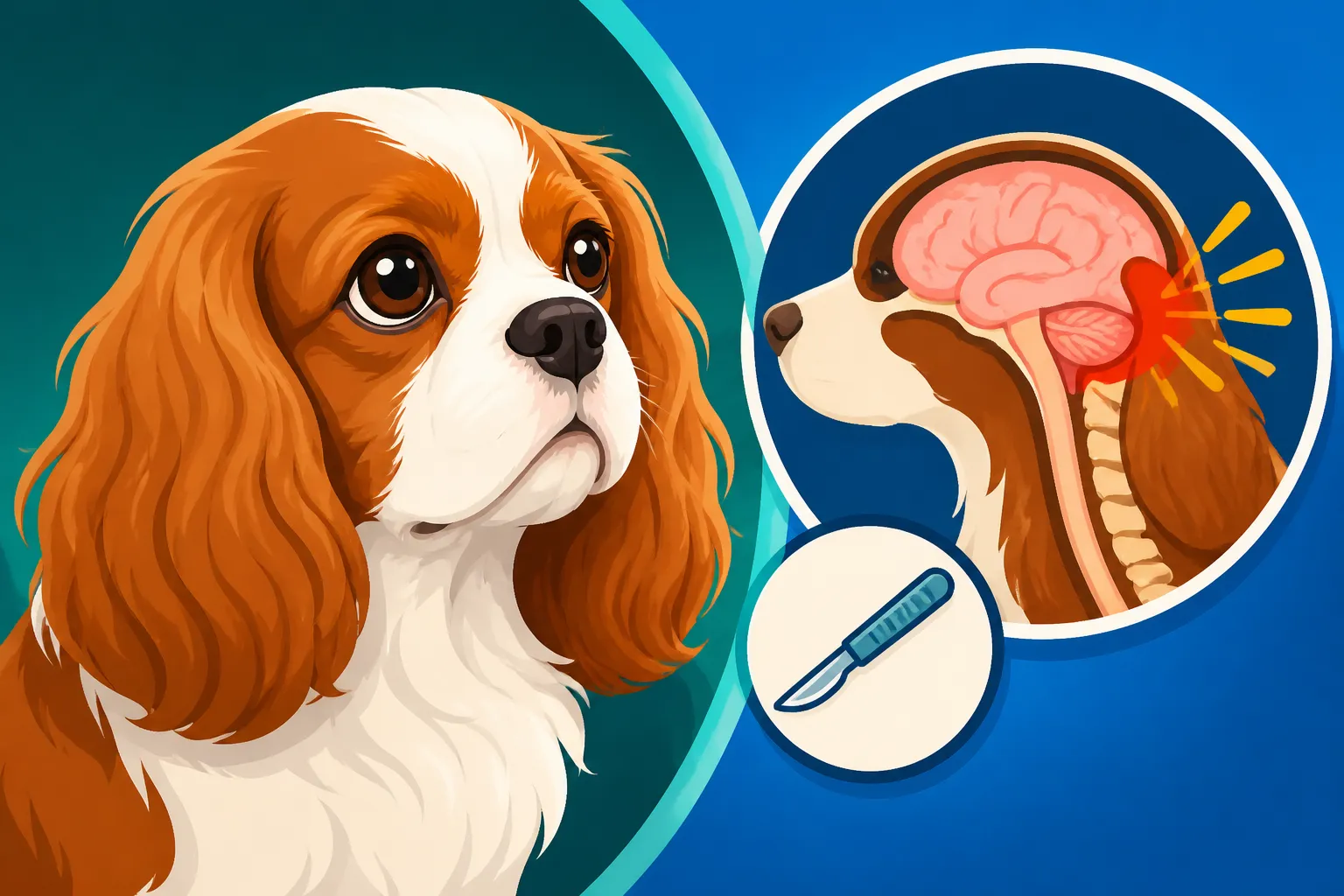
Before we dive into the numbers, it's crucial to understand what decompression surgery for Syringomyelia (SM) actually involves. This isn't a routine procedure; it's a highly specialized neurosurgery aimed at alleviating the pressure on your Cavalier's brain and spinal cord, which is often caused by Chiari-like malformation (CM). In Cavaliers, the skull can be too small for the brain, leading to a host of neurological issues, including fluid-filled cavities (syringes) within the spinal cord. When these syringes cause significant pain, neurological deficits, or a severely diminished quality of life, surgery might be considered.
The Purpose of Decompression
The primary goal of the surgery, often referred to as foramen magnum decompression, is to create more space around the brainstem and spinal cord at the base of the skull. This typically involves removing a small section of bone from the back of the skull (the occipital bone) and sometimes a portion of the first vertebra. A synthetic patch might then be used to enlarge the dura mater, the tough membrane covering the brain and spinal cord, further decompressing the area. The hope is that by relieving this pressure, the cerebrospinal fluid can flow more normally, reducing or resolving the painful symptoms associated with SM. This is a big step, and owners often spend a lot of time learning about Whether Decompression Surgery Helps a Cavalier.
Pre-Surgical Workup and Diagnostics
You don't just jump into surgery. The path to decompression surgery begins with a thorough diagnostic process. Your regular veterinarian will likely refer you to a veterinary neurologist who specializes in these complex conditions. The neurologist will perform a comprehensive neurological exam and discuss your Cavalier's symptoms, which might include Phantom Scratching in a Cavalier or A Cavalier That Yelps When Picked Up. The definitive diagnostic tool for Syringomyelia is an MRI scan, which allows the specialist to visualize the brain, spinal cord, and the extent of the syrinx formation. This scan is critical not only for confirming the diagnosis but also for planning the surgical approach. You'll want to be familiar with Getting a Cavalier Scanned for Syringomyelia and What a Cavalier MRI Scan Costs and Shows long before surgery is even on the table.
The Financial Reality: Breaking Down Decompression Surgery Costs for Cavaliers
Let's face it, one of the biggest anxieties after hearing about potential SM surgery is the cost. Decompression surgery for a Cavalier is a major veterinary procedure, and the associated expenses can be substantial. It’s not just the surgery itself; there’s a whole ecosystem of care that contributes to the final bill.
Components of the Surgical Bill
When you receive a quote or an estimate for your Cavalier's decompression surgery, it will typically be broken down into several key components. Understanding these can help you anticipate the financial impact:
- Neurologist Consultation Fees: Before any imaging or surgery, you'll have initial consultations with the veterinary neurologist. These involve examinations, discussions of symptoms, and reviewing your Cavalier's history.
- MRI Scan: As mentioned, the MRI is non-negotiable for diagnosis and surgical planning. This alone is a significant expense, often billed separately from the surgery itself.
- Anesthesia: Cavaliers, especially those with SM, require very careful anesthetic protocols. The cost includes the anesthesiologist's time, the anesthetic agents, monitoring equipment, and dedicated support staff. This can be complex, particularly if your Cavalier also has a heart murmur, leading to concerns about Anesthesia Risk in a Cavalier With a Murmur.
- Surgical Fees: This is the core cost, covering the neurosurgeon's expertise, the operating room, specialized surgical instruments, and the time spent performing the delicate procedure.
- Hospitalization and Intensive Care: Post-surgery, your Cavalier will require a stay in the veterinary hospital, often in an intensive care unit (ICU) for close monitoring. This includes nursing care, pain management, IV fluids, and any necessary medications. The length of stay will depend on your dog's recovery.
- Medications: This covers pre-operative medications, antibiotics during hospitalization, and critical post-operative pain relief and anti-inflammatory drugs. These post-op medications can include drugs similar to those used for Pain Relief for a Cavalier With Syringomyelia, which you'll continue at home.
- Follow-up Appointments and Diagnostics: Your Cavalier will need follow-up appointments with the neurologist to assess recovery, monitor for complications, and adjust medication. In some cases, repeat imaging might be recommended down the line.
Here’s a simplified breakdown of typical cost categories you might encounter:
| Cost Category | Description | Estimated Financial Impact (Relative) |
|---|---|---|
| Initial Consultations & Exams | Neurological exams, specialist evaluations. | Moderate |
| MRI Scan | Definitive diagnostic imaging required for diagnosis and surgical planning. | Substantial |
| Anesthesia | Pre-anesthetic bloodwork, anesthetic drugs, monitoring, dedicated staff. | High |
| Surgical Procedure | Neurosurgeon's fees, operating room, specialized equipment. | Very High |
| Hospitalization & Post-Op Care | Overnight stays, nursing care, pain management, IV fluids, medication administration. | High to Very High |
| Post-Operative Medications | Painkillers, anti-inflammatories, antibiotics for at-home use. | Moderate |
| Follow-up Visits & Rechecks | Subsequent neurologist appointments to monitor recovery. | Moderate |
| Physical Rehabilitation | Optional, but highly recommended for optimal recovery and mobility. | Moderate to High |
The Broader Financial Picture
It’s important to remember that the surgical bill is often just one piece of the puzzle. There might be travel costs if the specialist veterinary hospital is far from home, costs for special bedding or ramps to aid recovery, and potentially ongoing medication costs for conditions that aren't fully resolved by surgery. For long-term care, you might even consider specialized food options from providers like Ollie or Chewy, especially if your Cavalier needs a specific diet to aid recovery or manage weight.
Navigating the Numbers: Factors Influencing Your Cavalier's Surgical Bill
The exact figure for decompression surgery can vary quite a bit, making it challenging to give a precise number. Many elements come into play when determining the total cost.
Geographical Location and Clinic Type
Where you live can significantly impact the cost of veterinary care, just as it does human healthcare. Major metropolitan areas or regions with a higher cost of living generally have higher veterinary fees. Similarly, a specialized veterinary university hospital, which often performs cutting-edge procedures and has multiple specialists on staff, might have different pricing compared to a private referral clinic, even if both offer excellent neurological care. The expertise of the specific neurosurgeon and their team can also play a role, as highly experienced specialists may command higher fees.
Complexity of the Case
Every Cavalier's Syringomyelia is unique. The severity of the Chiari-like malformation, the size and location of the syrinx, and whether there are other complicating factors can all influence the complexity of the surgery. A straightforward decompression might take less time and resources than a more intricate case requiring additional procedures or more extensive bone removal. The presence of other health conditions, such as heart disease (which many Cavaliers are unfortunately prone to, as discussed in Mitral Valve Disease in the Cavalier King Charles Spaniel), can also increase the anesthetic risk and require more intensive monitoring, adding to the overall cost.
Post-Operative Care and Potential Complications
The recovery period after SM decompression surgery is crucial and can also contribute to the final cost. This includes the length of the hospital stay, which can range from a few days to over a week, depending on your Cavalier's individual recovery rate and any immediate complications. Some dogs may require physical rehabilitation, such as hydrotherapy or therapeutic exercises, to regain strength and mobility. These specialized therapies are typically billed separately. While the surgery has a good success rate for pain relief, no surgery is without risk. Complications, though rare, can arise and might require additional medical intervention, further extending hospitalization or necessitating additional diagnostics, all of which will add to the bill. Your veterinary team will discuss these possibilities with you thoroughly.
Preparing for the Unthinkable: Insurance and Financial Strategies for Cavalier SM Treatment
The thought of an unexpected, major veterinary bill can be terrifying. For Cavalier owners, where serious genetic health issues like SM and Mitral Valve Disease in the Cavalier King Charles Spaniel are unfortunately common, proactive financial planning is essential.
The Role of Pet Insurance
Pet insurance can be an absolute lifesaver when facing a diagnosis like Syringomyelia. However, the timing of when you enroll your Cavalier is critical. Most pet insurance policies consider pre-existing conditions—any illness or injury that your pet had before the policy started or during a waiting period—as non-coverable. This means if your Cavalier is already showing signs of SM or has been diagnosed, the surgery and related treatments will likely not be covered. This is why Insuring a Cavalier Before the Murmur Arrives (or any other genetic condition) is so important.
If you have pet insurance, thoroughly review your policy details, especially regarding specialist care, surgery, and hereditary conditions. Contact your provider, like Healthy Paws, immediately upon receiving a diagnosis or even suspecting SM, to understand what your plan covers and what your out-of-pocket expenses might be after your deductible and reimbursement percentage are applied. While many plans may cover a portion of the costs, understanding the specifics is key. Be prepared to submit detailed medical records and invoices. Whether Insurance Pays for a Cavalier MRI is a common question, and it's vital to know your policy's stance.
Building an Emergency Fund
Even with insurance, or if you don't have it, having an emergency fund specifically for your pet's health can make a world of difference. Setting aside a dedicated amount each month, even a small sum, into a high-yield savings account can accumulate into a substantial safety net over time. This fund can cover deductibles, co-pays, treatments not covered by insurance, or simply provide peace of mind for future unexpected health challenges that often arise as Cavaliers age. Consider what a The Emergency Fund a Cavalier Owner Needs might look like for your situation.
Exploring Financial Assistance Options
If you find yourself facing a significant bill without adequate insurance or savings, don't despair; there are often resources available. Many veterinary hospitals offer payment plans or work with third-party financing options that allow you to spread out payments over time, often with low or no interest for a promotional period. There are also various non-profit organizations and charities that provide financial assistance to pet owners for emergency or specialized veterinary care. Organizations dedicated to specific breeds or conditions might also offer grants or aid. Don't be afraid to discuss financial concerns openly with your veterinary team; they often have experience guiding owners through these difficult situations and can point you toward potential resources. You've already invested so much emotionally into your Cavalier, and exploring every avenue is worth it.
Living Beyond Surgery: Continued Care and Quality of Life
Deciding on decompression surgery for your Cavalier is a monumental decision, both emotionally and financially. Post-operative care doesn't end when you bring your dog home; it's an ongoing commitment to ensure the best possible quality of life.
Managing Recovery at Home
The initial weeks to months after surgery require careful management. Your Cavalier will likely need restricted activity, strict medication schedules (which might involve learning how to administer complex combinations of drugs, including those for nerve pain like Gabapentin Costs for a Cavalier), and a comfortable, quiet environment for healing. This is where resources from companies like Chewy, offering easy delivery of prescription medications and specialized recovery aids like orthopedic beds, can be incredibly helpful. You might also explore fresh food options from providers such as Ollie to ensure your Cavalier receives optimal nutrition during recovery, which can be crucial for healing and overall well-being. Keeping a close eye on their comfort levels and any changes in their gait or behavior is essential.
Long-Term Monitoring and Support
Even if the surgery is successful in alleviating symptoms, Syringomyelia is a complex condition, and long-term monitoring by your neurologist will be necessary. This might involve periodic check-ups, and in some cases, follow-up MRI scans to assess the ongoing health of the spinal cord. While surgery can significantly improve quality of life, some Cavaliers may still require lifelong medication to manage residual pain or neurological symptoms. However, with dedicated care and attention, many Cavaliers go on to live much more comfortable and joyful lives after successful decompression surgery. The initial costs are steep, but the potential for a pain-free, happy dog makes it a path many dedicated Cavalier owners are willing to explore.
Disclaimer
This article is for general informational purposes only and does not constitute professional advice. Laws, prices and regulations vary by location and change over time. Consult a qualified professional for guidance on your specific situation.