Boarding Kennels and a Cavalier’s Heart Medication
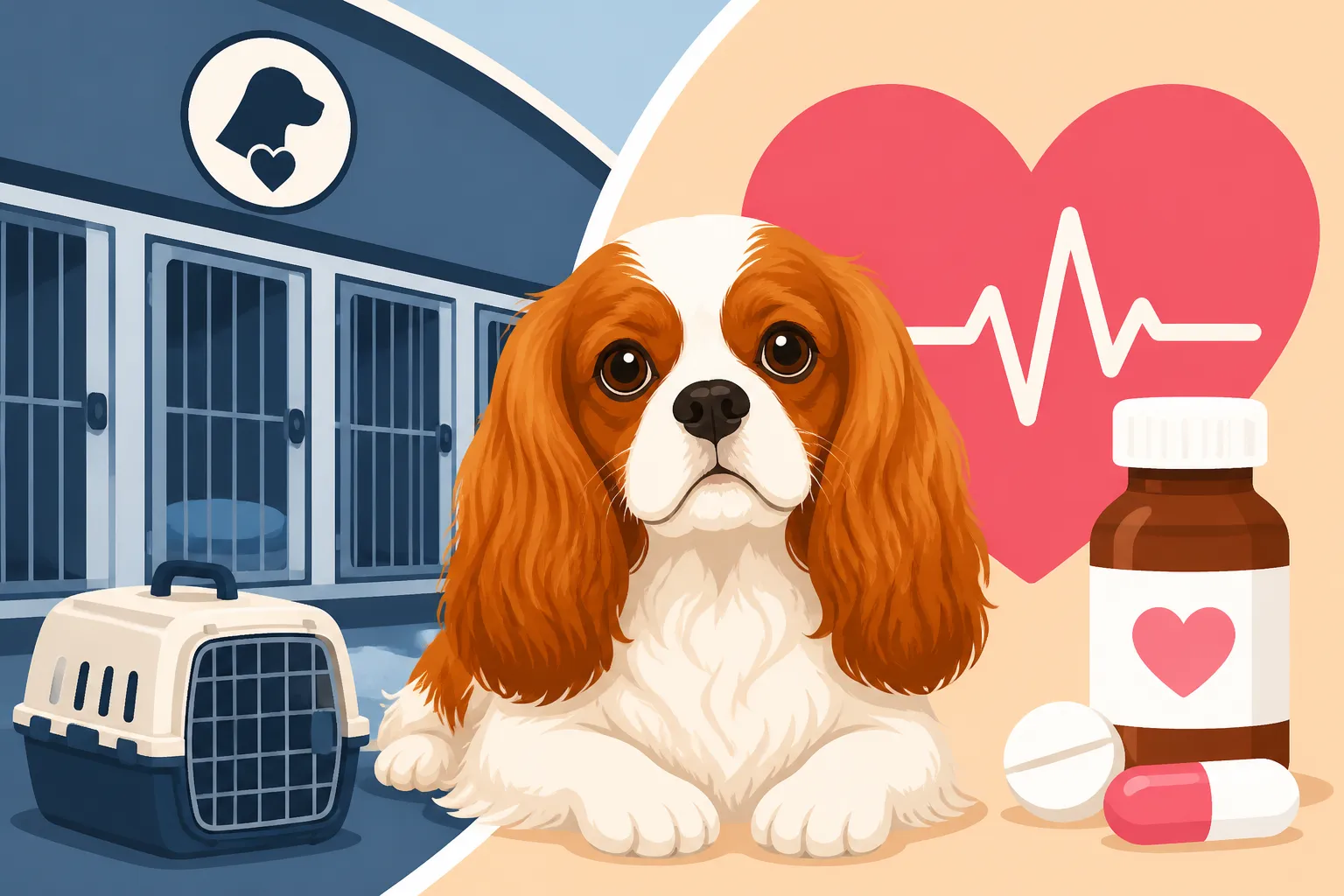
Leaving your beloved Cavalier King Charles Spaniel when they're on crucial heart medication can feel like an impossible task, filled with worry about whether they'll receive the meticulous care they need. It’s a common frustration for Cavalier parents, who know all too well the delicate nature of their breed's health. This comprehensive guide will walk you through everything you need to consider to ensure your Cavalier's heart health remains a top priority, even when you can't be by their side.
The Unique Challenges of Boarding a Cavalier with Heart Medication
Cavaliers are sweet, gentle souls, but they often come with a predisposition to certain health concerns, particularly heart conditions. When your furry family member is already on medication for their heart, the idea of leaving them in an unfamiliar environment with new people can be incredibly daunting. It's not just about finding someone to give them a pill; it's about entrusting their very well-being to others, knowing how quickly things can change with a cardiac patient.
Why Cavaliers Are Prone to Heart Issues Early On
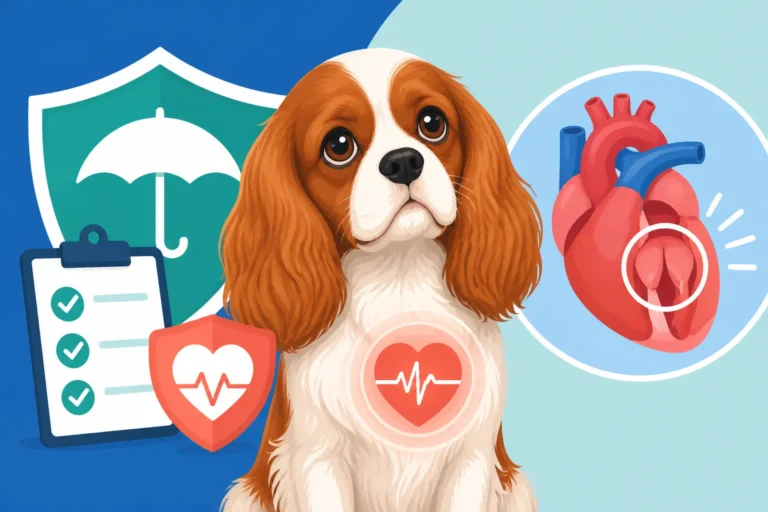
It's a sad truth that many Cavalier King Charles Spaniels face Mitral Valve Disease in the Cavalier King Charles Spaniel far earlier in life than other breeds. This genetic predisposition means that even relatively young Cavaliers can develop heart murmurs and progress to needing daily medication. You might have a happy, energetic four-year-old who looks perfectly healthy but has already been diagnosed and is on a regimen of heart medications. This makes planning any extended time away from home a logistical and emotional challenge.
For a Cavalier with MVD, maintaining a stable routine and minimizing stress are crucial. Their heart is already working harder than it should, and any added strain can exacerbate their condition. Understanding that this isn't just an "old dog" problem, but a breed-specific vulnerability, helps underscore why you need to be so particular about their care when you're not around. It's a weight many Cavalier owners carry, and it’s perfectly normal to feel extra cautious.
The Stress of a New Environment on a Fragile Heart
Imagine being suddenly moved to a noisy, unfamiliar place, surrounded by strangers and other anxious animals. For a Cavalier already managing a heart condition, this scenario can be incredibly detrimental. Stress causes an increase in heart rate and blood pressure, which puts additional strain on an already compromised heart. This isn't just about emotional discomfort; it can have very real physical consequences for your dog.
A new environment means different smells, sounds, and routines. Your Cavalier might not eat as well, they might sleep less, or they might become overly anxious. All these factors contribute to elevated stress levels. For a dog that might already be on Medication for a Cavalier With Heart Disease to help manage blood pressure and fluid retention, this surge of adrenaline can be counterproductive to their treatment and potentially trigger a setback in their health. It's vital to minimize these stressors as much as possible, which requires careful planning.
The Precision Required for Medication Schedules
Administering heart medication to a Cavalier isn't just a casual thing. Many cardiac medications, like Pimobendan or diuretics, need to be given at very specific times, sometimes multiple times a day, to maintain consistent levels in their system and ensure efficacy. Missing a dose or giving it late can significantly impact your dog's stability. For example, diuretics help prevent fluid buildup in the lungs, and a missed dose could lead to acute respiratory distress.
You know your Cavalier best – whether they're finicky about taking pills, if they need it wrapped in cheese, or if they'll eat it right out of the bowl. Communicating these nuances to whoever is caring for them is absolutely essential. It’s not just about the medication itself, but the entire process of ensuring it gets into your dog, on time, every time. This level of precision is often overlooked in general boarding facilities but is paramount for your Cavalier's continued health.
Finding a Kennel Equipped for Special Needs
When your Cavalier has special medical needs, a standard boarding kennel simply won't cut it. You need a facility that understands the gravity of heart disease and has protocols in place to handle it. This often means looking beyond the cheapest option or the one closest to home and instead prioritizing expertise and a commitment to individualized care. It's an investment in your peace of mind and, more importantly, in your Cavalier's safety.
What to Look for in a Kennel's Medical Protocol
Start by asking about their medical protocols before you even visit. Do they have staff trained in medication administration? What is their policy for dispensing medication – do they just hand it out with food, or do they observe to ensure it's taken? How do they handle emergencies? A good kennel should have a clear, written protocol for medical care. They should also ask you for your veterinarian's contact information and ideally have a relationship with a local vet themselves, or at least a clear plan for emergency transport.
Consider whether they track specific health indicators. For a heart patient, monitoring things like appetite, energy levels, and even Counting a Cavalier's Resting Breaths could be incredibly helpful. If a kennel can't articulate their medical procedures with confidence and clarity, it's a red flag. You're looking for a facility that treats medication administration as a serious, critical component of their care, not an afterthought.
Staff Training and Experience with Heart Patients
It's not enough for staff to simply know how to give a pill. They need to understand why it's important and what symptoms to watch for. A Cavalier with heart disease can go downhill quickly. Staff should be able to recognize signs of worsening heart failure, such as increased coughing, labored breathing, lethargy, or a refusal to eat. Knowing these subtle cues can be the difference between early intervention and a crisis.
When you tour a facility, don't be afraid to ask about staff training. Do they have certified veterinary technicians on staff? How often are staff updated on pet first aid? Ask specific hypothetical questions: "If my Cavalier started coughing more, what would you do?" Their answers will reveal their level of preparedness. A truly exceptional facility will have staff who are not only competent but also empathetic to the needs of medically fragile dogs, recognizing that each dog is an individual.
The Importance of a Calm, Low-Stress Environment
For a heart patient, a chaotic, noisy kennel environment is the antithesis of what they need. A good boarding facility for a Cavalier with heart disease should prioritize a calm atmosphere. This might mean separate, quieter areas for older or medically fragile dogs, smaller play groups, or dedicated one-on-one time with staff. Think about noise levels, the amount of natural light, and the overall cleanliness and comfort of the enclosures.
Some facilities go above and beyond, offering private rooms or "suites" that mimic a home environment. These can be particularly beneficial for an anxious Cavalier. Even if they don't have luxury suites, look for kennels that emphasize quiet time, provide comfortable bedding, and have a routine that avoids sudden changes or overwhelming sensory input. A low-stress environment directly supports their cardiac health by keeping their adrenaline levels stable.
Preparing Your Cavalier for Their Stay
Once you've found a suitable facility, the preparation process is just as important as the selection. This isn't just about packing a bag; it's about setting both your Cavalier and the kennel staff up for success. Thorough communication, meticulous organization, and perhaps even a trial run can make all the difference in ensuring a smooth and safe stay for your precious companion.
Detailed Communication with Kennel Staff
Never assume kennel staff will remember every detail from your initial conversation. Create a comprehensive document that outlines your Cavalier's daily routine, medication schedule (with precise times and dosages), dietary needs, favorite toys, comfort behaviors, and any quirks. Include multiple emergency contact numbers, including your primary veterinarian and an alternate contact person who knows your dog well.
Use a clear, concise format, perhaps even a daily checklist for medication administration. Be sure to highlight critical information, such as signs of distress or specific instructions regarding their heart condition. For instance, you might note that Whether Exercise Is Safe for a Cavalier With MVD depends on their current health status and should be limited to short, calm strolls. The more detailed and clear you are, the less room there is for error. This isn't being overly cautious; it's being a responsible pet parent.
Packing Medications and Special Comforts
Always pack your Cavalier's medications in their original, clearly labeled prescription bottles. This helps kennel staff verify the drug and dosage, and it's often a legal requirement for dispensing. Provide more than enough medication for the duration of their stay, plus a few extra days' worth in case of unexpected delays. Include specific instructions for how each medication should be given – e.g., "Pimobendan 1.25mg tablet twice daily with food, covered in a small piece of cheese." You can even get pre-portioned containers from Chewy or your vet to make it easier.
Beyond medication, pack familiar comfort items. A favorite blanket or bed from home that smells like you can provide immense reassurance. Include their usual food – ideally pre-portioned if they're on a specific diet or if you know they're prone to weight gain, which can exacerbate heart conditions. Whether Diet Slows a Cavalier's Heart Disease is a complex topic, but consistent, appropriate nutrition is key. A favorite toy can also help them feel more at ease in a strange place, reinforcing that positive association.
Trial Stays and Gradual Acclimation
If time allows, consider doing a trial stay for your Cavalier, especially if they've never boarded before or if their heart condition is newly diagnosed. A short daycare visit, followed by an overnight stay, can help them acclimate to the environment and the staff. This also gives you a chance to assess how well the kennel follows your instructions and how your Cavalier handles the separation and new routine.
A trial run is invaluable for both your dog and the facility. It allows staff to get to know your Cavalier's personality and medical needs firsthand, and it lets your dog build positive associations with the place before you're gone for an extended period. Observing their behavior before and after a trial stay can give you crucial insights into whether this particular kennel is truly the right fit for your beloved, medically fragile Cavalier. This is also a good opportunity to confirm how well the staff understand specific medications like Pimobendan for a Cavalier With an Enlarged Heart.
| Care Option | Pros | Cons | Best For |
|---|---|---|---|
| Traditional Kennel (Special Needs) | Dedicated facilities, often monitored 24/7. | Can still be stressful due to noise and unfamiliarity. Limited one-on-one medical expertise beyond basic administration. | Cavaliers needing basic medication administration in a structured environment, if a quiet section is available. |
| Veterinary Boarding | Medical staff on-site (veterinarians, vet techs). Immediate access to emergency care. Often quieter. | Can be more expensive. Less "home-like" environment. May be busy with active vet cases. | Cavaliers with complex medical needs, recent changes in health, or a history of requiring emergency attention. |
| In-Home Pet Sitter | Cavalier stays in familiar environment, maintains routine. One-on-one attention. Minimizes stress. | Less medical expertise than vet boarding. Relies heavily on the individual sitter's experience and trustworthiness. | Cavaliers who are highly anxious, require strict routines, or have very stable but ongoing medical needs. |
| Trusted Friend/Family | Familiar faces and environment. Often free or low cost. High level of trust. | May lack professional medical training or experience with heart conditions. Friend/family might not be comfortable with complex medication schedules. | Cavaliers with very stable conditions whose loved ones are willing and able to follow detailed instructions. |
Alternatives to Traditional Boarding for Medicated Cavaliers
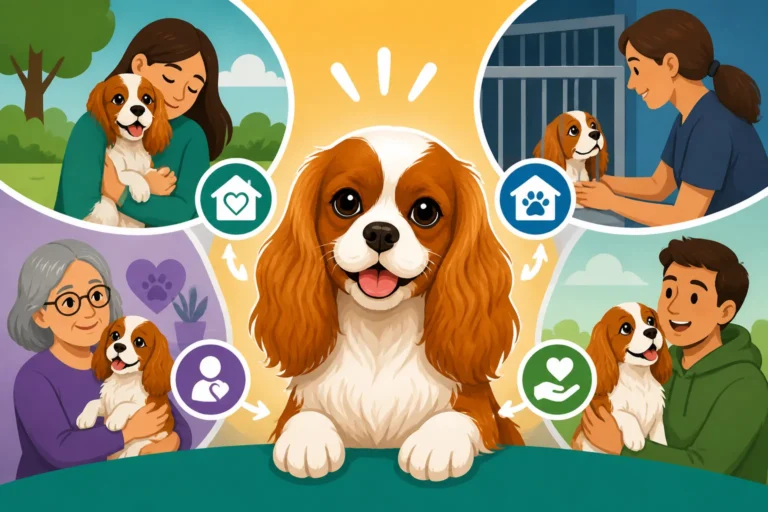
While finding the right kennel is important, sometimes the best solution for a Cavalier with heart medication isn't a kennel at all. Exploring alternatives can significantly reduce stress and provide a higher level of personalized care, offering greater peace of mind for you and a more comfortable experience for your dog.
In-Home Pet Sitters or House Sitters
For many Cavalier owners, an in-home pet sitter or house sitter is the gold standard for a medically fragile dog. The biggest advantage is that your Cavalier stays in their own familiar home environment, adhering to their usual routine. This dramatically reduces stress, which, as we've discussed, is paramount for a heart patient. A pet sitter can also maintain your dog's specific feeding schedule, administer medications precisely, and provide the one-on-one attention your Cavalier craves.
When hiring a pet sitter, conduct thorough interviews, check references, and ensure they have experience with medication administration and ideally, with senior dogs or dogs with medical conditions. Many professional Pet Sitters Who Can Give Cavalier Medication are incredibly knowledgeable and can offer daily updates, photos, and even communicate with your vet if necessary. Companies like Chewy even offer online resources for finding pet care services, and while they don't vet individual sitters, it can be a starting point for your research. This option often feels the closest to having you there yourself.
Veterinary Boarding Facilities
Some veterinary clinics offer boarding services, which can be an excellent option for Cavaliers with significant health concerns or those whose condition might require closer medical observation. The obvious benefit here is that trained veterinary staff are on hand. If your Cavalier were to experience a sudden turn, such as a coughing fit that signals fluid buildup, they would have immediate access to veterinary care. This significantly reduces the risk associated with an Anesthesia Risk in a Cavalier With a Murmur if an emergency procedure were ever needed.
Vet boarding facilities are typically equipped to handle complex medication schedules, injections, or even specialized diets. While it might not be as "homey" as an in-home sitter, the peace of mind knowing your dog is under constant medical supervision can be invaluable. It's especially worth considering if your Cavalier has recently had a change in their medication, or if their condition is considered unstable, where close monitoring is a must. Remember to discuss your Cavalier's regular care, including their Annual Cardiologist Exams for a Cavalier and What a Cavalier Cardiologist Visit Involves, with the vet boarding staff for full context.
Trusted Friends or Family Members
Sometimes, the best solution is someone you already know and trust implicitly. Asking a close friend or family member to care for your Cavalier can provide a sense of security and familiarity that no commercial service can fully replicate. Your dog will be with someone they already love, in an environment that may already be somewhat familiar (if they've visited before), or at least with routines that closely match their own.
However, it's crucial to be realistic about this option. While friends and family offer a high level of love, they may not have professional experience with complex medical care. Ensure they are fully comfortable and capable of administering medications on a strict schedule and recognizing signs of distress. Prepare the same detailed instructions you would for a kennel, and make sure they have all emergency contact information. You might even consider having them spend a day or two with your Cavalier before you leave, getting hands-on practice with the medication routine. This person should also know that Saving Ahead of a Cavalier Heart Diagnosis is wise, as vet bills can be substantial, even if they aren't personally paying them, they need to know what they're getting into. Having a plan for medical expenses, potentially through a pet insurance provider like Healthy Paws, is a good discussion point if unexpected costs arise.
No matter which option you choose, the key is to be proactive, communicate thoroughly, and prioritize your Cavalier's health and comfort above all else. Your dedication ensures they can continue to live their happiest, healthiest life, even when you're away.
Disclaimer
This article is for general informational purposes only and does not constitute professional advice. Laws, prices and regulations vary by location and change over time. Consult a qualified professional for guidance on your specific situation.