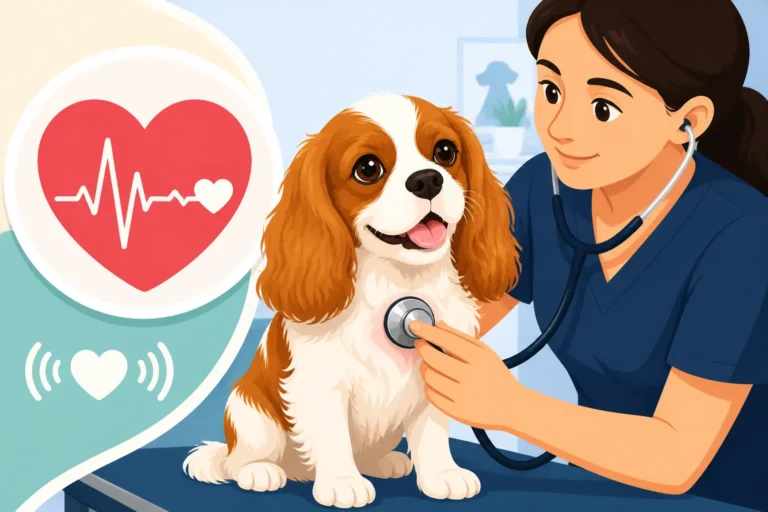
Whether a Cavalier Needs Bloodwork Before Anesthesia
The thought of your sweet Cavalier King Charles Spaniel undergoing anesthesia can be truly nerve-wracking. We all want our furry family members to be safe, and sometimes the technical details about veterinary procedures can feel overwhelming. This guide is here to walk you through why pre-anesthetic bloodwork is not just a suggestion, but a crucial step in ensuring your Cavalier's safety and peace of mind before any surgical or dental procedure.
Why Pre-Anesthetic Bloodwork Is More Than Just a Routine Check
When your vet suggests pre-anesthetic bloodwork, it's not just another bill; it's a vital diagnostic tool that acts as an invisible shield for your beloved Cavalier. Imagine sending a tiny astronaut into space without checking their oxygen levels or the integrity of their suit – that's a bit what it's like to put a pet under anesthesia without knowing their internal health status. These little dogs, with their generally sweet dispositions, can sometimes mask underlying issues that only a peek inside their biochemistry can reveal.
Unmasking Hidden Health Issues
On the surface, your Cavalier might appear perfectly healthy. They're bouncing around, eating their meals, and demanding cuddles, giving no outward signs that anything might be amiss internally. However, a physical exam, no matter how thorough, can't tell your veterinarian about your dog's kidney function, liver enzyme levels, or red blood cell count. These internal systems are critical for processing and clearing anesthetic drugs from the body. If, for instance, your Cavalier has mildly compromised kidney function, the usual dose of an anesthetic could accumulate to toxic levels, leading to serious complications during or after the procedure.
Consider a scenario where a seemingly spry five-year-old Cavalier is slated for a dental cleaning. The vet listens to his heart, checks his teeth, and finds him outwardly robust. But bloodwork might reveal slightly elevated liver enzymes, indicating a subclinical liver issue. Without this information, the chosen anesthetic could put undue stress on an already struggling liver. Knowing this beforehand allows the vet to select a liver-sparing anesthetic protocol, hydrate the dog appropriately, and monitor liver values closely, significantly reducing the risk. It’s about catching those silent whispers of illness before they become shouts during a vulnerable time.
Tailoring the Anesthesia Protocol
Every dog is an individual, and this is especially true when it comes to how they metabolize and react to anesthetic agents. What works perfectly well for a robust Labrador might not be the safest choice for a delicate Cavalier. Pre-anesthetic bloodwork provides a personalized roadmap for your veterinarian, allowing them to precisely tailor the anesthetic protocol to your Cavalier's unique physiological needs. This isn't a one-size-fits-all approach; it's precision medicine.
For example, if the bloodwork indicates low red blood cell count (anemia), the vet might choose drugs that have minimal impact on blood pressure and oxygen carrying capacity, or even postpone the procedure until the anemia is addressed. If a heart murmur is already known, Anesthesia for a Cavalier With Heart Disease becomes a major consideration, and bloodwork adds another layer of critical data. Knowing specific organ function allows them to select drugs that are less taxing on the liver or kidneys, adjust dosages to prevent accumulation, and prepare for potential electrolyte imbalances. This careful selection of drugs, combined with specific monitoring protocols, dramatically enhances safety.
Identifying Increased Risk Factors
Cavalier King Charles Spaniels, for all their charm, do come with certain breed-specific health predispositions. While bloodwork doesn't directly test for conditions like Syringomyelia or Mitral Valve Disease (MVD), it can reveal how these conditions might be indirectly impacting organ function or overall health, which then influences anesthetic risk. For instance, a Cavalier with advanced MVD might be on medications that affect kidney function, or their heart disease might make them more susceptible to drops in blood pressure during anesthesia. Anesthesia Risk in a Cavalier With a Murmur is a very real concern for many Cavalier owners, and bloodwork helps quantify some of that risk.
Beyond obvious breed predispositions, bloodwork can flag other, more general risk factors. A low platelet count, for instance, might indicate a clotting disorder, increasing the risk of excessive bleeding during surgery. While Cavaliers can sometimes have Why a Cavalier's Platelet Count Reads Falsely Low due to their unique platelet size, it's still crucial for the vet to be aware of the actual platelet count to ensure clotting ability is sufficient. High blood sugar could indicate undiagnosed diabetes, which requires a completely different approach to anesthetic management. These are the kinds of silent alarms that pre-anesthetic bloodwork can sound, allowing your vet to either mitigate the risks or advise against the procedure until further investigation or stabilization.
What a Pre-Anesthetic Blood Panel for a Cavalier Covers
When your vet suggests "bloodwork," it’s actually a collection of tests, each designed to paint a different picture of your Cavalier's internal workings. Understanding what these tests reveal can help you feel more confident about why they're so important. Think of it as a detailed health report card for all of your Cavalier's essential organs and systems.
The Complete Blood Count (CBC)
The Complete Blood Count, or CBC, is like a peek into your Cavalier's blood cells, providing crucial information about their overall health, immune system, and oxygen-carrying capacity. It's a foundational test that gives your vet a lot of immediate insights. This panel measures several components in your Cavalier's blood:
- Red Blood Cells (RBCs): These cells are responsible for carrying oxygen throughout the body. A low count indicates anemia, which means less oxygen is reaching vital organs, making anesthesia much riskier. A high count (polycythemia) can also be problematic, affecting blood thickness and flow.
- White Blood Cells (WBCs): These are the warriors of the immune system. Elevated levels can signal an infection or inflammation, which might necessitate postponing an elective procedure. Conversely, very low levels could indicate a compromised immune system, making your Cavalier more vulnerable during and after surgery.
- Platelets: These tiny cell fragments are essential for blood clotting. A low platelet count (thrombocytopenia) can increase the risk of bleeding complications during surgery. It's particularly important to note that Cavaliers can sometimes have larger-than-normal platelets, which can lead to a falsely low platelet count reading on automated machines. This phenomenon is why your vet might sometimes manually check a blood smear if the count is borderline or suspiciously low. This particular nuance in Cavaliers means it's worth having the vet explain the full implications if an automated count comes back low.
Understanding these components allows the vet to assess potential issues like hidden infections that could flare up post-surgery, or conditions that might affect blood oxygenation or clotting, all of which are critical under anesthesia.
The Chemistry Panel
While the CBC focuses on the cellular components of blood, the chemistry panel dives into the biochemical substances, giving your vet a clearer picture of organ function, metabolism, and electrolyte balance. This is where we learn how well your Cavalier's internal machinery is running, especially the organs responsible for processing drugs.
Key components typically include:
- Liver Enzymes (e.g., ALT, ALP): The liver is the primary organ for metabolizing most anesthetic drugs. Elevated liver enzymes can indicate liver disease or damage, which means anesthetic drugs might not be processed effectively, leading to prolonged recovery or toxicity. Knowing this allows the vet to choose specific drugs that are less dependent on liver metabolism.
- Kidney Values (e.g., BUN, Creatinine): The kidneys are crucial for filtering waste products and excreting drugs from the body. Elevated kidney values suggest reduced kidney function. If a Cavalier's kidneys aren't working optimally, anesthetic drugs can stay in their system longer, leading to serious complications. Hydration protocols are often adjusted based on these values.
- Glucose (Blood Sugar): Abnormal glucose levels can indicate diabetes (high) or hypoglycemia (low). Both can pose significant risks under anesthesia, affecting brain function and recovery. Diabetic dogs require very specific anesthetic management.
- Electrolytes (e.g., Sodium, Potassium, Chloride): These minerals are vital for nerve and muscle function, as well as maintaining fluid balance. Imbalances can lead to heart arrhythmias or other complications during anesthesia, making it essential to correct them beforehand.
By reviewing these values, the vet can identify any underlying organ dysfunction that might increase anesthetic risk and make informed decisions about fluid therapy, drug choices, and post-operative care.
Urinalysis and Other Advanced Tests
While the CBC and chemistry panel are standard for most pre-anesthetic screens, there are situations where your vet might recommend additional, more advanced tests. These are typically considered if your Cavalier has specific symptoms, is older, or has known pre-existing conditions that warrant a deeper dive.
A urinalysis examines your Cavalier's urine for signs of infection, inflammation, or kidney disease. While blood tests show kidney function, a urinalysis provides a more complete picture of kidney health, including the kidney's ability to concentrate urine. If your Cavalier has early kidney issues, a urinalysis might reveal it even before blood values are significantly elevated. Other tests might include:
- Thyroid Hormone Levels: Especially in older Cavaliers, an underactive thyroid (hypothyroidism) can affect metabolism and heart rate, which can influence anesthetic responses.
- Coagulation Profile: If there's any concern about bleeding, this test specifically evaluates the blood's ability to clot.
- NT-proBNP: This blood test, discussed in A Cavalier Heart Blood Test Called NT-proBNP, measures a hormone released by stretched heart muscle cells. While not part of a routine pre-anesthetic panel, it might be ordered for Cavaliers with a known heart murmur to assess the severity of heart disease, further informing the anesthetic plan.
These additional tests are not always necessary but can provide invaluable information for a comprehensive risk assessment, especially for our senior Cavaliers or those with complex health histories.
When to Insist on Bloodwork and What to Expect
You are your Cavalier's best advocate, and understanding when and why to push for certain diagnostics is part of responsible pet ownership. While most reputable vets will strongly recommend pre-anesthetic bloodwork, there are specific situations where it truly becomes non-negotiable.
Age and Health Status Considerations
When it comes to anesthesia, your Cavalier's age and existing health conditions play a huge role in determining the level of risk. For a young, apparently healthy Cavalier puppy undergoing a routine spay or neuter, the risk might seem minimal. However, even puppies can have congenital anomalies that are only detectable through bloodwork. Therefore, even for puppies, a basic panel is highly recommended to screen for conditions like liver shunts or unexpected anemias.
As your Cavalier ages, the importance of comprehensive bloodwork skyrockets. For a senior Cavalier, say, over eight years old, who needs a dental procedure, bloodwork is absolutely critical. Caring for a Cavalier Past Nine involves understanding their increased susceptibility to organ changes and other age-related issues. Liver and kidney function naturally decline with age, and a senior Cavalier is more likely to have a developing heart murmur or other silent health issues that increase anesthetic risk. If your Cavalier has a known condition, such as a heart murmur, Annual Cardiologist Exams for a Cavalier are important, and pre-anesthetic bloodwork becomes an essential part of the picture. Conditions like Mitral Valve Disease in the Cavalier King Charles Spaniel or early signs of kidney disease can be significantly impacted by anesthetic drugs, making bloodwork a non-negotiable step to ensure their safety.
Discussing the Results with Your Veterinarian
Once the bloodwork has been run, your veterinarian should sit down with you and thoroughly explain the results. Don't be afraid to ask questions! This is your opportunity to understand what each value means for your specific Cavalier and how it might impact the anesthetic plan. A good vet will not just tell you "everything is normal" but will walk you through the key findings.
Here are some questions you might want to ask:
- "Are all the values within the normal range for a Cavalier of [pet's age and weight]?"
- "Are there any values that are borderline, even if they're technically within range? What do those imply?"
- "Given these results, will you be making any specific adjustments to the anesthetic drugs or monitoring during the procedure?"
- "What do these results tell us about his heart/kidney/liver function specifically, considering his [known condition, e.g., murmur]?"
Understanding the results empowers you to make informed decisions and feel more comfortable about the upcoming procedure. It's a collaborative process where your concerns should be heard and addressed.
What Happens If Abnormalities Are Found
Finding an abnormality in your Cavalier's pre-anesthetic bloodwork can be unsettling, but it's important to remember that this is exactly why the tests are performed. It means your vet has identified a potential issue before it can cause complications under anesthesia. What happens next depends entirely on the nature and severity of the abnormality.
In some cases, a minor abnormality might simply lead to a tweak in the anesthetic protocol. For example, slightly elevated kidney values might mean your vet will use more intravenous fluids during the procedure to support kidney function. In other situations, a more significant finding, like a severe infection or severely compromised organ function, might necessitate postponing the elective procedure. Your vet might recommend further diagnostic tests (like an ultrasound or specialized blood test), a course of medication (such as antibiotics for an infection), or even a prescription diet change to stabilize your Cavalier's health before anesthesia is deemed safe. While a delay can be frustrating, it’s always in the best interest of your Cavalier's long-term health and safety.
Managing the Cost and Preparing for the Procedure
The cost of veterinary care, especially for diagnostics and procedures, is a very real concern for many Cavalier owners. However, viewing pre-anesthetic bloodwork as an investment in your pet's safety, rather than just an expense, can help alleviate some of that financial stress.
Understanding the Cost of Pre-Anesthetic Testing
The price of pre-anesthetic bloodwork can vary quite a bit depending on your geographic location, the specific veterinary clinic, and the comprehensiveness of the panel chosen. Generally, a basic panel for a young, healthy Cavalier will be less expensive than a more extensive panel for a senior or medically compromised dog. While I can't give you exact figures, it's worth discussing the potential costs with your vet clinic upfront. They should be able to provide a clear estimate for the recommended tests.
This is also where pet insurance can be a real lifesaver. Many pet insurance providers, like Healthy Paws, offer coverage for diagnostic tests, including pre-anesthetic bloodwork, especially if the policy was initiated before any health conditions were identified. This means that if an unexpected issue is found, your insurance might help cover not only the bloodwork itself but also any subsequent treatments or further diagnostics that become necessary. It's always wise to review your pet insurance policy carefully or consider enrolling your Cavalier early to ensure maximum coverage, especially given the breed's predispositions. Insuring a Cavalier Before the Murmur Arrives is a common strategy to ensure coverage for potential future heart issues, which are often connected to anesthetic risk.
Essential Preparations Beyond Bloodwork
Beyond the crucial bloodwork, there are other important steps you can take to prepare your Cavalier for their anesthetic procedure and ensure a smooth experience. Your vet will provide specific instructions, but generally, these include:
- Fasting: Most procedures requiring anesthesia will require your Cavalier to fast for a certain number of hours before the appointment. This is typically withholding food overnight, though water is often allowed until a few hours before. Fasting helps prevent regurgitation and aspiration (inhaling stomach contents) while under anesthesia. Always follow your vet's specific instructions for fasting.
- Medication Review: Discuss any medications your Cavalier is currently taking with your vet. Some medications might need to be withheld or adjusted before anesthesia. For example, certain heart medications or pain relief might have specific instructions. Make sure your vet knows everything your Cavalier is on, even supplements.
- Comfort and Familiarity: Prepare a cozy, quiet space for your Cavalier's return home. Have their favorite blanket, a comfortable bed, and fresh water readily available. If they're on a special diet, consider pre-ordering from a service like Chewy or exploring fresh food options like Ollie that can be delivered to your door, making recovery feeding easier. Familiarity and comfort can help reduce stress before and after the procedure.
- Transportation: Plan how you will safely transport your Cavalier to and from the clinic. A secure crate or harness is essential, especially if they are groggy after anesthesia.
Being well-prepared both medically and practically can make a significant difference in your Cavalier's experience and your own peace of mind.
Comparing Pre-Anesthetic Bloodwork Options
Understanding the different levels of bloodwork available can help you discuss the best option for your Cavalier with your vet.
| Test Type | Components Included | Ideal For | Benefits |
|---|---|---|---|
| Basic Panel | CBC, Limited Chemistry (e.g., BUN, Creatinine, Glucose) | Young, outwardly healthy Cavaliers for routine procedures (e.g., spay/neuter) | Screens for common hidden issues; cost-effective. |
| Comprehensive Panel | CBC, Full Chemistry (e.g., Liver enzymes, full Kidney values, Electrolytes, Proteins, Glucose) | Cavaliers of all ages, especially seniors or those with known health concerns; any complex procedures | Provides detailed organ function assessment; flags more subtle issues; essential for informed drug choice. |
| Expanded Panel | Comprehensive Panel + Specific Add-ons (e.g., Urinalysis, Thyroid, Coagulation Profile, NT-proBNP) | Cavaliers with specific symptoms, breed predispositions, pre-existing conditions (e.g., MVD), or very senior pets | Offers deepest insight into specific systems; crucial for high-risk patients; guides complex anesthetic plans. |
Disclaimer
This article is for general informational purposes only and does not constitute professional advice. Laws, prices and regulations vary by location and change over time. Consult a qualified professional for guidance on your specific situation.