Eye Drop Costs for a Cavalier With Dry Eye
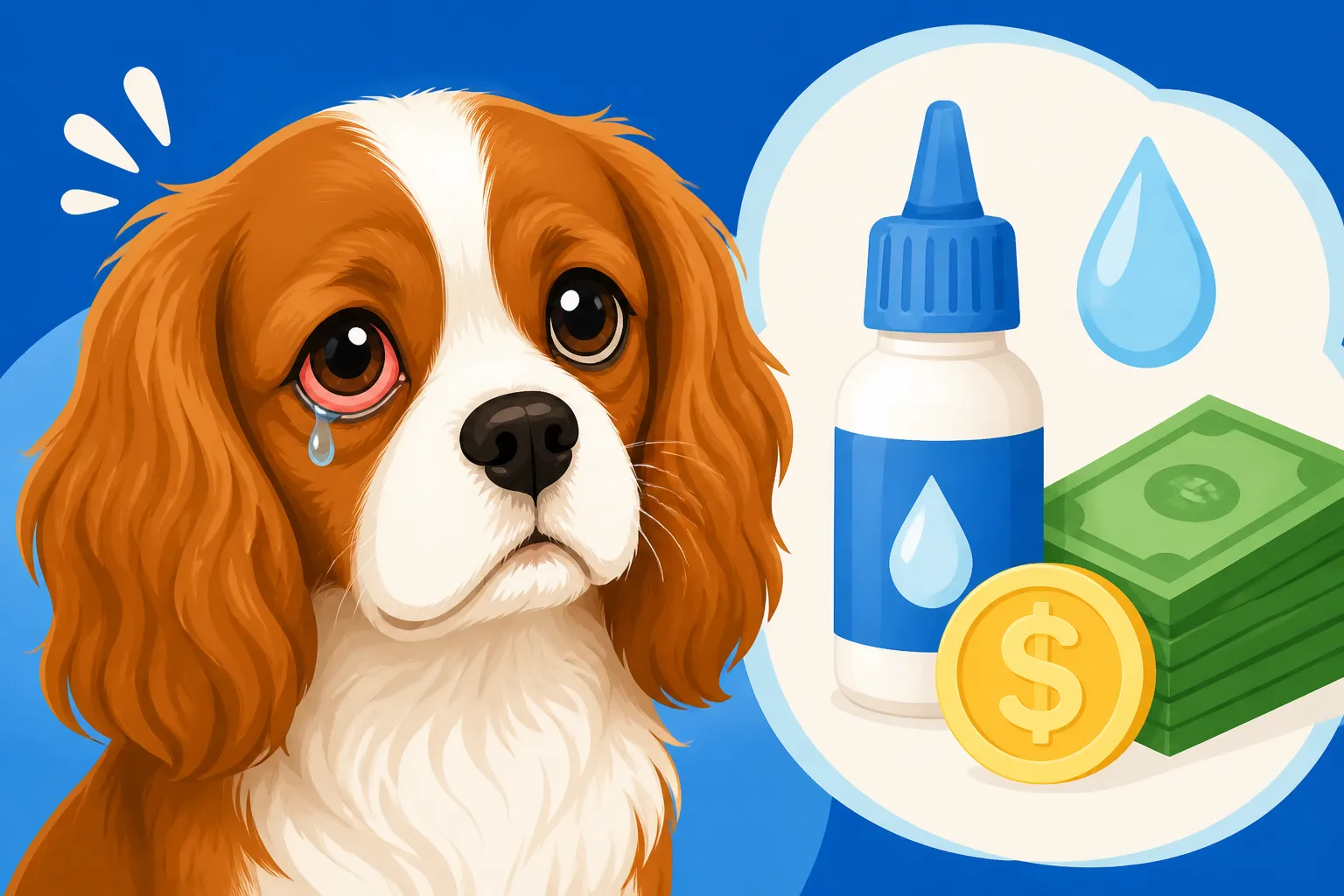
If you're a Cavalier King Charles Spaniel owner, the phrase "dry eye" probably sends a shiver down your spine, or at least causes you to immediately check your dog's perpetually sweet, slightly prominent eyes. It's a common, frustrating, and often painful condition for our beloved pups, and managing it usually means a lifelong commitment to daily eye drops. This guide is here to walk you through what dry eye treatment entails for your Cavalier and, importantly, what those ongoing eye drop costs might look like, so you can plan effectively.
Understanding Cavalier Dry Eye and Its Management
Cavaliers are simply predisposed to a host of eye issues, and dry eye, medically known as Keratoconjunctivitis Sicca (KCS), is high on that list. It's not just a minor irritation; KCS means your Cavalier's eyes aren't producing enough natural tears to keep them lubricated and healthy. This lack of moisture leads to chronic inflammation, discomfort, and can eventually cause serious damage to the cornea, potentially leading to vision impairment or even blindness if left untreated. For us owners, seeing our otherwise joyful Cavalier squint, rub their eyes, or develop thick discharge is heartbreaking, and we just want them to feel better.
Why Cavaliers Are Prone to Dry Eye
The Cavalier King Charles Spaniel's adorable, expressive eyes are unfortunately part of their vulnerability to KCS. Their prominent, large eyes, combined with a genetic predisposition, mean they are far more likely to develop this condition than many other breeds. It’s not uncommon for a Cavalier to be A Cavalier Born Without Tears, a congenital form of KCS, or to develop it as they age, sometimes secondary to other issues like Dry Eye and Curly Coat Syndrome in Cavaliers.
The tear glands simply don't function correctly, or sometimes, the quality of the tears produced isn't good enough. This can happen quite suddenly or develop gradually over time. One day your Cavalier's eyes look bright and clear, and the next, you might notice a dullness, excessive blinking, or that tell-tale thick, yellowish discharge that hints at trouble. It's a constant worry for many Cavalier families, as the genetic lottery can feel particularly cruel with this breed's health issues.
The Lifelong Nature of Dry Eye Treatment
Here’s the tough truth about KCS in Cavaliers: it’s almost always a lifelong condition requiring continuous management. This isn't a "take a course of antibiotics and you're done" situation. Once diagnosed, your Cavalier will likely need daily eye drops for the rest of their life to stimulate tear production, reduce inflammation, and provide lubrication.
Missing a dose, or deciding to skip treatment because things "look better," can quickly lead to a flare-up, increased pain for your dog, and potentially more serious complications like corneal ulcers. It’s a commitment, both in terms of time and finances, that every Cavalier owner with a KCS diagnosis needs to be prepared for. The goal of treatment is not a cure, but rather to keep your Cavalier comfortable, prevent secondary infections, and preserve their precious eyesight. Managing Dry Eye in a Cavalier becomes a regular part of your daily routine, much like feeding them or taking them for a walk.
Initial Diagnosis and Prescription
The first step in tackling dry eye is, of course, a proper diagnosis by your veterinarian. This typically involves a simple, painless test called a Schirmer Tear Test (STT). A small strip of filter paper is placed inside the lower eyelid for a minute, and the amount of moisture absorbed indicates how many tears your Cavalier is producing. If the readings are low, KCS is diagnosed.
Your regular vet can often diagnose and prescribe the initial treatment. However, in more complex cases, or if your Cavalier isn't responding well, you might be referred to a veterinary ophthalmologist – a specialist in animal eye conditions. This initial diagnostic visit, plus the consultation, will be your first set of costs, separate from the eye drops themselves. Once a diagnosis is made, your vet will write a prescription for the appropriate eye drops. You can usually fill this prescription directly at your vet's office, or often, you can request it be sent to a compounding pharmacy or a reputable online pet pharmacy.
Deciphering the Costs of Cavalier Eye Drops
The cost of eye drops for a Cavalier with dry eye can vary significantly depending on the type of medication, where you purchase it, and even the size of the bottle. It’s rarely a one-off payment; think of it as a recurring expense that needs to be factored into your monthly budget.
Types of Eye Drops and Their Price Variances
When it comes to treating KCS, veterinarians typically prescribe one or more types of drops, each with different price points:
- Cyclosporine-based drops (e.g., Optimmune, Tacrolimus): These are often the first line of defense. Cyclosporine is an immunosuppressant that works to stimulate the natural tear glands and reduce inflammation. Branded products, like Optimmune ointment, are often more expensive due to their established name and research backing. However, your vet might prescribe a compounded cyclosporine solution or drops, which can be significantly more affordable. Tacrolimus is another immunosuppressant similar to cyclosporine, often compounded into drops. These compounded options mean a pharmacy custom-makes the medication, often in a liquid form, which can be easier to administer for some owners than an ointment. The price difference between branded and compounded versions can be substantial, making compounded options a lifesaver for long-term budget planning.
- Artificial Tears/Lubricants: While cyclosporine or tacrolimus drops work to produce tears, artificial tears are crucial for immediate comfort and to supplement natural tear production. These are essentially lubricating drops that you can often buy over-the-counter or get a prescription for from your vet. They don't treat the underlying cause of KCS but are vital for keeping the eye surface moist and comfortable. They are generally less expensive than the medicated drops but, again, they are an ongoing cost, especially if your Cavalier needs them multiple times a day.
- Antibiotic/Anti-inflammatory drops: During flare-ups, or if a secondary bacterial infection develops due to the compromised tear film, your Cavalier might also need antibiotic or additional anti-inflammatory drops. These are usually prescribed for a shorter duration but add to the overall cost of treatment during those periods. Corneal Ulcers on Prominent Cavalier Eyes are a serious complication that absolutely warrants these additional medications and closer veterinary supervision.
Factors Influencing Eye Drop Prices
Several factors play into the final price tag you'll see for your Cavalier's eye drops:
- Veterinary Mark-ups vs. Online Pharmacies: Your vet's office might sell the drops directly, which often includes a mark-up to cover their overheads. Many owners find significant savings by getting a prescription from their vet and then filling it through reputable online pet pharmacies. These online retailers often have lower operating costs and can pass those savings on to you. However, always ensure you're using a legitimate, accredited online pharmacy to avoid counterfeit medications.
- Compounding Pharmacies: As mentioned, compounding pharmacies can often prepare custom formulations of medications like cyclosporine or tacrolimus. This can be a boon for managing costs, especially for Prescription Eye Drops for a Cavalier Every Day. They can also sometimes create drops with specific concentrations or in different bases that might be better suited for your Cavalier, though customization can sometimes increase the price for highly specialized requests.
- Dosage and Bottle Size: Pay attention to the size of the bottle and the concentration. Sometimes, a larger bottle might seem more expensive initially, but if it lasts longer, it can be more cost-effective per dose. Always check the expiration date, especially for compounded medications, as they might have a shorter shelf life than commercially prepared ones. If the drops expire before you can use the entire bottle, a larger size isn't a saving at all.
- Geographic Location: Just like many other services and products, the cost of veterinary medications can vary by region. Prices in major metropolitan areas might be higher than in rural ones.
The Hidden Costs: Shipping and Expedited Orders
When ordering eye drops online, don't forget to factor in shipping costs. While some online pharmacies offer free standard shipping for larger orders, if you're only getting a single small bottle, shipping can eat into your savings. More critically, if you suddenly run out of drops and your Cavalier needs them urgently, expedited shipping can be quite expensive. It’s a common frustration when dealing with chronic conditions – life happens, schedules get busy, and suddenly you realize you’re down to the last few precious drops. Planning ahead and ordering well in advance is key to avoiding these unexpected charges.
Here's a simple comparison of different eye drop types:
| Drop Type | Primary Function | Typical Sourcing | General Cost Characteristics (per course/bottle) |
|---|---|---|---|
| Branded Cyclosporine (e.g., Optimmune) | Stimulates tear production, reduces inflammation | Vet or specialized pet pharmacy | Higher upfront, potentially good value per dose |
| Compounded Cyclosporine/Tacrolimus | Stimulates tear production, reduces inflammation | Compounding pharmacy, some vets | Often more affordable, custom concentrations |
| Artificial Tears/Lubricants | Supplements moisture, immediate comfort | OTC, vet, online pet pharmacy | Generally lowest, but adds up with frequent use |
| Antibiotic/Anti-inflammatory (short-term) | Treats secondary infections/flare-ups | Vet, human pharmacy (Rx), online | Variable, episodic cost on top of daily drops |
Strategies for Managing Eye Drop Expenses
Knowing that dry eye treatment is a long-term commitment, it's wise to explore ways to manage the ongoing costs. While we never want to cut corners on our Cavalier's health, being smart about where and how you purchase medications can make a real difference to your budget.
Leveraging Online Pharmacies and Compounding Services
One of the most effective ways to reduce the cost of Prescription Eye Drops for a Cavalier Every Day is to utilize online pet pharmacies and compounding services. After your vet provides the initial diagnosis and prescription, ask if they can send the prescription to an online pharmacy. Many vets are comfortable doing this, as they understand the financial strain chronic conditions can place on pet owners.
Reputable online pharmacies, such as Chewy's pharmacy service, often offer competitive pricing, bulk discounts, and auto-ship options that can save you money and ensure you never run out. Before committing, always check reviews and verify the legitimacy of any online pharmacy. You want to be sure you're getting authentic, safe medication for your Cavalier. Compounding pharmacies specialize in custom-making medications, which can be particularly useful if your Cavalier needs a specific concentration or form of a drug that isn't commercially available or is cheaper when compounded. Establishing a relationship with a good compounding pharmacy can be a real asset for long-term care.
Pet Insurance and Dry Eye Coverage
This is a big one. Pet insurance can be an absolute lifesaver when it comes to managing the costs of chronic conditions like KCS. However, there's a critical catch: most pet insurance policies consider conditions that existed before you enrolled your pet or before the waiting period ended as "pre-existing conditions." This means they likely won't cover treatment for dry eye if your Cavalier was diagnosed before you had insurance or during your policy's waiting period.
The golden rule for pet insurance is to enroll your Cavalier as a puppy, or at least before any symptoms of any potential hereditary conditions, like dry eye or Mitral Valve Disease in the Cavalier King Charles Spaniel, begin to show. If your policy is active and dry eye is a new diagnosis, the costs of eye drops, vet visits, and any related treatments or complications (like corneal ulcers) should be covered, subject to your deductible and reimbursement rate. Companies like Healthy Paws are known for comprehensive coverage, but it's crucial to read the policy details carefully regarding chronic conditions and pre-existing clauses. This also applies to Syringomyelia as a Pre-Existing Cavalier Condition or The Age a Cavalier Murmur Usually Appears, so early enrollment is always the best strategy. Investing in a good policy early can provide immense peace of mind and financial relief over your Cavalier's lifetime.
Budgeting and Long-Term Financial Planning
Given the lifelong nature of KCS treatment, incorporating the cost of eye drops and related vet visits into your monthly or annual budget is essential. Many Cavalier owners find it helpful to set aside a specific amount each month into The Emergency Fund a Cavalier Owner Needs or a dedicated "Cavalier health" savings account. This way, when those prescription refills are due, or if an unexpected vet visit for a dry eye flare-up arises, the funds are already there.
Consider the potential for loyalty programs offered by online pharmacies or your local vet if you consistently purchase from them. Sometimes, signing up for auto-delivery can also net you a small discount. The emotional toll of constantly worrying about medication costs on top of caring for a beloved pet with a chronic condition is real, and proactive financial planning can significantly alleviate some of that stress. Understanding What a Cavalier Costs a Year Before Any Heart Bills gives you a baseline, but chronic conditions inevitably add to that.
Beyond Drops: Related Costs and Considerations
While eye drops are the cornerstone of KCS management, it’s important to remember that dry eye care involves more than just the medication itself. There are other associated costs and considerations that contribute to the overall financial picture of caring for a Cavalier with this condition.
Regular Vet Check-ups and Follow-up Schirmer Tests
Treating dry eye isn't a "set it and forget it" situation. Your Cavalier will need regular check-ups with your general vet, or even an ophthalmologist, to monitor the effectiveness of the drops and to ensure the condition isn't worsening. These follow-up appointments typically include repeat Schirmer Tear Tests to measure tear production, eye exams to check for inflammation or corneal damage, and discussions about your Cavalier's comfort levels.
These routine vet visits come with their own fees, and depending on your vet's recommendation, they might be required every few months initially, then perhaps twice a year once the condition is stable. These costs are separate from the eye drop expenses but are absolutely vital for proper long-term management and to prevent more serious (and more expensive) complications down the road. Just as you'd schedule Annual Cardiologist Exams for a Cavalier if they had a murmur, regular eye checks are paramount for KCS.
Addressing Complications: Ulcers and Infections
Unfortunately, a dry eye often leads to other problems. Without adequate lubrication and a healthy tear film, a Cavalier's cornea is highly susceptible to abrasions, scratches, and bacterial infections. These can quickly escalate into painful corneal ulcers, which are veterinary emergencies.
Treating a corneal ulcer or severe eye infection involves additional medications – often stronger antibiotics, pain relief, and sometimes even a specialized serum made from your dog's own blood. These treatments can be very intensive and expensive, sometimes requiring multiple types of drops given around the clock, plus frequent re-check appointments. In severe cases, surgical intervention might even be necessary. The cost of these complications can easily dwarf the regular monthly cost of eye drops, underscoring the importance of diligent, consistent dry eye management to avoid them.
Other Supportive Therapies and Products
Beyond prescription eye drops, there are other supportive measures and products that some owners use to aid their Cavalier's dry eye comfort and eye health, although these are generally supplementary and not replacements for prescribed medication.
These might include:
- Eye Wipes and Gentle Cleansers: For Cavaliers prone to discharge, special veterinary-approved eye wipes or gentle cleansers can help keep the area around their eyes clean and prevent irritation. This is particularly important for breeds with prominent eyes.
- Humidifiers: In dry climates or during winter months when indoor heating is on, running a humidifier can add moisture to the air, which may provide some minor relief for extremely dry eyes.
- Omega-3 Fatty Acid Supplements: Some veterinarians recommend Omega-3 supplements to support overall eye health and reduce inflammation, though their direct impact on tear production for KCS can vary. Always discuss any supplements with your vet before introducing them.
- Snoods: While primarily to keep their beautiful long ears out of food and water, a snood can indirectly help by preventing food particles or water from getting into the eyes and causing irritation or infection. This isn't a direct treatment for KCS, but it contributes to overall eye hygiene.
These extra measures might not always be medically necessary, but they represent additional optional costs that some owners choose to incur in their holistic approach to caring for their Cavalier's delicate eyes.
Disclaimer
This article is for general informational purposes only and does not constitute professional advice. Laws, prices and regulations vary by location and change over time. Consult a qualified professional for guidance on your specific situation.