Why Cavalier Puppy Teeth Feel Like Needles
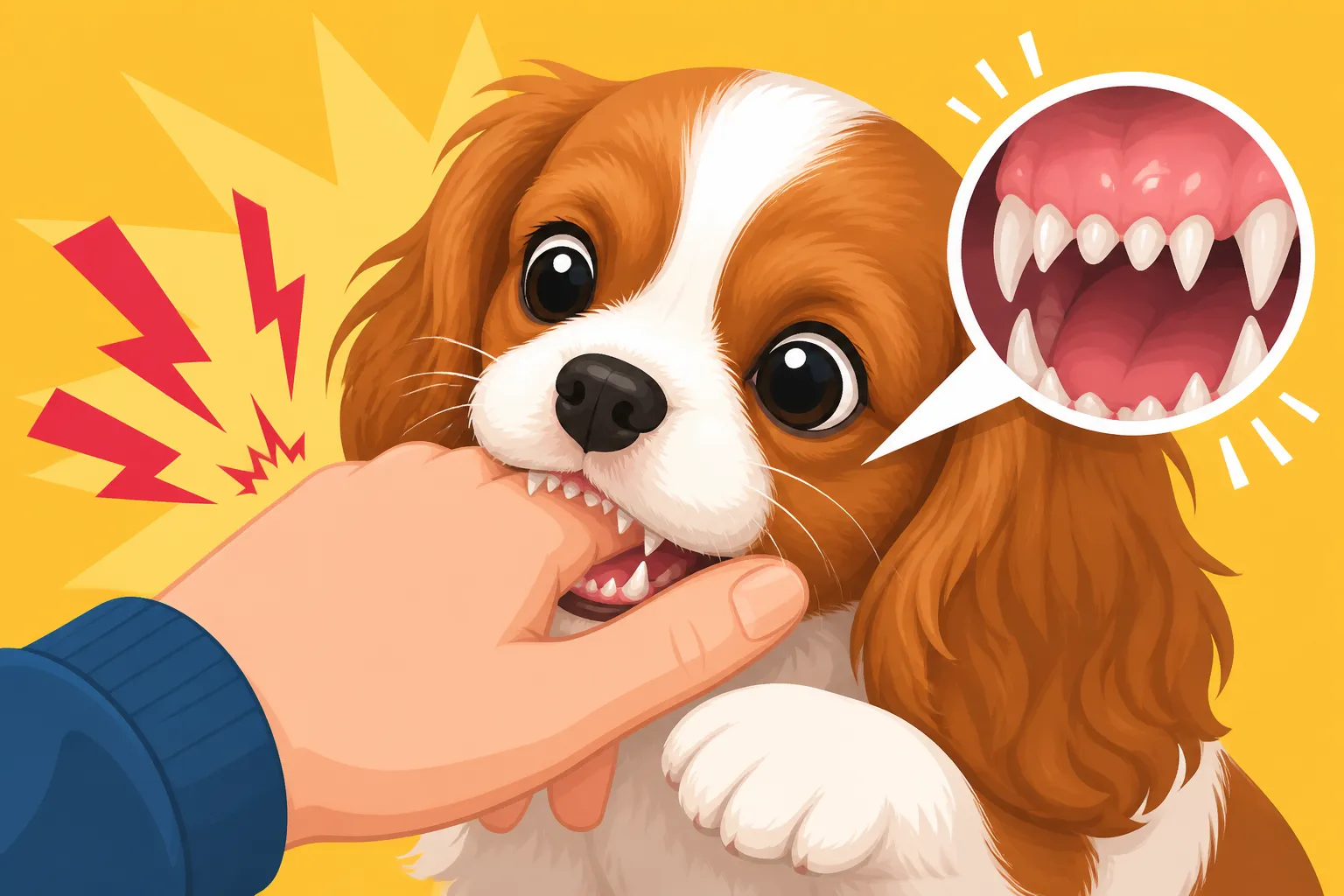
Oh, the joy of a new Cavalier puppy! Those soft, floppy ears, the sweet, soulful eyes, the tiny wagging tail… and then, chomp! — those needle-sharp puppy teeth sink into your hand, and you realize this adorable fluffball comes with its own set of miniature daggers. It’s a frustrating, often painful, rite of passage for every Cavalier owner, and this guide is here to explain exactly why those tiny teeth feel so agonizingly sharp and how you can navigate this notoriously nippy phase.
The Biology Behind Those Tiny, Sharp Teeth
When you first bring home your Cavalier puppy, you're usually met with a bundle of joy and, inevitably, a set of tiny, incredibly sharp teeth. It's a universal experience for puppy owners, but for a breed as gentle and cuddly as the Cavalier King Charles Spaniel, the intensity of those little nips can be quite surprising, even alarming. Understanding the biological reasons behind their sharpness can help you approach this phase with a bit more patience and less personal offense.
Why Puppy Teeth Are So Different from Adult Teeth
Puppy teeth, or deciduous teeth, are quite distinct from the permanent adult teeth that will replace them. They erupt early, usually starting around three weeks of age, well before a puppy is weaned and ready for solid food. These teeth are primarily designed for nursing, allowing puppies to latch firmly onto their mother's teats. Unlike adult teeth, which are deeply rooted and built for grinding and tearing, puppy teeth are temporary. Their roots are much shorter and will eventually be reabsorbed by the body, making it easier for them to fall out as the adult teeth push through.
Think about it: a nursing mother needs her pups to be able to feed effectively, but not with teeth that could cause severe damage. The design of puppy teeth, therefore, is a bit of a paradox – sharp enough to hold, but not necessarily to inflict deep wounds, at least not intentionally. However, when those teeth connect with human skin, the experience is decidedly different. A puppy's jaw is also still developing, meaning the biting force isn't as immense as an adult dog's, but the sheer piercing ability of those tiny, pointed cusps more than makes up for it in the initial months. The thinner enamel layer on puppy teeth also contributes to their sharpness, as there's less "blunting" material covering the delicate points. This means when your Cavalier puppy accidentally nips you during an overenthusiastic play session, it’s not the same dull thud you might feel from an adult dog; it’s a quick, piercing sting that definitely gets your attention.
The "Needle" Analogy: More Than Just Hyperbole
The description of puppy teeth as "needles" isn't just an exaggeration born of pain; it's quite accurate from a tactile perspective. Imagine a miniature set of dental instruments, each ending in a fine, pointed tip. That’s essentially what you're dealing with. The sharpness comes from their specific structure: they are small, numerous, and incredibly fine at the tip, designed to pierce rather than crush. When these teeth make contact with human skin, they don't tear or pull; they puncture. This creates a sensation that is remarkably similar to being pricked by a needle.
Consider the surface area: a large, flat tooth would distribute pressure over a wider area, feeling more like a blunt force. Puppy teeth, however, concentrate all their force onto a tiny point. Even with relatively little pressure, this concentrated force is enough to penetrate the skin and elicit a sharp, yelp-worthy reaction. This is particularly true for breeds like the Cavalier, who have a relatively small jaw, meaning these needle-like teeth are packed into a smaller space. When a Cavalier puppy playfully lunges and "misses" the toy, catching your finger instead, that unexpected sting is a testament to the efficient design of those temporary teeth. It's not malicious, it's just physics – a small force applied to a very small point creates a high amount of pressure, making even an innocent nip surprisingly painful.
Understanding the Puppy Biting Phase in Cavaliers
Every puppy goes through a biting phase, but it can feel particularly pronounced with Cavaliers, perhaps because their general demeanor is so sweet and gentle that the sharp nips come as more of a shock. This period of intense mouthing and nipping is a completely normal part of their development, driven by both curiosity and physical discomfort.
Normal Puppy Behavior and Exploration
For a young Cavalier puppy, their mouth is their primary tool for exploring the world around them. Much like human babies use their hands to grasp and explore objects, puppies use their mouths. Everything new is sniffed, licked, and, most importantly, tasted and chewed. This isn't aggression; it's simply how they learn about textures, shapes, and their environment. When your puppy mouths your hands, feet, or clothing, they're not trying to hurt you; they're trying to understand what you are and how you react.
This exploratory mouthing is also deeply rooted in their play behavior with littermates. Puppies learn about bite inhibition from each other. When one puppy bites another too hard, the bitten puppy will yelp, and play will stop, teaching the offender to moderate their bite pressure. This is a crucial part of their socialization, and it's a lesson we, as human owners, need to continue teaching. So, when your Cavalier puppy is playing tug-of-war with your sleeve or nipping your ankles as you walk by, remember that they're just engaging in natural puppy play. It's our job to guide them on what's appropriate to chew and how much pressure is acceptable.
The Teething Process and Its Discomfort
Beyond exploration, a major driver of puppy biting is the teething process itself. Just like human babies, puppies experience discomfort as their baby teeth fall out and their permanent adult teeth erupt. This typically starts around three to four months of age and can continue until they are six or seven months old. During this time, their gums can become sore, swollen, and itchy, leading to an intense urge to chew on anything and everything to relieve the pressure and discomfort.
You might notice your Cavalier puppy suddenly becoming more frantic in their chewing, or even finding tiny, rice-grain sized teeth around your house – these are usually molars or incisors that have fallen out. The discomfort can make them irritable, and the desire to chew becomes almost insatiable. This is when your furniture, shoes, and even your hands become prime targets. Providing a variety of appropriate chew toys is absolutely essential during this phase. Without good outlets, your puppy will find their own, and trust me, you probably won't like their choices! Items specifically designed for teething puppies, offering different textures and levels of firmness, can be a godsend. For more on this, you might find What a Teething Cavalier Can Safely Gnaw incredibly helpful.
Here's a general timeline for a Cavalier puppy's dental development:
| Age Range | Dental Development | Behavioral Notes |
|---|---|---|
| Birth – 2 Weeks | No visible teeth. | Puppies nurse exclusively. |
| 2 – 4 Weeks | Incisors begin to erupt, followed by canines. | Start exploring surroundings, still nursing. May gently mouth littermates. |
| 4 – 6 Weeks | Premolars emerge. All 28 puppy teeth are usually in. | Start weaning onto solid food. Intense play with littermates and more pronounced nipping. |
| 8 Weeks – 3 Months | All puppy teeth are present and very sharp. | Peak of "needle teeth" phase. Mouthing, nipping, exploring. |
| 3 – 6 Months | Puppy teeth fall out; adult incisors, canines, and premolars erupt. | Intense chewing to relieve gum discomfort. May find tiny teeth around the house. |
| 6 – 8 Months | Molars erupt. All 42 adult teeth are usually in. | Teething phase typically ends. Continued need for appropriate chew outlets. |
Why Cavaliers Seem Especially Mouthy (and How to Redirect It)
While all puppies go through a biting phase, Cavalier owners sometimes feel their little darlings are particularly prone to nipping. It’s a common frustration, especially given the breed’s reputation for being gentle. But there are very good reasons for this, and even better ways to manage it.
The Cavalier's Gentle Nature vs. Puppy Instincts
It’s easy to feel a bit betrayed when your sweet, cuddly Cavalier puppy suddenly transforms into a "land shark" with teeth that feel like a thousand tiny needles. Cavaliers are renowned for their affectionate, docile, and gentle nature, making them wonderful family companions. So, when those sharp nips come flying, it can be quite surprising and even lead owners to worry if their puppy is "different" or "aggressive." Rest assured, it’s rarely anything of the sort. This intense biting phase is simply strong puppy instinct temporarily overshadowing their inherent sweetness.
The contrast between their adult temperament and their puppy biting can make the phase feel more pronounced. You expect a calm, loving lapdog, and instead, you get a playful, mouthy whirlwind. This just highlights how crucial it is to teach bite inhibition early on. Your Cavalier wants to please you and wants to be gentle; they just haven't learned how yet in human terms. They're still communicating and exploring the world in the way they know best – with their mouth. It’s a testament to their trainable nature that with consistent, kind guidance, they do transition into the gentle companions we adore.
Effective Biting Inhibition Techniques
The goal isn't to stop your Cavalier puppy from using their mouth entirely – that’s an impossible and unnatural expectation. Instead, the aim is to teach them "bite inhibition," meaning they learn to control the pressure of their bite and understand that human skin is sensitive. This lesson is critical, not just for your comfort now, but for their safety and the safety of others as an adult. A dog that knows how to inhibit its bite, even if startled or stressed, is much safer than one that hasn't learned this important skill.
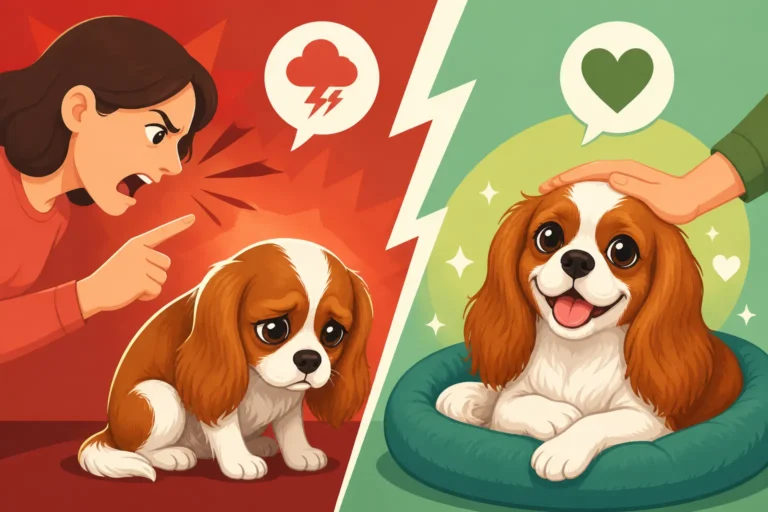
One of the most effective techniques mimics what puppies learn from their littermates: the "yelp" method. When your Cavalier puppy bites you too hard, immediately let out a sharp, high-pitched "yelp!" just like a puppy would. Then, immediately withdraw your hand and stop playing for 10-20 seconds. If the puppy tries to re-engage, turn your back, cross your arms, or even calmly leave the room. The key is to communicate that painful biting means play stops immediately. Consistency is vital. Every member of the family must apply this technique every time. Over time, your puppy will learn to associate hard bites with the cessation of fun and will start to moderate their pressure. Remember, it's a marathon, not a sprint. This process takes time and repetition, but it’s foundational. If you're struggling with excessive vocalizations, techniques that teach your dog to be quieter can sometimes indirectly help, such as those found in Teaching a Cavalier to Stop Barking on Cue.
Providing Appropriate Chew Outlets
While teaching bite inhibition, it's equally important to provide your Cavalier puppy with plenty of appropriate things to chew on. They have a natural, strong urge to chew, especially during teething, and if you don't give them approved options, they will absolutely find their own (and trust me, it’s usually your most expensive shoes or beloved chair leg). Having a variety of safe, durable chew toys readily available is not just a convenience; it's a necessity for redirecting that powerful chewing instinct.
Look for chew toys of different textures and hardness. Soft rubber toys can be soothing for sore gums, while firmer nylon or dental chews can satisfy the urge for a more substantial chew. Toys that can be stuffed with treats, like KONGs, are fantastic because they engage your puppy mentally as well as physically, keeping them occupied for longer periods. Rotating toys can also keep things fresh and exciting, preventing your puppy from getting bored with the same old options. I always recommend checking out online retailers like Amazon for a wide selection of chew toys designed for puppies; you can find everything from dental chews to puzzle toys that cater to different chewing styles and needs. Make sure all toys are appropriately sized for a Cavalier puppy – not too small to be a choking hazard, but not so large they can't comfortably chew them.
Managing the Environment for a Biting Cavalier Puppy
Dealing with a nippy Cavalier puppy isn't just about training them; it's also about managing their environment to prevent problems before they start and setting them up for success. A well-managed home can significantly reduce opportunities for unwanted biting and chewing.
Puppy-Proofing Your Home
Just as you would child-proof a home for a toddler, you need to puppy-proof for your Cavalier. Their inquisitive nature, combined with those sharp little teeth and an insatiable desire to chew, means almost anything left within reach is fair game. This proactive approach saves you headaches (and damaged belongings) and keeps your puppy safe from ingesting harmful items.
Start by getting down on your hands and knees and looking at your home from your puppy’s perspective. What looks tempting? Electrical cords are a major hazard – they can cause burns, shocks, or even electrocution if chewed. Secure them, use cord protectors, or keep them completely out of reach. Remove small items that could be choked on or swallowed, like coins, small toys, hair ties, or loose game pieces. Protect furniture legs with bitter apple spray or by covering them. Keep shoes, remote controls, books, and anything else of value stored away or on high shelves. Remember, a bored or uncomfortable puppy will find something to chew, so making sure the only things they can access are appropriate chew toys is crucial.
Using Management Tools and Supervision
Constant, direct supervision is wonderful, but it's simply not realistic for most households. This is where management tools become your best friends. Crates and playpens are invaluable for managing a Cavalier puppy, especially when you can't give them your undivided attention.
A crate, when introduced properly and positively, becomes your puppy’s safe den. It’s a place where they can relax, sleep, and chew on their approved toys without getting into trouble. It also helps immensely with potty training. When your puppy is in their crate, you know they're not chewing on forbidden items or having accidents. Playpens offer a larger, contained space where your puppy can play freely with their toys while still being safely confined. This allows you to go about your daily tasks, knowing your puppy is safe and not destroying your home. Never use a crate or playpen as punishment; they should always be associated with positive experiences. For tips on choosing the right setup, you can refer to Choosing a Crate a Cavalier Will Rest In. When your puppy is out and about, be vigilant. Learn to anticipate when they might be about to nip or chew on something inappropriate and redirect them immediately to an approved toy.
Incorporating Training into Playtime
Playtime with your Cavalier puppy isn't just for fun; it's a golden opportunity for training. Integrating simple commands into your games can build excellent habits and reinforce your puppy's understanding of appropriate behavior. This includes teaching them what they can and cannot chew on, and how to release items gracefully.
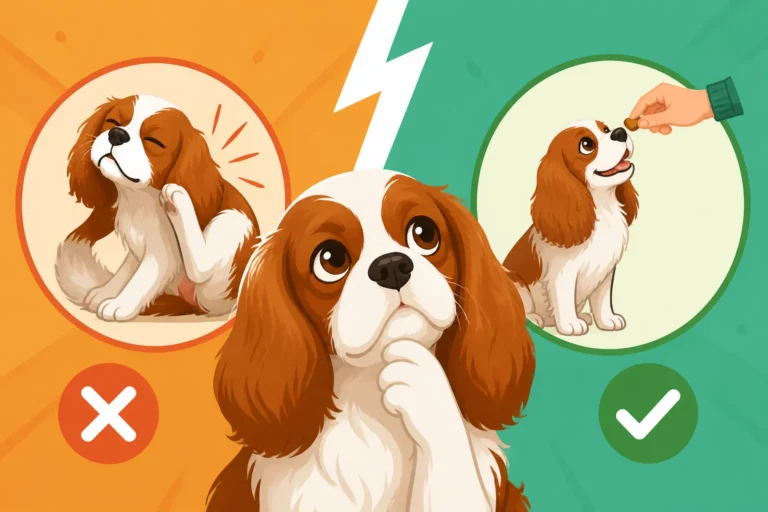
Commands like "leave it" and "drop it" are incredibly useful during the nippy phase. When your puppy mouths your hand, say "leave it" and immediately redirect them to a toy. When they take the toy, praise them enthusiastically. For "drop it," offer a high-value treat in exchange for them releasing a toy or something they shouldn't have. With consistent practice, they'll learn that letting go of something unwanted leads to something better. Keep training sessions short, fun, and positive – just five minutes here and there can make a huge difference, as detailed in Five-Minute Training Sessions With a Cavalier. This teaches impulse control and strengthens your bond, ensuring your Cavalier learns to respond to your cues even when their puppy instincts are strong. If you're looking for structured guidance, online platforms like BAXTER & Bella offer comprehensive training programs that can walk you through these commands and more, making it easier to integrate training into your daily routine.
When Puppy Biting Becomes More Than Just Normal
While puppy biting is a normal and expected part of development, there are times when it might cross the line from playful mouthing to something more concerning. It’s crucial for Cavalier owners to be able to distinguish between typical puppy behavior and signs that might require professional intervention.
Distinguishing Normal Mouthing from Aggression
Most puppy nips are not aggressive in nature; they are exploratory, playful, or a result of teething discomfort. These nips are usually accompanied by a relaxed body posture, a wagging tail, play bows, and soft, loose movements. The intensity of the bite might vary, but there's typically no growling, snarling, or stiffening of the body that would indicate true aggression. Your puppy might playfully "attack" your feet or hands, but they're still inviting interaction, even if their methods are a bit painful.
True aggression in a puppy, while rare, would manifest with different body language. Look for signs such as a stiff body, ears pinned back, a low growl or snarl, raised hackles, a hard stare, or snapping with the intent to harm rather than to play. If your Cavalier puppy consistently draws blood, bites without any prior warning, or shows signs of fear or defensiveness when you try to interact with them, particularly around food or toys (resource guarding), then it's time to take it seriously. It’s important to remember that even if it's not aggression, persistent, uncontrolled biting can become a major problem as the dog matures.
Seeking Professional Help
If you've consistently applied bite inhibition techniques, provided ample chew outlets, and managed their environment, but your Cavalier puppy's biting remains excessively hard, frequent, or shows any signs of aggression, it’s absolutely time to seek professional help. Don't wait, hoping they will "grow out of it." Early intervention is key to addressing behavioral issues effectively.
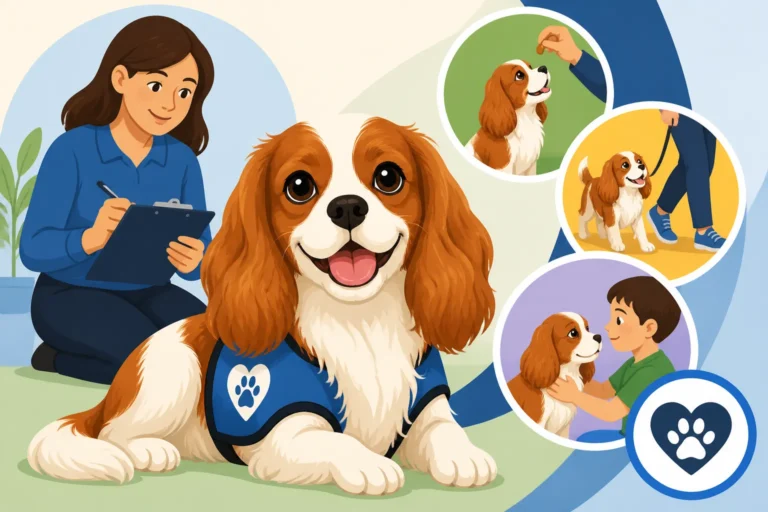
A certified professional dog trainer or a veterinary behaviorist can assess your puppy's behavior in person, identify underlying causes, and develop a tailored training plan. They can help you refine your techniques, teach you how to read your puppy's body language more accurately, and ensure you're not inadvertently reinforcing unwanted behaviors. Sometimes, what seems like aggression can be rooted in fear, pain, or frustration, and a professional can help unravel these complexities. Investing in this kind of guidance early on can prevent minor puppy problems from escalating into significant behavioral challenges as your Cavalier matures. For concerns about more complex behavioral issues, consulting professionals is always recommended, and services related to addressing specific anxieties, such as Trainer Rates for Cavalier Separation Anxiety, can be a good starting point for professional guidance.
Transitioning to Adult Teeth and Beyond
The "needle teeth" phase with your Cavalier puppy feels like an eternity when you're in the thick of it, but thankfully, it's a temporary stage. As their adult teeth emerge, the dynamics of their mouth changes, but the lessons you teach during puppyhood will carry through for a lifetime.
The Grand Teething Phase: What to Expect
The period when your Cavalier puppy actively sheds their baby teeth and grows in their permanent ones is often called the "grand teething phase." This usually begins around three to four months of age and can last until six to seven months. During this time, you might find tiny puppy teeth on the floor, in their bedding, or even stuck to a chew toy. More often than not, though, your puppy will simply swallow them while eating or chewing, which is perfectly normal.
The signs of active teething include increased chewing, drooling, possibly some mild gum bleeding (though this is less common and usually not visible), and sometimes a slight decrease in appetite due to gum soreness. You might also notice a bit of bad breath, affectionately known as "puppy breath," which can intensify during this phase. It's crucial to continue providing appropriate chew toys that are soothing for their sore gums. Freezing kongs stuffed with wet food or plain yogurt can offer immense relief, as the cold helps numb the discomfort. By about seven to eight months, most Cavaliers will have their full set of 42 adult teeth, and the intense, sharp puppy biting should subside significantly. You can often tell when your Cavalier is approaching their full adult size, which usually aligns with the end of this teething period. For more details on growth, check out The Age a Cavalier Reaches Full Size.
Continuing Good Habits into Adulthood
Just because the "needle teeth" are gone doesn't mean the work is over! The habits you establish during puppyhood are incredibly important for your adult Cavalier. You want them to continue understanding appropriate chewing behavior and maintaining gentle mouth manners. Even an adult Cavalier might playfully mouth your hand, but by now, they should know to do so with very soft pressure, a direct result of the bite inhibition training you provided.
Continue to provide a variety of appropriate chew toys throughout your Cavalier's life. Chewing is a natural and beneficial behavior that helps keep teeth clean, provides mental stimulation, and can reduce stress. If you stop offering chew toys, an adult dog might revert to chewing on inappropriate items out of boredom or habit. Regularly reinforce "leave it" and "drop it" commands, and engage in positive, reward-based training to keep their skills sharp and strengthen your bond. Consistent, gentle handling exercises will also help them remain comfortable with being touched and examined, which is vital for grooming and vet visits.
Dental Health Considerations for Adult Cavaliers
Once your Cavalier's adult teeth are fully in, shifting your focus to their ongoing dental health is paramount. Small breeds like Cavaliers are particularly prone to dental disease. Their smaller jaws often mean their teeth are crowded, creating more crevices for plaque and tartar to accumulate. This crowding can lead to faster buildup, gum disease, and ultimately, tooth loss if not addressed.
Regular dental care for your adult Cavalier should include daily tooth brushing with a dog-specific toothpaste, regular dental chews, and routine veterinary dental check-ups. Your vet will recommend professional dental cleanings under anesthesia as needed, which involve scaling away tartar and polishing the teeth above and below the gumline. Ignoring dental health can lead to significant pain, infection, and even impact systemic health, as bacteria from dental disease can enter the bloodstream. It might seem daunting, but proactive dental care is one of the best investments you can make in your Cavalier's long-term health and comfort. You can learn more about specific challenges with this breed in Cavalier Dental Disease in a Crowded Jaw.
Disclaimer
This article is for general informational purposes only and does not constitute professional advice. Laws, prices and regulations vary by location and change over time. Consult a qualified professional for guidance on your specific situation.