Why a Cavalier Comes Back Slowly
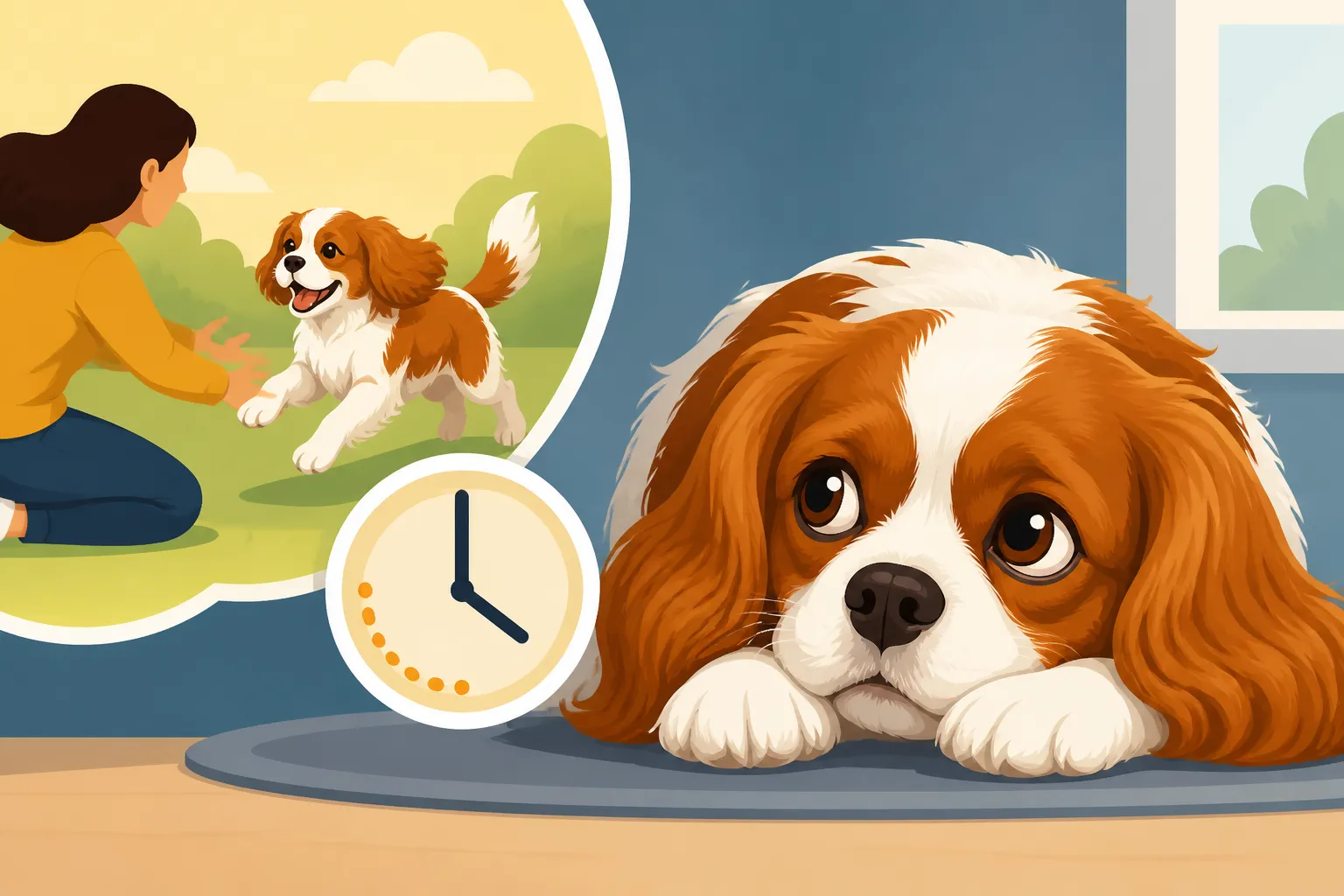
It can be incredibly frustrating when you call your sweet Cavalier King Charles Spaniel, expecting them to bound back to you with enthusiasm, only for them to take their sweet time, meander, sniff a dozen more blades of grass, and eventually, maybe, saunter back at their own leisure. This isn't just annoying; it can be downright dangerous. This guide will dive deep into the many reasons why your beloved Cavalier might be coming back slowly and offer practical, empathetic advice to improve their recall.
The Cavalier's Natural Instincts vs. Urgent Recall
Cavaliers are charming, affectionate dogs, but their history as companion spaniels means they have a unique blend of traits. While they are famously devoted to their humans and often described as "Velcro dogs" indoors, outdoors, a different set of instincts can take over, making a swift recall a real challenge. It's not that they're being stubborn or defiant; it's often a conflict of priorities based on their inherent nature.
The Spaniel Sniffer at Work
Let's face it, Cavaliers have noses. Not quite a Bloodhound's, but certainly keen enough to pick up a symphony of scents in any outdoor environment. Their spaniel heritage means they were originally bred to flush birds, following scent trails with dedicated focus. Even though today's Cavaliers are far removed from field work, that instinct to investigate intriguing smells is still very much alive.
Imagine walking your Cavalier in a park. To you, it's a pleasant stroll. To your Cavalier, it's a giant olfactory buffet. The faint trace of a squirrel that ran past hours ago, the lingering scent of another dog's pee-mail, the intriguing aroma of a discarded snack wrapper – each of these is a story, a puzzle, a compelling mystery that demands their full attention. When you call their name, they hear you, yes, but often it's competing with an invisible, fascinating world under their nose. Their instinct tells them to follow the scent, not to interrupt their investigation for a human voice, no matter how much they love you. This isn't malicious; it's just pure, unadulterated dog. It's why Why a Cavalier Follows a Scent is such a strong motivator for them.
"Velcro Dog" at Home, Explorer Outdoors
We all know the affectionate "Velcro dog" reputation Cavaliers have. They stick to us like glue, following us from room to room, happily snuggled on the sofa. This intense bond is one of their most endearing qualities. However, this same devotion, ironically, can sometimes make recall less urgent for them in certain situations. When they're off-leash in a new or exciting environment, the world becomes a giant, fascinating playground. Their natural curiosity kicks in, and they might feel less compelled to return immediately because they know you're always there, always waiting, and always loving.
They might be thinking, "Oh, Mom's calling. She'll still be there in a minute after I check out this interesting patch of grass." They don't perceive the same urgency we do regarding safety or the need to move on. Their bond is so strong that they take your presence for granted. This isn't a sign of disrespect; it's a reflection of their deep trust and comfort with you. The challenge lies in teaching them that while you are always there, coming back promptly when called is a non-negotiable part of their safety and your partnership. Understanding Why a Cavalier Follows You Room to Room can help you see this dynamic from their perspective.
Common Training Mistakes That Slow Down Recall
Sometimes, the reasons for a slow recall aren't entirely down to your Cavalier's breed instincts. Our own training methods, or lack thereof, can inadvertently contribute to the problem. It's easy to fall into habits that weaken the "come" command, making it less appealing or urgent for your dog.
Lack of Motivation and High-Value Rewards
Let's be brutally honest: if coming back to you means the exciting sniffing stops and they get a bland piece of kibble, why would they rush? For a Cavalier, especially outdoors, the environment is full of incredibly high-value rewards – exciting smells, other dogs, interesting sights. Your reward needs to be even better than all of that if you want them to choose you. This is where many owners unintentionally fail.
Think about it from your Cavalier's perspective. They're halfway across the park, captivated by a trail, and you yell "Come!" If they eventually wander back and get a lukewarm "Good boy" and a dry treat, they haven't learned that coming back is the absolute best thing ever. To a Cavalier, "best thing ever" often means something truly delicious and unique. Small pieces of cooked chicken, cheese, or specialized training treats are often far more motivating than their regular kibble. The value of the reward must constantly outweigh the value of the distraction. For example, you can find a huge variety of high-value training treats on Amazon that can make a huge difference in your recall training. The key is to make coming back a consistently fantastic experience, not just an interruption.
Inconsistent Practice and Generalization Gaps
Recall isn't a command you teach once and then expect perfection. It requires consistent, varied practice. A common mistake is only practicing recall when it's genuinely urgent or when your Cavalier is highly distracted. This teaches them that "come" is usually associated with the end of fun, or that they only really need to respond when you're clearly frustrated or worried.
Another issue is what trainers call "generalization gaps." Your Cavalier might have a fantastic recall in your quiet backyard, but completely ignore you at the busy dog park. This isn't defiance; it's simply that they haven't learned that "come" means the same thing in all environments, with all distractions. You need to gradually introduce distractions, starting small and building up. Practice in different locations, at different times, and with varying levels of ambient noise. Consider online resources or programs, such as those offered by BAXTER & Bella, which often emphasize building consistent foundational skills in a variety of settings before tackling high-distraction areas. Regularly calling your Cavalier for no reason, rewarding them lavishly, and then letting them go back to what they were doing helps build a positive association and makes recall a game, not a chore. This frequent, low-pressure practice is essential for building a reliable, speedy recall.
Punishment and Negative Associations
This is a critical point that many well-meaning owners overlook. If your Cavalier associates coming to you with anything negative, their recall will suffer. This could include:
- Scolding: If you call your dog, and when they finally arrive, you scold them for taking too long or for something they did before they came, you've just poisoned the recall. They will learn that coming to you leads to an unpleasant experience.
- Ending Fun: Constantly calling your Cavalier only to put them on a leash and go home teaches them that "come" means the fun is over. They'll naturally delay their return to prolong the good times.
- Medical Procedures: If you only call them to give them medication, trim nails, or go to the vet (especially if it's an unpleasant experience), they can start to avoid coming when called.
Every time you say "come," it should be followed by something overwhelmingly positive. If they took their sweet time, resist the urge to show your frustration. Reward their arrival, no matter how slow. Then, if you need to leash them, make it part of a fun routine, not an abrupt end to their freedom. Use a long line for safety during practice so you can ensure they always physically make it back to you, preventing them from "getting away with" ignoring the command. A strong, positive recall is built on trust and consistent positive reinforcement.
Environmental Factors and Distractions
The environment your Cavalier is in plays a huge role in how quickly they respond to your call. What might be a minor distraction for some breeds can completely captivate a Cavalier. Recognizing these environmental pressures is key to understanding why they might be dragging their paws.
Overwhelming Outdoor Environments
Cavaliers are generally adaptable dogs, but a bustling park, a new trail with myriad smells, or an area with lots of people and other dogs can be incredibly stimulating, sometimes to the point of being overwhelming or just too interesting. Their inherent biddability and desire to please might be there, but it's competing with a sensory overload.
Imagine a busy city park during peak hours. There are children screaming, bikes whizzing by, other dogs barking, and an endless tapestry of smells. For a sensitive Cavalier, this environment is a full-on concert for their senses. Each new sight, sound, or smell can pull their attention in a different direction. Your voice, even if it's familiar and comforting, might just become one more sound in a cacophony of exciting stimuli. It's not that they don't hear you; it's that the cognitive load of processing everything else makes it hard to filter your command as the most important one. This is why gradual exposure and practice in increasingly distracting environments are so crucial for building a solid recall. You want them to learn to prioritize your voice even amidst the chaos.
Prey Drive and Tempting Critters
While not typically known for a high prey drive like some terrier breeds, Cavaliers are still spaniels. That means they have an innate instinct to chase small, fast-moving things. A fluttering bird, a scurrying squirrel, or even a leaf blowing erratically can trigger this chase response, sending them off on an uninhibited dash. When that instinct kicks in, it's incredibly powerful and can override almost any learned command, especially if the recall isn't rock-solid.
A Cavalier might be merrily sniffing along, then suddenly spot a squirrel dart up a tree. In that moment, their brain switches from "companion dog" to "hunter mode." The urge to pursue is primal. Your call might register, but the thrill of the chase is far more compelling. This is where safety measures like long lines are indispensable. If you know your Cavalier has a tendency to bolt after critters, never let them off leash in an unsecured area. Work on recall in a fully fenced space or with a very long training leash, gradually increasing the distractions. Practicing The Bird Chase a Cavalier Cannot Resist in a controlled manner can actually help you reinforce recall when that drive takes over.
Health and Comfort as Underlying Issues
Sometimes, a sudden or gradual slowing of recall isn't about training or distraction; it could be a subtle sign that your Cavalier isn't feeling 100%. Dogs are incredibly good at hiding pain or discomfort, and a reluctance to move quickly or respond promptly can be one of the first indicators.
Underlying Pain or Discomfort
If your Cavalier, who once had a decent recall, suddenly starts coming back slower, appearing hesitant, or even yelping when you reach for them, it's time to consider physical discomfort. Pain can make any movement less appealing, and rushing back to you, especially if it involves changing direction quickly or running across uneven terrain, might be painful. Cavaliers are predisposed to certain conditions that can cause chronic pain.
For instance, Syringomyelia and Chiari Malformation in Cavaliers can cause severe neck and back pain, making any sudden movement or even head position uncomfortable. Similarly, joint issues like Cavalier Knees, Hips and Joint Problems or early arthritis can make running difficult. If a dog is hurting, their priority shifts from pleasing you to protecting themselves. They might still want to come to you, but their body is telling them to slow down. If you notice a change in your Cavalier's enthusiasm or speed, especially if it's accompanied by other subtle behavioral changes like reluctance to jump, sleeping with their head raised, or A Cavalier That Yelps When Picked Up, a vet check-up is absolutely essential to rule out any underlying medical conditions.
Hearing Loss or Age-Related Changes
As Cavaliers age, like all dogs, they can experience a decline in their senses, including hearing. If your senior Cavalier suddenly seems to be ignoring your calls, it might not be intentional defiance; they simply might not be hearing you as clearly as they once did. This is particularly noticeable outdoors where ambient noise can further mask your voice.
Age can also bring a general slowing down. Older Cavaliers might have less stamina, stiffer joints, or just a lower overall energy level. Even if they hear you and want to come, their physical ability to bound back like a puppy might be diminished. This is a natural part of aging and requires patience and understanding. When caring for an older Cavalier, adjust your expectations. Use visual cues in conjunction with verbal commands, or consider a long line for safety if their hearing is compromised. Caring for a Cavalier Past Nine often involves adjusting expectations and providing support for their changing physical needs.
A slowing recall in an older Cavalier should always prompt a veterinary visit to differentiate between normal aging and an underlying health issue. The vet can check their hearing, assess for pain, and help you develop a plan to keep your senior dog comfortable and safe.
Strategies to Improve a Cavalier's Recall Speed
Now that we've explored the "why" behind a slow recall, let's talk about practical "how-to" strategies. Improving recall with a Cavalier often comes down to making it the most rewarding and clear choice for them, every single time.
Make Yourself More Exciting Than the Environment
This is the golden rule of recall for any dog, but especially for a Cavalier who can get so engrossed in their surroundings. You need to become the most exciting thing in the park, more interesting than that fascinating smell, more fun than chasing a bird, and more appealing than another dog.
How do you do this?
- High-Value Rewards: As mentioned, skip the bland kibble. Use tiny, irresistible treats. Think cooked chicken, hot dogs, cheese, or specialized high-odor training treats. Rotate them so your Cavalier never knows what amazing thing they might get. You can purchase these in bulk from places like Amazon to ensure you're always stocked.
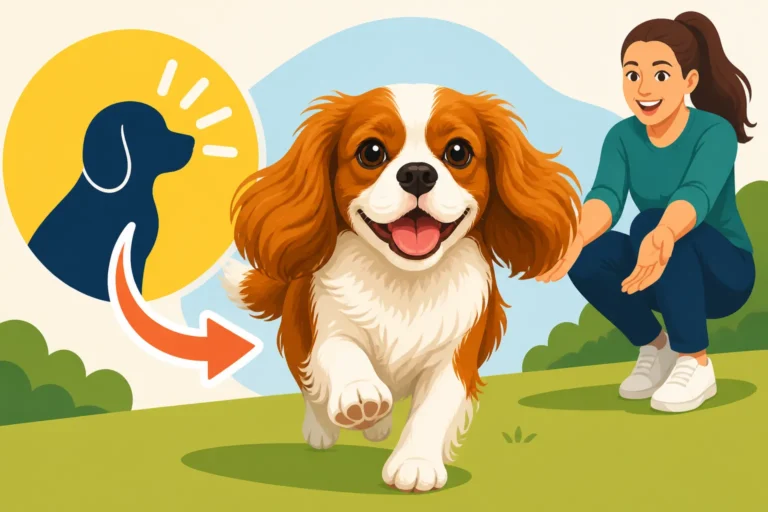
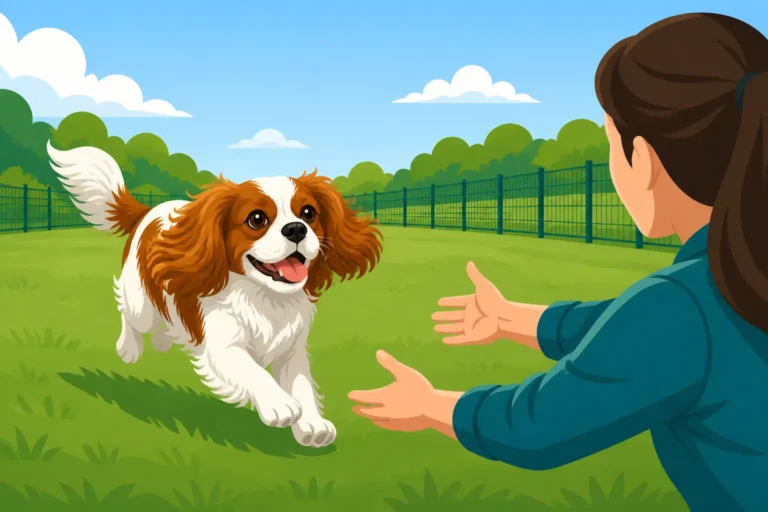
- Enthusiasm: When you call, make it sound like the most exciting event of their life! Use a happy, high-pitched voice. Don't just grunt "Come." Say "Fido, YAY! Come! Come, come, come!" Make your body language inviting – squat down, open your arms, and act like you're about to throw a party.
- The "Jackpot" Reward: Sometimes, give an unexpected "jackpot" reward – a handful of treats, or an extra-long game of tug. This teaches them that coming to you can occasionally lead to an extraordinarily good payoff, making them more likely to take a gamble on returning quickly.
- Run Away: Instead of standing still, call them and then immediately turn and run a few steps in the opposite direction. This taps into their chase instinct and makes it a fun game to catch you.
Consistent Positive Reinforcement and Practice
Consistency is king. A recall command isn't just for emergencies; it's a command that should be practiced regularly, even daily, in various contexts.
- Start Simple: Begin practicing in a quiet, distraction-free environment, like your living room or a securely fenced yard. When they come, reward them enthusiastically.
- Gradual Distractions: Once they're consistent in a low-distraction setting, gradually introduce more distractions. Take them to a slightly busier park, or have a friend stand nearby. Always set them up for success, never asking for a recall you're not confident they can achieve.
- Random Rewards: Don't just reward them when they come fast. Reward them every time they come, even if it's slow. Then, occasionally, throw in an extra big reward for those speedy returns. This reinforces the behavior without punishing the slower ones.
- "Check-Ins": During walks, occasionally call your Cavalier, reward them, and then immediately tell them "Go play!" and let them continue sniffing. This teaches them that coming to you doesn't always mean the fun ends. It encourages Rewarding a Cavalier for Checking In.
- Long Line Training: A long line (15-30 feet) is an invaluable tool. It allows your Cavalier to explore safely while giving you control to enforce the recall. If they ignore you, gently reel them in while repeating your command. When they reach you, reward them lavishly. This ensures they always physically complete the command.
Building a Strong "Emergency Recall"
Beyond the everyday "come," it's vital to have an "emergency recall" word that your Cavalier associates with an absolute, immediate need to return for the best reward ever. This word should be different from your regular "come" command and used only for true emergencies.
- Choose a Unique Word: Pick a word you don't use often, like "Blast Off," "Quick," or "Here!"
- High-Stakes Training: Practice this word in short, highly controlled sessions. Say the word once, and immediately present an incredibly high-value reward (a handful of extra special treats, a favored toy, or a short game). Never use this word unless you are prepared to deliver an extraordinary reward.
- Never Abuse It: This is crucial. If you use your emergency recall word for non-emergencies, or if you don't follow through with the jackpot reward, it loses its power. Save it for when you really need it, like if your Cavalier bolts towards a busy road or another dog fight.
- Keep It Fresh: Practice your emergency recall word in controlled settings just enough to keep it "live" and exciting, but not so much that it becomes diluted. A great resource for building such a critical skill can be found in comprehensive online training platforms, such as those provided by BAXTER & Bella, which focus on positive, step-by-step methods.
Addressing Health Concerns Proactively
If you suspect pain or hearing loss is contributing to a slow recall, don't delay a vet visit.
- Full Vet Check-Up: A thorough examination can help identify any underlying issues. Describe specific changes in behavior, not just the slow recall.
- Pain Management: If pain is diagnosed, your vet can recommend appropriate medications, supplements, or therapies. Managing pain will significantly improve your Cavalier's willingness and ability to move quickly.
- Hearing Aids/Visual Cues: For hearing loss, discuss options with your vet. You can also start incorporating hand signals and visual cues into your recall training. A wagging hand or a bright target can be a clear signal even if they can't hear you.
- Adjusting Expectations: For senior Cavaliers, understand that their physical capabilities change. Continue to encourage them, but temper your expectations regarding speed. Their love for you is still there, even if their pace is slower. Providing ramps or steps to access favorite spots can help manage Pain Management for a Senior Cavalier.
| Scenario: Cavalier Comes Back Slowly | Underlying Reason (Likely) | Actionable Steps |
|---|---|---|
| Engrossed in sniffing a trail | Strong spaniel scent drive | Use higher-value treats (cooked chicken, cheese), more enthusiastic verbal cues, practice "check-ins" with quick rewards, consider a long line for safety and gentle guidance back to you. |
| Ignoring you at the dog park | Overwhelmed by distractions | Start recall practice in quieter areas, gradually add distractions, use positive reinforcement consistently, practice "come" when they are not highly distracted, make yourself more exciting. |
| Takes a detour to greet another dog | Social butterfly / easily distracted | Practice "come" around other calm dogs at a distance, reward lavishly for choosing you over other dogs, use a long line to prevent them from reaching other dogs without permission. Teach a "leave it" command for distractions. |
| Comes slowly, then lies down to be leashed | Negative association with "come" | Never scold for a slow return. Reward generously the moment they reach you. Don't always end playtime after recall; sometimes reward and release. Make leashing a positive event with treats. |
| Hesitant, stiff, or yelps when handled | Underlying pain or discomfort | Schedule an immediate vet check-up to rule out conditions like Syringomyelia or joint issues. Adjust exercise, provide comfort (e.g., ramps). Once pain is managed, gradually reintroduce positive recall practice. |
| Older Cavalier, seems to ignore you | Age-related slowing or hearing loss | Get a vet check for hearing and pain. Use clear, enthusiastic vocal cues and incorporate visual signals (hand gestures). Be patient, lower expectations for speed, and ensure safety with a long line or fenced areas. Offer Pain Management for a Senior Cavalier if needed. |
Ultimately, training a reliable and speedy recall in your Cavalier is a journey of understanding their unique nature, being consistent with positive reinforcement, and ensuring their physical comfort. It’s about building a partnership where coming back to you is always the best choice they can make.
Disclaimer
This article is for general informational purposes only and does not constitute professional advice. Laws, prices and regulations vary by location and change over time. Consult a qualified professional for guidance on your specific situation.