Teaching a Cavalier to Wait at the Front Door
It's a familiar scenario for many Cavalier King Charles Spaniel owners: that sudden dart, the heart-stopping moment your beloved companion attempts a daring escape the second the front door creaks open. The worry of them slipping out into a busy street or getting lost is immense. This guide is here to walk you through a step-by-step process to teach your Cavalier reliable door manners, ensuring their safety and your peace of mind.
Understanding Why Your Cavalier Rushes the Door
Before we can teach our Cavaliers to behave differently, it helps immensely to understand why they do what they do. It’s rarely about being disobedient and almost always about their inherent nature and learned associations. Cavaliers are wonderful, sweet dogs, but their instincts and boundless enthusiasm at the prospect of new adventures can sometimes put them in harm's way.
The Cavalier's Instincts and Curiosity
Cavaliers are bred to be companion dogs, meaning they love people, often more than anything else. This deep affection and desire to be with their humans, or any human really, is a double-edged sword when it comes to the front door. The sound of the door opening often signals the arrival of a new person to greet, or the exciting possibility of joining you on an outing. Their social nature means they want to investigate every new sound, sight, and smell. Think of it from their perspective: the front door is the portal to the most exciting things in their world – new smells, new people, new adventures! It's an explosion of sensory information that they're hardwired to explore.
Moreover, while they are primarily lapdogs now, Cavaliers descend from sporting spaniels, and a little bit of that hunting instinct and curiosity about the world still lives in them. That rustle of leaves, the distant bark of another dog, the scent of a squirrel that might have crossed the lawn – these are all incredibly stimulating and can override any polite manners they might otherwise possess. For a Cavalier, the outside world is a vast, engaging place, and the front door is merely a temporary barrier that needs to be overcome.
Lack of Impulse Control
Another significant factor in door dashing is a simple lack of impulse control. Very few dogs are born with the innate ability to resist the urge to rush forward when excited. Impulse control is a learned skill, developed through consistent training and patience. When your Cavalier gets a burst of adrenaline from the sound of a doorbell, the jingle of keys, or the sight of you reaching for the doorknob, their immediate instinct is to act on that excitement. They aren't thinking about safety, or your commands; they're simply reacting to a powerful urge.
This is especially true for young Cavaliers or those who haven't had much formal training around boundaries. They live in the moment, and that moment often dictates "Go go go!" Teaching impulse control is about helping them pause, think, and choose a different, more appropriate behavior. It’s about teaching them that waiting, even for a few seconds, can lead to much better rewards. Without this foundational skill, every opening door is a gamble, and every successful dash reinforces the idea that rushing out is the way to get what they want.
Essential Foundations Before Door Training
Before you can confidently tackle the front door, it's crucial to lay down some foundational obedience work. Trying to teach door manners without these basics is like trying to build a house without a foundation – it just won't hold up.
Building a Solid "Stay" and "Wait" Command
A strong "stay" or "wait" command is your absolute best friend when it comes to door etiquette. We want your Cavalier to understand that when you give this command, they need to freeze in position until you release them. This isn't just for doors; it's a critical safety command for many situations. Start teaching this command in a very low-distraction environment, like a quiet room in your home.
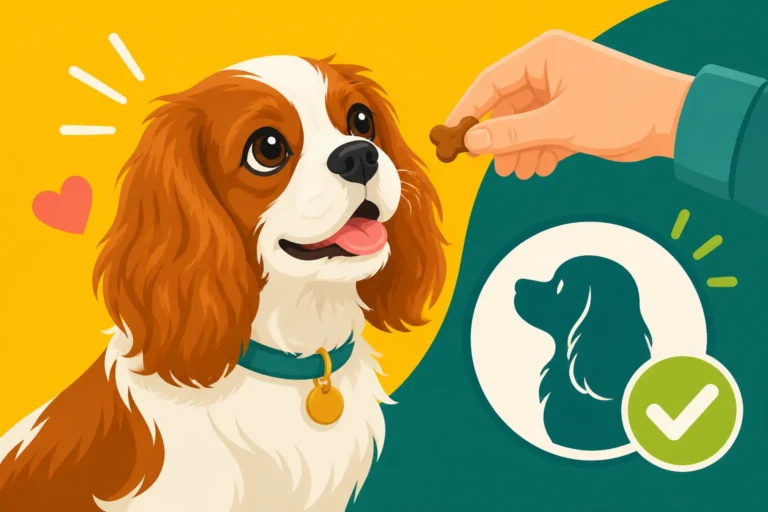
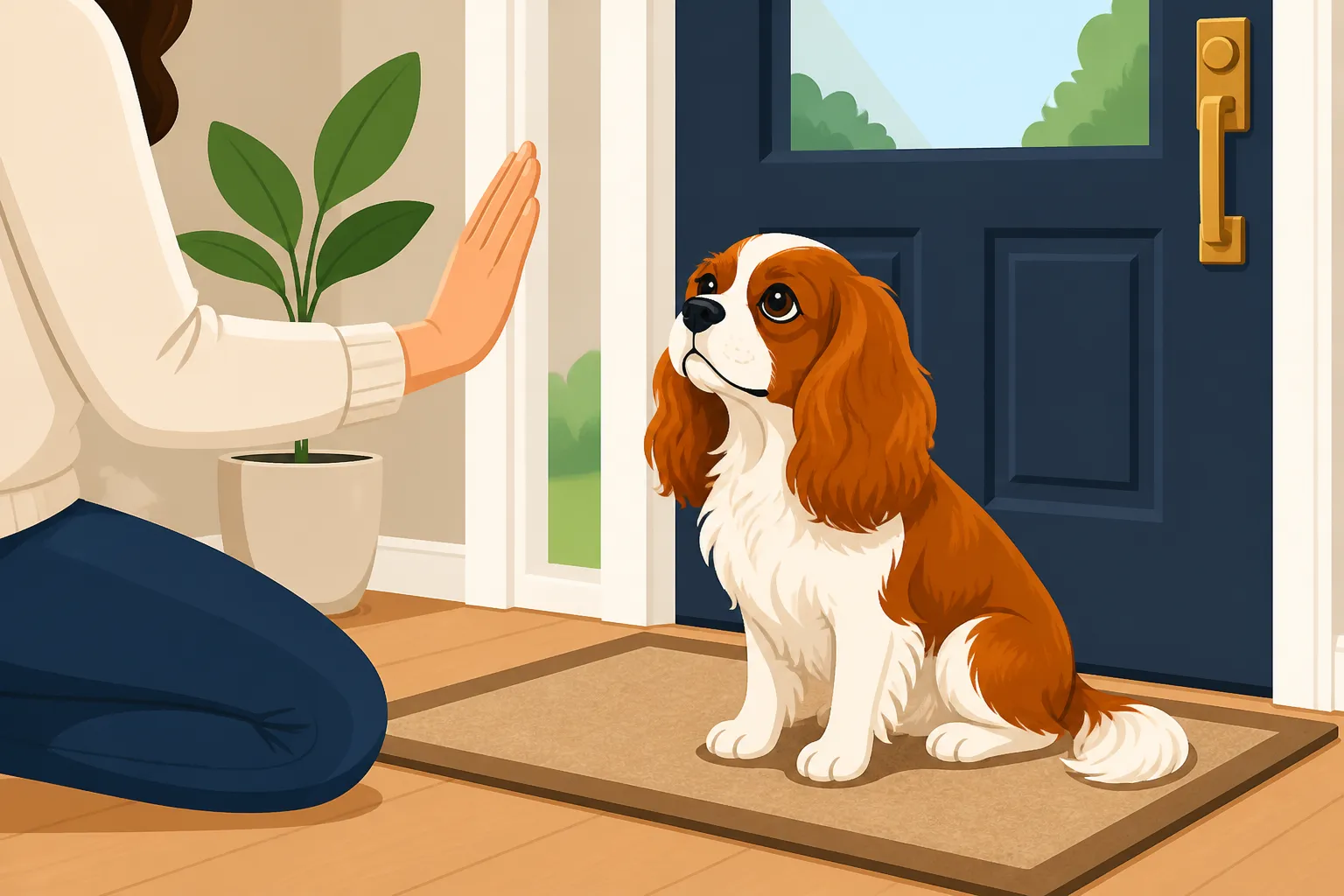
Begin by asking your Cavalier to sit. Once they are sitting, give your chosen command, "Stay" or "Wait," and hold out an open palm towards them. Immediately take one tiny step back. If they remain seated, step back to them and offer a high-value treat and enthusiastic praise. Your Cavalier will perform best for Treats a Cavalier Will Trade Anything For. Repeat this many, many times, gradually increasing the distance and the duration they need to stay. Don't rush it! The goal is for them to hold their position for a good 30 seconds with you several feet away. Remember, the release word is just as important as the command itself. Say "Okay!" or "Free!" to let them know the exercise is over and they can move. This helps prevent them from breaking the "stay" on their own terms. Five-Minute Training Sessions With a Cavalier are perfect for this kind of focused work.
Harnesses, Leashes, and Management Tools
While you're working on training, safety must remain your top priority. A well-fitting harness and leash are non-negotiable for walks, but they also serve as vital management tools during the training process, especially when approaching the door. A good harness, specifically one designed for small breeds like Cavaliers, will prevent pressure on their delicate neck and trachea if they do lunge unexpectedly. Harnesses Suited to a Cavalier's Neck are a must-have item. Look for harnesses with a front-clip option, as this can give you more control and discourage pulling, gently redirecting their momentum back towards you rather than allowing them to drag you forward. You can often find a good selection of these on Amazon.
Beyond the leash, consider using physical barriers like baby gates or an exercise pen to create a safe zone near the door. This allows you to practice opening the door without the immediate risk of your Cavalier bolting. For example, you can set up a baby gate a few feet back from the front door. This way, your Cavalier can observe your movements and the door opening from a safe distance, making it easier for them to practice their "wait" without actually being able to rush through. These tools are not a substitute for training, but they provide a crucial safety net and manage the environment, setting your Cavalier up for success while they learn.
Step-by-Step Door Protocol Training
Once your Cavalier has a solid "stay" or "wait" command in low-distraction settings, it's time to bring that skill to the front door, gradually introducing the stimuli that usually trigger their excitement. Consistency is everything here; every interaction with the door is a training opportunity.
Starting with Low-Distraction Practice
Begin this phase when there's no immediate pressure for you to leave or for visitors to arrive. The initial goal is to teach your Cavalier to "wait" at the door, even when it's open a crack.
- Approach the Door: With your Cavalier on a leash, or behind a baby gate, walk towards the door. If they start to get excited or pull, stop. Wait for them to calm down, even for a second, then praise and resume walking. Ask for a "sit" a few feet away from the door.
- The Doorknob Touch: Once they're sitting calmly, say "Wait" (or "Stay") and reach for the doorknob. If they remain in place, reward them. If they try to move, remove your hand from the knob, wait for them to settle, and try again. This teaches them that the act of you touching the knob is not a cue to move.
- Opening the Door a Crack: Progress to slowly turning the knob and opening the door just a tiny crack. Maintain your "Wait" command. The moment they try to push past or stand up, quickly close the door. No yelling, no fuss, just a calm closure. Wait for them to settle back into a sit, then try again. The door only opens when they are calm and still. If they hold their "Wait" for even a second while the door is ajar, reward heavily! Gradually increase the width of the opening and the duration they wait.
- Stepping Out and Back In: Once they can hold a "Wait" with the door fully open, take one step outside yourself. If they stay, praise and quickly step back in to reward them. If they move, immediately step back in, close the door, and reset. The key is to make it clear that rushing means the door closes, and patience means opportunity and rewards. This incremental approach builds their understanding without overwhelming them.
Adding Real-World Scenarios
After mastering the basic "wait" at an open door, you need to layer in real-world distractions. This is where the training truly becomes robust.
- The Sound of the Doorbell: The doorbell is often a major trigger for Cavaliers. Practice ringing the doorbell yourself (or have a family member do it) while your Cavalier is in a "wait" position a few feet from the door. When the bell rings, they will likely get excited. Guide them back to their "wait" spot with your voice or a gentle leash correction (if on leash) until they settle. Only when they are calm should you proceed to open the door. Reward heavily for calmness after the bell rings. You can pair this with a "place" command, sending them to their mat or bed before you answer the door. A Cavalier That Jumps at Visitors often benefits from this protocol.
- Simulated Visitors: Have a friend or family member pretend to be a visitor. Start with them simply approaching the door and knocking. Follow your established door protocol: ask your Cavalier to "wait," open the door only when they are calm, and reward them for holding their position as the "visitor" enters. As they get better, have the "visitor" engage with them briefly after they've calmly greeted you.
- External Distractions: Practice when there are mild distractions outside, such as a neighbor walking their dog down the street, or children playing. Start with minor distractions and gradually increase the intensity. If your Cavalier breaks their "wait," calmly close the door and start again. This teaches them that even exciting things outside don't negate the "wait" command. Building confidence with Getting a Cavalier Used to a Dog Walker can also reinforce these good habits, as dog walkers will use the same entry/exit protocols.
Practicing with a Leash for Safety and Control
During these more advanced stages, especially when adding distractions, keeping your Cavalier on a leash provides a crucial layer of safety and control. The leash isn't there to punish them, but to gently guide and reinforce boundaries.
- Leash as a Guide: When practicing, hold the leash loosely at first. The moment your Cavalier anticipates rushing or begins to break their "wait," use a gentle, upward lift on the leash to stop their forward momentum and guide them back to their sitting or standing "wait" position. Immediately release the pressure once they comply. This teaches them that rushing creates resistance, while waiting allows them to stay comfortable.
- Preventing the Bolt: For those Cavaliers who are particularly quick, keeping them on a leash when anyone opens the front door is vital until their training is ironclad. Even if you're just grabbing the mail, clip on the leash. This prevents them from having the opportunity to practice darting out, which would reinforce the unwanted behavior. Every successful dart backward sets your training back significantly.
- Transitioning to Off-Leash: Only when your Cavalier consistently performs their "wait" command flawlessly, even with significant distractions and real visitors, should you consider trying it off-leash. Start in a very controlled environment, perhaps with just you opening the door slightly. Gradually progress, always being ready to step in and reset if they make a mistake. The goal is a dog who chooses to wait, not one who is simply forced to by a leash or barrier.
Common Challenges and Troubleshooting
Even with the best intentions and consistent effort, training a Cavalier to wait politely at the front door can present its own set of unique challenges. It’s important to understand these hurdles and have strategies ready.
When Your Cavalier Just Won't Stay
It can be incredibly frustrating when your Cavalier seems to understand "stay" or "wait" in the living room, but all that goes out the window the moment you touch the front door. If your Cavalier consistently breaks their "wait" at the door, it usually means one of two things:
- The Environment is Too Distracting: You might be asking for too much, too soon. Go back a few steps in the training process. Can they hold a "wait" when you just walk towards the door? When you look at the doorknob? Break down the steps even further. Maybe they need to practice holding a "wait" while sitting on a mat a good distance from the door, with you slowly moving towards it, before you even touch it. Remember, Reward-Based Training With a Cavalier means setting them up for success.
- The Reward Isn't High Enough: Is your praise enthusiastic enough? Are your treats truly high-value? Sometimes, the allure of the outside world is so powerful that your usual training treats just don't cut it. Experiment with different, super-tasty treats that your Cavalier absolutely adores.
- Inconsistent Reinforcement: Has everyone in the household been 100% consistent with the training? Even one person letting the dog rush out can undermine weeks of hard work. Make sure every single door opening follows the protocol. If you're finding it difficult to implement structured training on your own, consider seeking guidance. Online training platforms, like those offered by BAXTER & Bella, can provide structured lessons and support specifically designed for common dog behaviors, which can be immensely helpful for establishing better habits.
Dealing with Excitement and Visitors
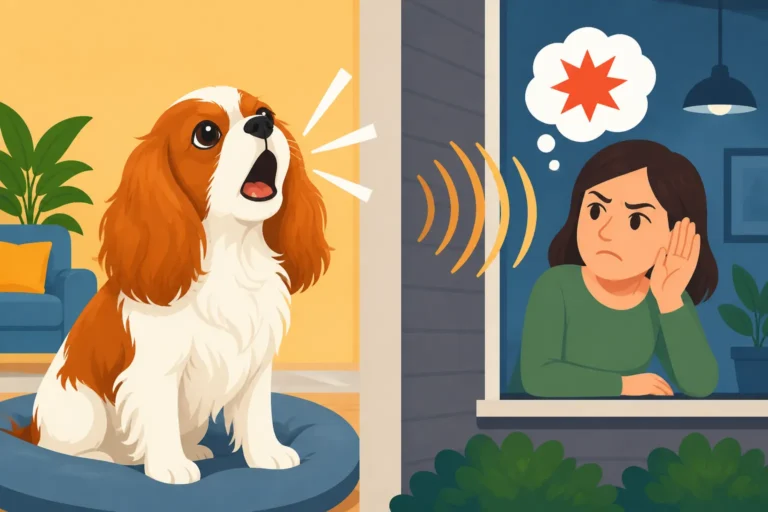
The sound of the doorbell or the arrival of guests can turn an otherwise calm Cavalier into a bundle of frantic energy, making polite door greetings seem impossible.
- The Doorbell Protocol: Instead of rushing to the door the moment the bell rings, teach your Cavalier a new routine. When the doorbell rings, immediately ask them to go to their "place" (a mat, bed, or crate a few feet from the door). Don't open the door until they are settled in their spot. Reward them for staying there, then calmly go to the door. This decouples the doorbell from the immediate rush to greet. It might take time, but this structured approach can significantly reduce their excitement.
- Managing the Greeting: When visitors arrive, keep your Cavalier on a leash initially, or behind a baby gate. This prevents jumping and rushing. Allow your guests to settle in first. Once they're calm, and your Cavalier is also calm (sitting or lying down), then you can gradually allow controlled greetings. Ask your guests to ignore your Cavalier at first until they are calm, then reward gentle interaction. A Cavalier That Jumps at Visitors needs a consistent plan from everyone.
- Practice Calmness: Regularly practice having people enter and exit your home without fanfare. The more your Cavalier experiences people coming and going without it being a high-energy event, the less exciting the door and visitors will become. This also helps with Building a Cavalier's Tolerance for Being Left by making departures less of a big deal.
Consistency Is Key
This cannot be stressed enough: consistency is the bedrock of successful training. Every single time the front door is opened, whether you're taking out the trash, bringing in groceries, or leaving for a walk, it's a training opportunity.
| Action When Approaching Door | Do This | Don't Do This |
|---|---|---|
| Your Dog's Position | Ask for a "Sit" or "Wait" command. | Allow them to crowd the door or jump. |
| Door Opening | Open slowly, rewarding calmness. | Fling open, assuming they'll stay. |
| If They Rush | Calmly close the door, reset. | Yell, punish, or chase them. Why Shouting Sets a Cavalier Back Weeks |
| Rewarding | Use high-value treats and enthusiastic praise. | Only reward if they make it outside. |
| Visitor Arrival | Use a "Place" command or leash control. | Let them greet visitors with uncontrolled excitement. |
| Daily Routine | Practice every single time the door opens. | Only practice when you have extra time or remember. |
If one family member lets the dog rush out, it undoes the work of everyone else. Ensure everyone in the household understands and adheres to the new door protocol. Cavaliers thrive on routine and clear expectations. The more consistent you are, the faster your Cavalier will learn that waiting politely at the front door is the only way to get what they want – whether that's to go outside with you, or to calmly greet a friendly face. This consistent effort will not only keep your Cavalier safer but also build a deeper bond of trust and understanding between you both.
Disclaimer
This article is for general informational purposes only and does not constitute professional advice. Laws, prices and regulations vary by location and change over time. Consult a qualified professional for guidance on your specific situation.