Getting a Cavalier Used to Ear Cleaning
It's a common scene in many Cavalier households: you reach for the ear cleaner, and your sweet, usually compliant little companion suddenly becomes a wiggly, head-shaking, treat-ignoring blur of resistance. Getting your Cavalier King Charles Spaniel accustomed to ear cleaning isn't just about wrestling them into submission; it's about building trust and making it a positive, stress-free experience for both of you. This guide will walk you through transforming ear cleaning from a dreaded chore into a manageable part of your routine.
Why Cavalier Ears Need Regular Attention
Let's be honest, those beautiful, long, feathered drop ears are one of the most endearing features of a Cavalier King Charles Spaniel. We love them! But functionally, they can be a bit of a magnet for trouble. Understanding why regular ear care is so crucial can help you stay motivated and proactive, rather than reactive, when it comes to your pup's ear health.
The Anatomy of a Cavalier's Ear
A Cavalier's ear canal isn't like ours; it takes a sharp turn, going down and then horizontally towards the eardrum. On top of this natural predisposition for poor airflow, our Cavaliers have those gorgeous, heavy ear flaps that hang down, further reducing air circulation. Add in all that soft, luxurious feathering, and you've got a warm, dark, often humid environment that is just perfect for yeast and bacteria to flourish. It's like a cozy little incubator for microscopic invaders! This setup means that moisture from baths, swimming, or even just humidity can get trapped easily, leading to irritation and infection.
Because of this unique anatomy, Cavaliers are unfortunately quite prone to ear issues. We want to avoid those painful, itchy ear infections that can make our dogs miserable and lead to costly vet visits. Prevention truly is the best medicine here. Keeping their ears clean and dry is your first line of defense against discomfort. If you want to dive deeper into the specific issues, you might find Cavalier Ear Infections and Why They Recur a helpful read.
Early Experiences and Developing Sensitivity
Think about it from your Cavalier's perspective. If their first few experiences with ear cleaning were scary, painful, or forced, it's completely understandable why they'd start to dread it. Perhaps they had an ear infection as a puppy that made any touch around their ears extremely sensitive, or maybe an enthusiastic but inexperienced owner accidentally pulled on some hair or got cleaner in their eye. These negative associations can stick, turning a simple grooming task into a battle of wills.
This is why starting early, even with puppies, is so incredibly important. Gently touching their ears, lifting the flaps, and looking inside, all paired with delicious treats and praise, can build a foundation of trust. Even if you have an older Cavalier who already protests, it's never too late to try and reframe the experience. It just might take a little more patience and consistency to overcome those ingrained fears.
Essential Tools and Preparation for Ear Cleaning
Before you even think about putting liquid into your Cavalier's ear, you need to be prepared. Gathering the right tools and creating a calm environment can make all the difference in how smoothly your ear cleaning session goes. Rushing or scrambling for supplies just adds to everyone's stress levels!
Choosing the Right Ear Cleaner
The world of dog ear cleaners can be a bit overwhelming, with so many options promising different results. Generally, you'll find a few main types:
- Routine Maintenance Cleaners: These are designed for general cleaning, to remove wax, debris, and dry quickly. Many contain gentle drying agents.
- Antiseptic/Medicated Cleaners: These might contain ingredients like chlorhexidine or ketoconazole, used when there's a suspected mild infection or to prevent recurrence, often on a veterinarian's recommendation.
- Drying Solutions: Specifically formulated to dry the ear canal after swimming or bathing, which is especially useful for a breed like the Cavalier.
It's absolutely vital to consult your veterinarian about which cleaner is best for your specific Cavalier. They can recommend a product based on your dog's ear health, history of infections, and any sensitivities. Never use alcohol, hydrogen peroxide, or human ear drops in your dog's ears, as these can be irritating or even harmful. For finding these products, online retailers like Amazon offer a wide selection once your vet has given you a specific recommendation for an Ear Cleaner Worth Using on a Cavalier.
Gathering Your Supplies and Setting the Scene
Once you have your vet-approved cleaner, it’s time to get everything else ready. Here’s a checklist:
| Item | Purpose |
|---|---|
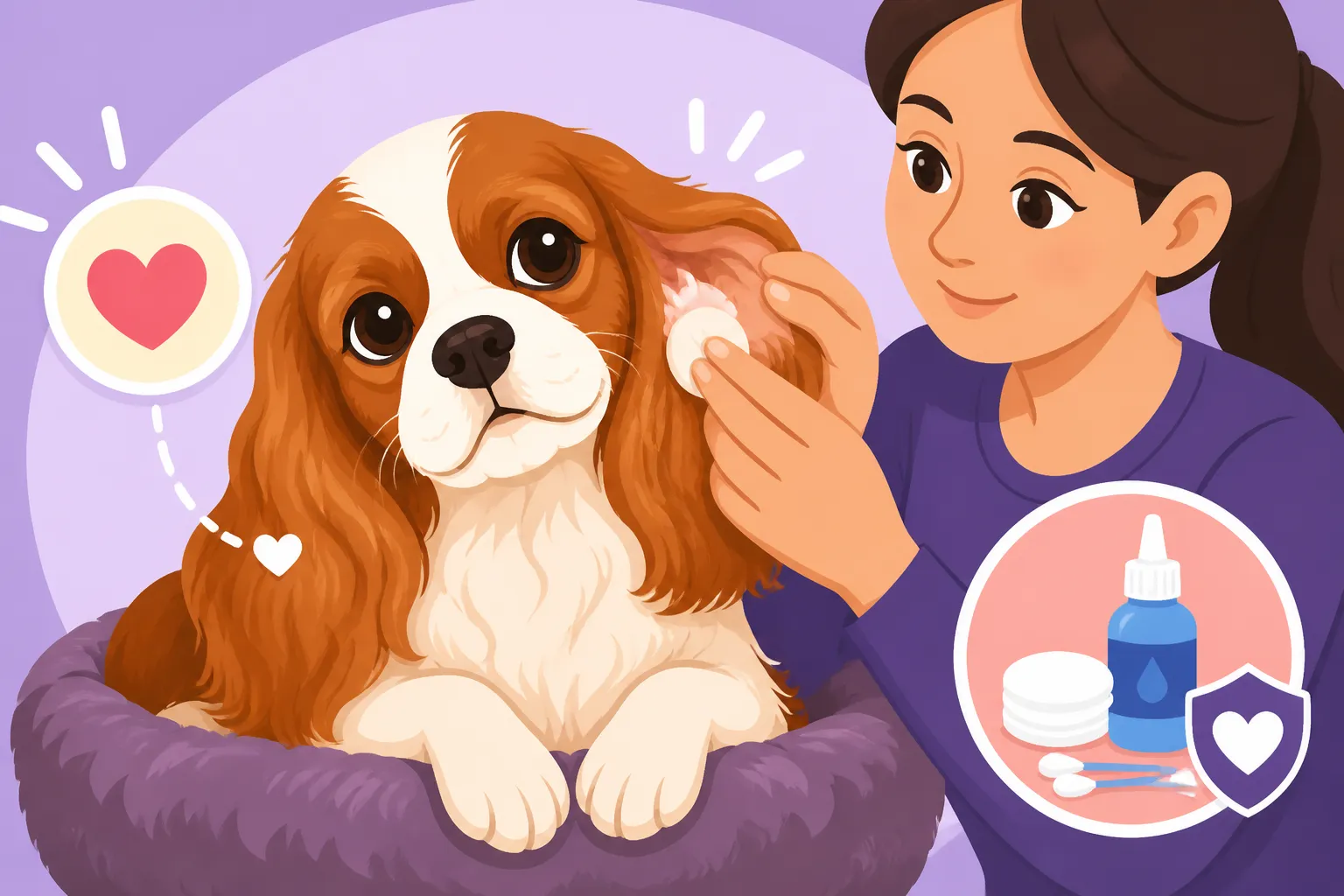
| Veterinarian-approved ear cleaner | To gently loosen and flush out wax and debris. |
| Cotton balls or large cotton pads | For wiping out the loosened gunk. Avoid cotton swabs! |
| High-value treats | Essential for positive reinforcement – think small, super tasty, and easily consumed rewards. |
| Towel (old is best!) | To catch any drips and for comforting your dog. Also handy for wiping your hands. |
| Comfortable, non-slip surface | A bath mat on the floor, or a non-slip mat on a sturdy table, helps your dog feel secure. |
| Good lighting | So you can clearly see what you're doing and inspect the ear. |
| Optional: Helper | An extra set of hands can be invaluable for holding treats or providing gentle reassurance, especially initially. |
Choose a quiet time when you're not rushed and your Cavalier is relatively relaxed, perhaps after a gentle walk. A calm environment is key; loud noises or frantic energy from you will only make your Cavalier more anxious. Remember, we're aiming for a pleasant, not terrifying, spa session!
Step-by-Step: Making Ear Cleaning a Positive Experience
Okay, all your supplies are ready, and you've got your game face on (a calm, reassuring one, of course!). Now, let's break down the actual process of getting your Cavalier used to ear cleaning, focusing on making it a positive experience through every single step.
Gentle Handling and Desensitization
This is where the magic happens, especially if your Cavalier is already wary. We need to go slow, sometimes really slow, to build up their tolerance and trust. Think of it as a series of tiny, achievable steps, each rewarded generously.
- Start with gentle touches: Begin by simply stroking their head and ears while praising them and giving small, high-value treats. Do this several times a day, for just a few seconds. The goal is for them to associate your touch around their ears with good things.
- Lift the ear flap: Once they're comfortable with general touching, gently lift their ear flap for a second or two, peek inside (don't force it), then immediately reward and release. Gradually increase the duration you hold the flap up. This teaches them that holding their ear is okay.
- Introduce the cleaner bottle (closed): Let them sniff the bottle. Touch it to their ear, but don't squeeze. Reward. This desensitizes them to the object itself.
- Mimic the sound: If your cleaner makes a "swooshing" sound when squeezed, practice squeezing it away from their ear while rewarding them. This helps them get used to the noise.
- Touch with a cotton ball: Gently wipe the outside of their ear with a dry cotton ball, then reward. This prepares them for the wiping sensation.
Remember, the goal is always to keep these sessions brief, positive, and end on a good note. If your Cavalier shows signs of stress (tail tucked, lip licking, pulling away), stop and try again later, perhaps taking a step back to an easier stage. The online puppy school, BAXTER & Bella, often emphasizes cooperative care techniques like these, which can be invaluable for teaching your dog to willingly participate in grooming.
The Cleaning Process
Once your Cavalier is more comfortable with handling, you can introduce the actual cleaning. This should still be a calm, methodical process.
- Position your Cavalier: Have them comfortably sitting or standing on your non-slip surface. If you have a helper, now's the time for them to offer gentle reassurance and treats.
- Lift the ear flap: Gently hold the ear flap up to expose the ear canal. For a Cavalier, their long leather means you'll really need to get that flap out of the way. Look for any visible dirt, redness, or discharge. This is also a good time to remember What a Healthy Cavalier Ear Looks Like.
- Apply the cleaner: Carefully insert the tip of the cleaner bottle just into the opening of the ear canal. Do not jam it down deep. Squeeze the bottle to fill the canal with the recommended amount of solution. Most Cavaliers will hate this part – you might get a head shake!
- Massage the base of the ear: This is crucial. While holding the ear flap up, gently massage the base of their ear, near their jaw, for about 20-30 seconds. You should hear a squishy sound as the solution works its way down and loosens debris. This also helps distribute the cleaner evenly.
- Allow them to shake: Let go of their ear and stand back! Most Cavaliers will want to shake their head vigorously after this. This is good! It helps dislodge all the gunk. Have that old towel ready to catch any flying ear wax or cleaner.
- Wipe the outer ear: Take a clean cotton ball or pad and gently wipe out the visible parts of the ear canal and the underside of the ear flap. Go as far as your finger can comfortably reach, but never use cotton swabs in the ear canal. They can push debris further down or even damage the eardrum.
- Repeat for the other ear: Give a short break, a treat, and then repeat the process for the second ear.
- Reward, reward, reward: As soon as you're done, lavish them with praise and their absolute favorite high-value treats. Make it a celebration!
You might notice a bit of a smell, especially if there's an infection brewing. In that case, The Smell That Means a Cavalier Ear Infection can provide more insight, and a vet visit would be necessary.
Building Positive Associations with Treats and Praise
Every single step of this process, from the first gentle touch to the final wipe, should be paired with positive reinforcement. This isn't just about rewarding them after the ordeal, but making the entire experience as pleasant as possible.
- Treat timing is everything: Deliver treats while you're doing something they tolerate, like holding their ear flap up, not just when you're finished. This builds a strong association: "Ear handling means delicious food!"
- Use high-value rewards: For ear cleaning, regular kibble might not cut it. Think tiny pieces of cheese, cooked chicken, or specialty soft treats. Something they absolutely adore and don't get often.
- Keep sessions short: Especially when starting out, aim for very brief sessions. You want to stop before your Cavalier gets too fed up or stressed. It's better to do two super short, positive sessions than one long, miserable one.
- Praise generously: Use a happy, soothing voice throughout. Tell them how good they are, even for small achievements. Your calm demeanor is infectious.
Consistency is also key. Regular, positive ear handling, even if it's just a quick peek and a treat daily, will make the actual cleaning sessions much easier in the long run.
Troubleshooting Common Challenges and Maintaining Ear Health
Even with the best intentions and all the treats in the world, you might still face some hurdles. It’s important to understand when to push a little and when to call in the professionals, and how to keep those adorable ears healthy in the long term.
Dealing with Resistance and Fear
If your Cavalier is still putting up a strong fight, don't get discouraged, but also don't force the issue to the point of breaking their trust.
- Break it down further: Can you only manage a single ear touch before they pull away? That's fine! Reward that single touch, and work up from there. The goal is tiny, incremental progress.
- Change your location: Sometimes a change of scenery can help. Try doing it outdoors if they're more relaxed there, or on a different surface.
- Consult a professional: If fear or aggression is significant, it's wise to involve a certified professional dog trainer or veterinary behaviorist. They can offer specialized techniques, sometimes including counter-conditioning and desensitization plans, or even discuss anti-anxiety medication if the fear is severe. Your vet can also rule out underlying pain. A Cavalier might yelp or resist because their ear is genuinely painful, not just because they're being stubborn.
- Pain vs. Preference: Learn to differentiate between a mild dislike and actual pain. Yelping, cowering, snapping, or trying to bite are strong indicators of pain or extreme fear, and warrant an immediate stop and a vet visit. Sometimes a Cavalier might resist because their neck hurts, an issue that can be related to conditions like Syringomyelia. You might read A Cavalier That Yelps When Picked Up for more information on potential pain indicators.
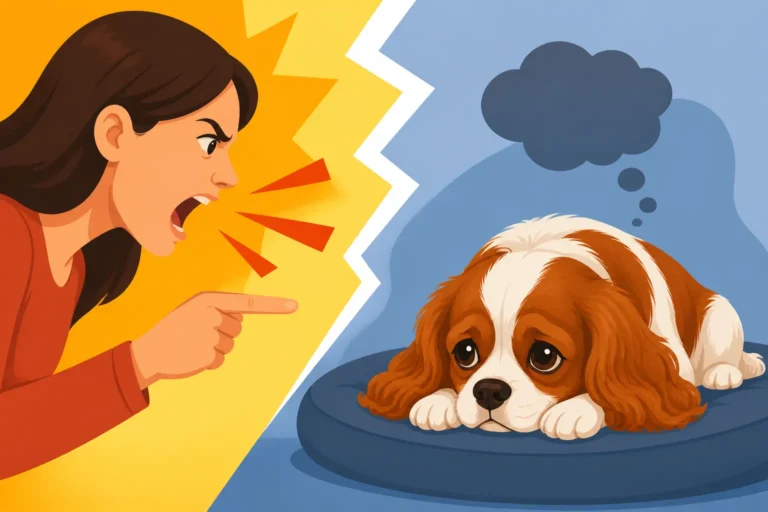
Never punish your Cavalier for resisting. This will only increase their fear and make future attempts even harder. Patience and positive reinforcement are your greatest allies.
Long-Term Ear Health Practices
Ear cleaning isn't a one-and-done event; it's part of a broader commitment to your Cavalier's health. Integrating these practices into your routine will help keep their ears healthy and happy.
- Regular checks: Aim for daily or every-other-day quick ear checks. Just lift the flap, sniff, and glance inside. This helps you catch problems early and keeps your Cavalier accustomed to having their ears handled. Daily Ear Checks on a Cavalier outlines this well.
- Drying after moisture: Every time your Cavalier gets wet – after a bath, a swim, or even a rainy walk – make sure their ears are thoroughly dried. Gently blot the inside of the ear flap and the outer canal with a soft towel or cotton pad. You might consider using a dedicated drying solution, again, with vet approval. Drying a Cavalier's Ears After a Bath offers more tips on this.
- Diet and allergies: Some ear infections are secondary to allergies. If your Cavalier suffers from recurrent ear issues, talk to your vet about whether a change in diet or allergy management might help. Sometimes, simply addressing an underlying allergy can significantly reduce ear problems.
- Professional grooming: When your Cavalier goes to the groomer, ensure they are aware of any ear sensitivities your dog has. Many groomers offer ear cleaning as part of their service. Discuss how they clean the ears and if they use any plucking, which can sometimes irritate sensitive ears.
- Annual vet check-ups: These are crucial. Your vet will always check your Cavalier's ears thoroughly as part of their routine examination, identifying any issues before they become severe.
By being consistent with these practices, you can make ear care a comfortable, routine part of your Cavalier's life, rather than a battle. Your beautiful Cavalier deserves to have healthy, clean ears without all the fuss, and with a little patience, you can get there together.
Disclaimer
This article is for general informational purposes only and does not constitute professional advice. Laws, prices and regulations vary by location and change over time. Consult a qualified professional for guidance on your specific situation.