Rally and Obedience With a Cavalier
Many Cavalier King Charles Spaniel owners find themselves wondering if their sweet, often clingy companions are cut out for more structured activities beyond cuddling on the sofa. The truth is, while Cavaliers excel at being loving lapdogs, they also possess an intelligence and a desire to please that can make them fantastic participants in dog sports like rally and obedience. This guide will dive into how these popular activities work, what makes them uniquely suited for a Cavalier's temperament, and how you can get started, proving that your little companion has hidden talents just waiting to shine.
Understanding the Cavalier Temperament in Dog Sports
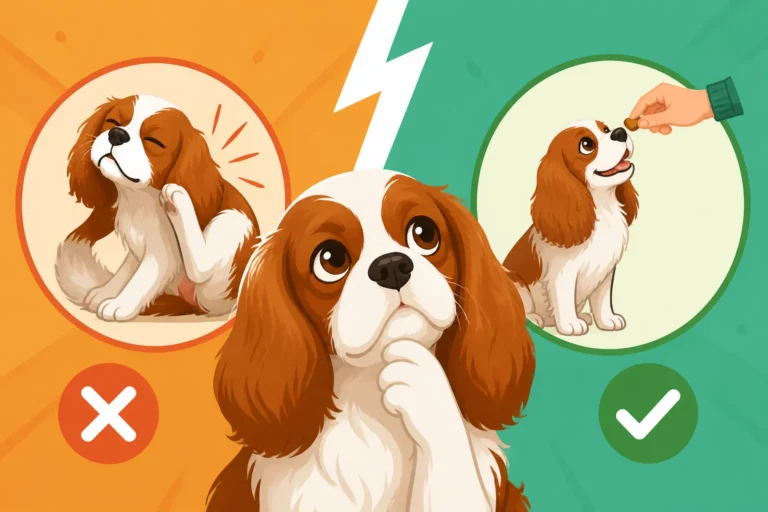
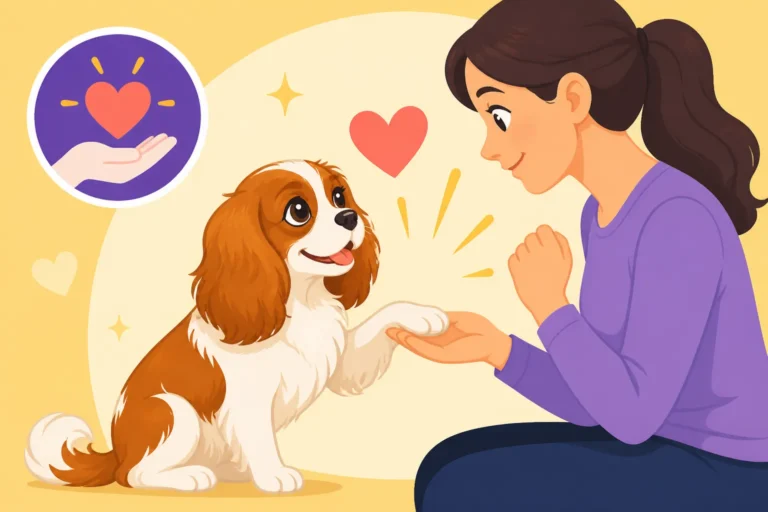
Cavaliers are renowned for their gentle, affectionate nature, often earning them the nickname "Velcro dogs" because of their strong desire to be close to their human companions. While this makes them wonderful family pets, it also shapes their approach to dog sports. They thrive on positive interaction and can be quite sensitive to harsh corrections, making reward-based training the absolute cornerstone of their success. Training a Cavalier With Praise Rather Than Pressure is not just a preference; it's practically a necessity for these sensitive souls.
The Cavalier's Desire to Please and What It Means for Training
Your Cavalier truly wants to make you happy. This inherent "people-pleasing" drive is a huge asset in rally and obedience. They pick up on your moods, your tone of voice, and your body language with remarkable accuracy. This means that if you're enthusiastic and positive, they'll likely mirror that energy. Conversely, if you're frustrated or stressed, they'll feel it too, which can shut them down. They're not wired to be defiant; they're wired to connect. This translates into a strong willingness to learn when the teaching methods are kind, clear, and consistent. They respond beautifully to praise, gentle encouragement, and, of course, delicious treats! Reward-Based Training With a Cavalier is truly the most effective method, harnessing their eagerness to cooperate.
Sensitivity and Focus in a Busy Environment
While intelligent and willing, Cavaliers can also be quite sensitive to their surroundings. A bustling training hall filled with other dogs, strange smells, and unfamiliar sounds can be overwhelming for some. You might notice your Cavalier's focus drifting, especially in the early stages of training. They might want to greet every person or dog they see, which isn't ideal when you're trying to execute a precise heel. This isn't a lack of intelligence; it's often a combination of their friendly nature and potential environmental sensitivity. Keeping a Cavalier Focused in a Short Session is key, as is gradually introducing them to new environments. Start in a quiet place, then slowly introduce more distractions.
Managing Spaniel Instincts and Distractions
Don't let their small stature fool you; Cavaliers are still spaniels at heart. This means they possess a natural curiosity and a strong scent drive. The Spaniel Instincts Left in a Cavalier can manifest as a sudden interest in a dropped treat, a patch of interesting grass, or even a lingering scent from a previous dog in the training area. Managing these distractions is part of the training process. You'll need to develop high-value rewards that can compete with these instincts, whether it's a super-tasty treat or a favorite squeaky toy. Understanding that these instincts are natural, rather than a sign of naughtiness, helps you approach training with more patience and effective strategies.
Getting Started with Rally Obedience for Your Cavalier
Rally obedience, often simply called "Rally," is a fantastic entry point into dog sports for Cavaliers and their owners. It's often described as a more relaxed, "freestyle" version of traditional obedience, making it less intimidating for newcomers and particularly suited for dogs who thrive on continuous interaction.
What is Rally Obedience?
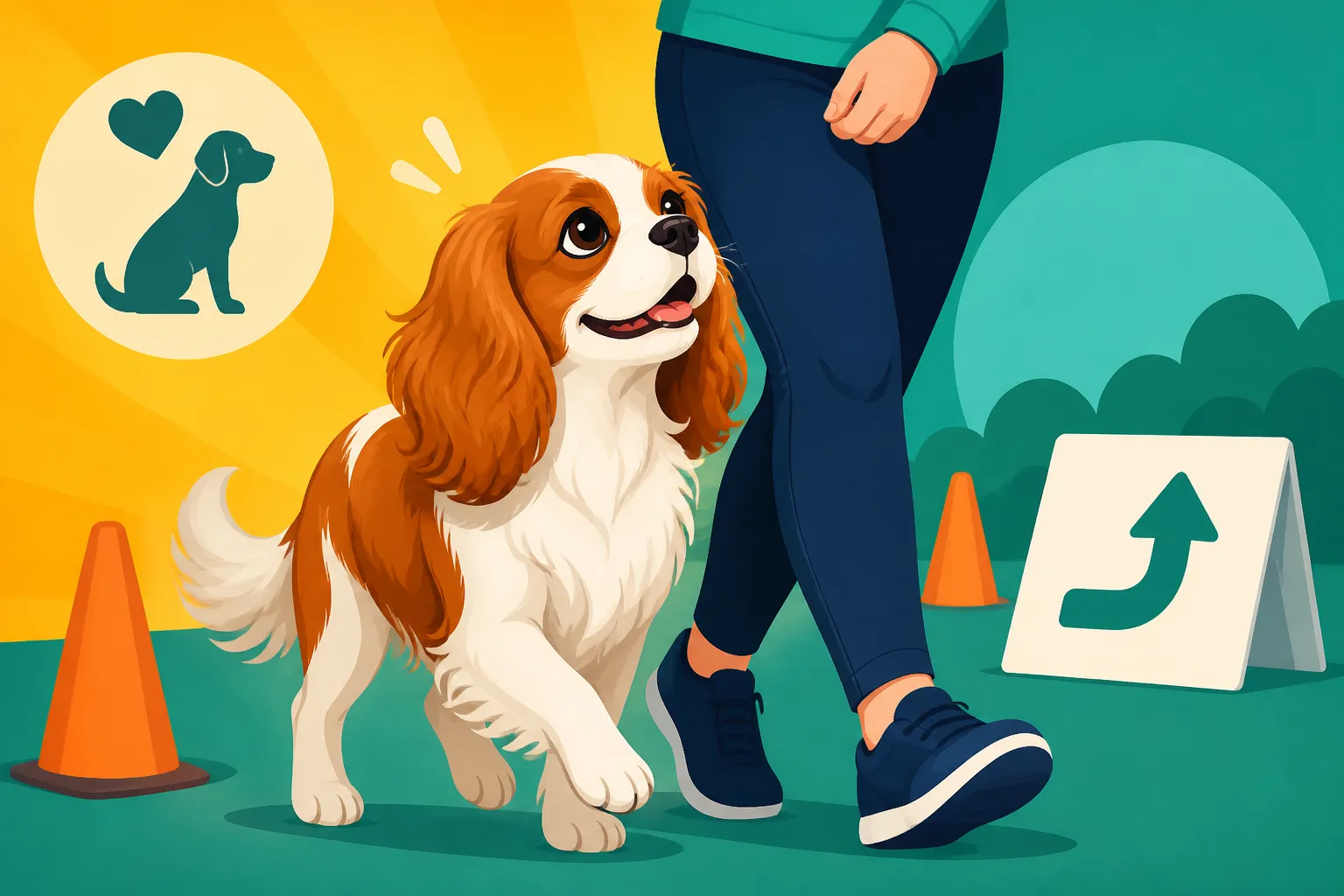
Imagine a course laid out with numbered signs, each indicating a specific obedience exercise, like "halt – sit – down," "spiral right," or "send over jump." You and your Cavalier navigate this course together, performing the exercise at each sign. What makes Rally so appealing, especially for Cavaliers, is that you can talk to your dog, praise them, and encourage them throughout the entire course. Unlike traditional obedience, silent precision isn't the only goal; teamwork and enthusiasm are highly valued. The continuous flow of the course and the constant interaction mean your Cavalier is less likely to get bored or feel isolated, which can sometimes happen in more static, traditional obedience exercises. It's a true partnership dance!
Here's a quick comparison of Rally vs. Traditional Obedience:
| Feature | Rally Obedience | Traditional Obedience |
|---|---|---|
| Interaction Allowed | Constant talking, praise, encouragement | Minimal, mostly silent commands |
| Leash Status | Often on leash in lower levels | Mostly off-leash (except Novice Heel on Leash) |
| Course Structure | Stations with signs, continuous flow | Set exercises in a ring, more static |
| Precision Emphasis | Good execution, but mistakes tolerated more | High precision and exact execution required |
| Atmosphere | More relaxed, encouraging, fun | More formal, intense, focused |
| Suitable for Cavaliers | Excellent, as it leverages their social nature | Good for focused Cavaliers, but more challenging |
Why Rally Suits the Cavalier Personality
Rally plays directly into the Cavalier's strengths. Their desire to be with you, to please you, and to engage in ongoing communication makes them shine. Because you can talk to them throughout the course, you can keep their attention, offer reassurance, and celebrate their successes in real-time. This positive feedback loop is incredibly motivating for a Cavalier. If they get distracted for a moment, a cheerful "Let's go, Fido!" can quickly bring them back without any harshness. The varied exercises also keep their keen minds engaged, preventing the monotony that can sometimes make more repetitive training challenging for them. It truly feels like a walk in the park with a purpose, rather than a strict test.
Practical Steps to Start Rally Training
To begin your rally journey, you'll want to find a local dog training club that offers classes. Many clubs have introductory "foundation" or "beginner obedience" classes that teach the basic skills needed for rally, such as heeling, sits, downs, and stays. Look for classes that emphasize positive reinforcement methods.
- Build a Strong Foundation: Start with basic commands at home. "Sit," "stay," "come," and a reliable "heel" are your building blocks. Use high-value treats and enthusiastic praise. Remember Five-Minute Training Sessions With a Cavalier are often more effective than long, drawn-out ones, especially for puppies or easily distracted dogs.
- Gather Your Gear: You'll need a comfortable flat buckle collar or a harness (many prefer harnesses for Cavaliers to protect their delicate necks) and a 6-foot leash. A treat pouch that clips to your waist is invaluable, keeping treats readily accessible. You can find excellent options for all these training essentials on platforms like Amazon.
- Find a Class: Search for "Rally obedience classes near me" or "dog training clubs." Many clubs offer drop-in sessions or short beginner courses. An online platform like BAXTER & Bella also offers comprehensive online puppy and dog training programs that can teach you the foundations from home before you even step into a class. Their step-by-step approach is fantastic for building confidence in both handler and dog.
- Practice in Varied Environments: Once your Cavalier is solid on commands at home, start practicing in different, slightly more distracting locations. A quiet park, a friend's yard, or even a different room in your house can help generalize their skills.
- Learn the Signs: familiarize yourself with the common rally signs. There are online resources and books available that illustrate each station and how to perform the exercise.
Traditional Obedience Trials for Cavaliers
Traditional obedience trials are where precision and consistency truly shine. While often perceived as more rigorous than rally, a well-trained Cavalier can absolutely excel in this sport, demonstrating their remarkable intelligence and dedication. It requires a deeper level of focus and a highly refined working relationship between dog and handler.
The Demands of Traditional Obedience
Unlike rally, traditional obedience focuses on a series of prescribed exercises performed with exacting standards. These typically include heelwork (both on and off-leash), recalls, stays (sit-stay and down-stay for extended periods), retrieves, and scent discrimination. At higher levels, dogs perform off-leash for most of the exercises, and the handler's interaction is much more limited. Talking to your dog beyond initial commands is often penalized. This demands immense self-control from both the Cavalier and the handler. The judge is looking for a smooth, fluent performance where the dog appears to be enjoying the work, yet adheres perfectly to commands.
Challenges and Advantages for a Cavalier
For a Cavalier, the main challenge in traditional obedience often lies in maintaining the required high level of focus and suppressing their natural inclination to be social and "sticky." Long periods of off-leash heeling, especially in a ring with other dogs, can be difficult initially. Their desire to please, while an advantage, can also make them sensitive to any perceived disappointment from their handler, which can impact performance.
However, Cavaliers also bring significant advantages:
- Trainability: They are genuinely smart and eager to learn. Whether Cavaliers Are Considered Intelligent is not really a question for anyone who's trained one; they catch on quickly.
- Compact Size: Their small size means they are easy to manage physically, and you don't have to worry about managing a large, strong dog pulling on the leash during heelwork.
- Desire for Connection: Once they understand the "game," they love the dedicated one-on-one time and mental engagement.
- Quiet Nature: They are generally not excessive barkers, which is a plus in a sport where quiet focus is rewarded.
Training Methods for Precision and Focus
Achieving the precision required in traditional obedience means refining your training methods. This is where patience, consistency, and positive reinforcement are absolutely paramount.
- Break Down Behaviors: Complex exercises like heeling for several minutes off-leash need to be broken down into tiny, achievable steps. Start with just a few steps of perfect heel on-leash, reward, then gradually increase duration and distance.
- Proofing and Generalization: Practice commands in many different locations and with various distractions. A dog that can "stay" perfectly in your living room needs to be able to "stay" with another dog walking by, or with a toy rolling past. This is called "proofing." Training a Cavalier Around Food Distraction will be a crucial skill to master, given their love for treats.
- Vary Rewards: While food is often a primary motivator, some Cavaliers also love toys. Experiment to see Whether a Cavalier Works Better for Toys or Food for different exercises. A quick game of tug or a chase for a squeaky toy can be a powerful reward for a job well done.
- Build Stamina: Both mental and physical stamina are important. Gradually increase the length of training sessions and the complexity of exercises. Ensure your Cavalier is physically sound enough for the movements required. For instance, while generally low-impact, repeated precise movements are still work. If your Cavalier has conditions like Loose Kneecaps in a Thirteen-Pound Cavalier, discuss with your vet or a canine physiotherapist if traditional obedience is suitable.
- Consider a Professional Trainer: Working with an experienced obedience instructor who specializes in positive reinforcement and has experience with toy breeds can be invaluable. They can offer personalized guidance, troubleshoot issues, and help you refine your handling skills. Online courses, such as those offered by BAXTER & Bella, can also provide structured learning and support from qualified trainers, especially if local in-person classes are hard to find.
The Beyond-the-Ribbon Benefits of Dog Sports
Even if you never step into a competition ring, engaging in rally or obedience training with your Cavalier offers a wealth of benefits that extend far beyond earning titles. These activities strengthen your bond, provide vital mental stimulation, and contribute to a well-adjusted, happy dog.
Strengthening the Human-Canine Bond
The process of learning and achieving together is incredibly bonding. When you and your Cavalier work as a team, figuring out exercises, celebrating successes, and overcoming challenges, your relationship deepens. Your dog learns to trust your guidance, and you learn to read their subtle cues and understand their motivations better. This shared experience builds mutual respect and understanding, reinforcing that strong connection Cavaliers naturally seek. It’s an investment in your relationship that pays dividends in everyday life, making your Cavalier more responsive and attuned to you.
Mental Stimulation and Fulfillment
Cavaliers are intelligent dogs, and like all intelligent creatures, they need mental exercise as much as physical activity. Without it, they can become bored, leading to undesirable behaviors like excessive barking or destructive chewing. Rally and obedience provide excellent mental workouts, requiring problem-solving, focus, and memory. Learning new commands, chaining behaviors together, and performing in novel environments keeps their minds sharp and satisfied. A mentally tired Cavalier is often a well-behaved Cavalier, reducing the likelihood of them seeking out their own, less desirable, forms of entertainment. If your Cavalier A Cavalier That Tires on Short Walks even without a diagnosed health issue, it might be that they need more mental enrichment rather than just physical exertion.
Building Confidence and Good Manners
For a timid or shy Cavalier, dog sports can be a fantastic way to build confidence. Successfully completing exercises and receiving positive reinforcement helps them feel capable and secure. The controlled environment of a training class also provides a safe space for socialization, exposing them to other dogs and people in a structured way. Furthermore, the discipline and focus learned in obedience training naturally translate into better manners at home and in public. A Cavalier that understands and responds to commands like "sit," "stay," and "heel" is a joy to live with, whether greeting guests calmly, walking politely on a leash, or simply settling down when asked. This reduces stress for both you and your dog, making life together much more harmonious.
A Fun Hobby for All Ages
Rally and obedience aren't just for young, energetic dogs. Many older Cavaliers continue to participate and enjoy these activities, often with modifications to suit their physical capabilities. For seniors, it can be a wonderful way to keep their minds active and bodies gently moving. Caring for a Cavalier Past Nine often involves finding ways to keep them engaged without overtaxing them physically, and rally obedience fits the bill perfectly. Even if your ultimate goal isn't competition, the journey of learning and growing with your Cavalier through these fun and rewarding activities is a worthwhile adventure.
Disclaimer
This article is for general informational purposes only and does not constitute professional advice. Laws, prices and regulations vary by location and change over time. Consult a qualified professional for guidance on your specific situation.