Treats That Fit a Cavalier’s Small Ration
It’s a common struggle for us Cavalier King Charles Spaniel owners: we adore our furry companions and want to shower them with love, and often, that love comes in the form of tasty treats. But Cavaliers are small, prone to weight gain, and unfortunately, often face significant health challenges that can be exacerbated by carrying even a little extra weight. Navigating the world of dog treats without derailing their carefully managed diet or contributing to health issues can feel like walking a tightrope. This guide is here to help you make smart, healthy choices when it comes to rewarding your precious Cavalier.
Understanding Your Cavalier's Calorie Needs
When you look into those big, soulful Cavalier eyes, it's hard to deny them anything, especially a treat. But understanding their unique caloric needs is the first step in ensuring those treats are a loving gesture, not a health risk. These little dogs, while robust in personality, are not built for excessive calories.
Why Cavaliers Gain Weight Easily
Cavaliers, despite their spaniel heritage, are primarily companion dogs these days. They thrive on cuddles, short walks, and napping on laps, which means their daily activity levels are often lower than many other breeds. Couple that with their naturally affectionate and often food-motivated personalities, and you have a recipe for easy weight gain. It's so tempting to give in when they beg, but each tiny bite adds up for a dog that might only weigh 15-20 pounds.
Their small stature means that even a single "normal" dog biscuit can represent a significant percentage of their daily calorie allowance. Unlike a Labrador who might burn off an extra cookie on a long hike, a Cavalier's more sedate lifestyle leaves those calories sitting around. Plus, let's be honest, those big, brown eyes are masters of persuasion! It’s all too easy to let the treats accumulate throughout the day without realizing the impact.
Calculating a Healthy Daily Ration
Determining your Cavalier's ideal daily calorie intake isn't a one-size-fits-all equation. It depends on several factors: their age, their activity level, whether they are spayed or neutered (which can lower calorie needs), and any existing health conditions. This is absolutely a conversation to have with your veterinarian. They can help you calculate a precise daily caloric target for your individual dog, taking into account their ideal weight and current health status.
Once you have that number, you can then figure out how many calories should come from their main food and how many, if any, can be allocated to treats. Remember, those treats should be considered part of their total daily intake, not an addition on top of it. For example, if your vet suggests a 400-calorie daily allowance, and their food provides 350 calories, you only have 50 calories left for treats. Every single treat needs to be accounted for. What an Overweight Cavalier Weighs can give you a good starting point for understanding ideal body condition.
The Link Between Weight and Cavalier Health
Extra weight isn't just about aesthetics; it has serious health implications for Cavaliers. Obesity can exacerbate many of the breed's predispositions, turning manageable conditions into more severe ones. For instance, excess weight puts additional strain on their already delicate hearts, potentially worsening Mitral Valve Disease (MVD), a condition so prevalent in the breed. Why an Overweight Cavalier Fails Faster dives deeper into this connection, illustrating just how critical weight management is.
Beyond heart health, carrying extra pounds increases the load on their joints, potentially worsening conditions like luxating patellas (loose kneecaps) or hip dysplasia, and contributing to early arthritis. Overweight Cavaliers also have a higher risk during anesthesia for any necessary medical procedures. Keeping your Cavalier at a lean, healthy weight is one of the most impactful things you can do to support their long-term health and quality of life.
The Pitfalls of Conventional Dog Treats for Cavaliers
Walking down the dog treat aisle can be overwhelming. There are so many options, so many enticing smells and shapes! However, for a Cavalier, many of these popular choices are simply not suitable, often undermining your best efforts to maintain their health.
High Calorie Counts in Commercial Treats
Many commercially produced dog treats are formulated for much larger, more active breeds. A single rawhide bone, a large dental chew, or even a seemingly innocent biscuit can pack a caloric punch that would be equivalent to a human eating an entire extra meal. For a small Cavalier, whose entire daily calorie budget might be only 300-500 calories, one standard treat could consume 20-30% of that allowance, or even more. This makes it incredibly easy to inadvertently overfeed them.
Imagine a treat that's 50 calories. For a 15-pound Cavalier needing 350 calories a day, that's nearly 15% of their daily intake. Give them two or three such treats throughout the day, and you've already exceeded a healthy treat allowance, leaving little room for their actual nutritious meals. Many manufacturers don't even clearly label the calorie count per treat, making it even harder for conscientious owners to track.
Hidden Sugars and Unhealthy Fillers
Beyond just the sheer number of calories, many conventional treats contain ingredients that offer little to no nutritional benefit and can even be detrimental to your Cavalier's health. Think about the human equivalent of junk food: high in sugar, salt, and unhealthy fats, often with artificial colors and preservatives. Many dog treats are no different. They use cheap fillers like corn, wheat, and soy, which can contribute to weight gain, inflammation, and potential digestive upset or allergies for sensitive Cavaliers.
Sugars, even those disguised as molasses or corn syrup, are particularly problematic. They provide empty calories and can contribute to dental problems, weight gain, and potentially even impact blood sugar regulation. Always read ingredient labels carefully, looking for whole, recognizable foods as the primary components, and avoiding treats with long lists of unpronounceable chemicals or excessive sugar content.
Over-Treating and Its Consequences
It's a vicious cycle: you give a treat, your Cavalier loves it, you feel good, and so you give another. Before you know it, what started as a small reward has become a significant portion of their diet, pushing their main meals aside or, worse, adding excessive calories to their day. This habit can quickly lead to weight gain, making it incredibly difficult to get them back to a healthy weight. Why a Bowl Left Down Makes a Cavalier Fat touches on how unchecked access to food, even treats, can quickly lead to an expanding waistline.
The consequences are far-reaching. Beyond the health risks discussed earlier, over-treating can lead to picky eating habits, where your Cavalier holds out for the high-value treats instead of eating their balanced kibble. It can also dilute the nutritional value of their overall diet if too many treats displace essential nutrients from their main food. Breaking the habit of over-treating is crucial for their well-being, both physically and behaviorally.
Smart Choices for Low-Calorie Cavalier Treats
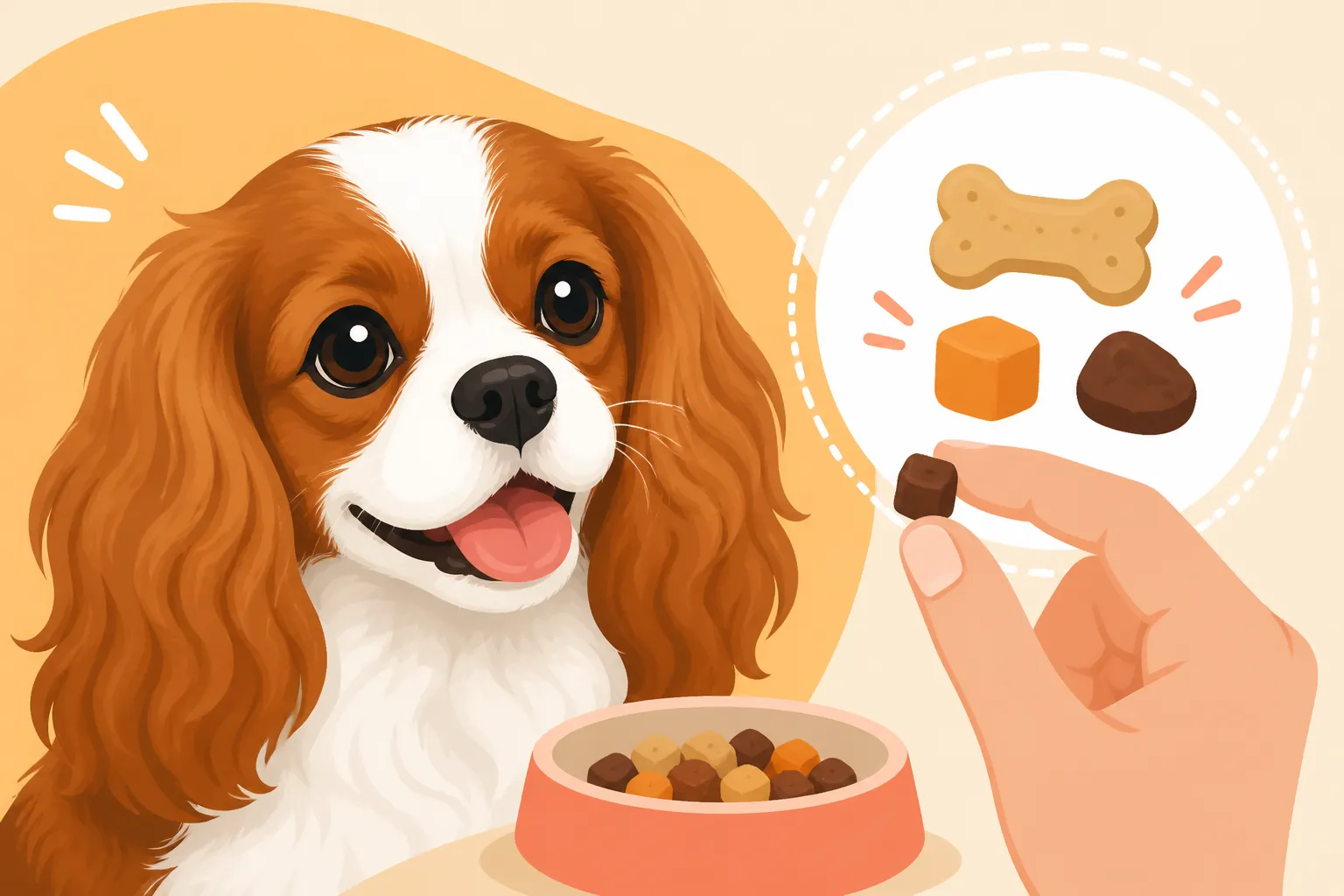
Making healthy treat choices for your Cavalier doesn't mean you have to stop giving them altogether. It just means being a little smarter and more intentional about what you offer. There are plenty of fantastic, low-calorie options that will still make your Cavalier feel loved and rewarded.
Fresh Fruits and Vegetables as Healthy Rewards
Nature's candy is often the best choice for a low-calorie, nutrient-dense treat. Many fruits and vegetables are perfectly safe and offer vitamins, minerals, and fiber without a huge caloric load. Just remember to always introduce new foods slowly and in small quantities to avoid upsetting their stomach.
Safe and Recommended Options:
- Carrots: Crunchy and good for dental health. Offer a small slice or a baby carrot.
- Green Beans: Low in calories and satisfyingly crunchy. Many Cavaliers adore them!
- Blueberries: A tiny burst of antioxidants. Offer 2-3 berries at a time.
- Apple Slices: (without seeds or core) A sweet, refreshing treat.
- Cucumber: Mostly water, very low calorie, and hydrating.
- Broccoli florets: Steamed or raw in small pieces.
- Pumpkin: Plain, canned pumpkin (not pie filling) is excellent for digestion and low in calories.
- Banana: In moderation, due to higher sugar content. A tiny sliver is plenty.
Always avoid grapes, raisins, onions, garlic, avocado, and anything with xylitol (a sugar substitute, often found in human foods and some sugar-free gum), as these are toxic to dogs.
Lean Protein Options for Training and Snacking
For high-value rewards, especially during training, small pieces of lean, cooked protein can be incredibly effective. These are often more appealing to dogs than fruits or vegetables and can keep them highly motivated without adding many calories. The key is small portions – think pea-sized or even smaller.
- Cooked Chicken Breast: Plain, boiled, or baked chicken breast, shredded or diced into tiny bits. Remove all skin and bones.
- Cooked Turkey: Similar to chicken, plain and lean.
- Cooked White Fish: Plain, unseasoned, and boneless white fish (like cod or tilapia) can be a delightful, high-value treat for many Cavaliers.
- Hard-Boiled Egg: A small piece of hard-boiled egg white can be a great protein boost.
These protein treats are fantastic for Keeping a Cavalier Focused in a Short Session during training because their high appeal means you can use very tiny pieces and still get excellent results. Just be mindful of any seasonings or oils used in preparation if it's human food.
Store-Bought Low-Calorie Options
The market has thankfully started to cater more to smaller breeds and dogs with specific dietary needs. You can find commercial treats explicitly labeled as "low-calorie" or "training treats" that come in very small sizes. These are excellent for convenience.
When shopping, look for treats with:
- Clear Calorie Counts: Ideally, calorie information per treat.
- Whole Ingredients: Meat or vegetables should be among the first ingredients.
- Small Size: Treats that are already tiny, or easily broken into smaller pieces.
- Limited Additives: Avoid artificial colors, flavors, and preservatives.
Brands like Zuke's Mini Naturals, Wellness Soft Puppy Bites (even for adults if they're small and low calorie), or specific dental chews designed for toy breeds can be good options. Websites like Chewy and Amazon offer extensive filters to search for low-calorie, small-breed specific treats, making it easier to find appropriate options without leaving home. Always compare ingredient lists and calorie statements from various brands.
Integrating Treats into Your Cavalier's Diet Responsibly
The goal isn't to eliminate treats entirely, but to integrate them thoughtfully and responsibly into your Cavalier's overall diet. Treats should enhance their life, not endanger their health. It's about balance and conscious choices.
The 10% Rule for Treats
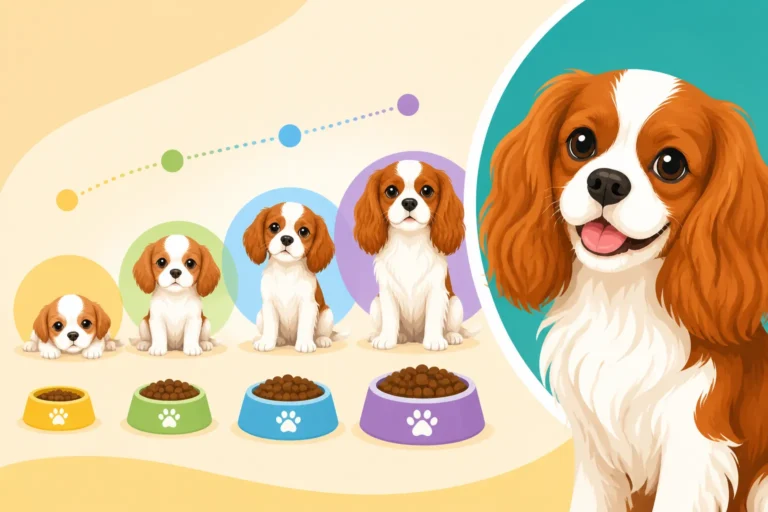
A widely accepted guideline among veterinarians is the "10% rule." This means that treats should make up no more than 10% of your dog's total daily caloric intake. If your Cavalier needs 400 calories a day, then only 40 of those calories should come from treats. This simple rule helps prevent overfeeding and ensures that the vast majority of their nutrition comes from a balanced, complete dog food.
To apply this rule effectively, you'll need to know the calorie content of both your Cavalier's main food and the treats you offer. This often requires a bit of math, but it's well worth the effort for their health. If you find yourself consistently going over the 10% limit, it’s a clear sign you need to cut back on either the quantity or the caloric density of the treats you're giving. Even better, consider a fresh food option like Ollie, where portions are carefully controlled and ingredients are human-grade, offering nutrient-dense meals that might allow for a tiny piece of their food to double as a high-value treat.
Using Treats for Training and Enrichment
Treats are incredibly powerful motivators, especially for a smart, eager-to-please breed like the Cavalier. They can be invaluable for positive reinforcement training, helping your dog learn new commands, reinforce good behavior, or make a scary situation less intimidating. The trick is to use them strategically and sparingly.
Instead of one large biscuit, break it into tiny, pea-sized pieces. Your Cavalier doesn't care about the size; they care about the frequency of the reward. Giving many small pieces for different steps in a training exercise keeps them engaged and thinking, rather than just waiting for one big payoff. You can also use treats for enrichment, such as hiding small bits in a puzzle toy or a snuffle mat, which provides mental stimulation without a huge caloric burden. Just remember to Five-Minute Training Sessions With a Cavalier can be highly effective, and don't require many treats if they are high-value.
Non-Food Rewards and Affection
While treats are great, it's vital to teach your Cavalier that love and praise don't always come with calories. For a breed that thrives on human companionship, affection, verbal praise, and play can be incredibly rewarding. Incorporating non-food rewards helps build a stronger bond with your dog and reduces their reliance on food as the sole motivator.
Ideas for Non-Food Rewards:
- Verbal Praise: Enthusiastic "Good dog!" or "Yes!"
- Petting and Cuddles: A belly rub or a scratch behind the ears.
- Favorite Toy: A quick game of fetch or tug.
- Short Play Session: Five minutes of chasing a squeaky toy.
- Walk or Outing: A trip to the park or a car ride.
Varying your rewards keeps your Cavalier guessing and ensures they don't become solely dependent on food. It teaches them that their good behavior earns them all kinds of good things, not just edibles. For A Cavalier That Refuses Stairs due to pain, a gentle lift or quiet praise can be a reward for even small efforts.
Homemade Treat Ideas for Calorie Control
Taking control of your Cavalier's treats often means taking them into your own kitchen. Homemade treats allow you to dictate every single ingredient, ensuring they are healthy, low-calorie, and free from any unwanted additives. Plus, it's a fun way to bond with your pup!
Simple Recipes for Cavalier-Friendly Snacks
Making your own treats doesn't have to be complicated or time-consuming. Simple, single-ingredient options are often the best. The goal is wholesome goodness that fits a small ration.
- Frozen Pumpkin Cubes: Mix plain canned pumpkin (100% pumpkin, no spices!) with a little water or low-sodium broth, pour into an ice cube tray, and freeze. These are wonderfully refreshing and great for digestion.
- Baked Sweet Potato Chews: Slice a sweet potato into thin rounds or sticks. Bake slowly at a low temperature (around 250°F or 120°C) until dried and chewy. These can take a while but are a fantastic, natural chew.
- Mini Chicken or Tuna Bites: Mix finely shredded, cooked chicken breast or drained, plain canned tuna (in water, no salt added) with one egg and a tablespoon of whole wheat flour (or gluten-free flour if needed). Form into tiny balls or press into a thin sheet and cut into small squares. Bake at 350°F (175°C) for about 15-20 minutes until firm.
- Broth-Sicles: Freeze low-sodium chicken or beef broth in tiny ice cube trays. A small, flavorful lick-able treat.
These homemade options give you complete control, which is especially important if your Cavalier has specific dietary sensitivities or requires a Prescription Cardiac Diets for a Cavalier where sodium and other ingredients need strict monitoring.
Portioning and Storage for Homemade Treats
The beauty of homemade treats is that you can make them as tiny as you need them to be. For a Cavalier, think "miniature." Aim for pieces no larger than a pencil eraser. This way, you can give several small rewards without adding a significant number of calories.
- Storage: Most homemade treats, especially those made with fresh ingredients, will need to be stored in the refrigerator in an airtight container for 3-5 days. If you've made a larger batch, freezing is your best friend! Freeze portions in small bags or containers, then thaw them as needed. This prevents spoilage and ensures you always have a healthy option on hand.
- Labeling: Label your containers with the date they were made to ensure freshness.
Remember to consider the ingredients when determining shelf life. Dry, baked items will last longer than fresh fruit or meat-based treats. You can find many kitchen gadgets on Amazon that help with small portioning, like silicone mini-muffin molds or even candy molds, perfect for tiny dog treats.
Consulting Your Vet for Dietary Adjustments
No matter how diligent you are with your homemade treats, always keep your veterinarian in the loop. They are your best resource for nutritional advice, especially if your Cavalier has any underlying health conditions. What might be a healthy treat for one Cavalier could be problematic for another.
For instance, if your Cavalier is on a prescription diet for Medication for a Cavalier With Heart Disease, your vet might have very specific guidelines about what treats are permissible to ensure the diet's effectiveness. They can advise on appropriate ingredients, portion sizes, and frequency, ensuring that your thoughtful treat choices truly support your Cavalier's health rather than inadvertently causing issues. Whether Diet Slows a Cavalier's Heart Disease is a question best answered with your vet's input, as individual needs vary greatly.
Special Considerations for Cavaliers with Health Conditions
Cavaliers are unfortunately predisposed to several health conditions, many of which require careful dietary management. When selecting treats, it's even more crucial to consider these specific needs to avoid exacerbating their conditions.
Treats for Cavaliers with Heart Disease
Mitral Valve Disease (MVD) is incredibly common in Cavaliers, and for those diagnosed with it, diet plays a significant role in managing the condition. Sodium intake, in particular, needs to be monitored very carefully. High sodium can lead to fluid retention, putting extra strain on the heart and potentially accelerating the progression of heart failure.
- Low Sodium is Key: This means rigorously avoiding processed treats like jerky, cheese, deli meats, or most commercial biscuits, which are often surprisingly high in sodium. Even treats seemingly marketed as "healthy" can contain added salt.
- Homemade is Best: As discussed, homemade treats offer the most control. Plain, unsalted cooked chicken or turkey, plain steamed green beans, or small pieces of apple are excellent choices.
- Read Labels Diligently: If buying commercial treats, look for "low sodium" or "no added salt" claims. Even then, verify the actual sodium content per serving. Salt Levels a Cavalier Heart Patient Should Avoid provides more context on this critical dietary concern.
Always discuss treat options with your cardiologist or primary vet if your Cavalier has been diagnosed with heart disease.
Managing Treats for Diabetic or Pancreatitis-Prone Cavaliers
For Cavaliers with conditions like diabetes or a history of pancreatitis, treat selection becomes even more stringent. These conditions require very precise dietary management to maintain stable blood sugar levels or prevent painful pancreatic flare-ups.
- Diabetes: Treats for diabetic Cavaliers must be extremely low in sugar and carbohydrates to avoid spiking blood glucose. Small pieces of lean protein like cooked chicken, or low-starch vegetables like green beans, are usually the safest bets. Any treats must be accounted for in their daily insulin and meal plan, and often need to be given at specific times relative to their medication.
- Pancreatitis: Dogs prone to pancreatitis require a very low-fat diet. This means absolutely no fatty treats, rich chews, or anything with significant oil content. Even lean meats should be given sparingly and only with veterinary approval. Plain, cooked pumpkin or steamed vegetables in very small quantities might be suitable, but always, always consult your vet. Pancreatitis in a Cavalier is a serious condition where dietary discretion is paramount.
In both these cases, your vet will provide the most specific and safe recommendations. It's often best to stick to just a handful of approved items to minimize risk.
Avoiding Allergy Triggers in Treats
Just like people, Cavaliers can suffer from food allergies or sensitivities, which can manifest as skin issues (itchiness, rashes, ear infections) or digestive upset (vomiting, diarrhea). If your Cavalier has known allergies, their treats must be free of those specific triggers.
- Common Allergens: Wheat, corn, soy, dairy, chicken, and beef are among the most common canine allergens.
- Single-Ingredient Treats: The best approach for allergic Cavaliers is often single-ingredient treats, such as a piece of baked sweet potato or a small cube of cooked venison if they're on a novel protein diet. This minimizes the risk of hidden allergens.
- Hypoallergenic Options: Some commercial brands offer "hypoallergenic" treats, but always check the ingredient list carefully to ensure it doesn't contain any of your dog's specific triggers.
- Novel Proteins: If your Cavalier is on a limited ingredient or novel protein diet for allergies, stick to treats made from those same protein sources. Skin Allergies in a Cavalier can be a frustrating problem to manage, and treats often play a hidden role in flare-ups.
Always choose treats that complement, rather than contradict, any special diet your veterinarian has prescribed for your Cavalier's health conditions. Their well-being depends on your careful choices!
Here’s a quick reference table to help you make smart treat choices for your Cavalier:
| Treat Type | Examples | Calories (Approx.) | Benefits | Considerations |
|---|---|---|---|---|
| Fresh Fruits & Veggies | Carrots, green beans, blueberries, apple | Very Low | Vitamins, fiber, hydration, dental health | Must avoid toxic foods (grapes, onions, etc.); portion control for fruit sugar |
| Lean Proteins | Cooked chicken breast, turkey, white fish | Low | High-value, good for training, muscle support | Must be plain, unseasoned, boneless; very small portions needed |
| Commercial Low-Calorie | Zuke's Mini Naturals, Wellness Soft Bites | Low to Moderate | Convenient, designed for small breeds, portion-controlled | Read labels for calorie count, hidden fillers, sodium; check for allergens |
| Homemade | Frozen pumpkin cubes, baked sweet potato | Very Low | Full control over ingredients, no additives, customizable | Requires preparation time, proper storage is crucial |
| High-Calorie/Avoid | Cheese, jerky, rawhides, fatty meats, most biscuits | High | Often highly palatable | High fat, high sodium, empty calories; easily leads to weight gain and health issues |
Disclaimer
This article is for general informational purposes only and does not constitute professional advice. Laws, prices and regulations vary by location and change over time. Consult a qualified professional for guidance on your specific situation.