The Five Minutes a Day a Cavalier Coat Takes
It’s easy to look at a Cavalier King Charles Spaniel with their flowing, silken coats and immediately think, "Wow, that must be a lot of work." Many new Cavalier parents feel overwhelmed by the thought of constant grooming, imagining hours spent untangling knots. But here's a little secret from us seasoned Cavalier parents: consistent, daily coat care for your Cavalier doesn't have to be a monumental task. In fact, you can keep your beloved companion looking pristine and feeling comfortable with just about five minutes of dedicated attention each day. This guide will walk you through exactly how to achieve that manageable routine, proving that a beautiful Cavalier coat is absolutely within reach without demanding your entire morning.
Understanding Your Cavalier's Unique Coat
Before we dive into the daily routine, it helps to understand what makes a Cavalier's coat so special, and why it requires specific attention. Their fur is not like that of every other breed, and knowing its quirks is the first step to mastering its care.
The Single Coat Advantage and Challenge
Unlike many breeds that boast a thick double coat with a dense underlayer for insulation, Cavaliers proudly wear a single coat. This means their fur is composed primarily of silky guard hairs, which are long, soft, and lay close to the body. This characteristic gives them that luxurious, flowing appearance we all adore.
The "advantage" of a single coat is often less intense, seasonal shedding compared to breeds that "blow" their undercoats twice a year. You'll still find Cavalier hair around the house, especially during seasonal changes, but it's typically a more consistent, manageable shedding rather than overwhelming clumps. However, this single-coat structure presents its own "challenge." The fine, silky texture, while beautiful, is incredibly prone to matting. Mats are essentially tangled clumps of fur that become tightly woven together, often caused by friction, moisture, and static electricity. A small tangle, if left unchecked for even a day or two, can quickly snowball into a tight, painful mat that pulls at your dog's skin. This is why daily attention is so crucial; it's about preventing these small problems from becoming much larger, much more uncomfortable issues for your sweet Cavalier.
Where Mats Love to Hide
If you're going to commit just five minutes a day to your Cavalier's coat, you need to know where to focus your efforts. Mats aren't usually randomly distributed across the body; they have their favorite "hot spots" where the fur is finer, there's more friction, or moisture tends to linger. These are the areas you'll want to target with particular diligence during your quick daily brush.
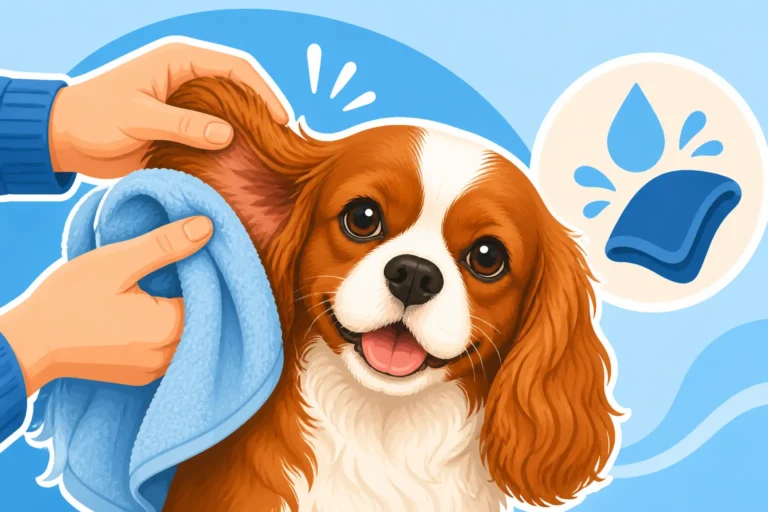
The most common culprits include the delicate fur behind the ears. This area sees a lot of movement, moisture (from ear canals, if not kept dry), and friction from the ear flap itself. Next are the armpits and groin area, where the legs rub against the body, and the fur is often softer and more susceptible to tangling. Think about how often your Cavalier lies down, stretches, or plays – all these movements create friction in these regions. Another prime location is underneath the collar or harness. The constant rubbing of these accessories can quickly create a tight, painful mat right at the base of the neck or across the chest. Finally, those glorious long feathers on their legs, chest, and tail, while stunning, are also highly susceptible to picking up debris and forming tangles, especially after walks. Knowing these areas intimately will make your five-minute routine incredibly efficient and effective. You can often prevent a major headache by spending an extra 30 seconds focusing on these key zones.
Your Daily Five-Minute Grooming Routine
Now that you understand the intricacies of your Cavalier’s coat, let’s get down to the practical steps. This isn't about lengthy grooming sessions; it's about quick, consistent habits that prevent problems before they start.
The Essential Tools for Success
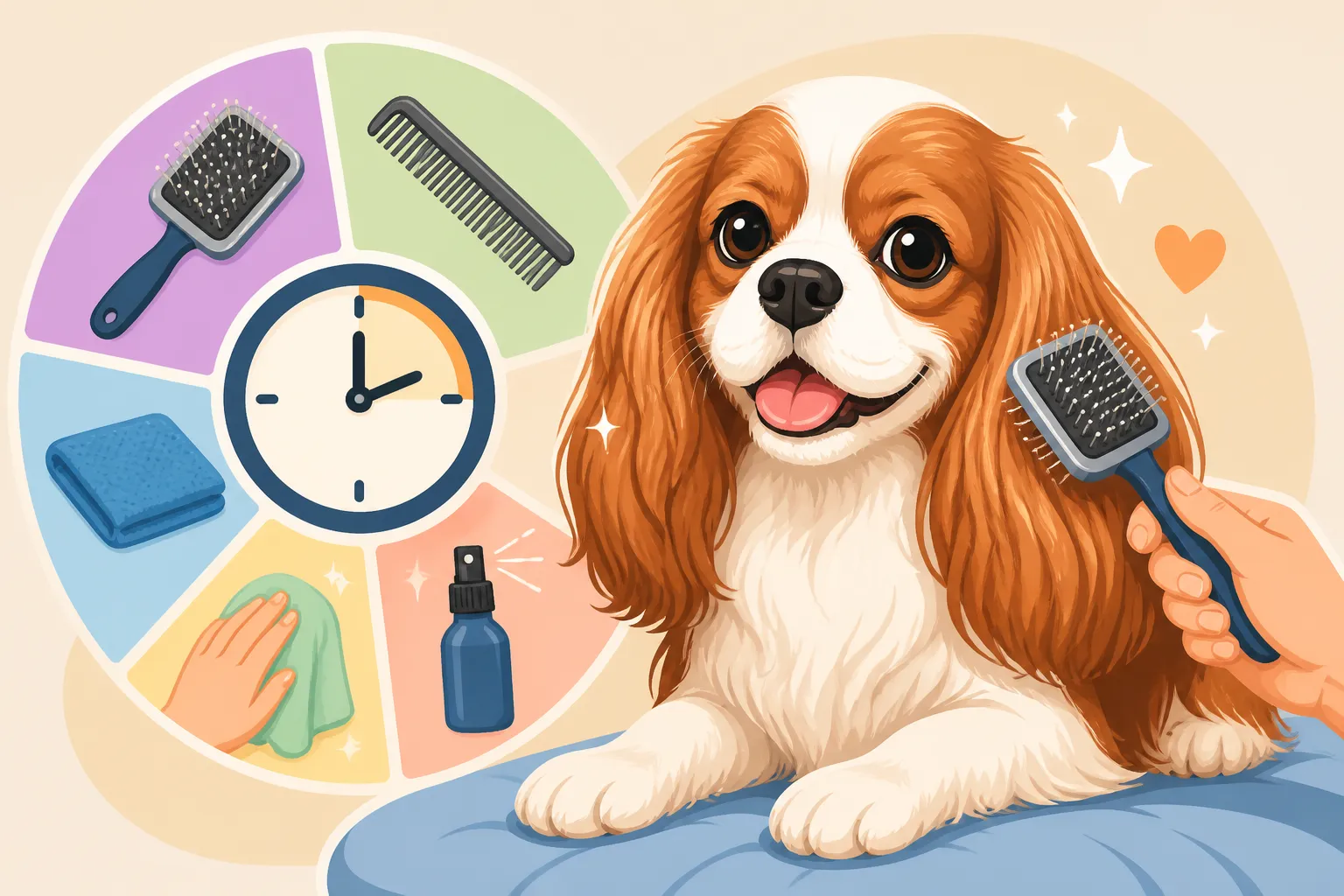
You don't need a professional groomer's toolkit to maintain your Cavalier's coat daily, but having the right basic instruments makes all the difference. Think of these as your essential weapons in the battle against mats and tangles. The two most crucial items are a good quality slicker brush and a sturdy metal comb.
A slicker brush, with its fine, wire bristles, is perfect for general untangling, removing loose hair, and smoothing the coat. It's your primary tool for covering larger areas of the body quickly. However, a slicker brush isn't always enough for those deeper, more stubborn tangles or for truly separating the delicate feathering. That's where a metal comb, often called a greyhound comb, comes in. These combs typically have two widths of teeth – wider on one end, finer on the other – allowing you to tackle different types of tangles. The wider teeth can start to break up larger knots, while the finer teeth are indispensable for meticulously working through the feathering on ears, legs, and tail, as well as checking for any missed mats in those notorious hot spots. You might also find a good quality detangling spray to be a lifesaver; a quick spritz on a troublesome spot can help the comb glide through knots without pain. You can often find excellent detangling sprays and other grooming essentials on Amazon or through pet specialty retailers. Having these tools readily accessible and in good condition is paramount for making your daily five minutes effective and stress-free for both you and your Cavalier. The Brush and Comb a Cavalier Coat Needs provides more detail on selecting the best tools.
The Step-by-Step Five Minutes
Ready to put those tools to use? Here’s how to break down your five-minute daily routine to keep your Cavalier's coat in tip-top shape. Consistency is the magic word here; a little bit every day prevents a lot of work later on.
First, begin with a quick overall slicker brush over your Cavalier's entire body. Start at the head and work your way down their back, sides, and belly. Use gentle, sweeping strokes, making sure to lift the hair slightly to catch any loose fur and superficial tangles. This step should only take about two minutes and serves as a general check-up for their coat. It helps distribute natural oils and stimulates the skin. Resist the urge to press too hard with the slicker brush, as the wire bristles can scratch their delicate skin if not used with a light hand. You're aiming for a gentle sweep, not a deep scrub.
Next, it's time for targeted combing, focusing on those notorious mat-prone areas. Pick up your metal comb. Spend about two minutes meticulously working through the fur behind their ears, in their armpits, and around their groin. For areas like behind the ears, gently hold the hair at the base near the skin with one hand while you comb outwards with the other. This "root-to-tip" method prevents pulling on the skin if you hit a tangle. If you encounter a knot, don't pull! Instead, gently pick at the edges of the mat with the teeth of the comb, slowly working your way through it. This is where a little detangling spray can be beneficial. Be extra careful in the armpits and groin, as these areas are very sensitive. Combing Behind a Cavalier's Ears and Mats in a Cavalier's Armpits and Groin offer detailed advice for these tricky spots.
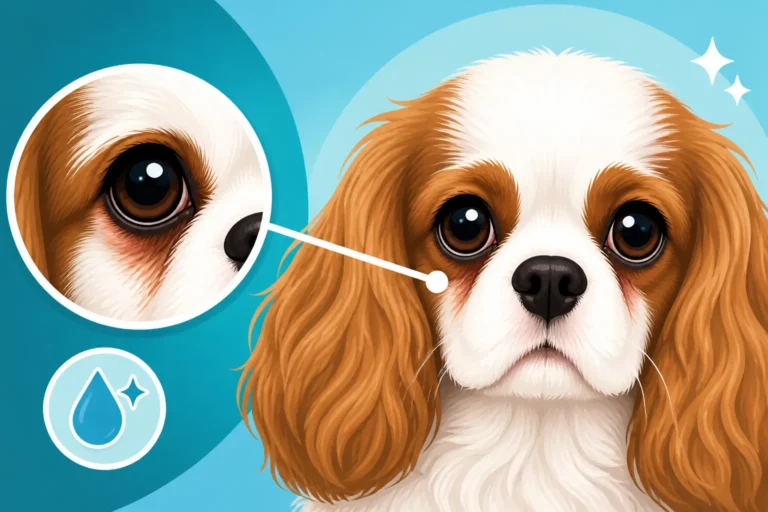
Finally, dedicate the last minute to a feathering check and muzzle/eye wipe. Gently comb through the long feathering on your Cavalier's legs, chest, and tail. These areas tend to pick up burrs, twigs, and general debris during walks, which can quickly lead to mats. Make sure to check between their paw pads too, as hair can grow long there and collect dirt. If you notice any tear staining or food residue around their prominent eyes or muzzle, a quick wipe with a damp, soft cloth is perfect. Finish with some genuine praise and a small, healthy treat to make the experience positive. This helps your Cavalier associate grooming with good things, making future sessions even easier. Remember, even a quick brush, if done consistently, means you're proactively addressing potential issues before they become painful tangles. Brushing a Cavalier in Sections So Nothing Is Missed can help you visualize this systematic approach, even for short daily sessions.
| Grooming Step | Tool(s) Needed | Time Allotted (Approx.) | Key Focus Area(s) |
|---|---|---|---|
| Overall Body Brush | Slicker Brush | 2 minutes | Back, sides, belly – general loose hair & tangles |
| Targeted Combing | Metal Comb | 2 minutes | Behind ears, armpits, groin – mat hot spots |
| Feathering & Eye/Muzzle Check | Metal Comb, Damp Cloth | 1 minute | Leg/chest/tail feathering, eye corners, muzzle folds |
| Total Daily Time | 5 minutes | Consistency is key! |
Beyond the Daily Brush: Maintaining Coat Health
While those five minutes of daily brushing are your frontline defense against mats and discomfort, true coat health is a holistic endeavor. What goes into your Cavalier, and how often they get a deeper clean, plays a significant role in the overall quality and manageability of their beautiful fur.
The Role of Diet and Supplements
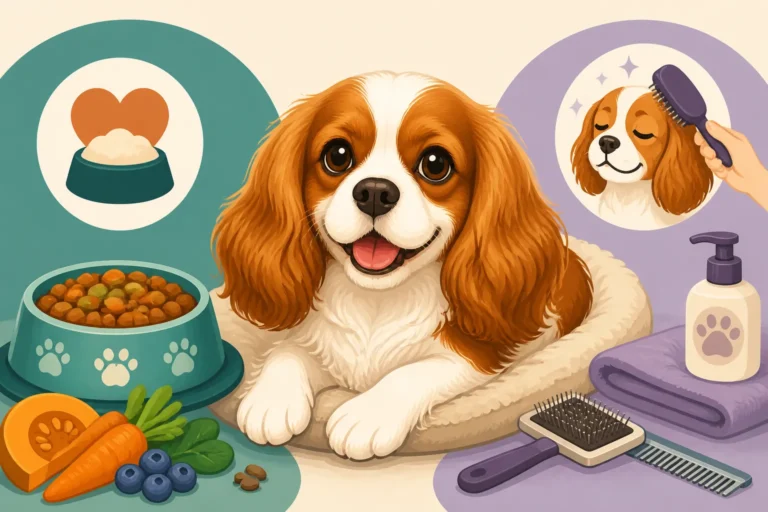
You know the saying, "You are what you eat," and the same absolutely holds true for your Cavalier's coat. A diet rich in high-quality protein, essential fatty acids, and balanced vitamins and minerals is foundational to a lustrous, healthy coat. When your Cavalier is eating well, their skin is healthier, which in turn supports stronger hair follicles, leading to a shinier, softer, and more resilient coat that may even be less prone to breakage and tangling. Conversely, a poor diet can manifest as a dull, dry, brittle coat that mats more easily and sheds excessively.
Many owners find great success with high-quality kibble that lists real meat as the first ingredient, or even fresh-prepared meal services. Brands like Ollie, known for their human-grade ingredients, can contribute significantly to coat health, as can many premium kibble brands you might find on Chewy. Beyond a complete diet, certain supplements can give an added boost. Omega fatty acids, particularly Omega-3s found in fish oil, are renowned for their benefits to skin and coat health. They help reduce inflammation, moisturize the skin, and give the coat a beautiful, healthy sheen. Before adding any supplements to your Cavalier's diet, especially if they have existing health conditions like heart disease, it's always best to chat with your veterinarian. Fish Oil for a Cavalier With Heart Disease can offer insights, as the benefits of these oils extend beyond just the coat.
Bathing and Professional Grooming
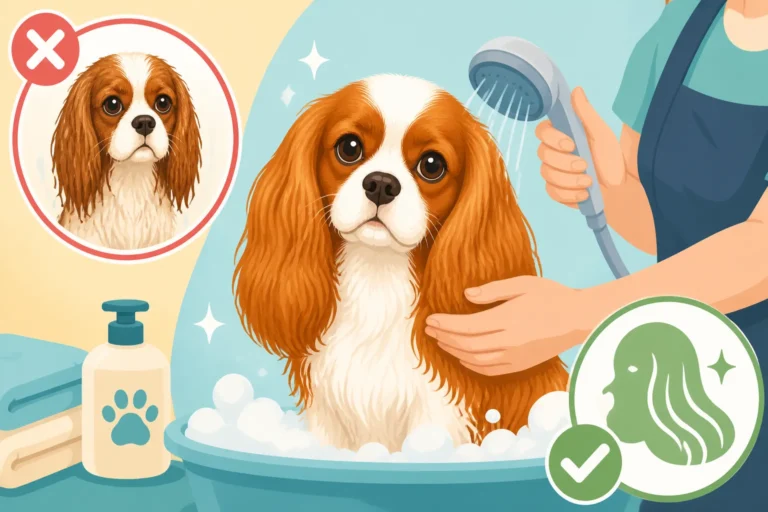
Even with a meticulous five-minute daily routine, your Cavalier will still need a proper bath from time to time. How often depends on their lifestyle – a country Cavalier who loves to roll in mud will need more frequent baths than a city dweller who primarily enjoys indoor cuddles. Generally, every few weeks to once a month is a good guideline, or whenever they get noticeably dirty or smelly. The key during bathing is to use a good quality, pH-balanced dog shampoo and conditioner specifically formulated for silky coats. These products help to clean without stripping natural oils, and the conditioner helps to detangle and smooth the hair, making it less prone to future matting. Always ensure you rinse thoroughly to prevent skin irritation. Bathing a Cavalier Without Flattening the Coat offers great tips on how to handle the process.
While you can certainly handle most of your Cavalier's grooming needs at home, occasional visits to a professional groomer can be incredibly beneficial. A groomer can perform essential tasks like sanitary trims, carefully trim the hair between paw pads, and tidy up the feathering on their feet and hocks to keep them looking neat and preventing debris collection. They also have specialized drying equipment that can ensure your Cavalier's coat is thoroughly dried, which is crucial for preventing mats and skin issues. Regular professional grooms, perhaps every 6-8 weeks, can complement your daily efforts, ensuring your Cavalier always looks their best. It's especially helpful to find a groomer who has experience with Cavaliers and understands their specific coat type. Finding a Groomer Who Knows Cavalier Coats can guide you on selecting the right person for the job.
Common Coat Challenges and Quick Solutions
Even with the best intentions and a diligent daily routine, life happens! Your Cavalier might roll in something unexpected, or a tiny knot might escape your notice until it’s a bit more formidable. Knowing how to handle these common challenges quickly can save you a lot of stress and keep your Cavalier comfortable.
Dealing with Unexpected Tangles and Debris
Imagine this: you've just come back from a lovely walk in the park, and your adventurous Cavalier has somehow managed to acquire a burr the size of a marble firmly embedded in their ear feathering, or perhaps some sticky sap from a tree branch is clinging to their leg. These unexpected encounters can quickly turn into painful mats if not addressed promptly and correctly. The golden rule here is patience, not force. Never, ever try to yank or pull a burr or a sticky tangle out directly.
Instead, arm yourself with a few simple tricks. For burrs, you can often gently pick them apart with your fingers, working from the outside in. If they're really tenacious, a touch of cornstarch or even a tiny amount of olive oil rubbed into the burr can help loosen its grip, allowing you to carefully comb it out. For sticky substances like sap, peanut butter (yes, really!) or a dab of vegetable oil can help dissolve the stickiness, making it easier to comb through gently. Always follow up with a mild dog shampoo to remove any residue. For general tangles that are a bit more stubborn than usual, a liberal spray of detangling solution designed for dogs can be incredibly effective. Spray the tangled area, let it sit for a minute, and then use your metal comb to gently pick at the knot from the outside edges, gradually working your way inwards. Hold the hair at the base of the tangle to minimize pulling on their skin. A calm approach and the right technique will prevent a small issue from becoming a traumatic experience. For larger, more complex tangles, the advice in Cutting a Mat Out of a Cavalier Safely might be helpful, but always prioritize gentleness to avoid hurting your dog.
Preventing Mats from Escalating
The single most effective way to prevent mats from escalating is, unequivocally, that consistent daily check. Think of your five-minute routine not just as grooming, but as a preventative inspection. It's during these quick sessions that you catch those tiny knots forming behind the ears or in the armpits before they have a chance to grow. A tiny knot, easily removed in seconds with a comb, can, if ignored, become a dense, felted mat within a day or two, especially in high-friction areas.
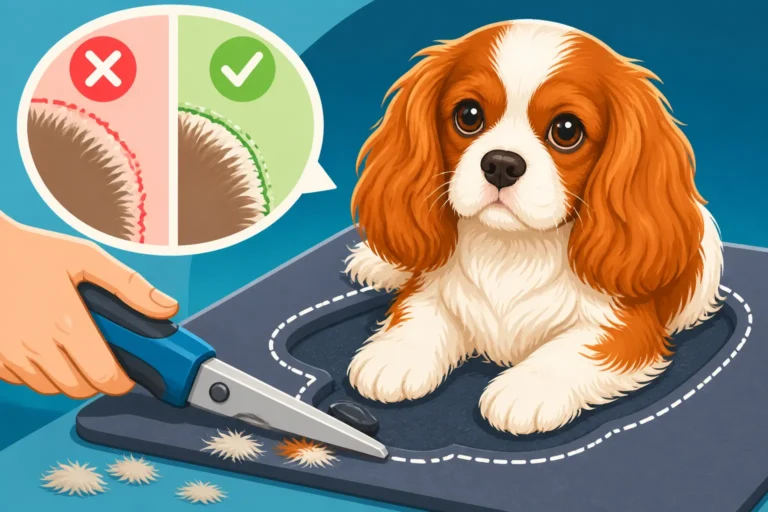
These felted mats are more than just unsightly; they are incredibly painful. They pull on the skin, restrict movement, and can even hide skin infections. Once a mat becomes too tight and close to the skin, it's often impossible to comb out without causing significant discomfort or even injury. At this point, the kindest and safest solution is usually to carefully clip or shave the mat out. While no one wants to shave their Cavalier's beautiful coat, leaving a tight mat in place is far more detrimental to their well-being. If you find a mat that you simply cannot address gently and effectively at home, do not hesitate to contact a professional groomer or your veterinarian. They have the right tools and expertise to remove it safely and with the least amount of stress for your dog. Remember, it's never a failure to seek help when a mat has gotten out of hand; it's a responsible choice for your Cavalier's comfort. Prevention is always better than cure, but if a mat does escalate, When a Matted Cavalier Has to Be Shaved details the process and what to expect.
Disclaimer
This article is for general informational purposes only and does not constitute professional advice. Laws, prices and regulations vary by location and change over time. Consult a qualified professional for guidance on your specific situation.