Whether a Cavalier Needs a Metal Comb
If you're a Cavalier King Charles Spaniel owner, you've probably looked at your pup's gorgeous, flowing coat and wondered what on earth it takes to keep it looking that way. It’s a common frustration to see those beautiful long feathers start to tangle or mat, and many people ask if a simple brush is enough, or if a metal comb is truly a necessity. This guide will walk you through why a metal comb isn't just a "nice-to-have" but a crucial tool for maintaining your Cavalier's unique fur.
The Undeniable Truth: Why a Metal Comb is Essential for a Cavalier's Coat
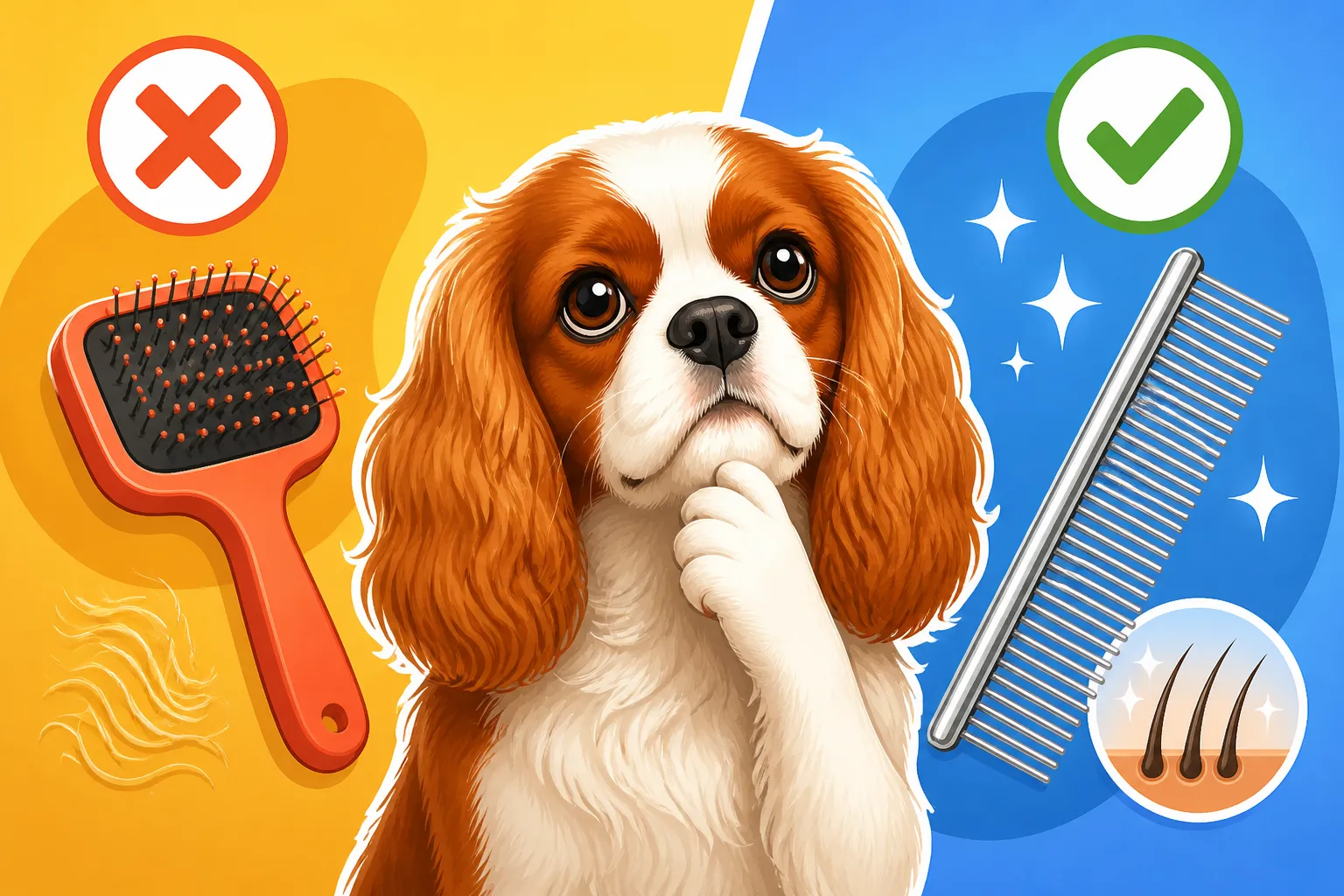
Let's be honest, that silky, luxurious Cavalier coat is one of their most endearing features, but it's also a magnet for tangles, mats, and all sorts of debris. Unlike some other breeds with a thick undercoat, Cavaliers have a single coat that, while beautiful, is prone to knotting, especially in those magnificent featherings. A slicker brush or pin brush is fantastic for surface grooming and removing loose hair, but it often glides right over the smaller, tighter knots that hide deep within the coat, particularly in the longer feathered areas. This is where a sturdy metal comb becomes absolutely indispensable.
The Cavalier Coat's Unique Challenges
Cavaliers don't have a double coat, which means their single layer of fur is fine and prone to static and matting. Areas like behind the ears, under the armpits, and the long feathering on their legs and tail are notorious mat magnets. A regular brush might make the top layer look smooth and shiny, but underneath, insidious little tangles can be forming, slowly tightening into painful mats. These mats not only look unsightly but can pull on your dog's skin, causing discomfort, irritation, and even skin infections if left untended. Imagine having a tight knot pulling on your scalp all day – that's what a mat feels like to your Cavalier. It's truly a pain point for many owners to discover these hidden mats too late.
Why Brushes Alone Aren't Enough
While a good quality Slicker Brush on Cavalier Feathering is excellent for daily maintenance and distributing natural oils, it simply cannot reach the roots of the hair or break up small knots effectively. The bristles of a slicker brush, while good for general detangling and shedding, are designed to skim the surface. Pin brushes are better for deeper penetration but still lack the fine-tooth precision needed to work through the specific type of mats that form in a Cavalier's soft coat. Without a comb, you're essentially just smoothing the surface while deeper issues fester. It's like sweeping dust under the rug – it looks clean, but the problem is still there, just out of sight.
Detecting and Preventing Mats
A metal comb is your best defense against matting because it allows you to systematically work through the coat, section by section, down to the skin. By doing this regularly – ideally every other day or at least three times a week – you can catch small tangles before they escalate into serious mats. Run the comb through the fur, and if it snags, you know you've found a knot. This preventative approach saves you from much larger, more painful, and often more costly interventions down the line, such as professional dematting or even shaving. Mats Behind a Cavalier's Ear Leather are particularly common, and a fine-toothed metal comb is essential for gently tackling these sensitive areas.
Picking the Perfect Partner: Different Types of Metal Combs for Your Cavalier
Not all metal combs are created equal, and having the right one (or a few different ones) can make a world of difference in your grooming routine. The type of comb you choose depends on the specific task at hand and the area of your Cavalier's body you're working on. It's not about finding one magic comb, but rather understanding which tool is best for each part of your dog.
The Essential All-Purpose Metal Comb
For general grooming, a medium-to-wide-toothed stainless steel comb is a fantastic starting point. These combs usually have two different tooth spacings – wider teeth on one half, and finer teeth on the other. This versatility makes them incredibly useful. You can start with the wider teeth to gently work through larger sections of feathering, and then switch to the finer teeth for a more thorough check and to catch any smaller tangles. Stainless steel is preferred because it's durable, easy to clean, and won't rust. Many reputable brands offer excellent combs; you can often find a good selection on sites like Amazon or at specialty pet stores.
Fine-Toothed Combs for Delicate Areas
For those particularly delicate and prone-to-matting areas, such as behind the ears, the facial feathering, and the underside of the tail, a finer-toothed metal comb is invaluable. These combs have very closely spaced teeth, allowing them to gently tease apart tiny knots that wider combs might miss. However, use these with extreme care, as pulling too hard with a fine comb can cause discomfort. It's all about patience and a light touch. This comb is also excellent for addressing Tear Staining on a White Cavalier Face by gently combing away crust and debris after cleaning.
Deshedding Combs and Rakes (Use with Caution)
While Cavaliers don't have a traditional undercoat, they do shed, and some tools are marketed as "deshedding combs" or "rakes." These typically have longer, often rotating teeth. While they can be useful for removing loose hair, especially during seasonal shedding, they need to be used with great caution on a Cavalier's single coat. Aggressive use can cut or damage the hair, leading to breakage and even thinning. Stick to the classic metal comb for detangling and only use a deshedding tool very gently, if at all, and sparingly for loose hair, always following up with your regular comb to ensure no snags.
Here's a quick comparison of common metal comb types:
| Comb Type | Tooth Spacing | Primary Use | Ideal For |
|---|---|---|---|
| All-Purpose (Greyhound) Comb | Wide & Fine Sections | General detangling, checking for knots, finishing. Versatile. | Whole body, especially long feathering on legs, tail, and body. Use wide teeth first, then fine. |
| Fine-Toothed Comb | Very Fine/Close | Gently teasing out small tangles, removing debris. | Delicate areas like behind ears (Mats Behind a Cavalier's Ear Leather), around the face, small knots in tail feathering. Requires a very gentle hand. |
| Mat Comb/Dematter | Bladed or Serrated | Removing severe mats. Use with extreme caution; often best left to a professional groomer to avoid injury. | Very serious, tight mats that cannot be combed out. Only for experienced users. Often a last resort before shaving. |
| Flea Comb | Extremely Fine | Detecting fleas and flea dirt. | All over the body, especially around the neck, base of the tail, and abdomen. More for health checks than detangling. |
Remember, the goal is always to be gentle and make grooming a positive experience for your Cavalier.
Mastering the Technique: How to Use Your Metal Comb Effectively
Simply owning a metal comb isn't enough; knowing how to use it correctly is key to a pain-free experience for your Cavalier and a beautifully maintained coat. It's all about working methodically and gently, making sure you reach every part of that gorgeous fur. This isn't a race; it's a bonding experience.
Sectioning is Your Best Friend
Never just rake a comb through your Cavalier's entire coat all at once. This is a sure-fire way to cause pain and resentment towards grooming. Instead, approach it like a professional groomer: section by section. Start with a small area, perhaps a leg or the top of the back. Hold the hair at the base near the skin with one hand while you comb through the ends with the other. This technique, called "line brushing," prevents the comb from pulling on the skin if you hit a snag. As you work through each section, ensure the comb can glide smoothly from root to tip. Only move on to the next section once the previous one is completely free of tangles. You can learn more about this detailed approach in our guide, Brushing a Cavalier in Sections So Nothing Is Missed.
Tackling Tangles and Mats Gently
When you encounter a tangle, resist the urge to pull. Instead, use your fingers to gently try and loosen the knot first. Once you've manually separated some of the hair, use the wide-toothed side of your metal comb (or a fine-toothed comb for smaller knots) and work from the outside of the tangle, gently teasing out individual strands. Work from the tips of the hair towards the base, rather than trying to pull through the whole knot at once. For more stubborn mats, a good detangling spray can be incredibly helpful – spray it on the mat, let it sit for a minute, and then carefully work it through. Brands widely available on Chewy or Amazon offer effective detangling sprays that make this process much easier. Never cut a mat out with scissors unless you are absolutely sure of what you are doing, as it's incredibly easy to cut skin. For larger, tighter mats, consider a professional groomer. Our article, Working a Mat Out of Cavalier Feathering, offers even more detailed advice on this.
Regularity is Key
Consistency is far more important than intensity when it comes to Cavalier grooming. Short, regular grooming sessions (even just 5-10 minutes every day or every other day) are much more effective and less stressful than trying to tackle a severely matted dog once a month. Make it a positive experience with praise and treats. Start with your Cavalier as a puppy, getting them used to being handled and combed. This regular attention not only keeps their coat beautiful but also allows you to check for any skin issues, bumps, or pests. Pay special attention to their ears; Daily Ear Checks on a Cavalier are important, and the comb can help clear any stray hairs or debris from around the ear leathers.
Beyond the Comb: Complementary Tools for a Pristine Cavalier Coat
While the metal comb is indeed a superstar, it's part of a larger grooming team. To truly keep your Cavalier King Charles Spaniel looking their best, a few other tools are highly recommended. These tools work in conjunction with your metal comb to ensure a healthy, shiny, and mat-free coat.
The Power Duo: Brush and Comb
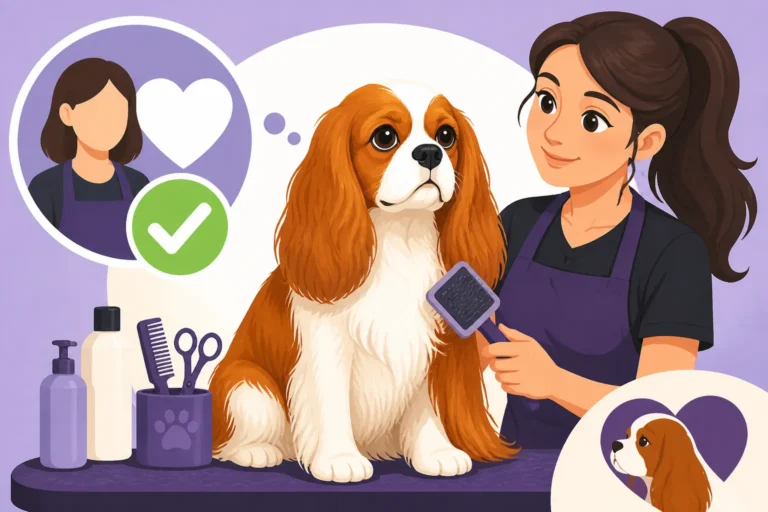
As mentioned earlier, a good quality brush (either a slicker or a pin brush) is essential for overall coat maintenance. Use the brush first to remove loose hair, surface dirt, and to stimulate the skin, promoting healthy blood flow and distributing natural oils. After brushing, follow up with your metal comb, systematically going through the coat to find and resolve any hidden tangles. Think of the brush as the first pass, and the comb as the fine-tooth inspection. Our guide on The Brush and Comb a Cavalier Coat Needs goes into more detail about selecting these essential items.
Detangling Sprays and Conditioning Products
For that famously silky Cavalier coat, detangling sprays and leave-in conditioners can be game-changers, especially for long feathering. These products help to lubricate the hair, making it easier for the comb to glide through and preventing future tangles. They can also reduce static, which is a common issue with fine hair, particularly in drier climates or during winter. When choosing products, look for ones specifically formulated for dogs, ideally with natural ingredients that won't irritate their skin. Many groomers swear by a good conditioning spray to protect the coat from breakage during brushing and combing.
Nail Clippers and Ear Cleaner
While not directly for the coat, these are crucial parts of a complete grooming routine that often go hand-in-hand with combing sessions. Long nails can be uncomfortable and lead to paw problems, so regular nail trims are a must. And those lovely drop ears? They need frequent attention. After you've combed out all the feathering, take a moment to clean your Cavalier's ears with a vet-approved ear cleaner. This helps prevent infections, which Cavaliers are particularly prone to due to their ear structure. You can learn how to do this correctly in Cleaning a Cavalier's Ear the Right Way. Ensuring your Cavalier is comfortable and healthy overall makes the entire grooming process smoother for everyone involved.
Disclaimer
This article is for general informational purposes only and does not constitute professional advice. Laws, prices and regulations vary by location and change over time. Consult a qualified professional for guidance on your specific situation.