The Cavalier Against the Papillon
Choosing a new furry family member is such an exciting journey, but it can also be incredibly daunting, especially when you're torn between two wonderful breeds like the Cavalier King Charles Spaniel and the Papillon. Many people find themselves weighing their options, wondering which of these sweet, charming dogs will best fit their home and lifestyle. This guide will walk you through a detailed comparison of the Cavalier and the Papillon, helping you understand their unique traits, needs, and temperaments so you can make an informed decision with confidence.
A Tale of Two Toy Breeds: Origins and Appearance
Both the Cavalier King Charles Spaniel and the Papillon are beloved toy breeds, but their histories and physical characteristics tell very different stories. Understanding where they come from helps explain some of their inherent traits, while their distinct appearances offer immediate visual cues about their differences. It’s not just about size; it’s about the very essence of their lineage.
Historical Roots and Development
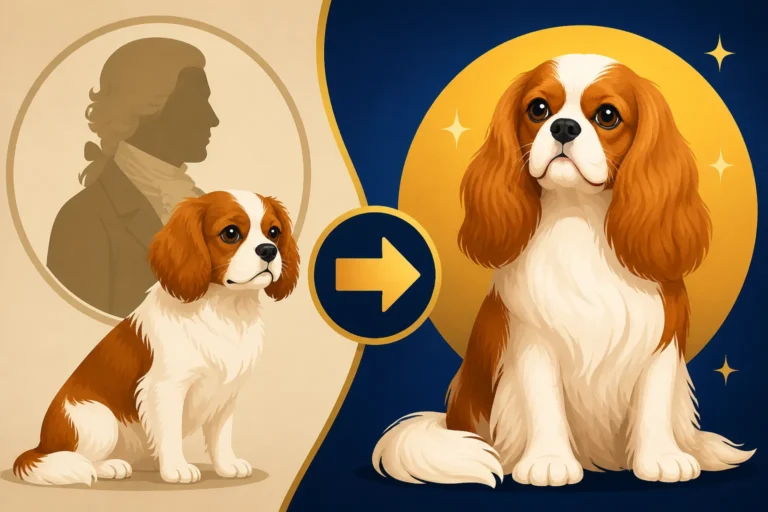
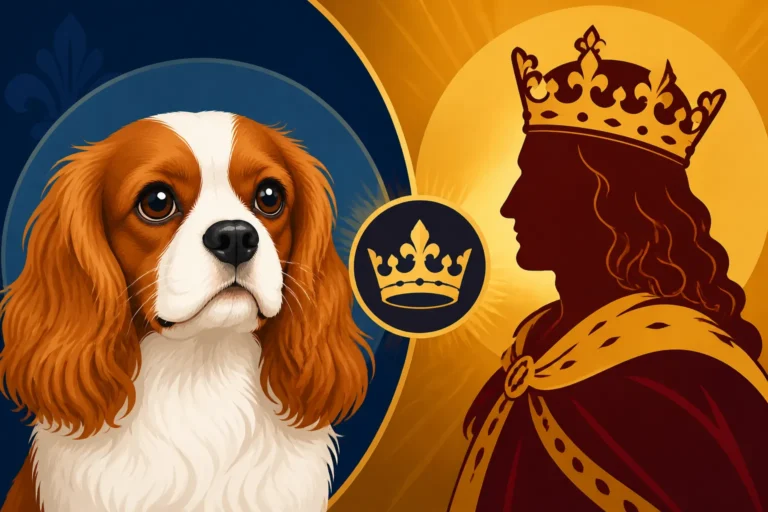
The Cavalier King Charles Spaniel, as its name suggests, has a deeply royal and aristocratic lineage, tracing its roots back to the court of King Charles II of England. These little "Comforter Spaniels" were cherished companions, known for their affectionate nature and tendency to follow their royal owners everywhere, even into Parliament! Over centuries, their appearance changed, with a trend towards flatter faces, which eventually led to the creation of the modern King Charles Spaniel (often called English Toy Spaniel in the US). However, in the early 20th century, enthusiasts, inspired by paintings of the older-type spaniels with longer noses, sought to bring back the original "Cavalier" look. This dedicated effort essentially "resurrected" the breed we know today, maintaining that sweet, slightly longer-nosed face.
On the other hand, the Papillon, whose name means "butterfly" in French, hails from the European continent, particularly France and Belgium. Its lineage is equally aristocratic, appearing in numerous Renaissance paintings alongside noble ladies. The Papillon is a descendant of the toy spaniels that were popular in Europe centuries ago. Initially, these spaniels had dropped ears, similar to the Phalene (moth) variety, which still exists today. However, a genetic mutation in the 17th century led to the erect, fringed ears that give the Papillon its distinctive butterfly-like appearance. Unlike the Cavalier, which underwent a deliberate revival to revert to an older type, the Papillon's development involved a clear evolution of its most iconic feature.
Distinctive Physical Characteristics
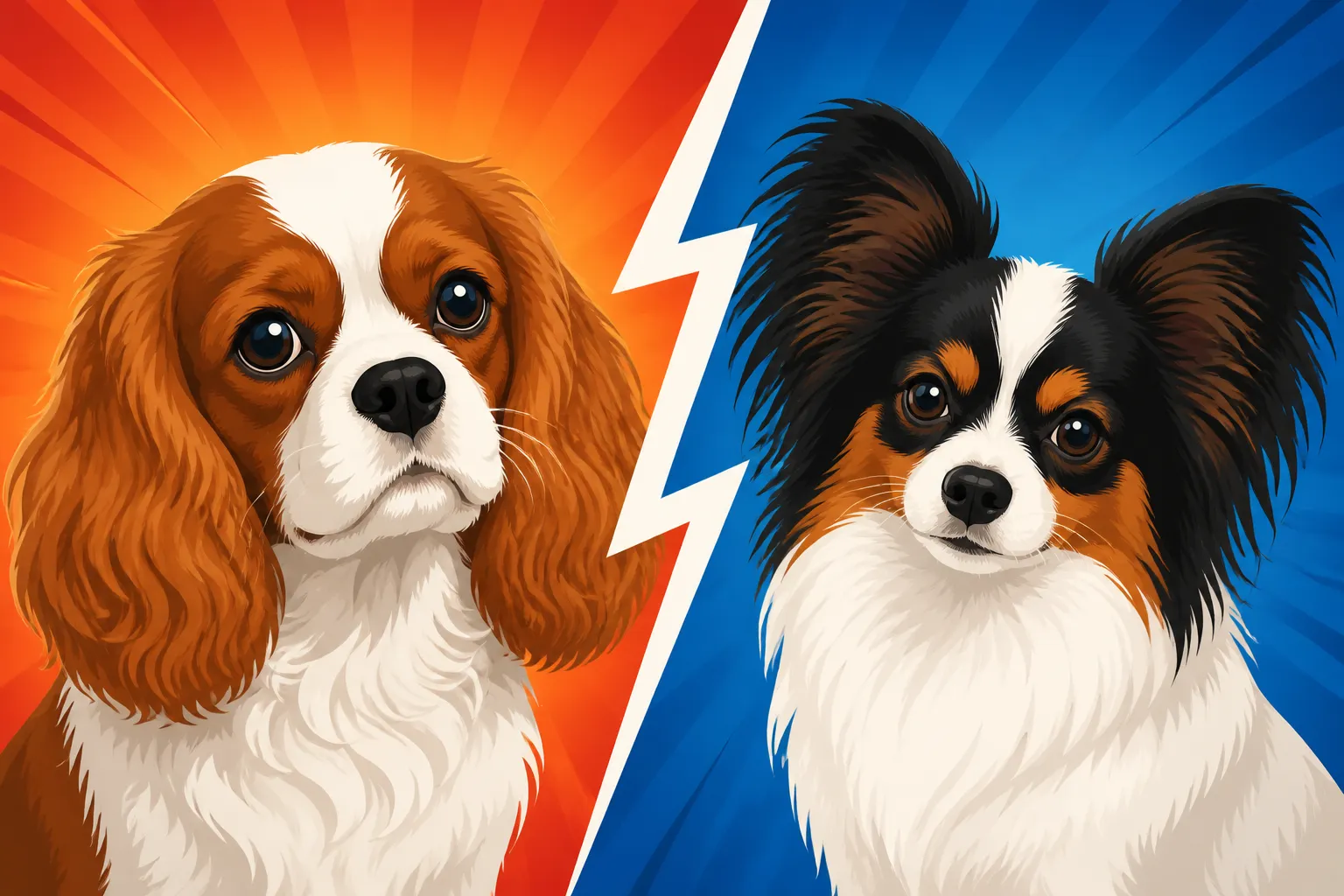
When you place a Cavalier and a Papillon side-by-side, the differences are immediately apparent, going beyond just their size and coat. Cavaliers are known for their gentle, melting expression, large, dark, round eyes, and a slightly rounded head. Their muzzles are moderately long, and their ears are long and feathered, hanging close to their cheeks. Their coat is typically silky, medium-length, and feathered on the ears, chest, legs, and tail, coming in four recognized colors: Blenheim (chestnut and white), Tricolor (black, white, and tan), Ruby (solid red), and Black and Tan. They possess a sturdy yet graceful build, usually weighing between 13 to 18 pounds and standing 12 to 13 inches tall at the shoulder. This slightly heavier, more "square" build gives them a comforting presence.
The Papillon, in contrast, presents a more delicate and airy picture. Their most striking feature, of course, is those large, erect, heavily fringed ears, which truly resemble a butterfly's wings. Their eyes are dark, almond-shaped, and intelligent, giving them a bright, alert expression. The Papillon has a finer bone structure and a longer, more elegant muzzle than the Cavalier. Their single coat is long, fine, and silky, without an undercoat, which contributes to their light, graceful movement. While they come in a variety of colors, white is always present, often with patches of sable, black, or red. Papillons are generally smaller and lighter than Cavaliers, typically weighing between 5 to 10 pounds and standing 8 to 11 inches tall. This difference in build and size often means they require a slightly different approach to handling and play, as they can be more fragile.
Temperament and Personality Traits
Both Cavaliers and Papillons are renowned for their wonderful temperaments, making them fantastic companions. However, their personalities, while both loving, manifest in subtly different ways. Understanding these nuances is crucial for determining which breed's character will truly sing in harmony with your family's dynamic and lifestyle. It’s not just about being "nice"; it's about how they are nice.
The Cavalier: The Ultimate Lap Dog
Cavalier King Charles Spaniels truly live up to their historical role as companion dogs. They are famously affectionate, gentle, and eager to please, earning them the nickname "Velcro dogs" because they often stick close to their owners, following them from room to room. This deep attachment means they thrive on human companionship and can struggle with being left alone for long periods. Living With a Cavalier That Panics When Alone covers this challenge in depth. They are known for their sweet, even-tempered nature, making them excellent family pets, often getting along well with children and other animals. Their adaptability is also a huge plus; they're generally content to snuggle on the sofa or enjoy a leisurely stroll in the park.
Their biddable nature makes them relatively easy to train, especially with positive reinforcement. They respond beautifully to praise and treats, and they genuinely enjoy interacting with their human companions during training sessions. However, their overwhelming desire to be with people means they can develop separation anxiety if not properly prepared for alone time. They aren't typically "one-person" dogs but rather spread their affection generously among all family members. This universal friendliness is one of their most endearing qualities, meaning strangers are often greeted like long-lost friends, which might not make them the best guard dogs, but certainly makes them wonderful social companions.
The Papillon: A Lively and Intelligent Companion
The Papillon, while also incredibly affectionate, brings a more energetic and sprightly personality to the table. They are highly intelligent, alert, and curious little dogs with a surprisingly robust spirit for their small size. Papillons are often described as "big dogs in a small package" because they possess a confidence and fearlessness that belies their delicate appearance. They love to be involved in family activities and thrive on mental stimulation. If a Cavalier is content to nap on your lap, a Papillon is more likely to be actively observing everything around them, ready for the next adventure.
Their intelligence makes them highly trainable, often excelling in dog sports like agility, obedience, and rally. They pick up new commands quickly and enjoy the challenge of learning. However, this intelligence also means they need consistent mental engagement; a bored Papillon can become a mischievous one. While generally good with children, particularly older, respectful ones, their smaller size means they might not tolerate rough play as well as a Cavalier. They can be a bit more independent than Cavaliers but are still deeply devoted to their families. Socialization from a young age is important to ensure their natural confidence doesn't turn into bossiness with other dogs. They tend to have a slightly more "terrier-like" spark than the placid Cavalier, making them incredibly engaging companions for those who enjoy active training and play.
Health Considerations: A Priority for Both Breeds
For any prospective dog owner, understanding the health predispositions of a breed is paramount. Both Cavaliers and Papillons are generally robust little dogs, but like all purebreds, they come with their own set of potential health challenges. Being aware of these common issues allows you to choose a reputable breeder, provide preventative care, and budget for potential veterinary expenses.
Common Cavalier Health Issues
Cavalier King Charles Spaniels are, unfortunately, known for several significant health concerns, particularly relating to their hearts and brains. The most prevalent is Mitral Valve Disease (MVD), a progressive heart condition that affects a staggeringly high percentage of the breed. Mitral Valve Disease in the Cavalier King Charles Spaniel details this serious issue. It's so common that many Cavaliers will develop a heart murmur by middle age, and a significant number will progress to heart failure. Regular cardiac check-ups, including annual cardiologist exams for a Cavalier, are crucial.
Another major concern is Syringomyelia (SM), a neurological condition linked to Chiari-like malformation, where the skull is too small for the brain, causing fluid-filled cysts to form in the spinal cord. Syringomyelia and Chiari Malformation in Cavaliers explains this in detail. This can cause severe pain and neurological symptoms. Other health issues can include:
- Patellar Luxation: Loose kneecaps that can cause lameness.
- Hip Dysplasia: Though less common than in larger breeds, it can occur.
- Eye Conditions: Such as cataracts and dry eye syndrome.
- Episodic Falling Syndrome: A genetic neurological disorder causing muscle stiffness and collapse, often triggered by excitement.
Reputable breeders will conduct extensive health testing on their breeding stock, including cardiac clearances by a board-certified cardiologist, MRI scans for Syringomyelia, and DNA tests for conditions like Episodic Falling. This is one area where investing in a puppy from a health-tested line can potentially save you significant heartache and expense down the road.
Papillon Health and Longevity
Papillons are generally considered a very healthy and long-lived breed, often enjoying lifespans well into their teens. While they don't face the same high incidence of MVD or SM as Cavaliers, they do have their own predispositions. Their fine bone structure means that patellar luxation, similar to that seen in Cavaliers, is a concern. It's important for breeders to screen for this.
Other health issues that can affect Papillons include:
- Progressive Retinal Atrophy (PRA): A genetic eye disease that can lead to blindness. Reputable breeders will screen for this.
- Dental Disease: Like many small breeds with crowded jaws, Papillons are prone to dental issues. Regular dental care, including brushing and professional cleanings, is vital.
- Fontanelle: Some Papillon puppies are born with an open fontanelle (soft spot on the skull), similar to human babies. While it usually closes, some may remain open, requiring careful handling to protect the skull.
- Hypoglycemia: Particularly in very young puppies, low blood sugar can be a concern due to their small size and high metabolism.
Overall, while Papillons certainly aren't immune to health problems, their breed-specific concerns tend to be less severe and widespread than those for Cavaliers. However, due diligence in selecting a breeder who performs appropriate health clearances for their lines is just as important for a Papillon as it is for a Cavalier.
Exercise, Training, and Grooming Needs
When bringing any dog into your life, it's essential to consider their daily care requirements. Both Cavaliers and Papillons are small breeds, but their exercise needs, training aptitude, and grooming routines differ significantly, reflecting their unique body types and temperaments. What works for one might not be ideal for the other.
Cavalier Daily Care
Cavaliers are adaptable dogs when it comes to exercise, content with moderate activity. Two short walks a day, perhaps 20-30 minutes each, combined with some indoor playtime, is usually sufficient to keep them happy and healthy. They enjoy exploring their surroundings but aren't typically high-energy dogs that demand hours of intense exercise. This makes them suitable for apartment living or for owners who prefer a more relaxed pace. However, it's crucial to prevent them from becoming overweight, as excess weight places extra strain on their joints and, most critically, their hearts. Why an Overweight Cavalier Fails Faster highlights this danger.
In terms of training, Cavaliers are generally eager to please and intelligent, making them a joy to teach. They respond best to positive reinforcement methods and thrive on gentle, consistent guidance. Early socialization and puppy classes are highly recommended to build their confidence and manners. Their "Velcro" nature means they crave companionship, so training for separation anxiety is often a priority. Grooming a Cavalier requires regular attention to their beautiful, silky coat. They don't have an undercoat, so while they shed, it's usually moderate. Brushing a Cavalier's feathering three times a week is often necessary to prevent mats, especially behind the ears, in the armpits, and on their long leg and tail feathering. Regular ear cleaning is also important due to their drop ears, which can trap moisture and debris. Professional grooming every 6-8 weeks for a tidy-up or bath can also be beneficial, especially to keep their feet and sanitary areas neat. You can find quality grooming tools and supplies on platforms like Chewy to make at-home care easier.
Papillon Daily Care
Papillons, despite their small stature, are surprisingly active and athletic. They have a higher energy level than Cavaliers and thrive on regular exercise that includes both physical and mental stimulation. Daily walks, along with active play sessions, are essential. They love to run, jump, and play, making them excellent candidates for dog sports like agility, flyball, or obedience. A tired Papillon is a well-behaved Papillon! Their intelligence means they need consistent mental challenges, whether through puzzle toys, trick training, or engaging in competitive activities. Simply put, they are not content to be just a pretty face; their minds need to work.
Training a Papillon is often a rewarding experience due to their keen intelligence and eagerness to learn. They are quick studies and can master complex commands and tricks with relative ease. However, their intelligence also means they can be a bit clever and sometimes try to outsmart their owners, so consistency and clear boundaries are key. Early socialization is crucial to ensure their inherent confidence doesn't become overbearing. When it comes to grooming, the Papillon's single, long, silky coat is surprisingly low-maintenance compared to many other long-haired breeds. They don't have an undercoat, which means less shedding than some breeds, and they are less prone to matting than Cavaliers, provided they are brushed regularly. A thorough brushing 2-3 times a week is usually sufficient to keep their coat free of tangles and looking its best. Special attention should be paid to the fringe on their ears and tail. Regular nail trims and dental care are also important for this delicate breed. Again, finding the right brushes and combs on sites like Chewy can make all the difference.
Suitability for Different Lifestyles and Families
Deciding between a Cavalier and a Papillon often comes down to matching their inherent traits with your specific lifestyle, living situation, and family dynamics. Both breeds are incredibly loving and can adapt to various homes, but they each have strengths that might make one a better fit for you than the other.
Who is a Cavalier Best Suited For?
The Cavalier King Charles Spaniel is an ideal companion for individuals or families seeking a gentle, affectionate, and relatively low-key canine friend. They thrive in homes where they receive plenty of human interaction and are not left alone for extended periods. Their calm and patient demeanor makes them wonderfully suited for families with young children, as they are generally very tolerant and forgiving. Cavaliers in Families With Young Children delves into this. They also make fantastic companions for seniors or those with a more relaxed lifestyle, content to curl up on the couch or enjoy gentle strolls. If you work from home, a Cavalier would likely be in heaven, as they cherish constant proximity to their people.
Cavaliers are adaptable to various living environments, from apartments to houses with yards, as long as their exercise needs are met and they have ample companionship. Their moderate energy levels mean they don't demand intense exercise, making them a good fit for less active owners. However, prospective Cavalier owners must be prepared for the potential health challenges, particularly MVD and SM, and be committed to preventative care and potential medical expenses. This often means carefully selecting a breeder who prioritizes health testing and budgeting for potential vet visits. Their eagerness to please also makes them excellent therapy dogs, a role many Cavaliers naturally excel at due to their inherently friendly and comforting nature.
Who is a Papillon Best Suited For?
The Papillon is an excellent choice for active individuals or families who appreciate a lively, intelligent, and highly trainable companion. They are not simply lap warmers; they thrive on engagement, mental stimulation, and being part of an active household. If you enjoy dog sports, regular hikes, or simply have the time and desire to engage in consistent training and playtime, a Papillon could be your perfect match. Their robust spirit means they often do well with older, more considerate children who understand how to interact with a smaller, more delicate dog. They can certainly be affectionate lap dogs, but they're usually quick to jump up and investigate any new sight or sound.
Papillons can do well in apartments or houses, but their higher energy and need for mental stimulation mean that short, infrequent walks might not be enough. They do best with owners who can provide consistent exercise and training, channeling their intelligence and energy into constructive outlets. They are also incredibly resilient and adaptable when well-socialized, often enjoying travel and new experiences. If you're looking for a dog that will be your co-pilot in adventure, perhaps even excelling in obedience or agility competitions, the Papillon's bright personality and athletic prowess make them a strong contender. However, their delicate build means they need an environment where they won't be accidentally stepped on or fall from heights, so supervision around very young children or rambunctious large dogs is always advised.
Key Differences at a Glance
To help consolidate the information, here's a quick comparison of some key traits between the Cavalier King Charles Spaniel and the Papillon.
| Feature | Cavalier King Charles Spaniel | Papillon |
|---|---|---|
| Size & Weight | 13-18 lbs, 12-13 inches tall, sturdier build | 5-10 lbs, 8-11 inches tall, more delicate build |
| Ears | Long, feathered, dropped ears | Large, erect, butterfly-like ears with heavy fringing |
| Muzzle | Moderately long, slightly shorter than Papillon's | Longer, finer muzzle |
| Coat Type | Medium-long, silky, feathered, no undercoat | Long, fine, silky, no undercoat |
| Temperament | Gentle, affectionate, calm, eager to please, "Velcro dog" | Lively, intelligent, confident, spirited, active |
| Energy Level | Moderate, adaptable, content with leisure and moderate walks | High, needs regular exercise and mental stimulation |
| Trainability | Eager to please, responds well to positive reinforcement | Highly intelligent, quick learner, excels in dog sports |
| Grooming | Regular brushing (3x/week) to prevent mats, ear care | Regular brushing (2-3x/week) for silkiness, less matting |
| Common Health | MVD, Syringomyelia, Patellar Luxation, Eye conditions | Patellar Luxation, PRA, Dental disease, Fontanelle |
| Child Friendliness | Excellent with young children, very tolerant | Good with older, respectful children, can be delicate |
Making Your Final Decision
Both the Cavalier King Charles Spaniel and the Papillon offer incredible companionship and joy to their families. There's no single "better" breed; it truly comes down to which dog's characteristics and needs align best with your family's lifestyle, expectations, and commitment.
If you dream of a dog that lives for cuddles, is consistently gentle, relatively easy-going, and thrives on being a constant shadow, a Cavalier might be your perfect match. They are truly devoted and comforting companions, though you must be prepared for their specific health considerations. Understanding the cost of care for a Cavalier and What Cavalier Heart Disease Costs to Treat is important for responsible ownership.
If, however, you're looking for a bright, energetic, and highly trainable little dog that enjoys being an active participant in your life, eager to learn tricks, potentially excel in dog sports, and brings a vivacious spark to every day, then the Papillon could be your ideal canine partner. They demand more mental and physical engagement but offer incredible intelligence and spirit in return.
Before making your final choice, consider spending time with both breeds if possible. Attend local dog shows, visit reputable breeders, or volunteer at a rescue organization that handles these breeds. This hands-on experience can provide invaluable insight into their true personalities and physical presence, beyond what any description can convey. Whichever you choose, you're sure to welcome a loving, charming, and utterly delightful companion into your home.
Disclaimer
This article is for general informational purposes only and does not constitute professional advice. Laws, prices and regulations vary by location and change over time. Consult a qualified professional for guidance on your specific situation.