Why Charles II Kept Cavalier Ancestors in His Bedchamber
It’s a question that often crosses the minds of Cavalier King Charles Spaniel enthusiasts: why exactly were these little dogs so utterly indispensable to King Charles II, even accompanying him into his royal bedchamber? It seems almost unfathomable in our modern world, where pets have designated spaces, but for Charles II, his spaniels weren't just companions; they were an integral part of his life, a living comfort, and a constant presence. This guide delves into the historical context, the unique characteristics of these ancestral spaniels, and the personal reasons behind a monarch's profound affection, shedding light on a royal obsession that shaped a beloved breed.
The Royal Trend of Companion Animals
Long before Charles II, dogs had a special place in European courts, often seen as symbols of status, hunting prowess, or simply as affectionate companions. However, the role these small spaniels played was distinct, moving beyond mere utility or display to become deeply embedded in the monarch's personal space.
More Than Just Hunting Dogs
While many royal dogs were hounds for the hunt or large guardians, small companion breeds carved out a unique niche. They were developed specifically for their charming temperaments, portability, and ability to offer constant solace. These weren't dogs bred for chasing game across the fields, but rather for warming laps in drafty castles and offering silent companionship. They were the original "velcro dogs," a trait that many modern Cavalier owners recognize and adore. The courts of Europe, from France to England, became centers for the development and popularity of these small, affectionate canines. They were pampered, adorned, and often depicted in royal portraits, signifying their elevated status.
A History of Royal Closeness
The practice of monarchs keeping dogs very close was not entirely new, but Charles II certainly took it to an unprecedented level. His grandfather, James I, famously preferred little dogs, and his mother, Henrietta Maria, also cherished her small spaniels. This familial affection for the breed undoubtedly influenced Charles II. The dogs offered a sense of unconditional love and comfort in a life often fraught with political intrigue, betrayals, and public demands. For a king, surrounded by people who constantly sought something from him, the unwavering loyalty of a dog must have been a profoundly grounding force. These spaniels became trusted confidantes, privy to the quietest moments of royalty, far from the prying eyes and ears of courtiers. To learn more about their lineage, you can read about The Court Spaniels the Cavalier Descends From.
The Irresistible Charm of the Ancestral Cavalier
What was it about these particular spaniels that captivated Charles II so deeply? It wasn't just their charming looks, though that certainly played a part. Their temperament, their size, and their inherent need for human connection made them perfect bedchamber companions.
Temperament Tailored for Companionship
The ancestral King Charles Spaniels, as they were known then, were renowned for their gentle, sweet dispositions. Unlike some larger, more boisterous breeds, these dogs were calm, adaptable, and eager to please. They possessed a natural inclination to be close to their human counterparts, a trait that continues in the Cavalier King Charles Spaniel today. They were not prone to aggression or excessive barking, making them ideal residents of a bustling, yet often formal, palace environment. Their quiet presence was likely a welcome respite from the constant clamor of court life. This innate desire to be near people is a hallmark of the breed, giving us today's Why Cavaliers Are Called Velcro Dogs.
Perfect Size for a King's Lap and Bed
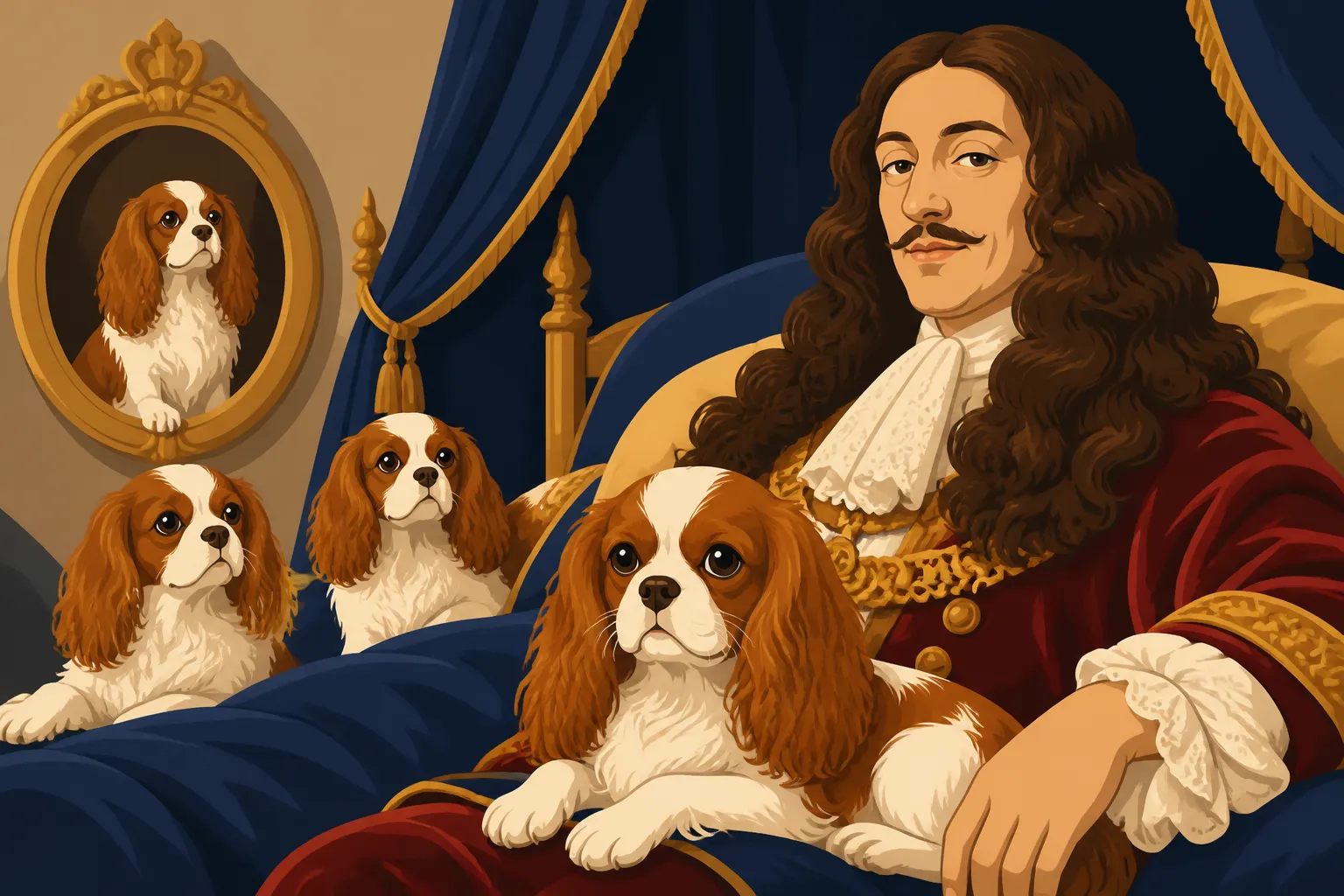
Their small size was undoubtedly a major factor. These dogs were easily carried, whether in a king's arms, under a cloak, or nestled in a carriage. They could lie comfortably on a royal lap for hours during meetings or join the king in his bed without taking up too much space. This portability meant they could truly accompany Charles II almost anywhere, making them constant fixtures rather than occasional companions. Imagine the warmth and comfort a small, soft dog could provide on a cold English night in a vast, unheated palace bedroom – a living, breathing hot water bottle with a wagging tail. Their diminutive stature wasn't just practical; it also enhanced their appeal as adorable, non-threatening creatures.
The Allure of Unconditional Affection
In an era where power dynamics and alliances constantly shifted, the unconditional affection offered by these spaniels was a precious commodity. A dog doesn't care about your crown, your decrees, or your political rivals; it only cares about the warmth of your hand and the sound of your voice. For a king like Charles II, whose life was under constant scrutiny and pressure, this pure, unadulterated devotion would have been invaluable. They offered a safe space, a judgment-free zone where he could simply be a man, not a monarch. This deep bond is something many Cavalier owners still cherish today, recognizing that unique connection with their dogs. You might find it interesting to explore Cavalier Ancestors at the Court of Charles II for more details on their presence.
Charles II's Personal Connection and Its Lasting Impact
Charles II’s affinity for these spaniels wasn't just a passing fancy; it was a deeply ingrained part of his identity, so much so that he became synonymous with the breed. This personal devotion had significant and lasting implications for the dogs themselves.
A Royal Decree for His Dogs
Legend has it that Charles II issued a decree stating that King Charles Spaniels should be allowed in any public place, including Parliament. While the historical accuracy of an official written decree is debated, the anecdote itself speaks volumes about his profound attachment and the widespread understanding of his preference. The fact that he routinely brought his dogs into official settings, often with them nestled in his arms or by his feet, demonstrated his refusal to separate himself from them. This was no mere allowance; it was a demonstration of a deeply personal need. It’s a fun thought to consider Whether Cavalier Ancestors Really Sat in Parliament.
A Reflection of His Personality
Charles II was known for his love of pleasure, his charming personality, and a certain informality despite his royal status. His devotion to his spaniels fits perfectly within this characterization. They were a source of joy and relaxation, a counterpoint to the rigid formalities of court. The spaniels, with their gentle and playful natures, mirrored the king's own sociable disposition. He reportedly spent considerable time playing with them, tending to them, and even breeding them. This wasn't just a political statement; it was a genuine expression of who he was. His preference was so strong that eventually, the breed officially took on his name, giving us How a King's Name Ended Up on the Cavalier.
The Legacy for the Breed
The king's unwavering favoritism was instrumental in solidifying the breed's place in history and ensuring its survival. His patronage meant these dogs were highly sought after, bred carefully, and preserved through generations. Had another monarch with different tastes come along, these small spaniels might have faded into obscurity. Instead, they became a celebrated symbol of British royalty, their lineage carefully documented and maintained. This royal connection ensured that the qualities Charles II so admired—their companionship, their beauty, and their docile nature—were actively selected for, paving the way for the modern Cavalier King Charles Spaniel. Indeed, their Cavalier Temperament and the Sporting Spaniel Beneath It is a direct echo of those ancestral traits.
The Enduring Appeal of the Cavalier's Ancestors
The fascination with Charles II's spaniels continues because it represents the ultimate ideal of canine companionship: a dog so beloved it transcends social boundaries and becomes an extension of its owner's very being.
Comfort in a Complex World
The 17th century was a tumultuous time for England, marked by civil war, regicide, and the eventual restoration of the monarchy under Charles II. Amidst such upheaval, the constancy and simple joy offered by his dogs must have been a psychological anchor. Imagine the immense pressure of ruling a kingdom still recovering from civil strife. The quiet presence of a loving dog, free from judgment or political agenda, offers an unparalleled form of emotional support. This ability to provide solace remains a core aspect of the Cavalier's appeal today, offering comfort in our own complex, modern lives.
Beyond Status Symbol
While possessing such dogs undoubtedly conferred a certain status, Charles II's relationship with them appears to have gone far beyond mere outward show. His willingness to keep them in personal, intimate spaces like his bedchamber suggests a deep emotional bond. They were not just accessories; they were family. This is a sentiment that resonates deeply with many dog owners today, who view their pets as cherished family members rather than mere property. The stories and legends surrounding Charles II and his spaniels emphasize this profound connection, solidifying their place in popular culture and in the hearts of dog lovers. For a historical perspective on their evolution, you might enjoy reading about The Titian Spaniel and Other Old Cavalier Names.
A Bridge to the Modern Cavalier
The enduring image of Charles II surrounded by his beloved spaniels forms a crucial part of the Cavalier King Charles Spaniel's identity. It's a reminder that the breed's primary purpose has always been to be a loving, devoted companion. The traits that made them so appealing to a king centuries ago—their affectionate nature, their manageable size, and their desire for closeness—are precisely what make them such cherished family members today. From the ancient courts to our modern homes, the essence of the Cavalier remains the same: a loyal heart longing to be near its human. Even the later efforts to revive the older type of spaniel, such as those by Roswell Eldridge, were fueled by this historical appreciation. You can delve deeper into this period with How Roswell Eldridge Brought Back the Cavalier.
| Characteristic | Charles II's Ancestral Spaniel | Typical Working Dog of the Era |
|---|---|---|
| Primary Role | Companion, Lap Warmer, Emotional Support | Hunting, Guarding, Herding, Labor |
| Size | Small, Portable | Medium to Large |
| Temperament | Gentle, Affectionate, Eager to Please | Resilient, Independent, Driven |
| Energy Level | Moderate, Adaptable to Indoor Life | High, Requires Extensive Exercise |
| Maintenance Needs | Grooming for show/comfort, pampering | Practical care for field/labor |
| Place in Royal Court | Intimate companion, often in private quarters | Formal presence, specific duties |
This table illustrates the distinct roles and characteristics that set Charles II's spaniels apart, explaining why they were chosen for such personal intimacy within the royal household. They were, in essence, bred and valued for the very qualities that make the Cavalier such a wonderful companion today. Their journey continued, even influencing breeds seen later, like The Blenheim Palace Dogs Behind the Cavalier, which further cemented their specific characteristics.
Disclaimer
This article is for general informational purposes only and does not constitute professional advice. Laws, prices and regulations vary by location and change over time. Consult a qualified professional for guidance on your specific situation.