Why Two Cavalier Clubs Exist in America
It's incredibly confusing when you're looking into a specific dog breed, especially one as beloved as the Cavalier King Charles Spaniel, only to discover there isn't just one official club representing them in America, but two distinct organizations. This situation can leave new and even experienced Cavalier enthusiasts scratching their heads, wondering which one is "right" or why the split even happened. This guide aims to unravel the history and ongoing reasons behind the existence of two prominent Cavalier clubs in the United States, helping you understand their unique roles and what that means for our beloved breed.
The Formative Years: A Tale of Two Visions
To understand why there are two distinct Cavalier clubs in America today, we have to journey back in time to the breed's re-emergence and subsequent introduction to the United States. It wasn't a straightforward path, and different visions for the breed's future led to divergent paths almost from the start.
The Cavalier's Rebirth and Early American Enthusiasts
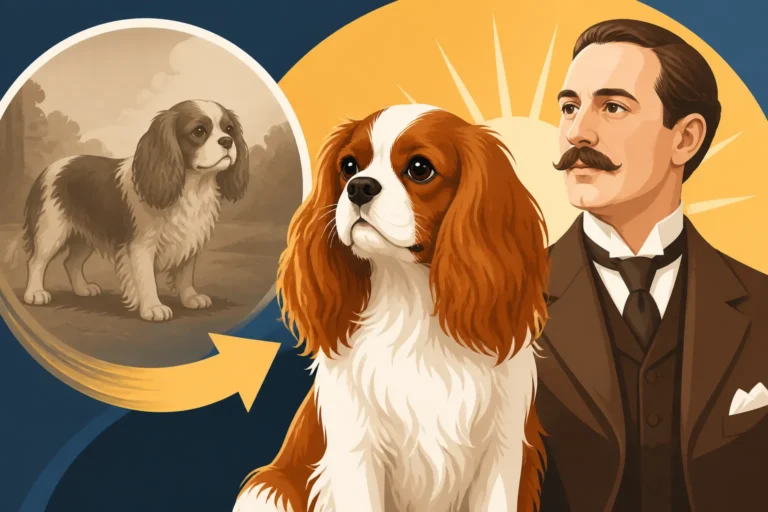
The Cavalier King Charles Spaniel, as we know it today, is a relatively modern recreation, born from a concerted effort to bring back the longer-nosed "King Charles Spaniels" depicted in historical art. For centuries, these charming little dogs were companions to royalty and nobility, but by the Victorian era, selective breeding had transformed them into the flat-faced, domed-skulled English Toy Spaniels. It took the dedication of an American, Roswell Eldridge, and a substantial cash prize in the 1920s, to spur British breeders to revive the "old type" spaniel with the flatter skull and longer muzzle. How Roswell Eldridge Brought Back the Cavalier
Once this "new" old type began to solidify as a distinct breed, its charm quickly captivated hearts beyond the UK. American fanciers began importing these dogs, falling in love with their gentle nature and exquisite beauty. However, without official recognition from the dominant canine registry in the US, the American Kennel Club (AKC), these early enthusiasts faced a significant hurdle. They were united by their love for the Cavalier, but as often happens when passionate people come together, ideas on how best to move forward began to diverge. The initial push was simply to get the breed established, but even then, questions lingered about how to preserve its health and unique temperament while also gaining mainstream acceptance.
The Road to Recognition: Different Paths Emerge
The process of gaining full AKC recognition for a breed is a long and arduous one, requiring a certain number of dogs, geographical distribution, and the establishment of a parent club to oversee the breed standard. As American Cavalier ownership grew, discussions naturally turned to formalizing the breed's presence. However, a significant philosophical rift began to appear.
Some breeders and owners felt that the primary goal should be to achieve AKC recognition as swiftly as possible, allowing Cavaliers to compete in all AKC events and gain widespread popularity. They saw the AKC as the gateway to establishing the breed firmly in the American dog scene. Others, however, harbored deep concerns. They worried that rushing into AKC recognition, particularly given the breed's known genetic health issues, might compromise the breed's health and integrity for the sake of show ring success. They observed how other popular breeds had suffered from over-breeding or prioritizing appearance over well-being, and they were determined that the Cavalier would not follow the same path. This concern was not unique to the Cavalier, but it was particularly poignant for a breed known even then to carry significant genetic predispositions. The 1926 Advertisement That Revived the Cavalier These differing philosophies laid the groundwork for the eventual formation of two distinct clubs, each with its own approach to stewarding the breed's future.
The Two Pillars: CKCSC, USA and the AKC-Affiliated Club
This divergence in philosophy ultimately led to the establishment of two main national clubs dedicated to the Cavalier King Charles Spaniel in America, each with its own history, mission, and structure.
The Cavalier King Charles Spaniel Club, USA (CKCSC, USA)
Born from the concerns mentioned above, The Cavalier King Charles Spaniel Club, USA (CKCSC, USA) was founded in 1954. This club's founders were driven by a strong commitment to the health and welfare of the breed, prioritizing careful breeding practices, extensive health testing, and preserving the Cavalier's gentle temperament above all else. They were wary of what they perceived as the potential pitfalls of rapid growth and popularity within the AKC system. Their belief was that strict adherence to ethical breeding practices, including rigorous health screening, was paramount, even if it meant delaying or foregoing AKC recognition.
For many years, the CKCSC, USA operated as the primary registry for Cavaliers in America, championing responsible breeding and providing education to owners. They established stringent health testing requirements for breeding dogs long before such practices became widespread or mandated by other organizations. For example, they spearheaded protocols for heart disease screening, recognizing the prevalence of mitral valve disease in the breed. The Cavalier MVD Breeding Protocol Breeders affiliated with the CKCSC, USA often emphasized producing healthy, long-lived companions, and would regularly discuss the need for extensive health checks, making sure parents had clear hearts, eyes, and knees before breeding. They believed that by maintaining their independence, they could better control the breed's destiny and protect it from commercial exploitation or trends that might undermine its well-being. This club maintains its own registry and sponsors its own conformation shows and events, judged by breed specialists who understand the unique nuances of the Cavalier.
The American Kennel Club (AKC) and its Parent Club
While the CKCSC, USA maintained its independent stance, another group of Cavalier enthusiasts continued to pursue AKC recognition. They believed that being part of the AKC offered significant advantages, including greater public exposure, access to a wider range of competitive events (like obedience, rally, and agility, not just conformation), and the perceived legitimacy that comes with affiliation to the country's oldest and largest purebred dog registry. After years of operating as a "misc" breed, the Cavalier King Charles Spaniel finally gained full AKC recognition in 1995.
With AKC recognition came the establishment of an official AKC parent club, which, for the Cavalier, is also named the Cavalier King Charles Spaniel Club of America (CKCSCA). This club operates under the umbrella of the AKC, adhering to its rules and regulations for breed standards, registrations, and events. Breeders registered with the AKC typically participate in AKC-sanctioned shows and trials, and their puppies are eligible for AKC registration. While the AKC and its affiliated clubs do promote health testing and responsible breeding, the approach can sometimes differ from the CKCSC, USA's more stringent and historically independent health protocols. For many, the ability to show their Cavaliers at prestigious AKC events was a huge draw, and it certainly brought the breed into the mainstream spotlight, leading to a significant increase in its popularity across the country. When AKC Cavalier Registrations Opened
Here’s a simplified comparison of the two main Cavalier clubs in America:
| Feature | Cavalier King Charles Spaniel Club, USA (CKCSC, USA) | Cavalier King Charles Spaniel Club of America (CKCSCA – AKC Parent Club) |
|---|---|---|
| Founded | 1954 | 1995 (became AKC parent club) |
| AKC Affiliation | No; independent registry and club | Yes; official AKC parent club |
| Primary Emphasis | Breed health, ethical breeding, temperament preservation, independent registry | AKC recognition, participation in AKC events (conformation, obedience, agility), promoting the breed |
| Breeding Requirements | Historically more stringent health testing requirements and protocols | Follows AKC guidelines and encourages health testing, often recommends CHIC program |
| Registry | Maintains its own independent registry for Cavaliers | Registers Cavaliers through the AKC registry |
| Shows/Events | Hosts its own national and regional specialty shows and events | Participates in and sanctions events under AKC rules and judges |
| Philosophical Root | Preservation of breed health and type through strict, independent oversight | Integration into the larger AKC dog sport and fancy world |
Navigating the Dual System as an Owner or Breeder
The existence of two national clubs for the same breed can understandably be a bit of a maze for prospective Cavalier owners and even for those already deeply involved. It raises questions about where to find a puppy, what kind of health guarantees to expect, and how to participate in breed-specific activities.
Finding a Breeder and Understanding Registrations
When you're looking for a Cavalier puppy, understanding these two clubs becomes crucial. A breeder will typically be affiliated with one or the other, or sometimes both. It's not uncommon for breeders to have a preference for one club's philosophy or show circuit. If you're talking to a breeder, it's perfectly acceptable, and frankly, essential, to ask about their club affiliations and what that means for their breeding practices.
Breeders from the CKCSC, USA will typically register their puppies with their own club's registry. This doesn't mean the dogs are any less purebred; it simply means their lineage is recorded and recognized by that specific organization. These breeders often pride themselves on their dedication to health clearances, performing rigorous tests and providing clear documentation on the health of the parent dogs. The Heart Testing a Cavalier Breeder Must Do They might emphasize health certifications like those from the Orthopedic Foundation for Animals (OFA) for hearts, knees, and hips, and Canine Eye Registration Foundation (CERF) for eyes, all documented meticulously. You might find a wealth of health information on a breeder's website, or hear them speak at length about the longevity and health history of their lines.
On the other hand, breeders primarily affiliated with the AKC parent club will register their puppies with the AKC. These dogs can compete in all AKC events, and their pedigrees are recorded within the AKC system. While AKC breeders also care deeply about health, the specific protocols or emphasis might vary. Many AKC breeders do participate in the Canine Health Information Center (CHIC) program, which centralizes health testing results and offers a comprehensive approach to screening. The important thing is that regardless of the club, a responsible breeder, whether through CKCSC, USA or the AKC, should be transparent about their health testing, provide verifiable documentation, and discuss the health history of their lines openly. Reading a Cavalier Puppy's Health Certificates Don't be shy about asking for specific clearances for both parents, no matter which club they align with.
Health and Breeding Standards Across Clubs
The core of the historical split, and indeed a significant ongoing point of discussion, revolves around breed health. Cavaliers, unfortunately, are predisposed to several serious genetic conditions, most notably Mitral Valve Disease (MVD) and Syringomyelia (SM). Mitral Valve Disease in the Cavalier King Charles Spaniel Syringomyelia and Chiari Malformation in Cavaliers Both clubs, and their respective breeders, understand the gravity of these issues. However, the approaches to mitigating them can sometimes differ in their historical emphasis and specific protocols.
The CKCSC, USA was founded with health as a central tenet, establishing strict breeding guidelines for MVD, for example, recommending that breeding dogs should not be bred until they are at least 2.5 years old and have been thoroughly checked by a board-certified cardiologist, with both parents being clear of murmurs at 5 years of age. They pushed for these rigorous standards even when it meant a slower growth for the breed or fewer available breeding dogs. This dedication to health, sometimes perceived as more stringent, has been a hallmark of their operation.
The AKC, while a registry, works with its parent clubs to set breed health initiatives. The AKC-affiliated Cavalier club strongly advocates for health testing, encouraging breeders to utilize resources like the CHIC program, which outlines recommended health screenings. While the AKC does not directly mandate breeding age or specific heart-clearance ages in the same way the CKCSC, USA might have historically, ethical AKC breeders will follow very similar, if not identical, health protocols as their CKCSC, USA counterparts. They understand that preserving the breed means going beyond minimum requirements. The key takeaway for any prospective owner is that a breeder’s individual commitment to health testing, transparency, and responsible practices matters far more than their club affiliation alone. Always ask to see those actual health certificates, not just a verbal assurance. Even for general supplies, reputable online stores like Chewy often provide detailed product information and reviews which can help in making informed choices for your Cavalier's health and well-being.
Looking Ahead: The Future of the Cavalier Breed
The existence of two prominent clubs for the Cavalier King Charles Spaniel in America is a unique facet of the breed's history and ongoing management. While it might seem confusing on the surface, it ultimately reflects the deep passion and differing philosophies among individuals dedicated to these charming dogs.
Dialogue and Shared Objectives
Despite their historical divergence and separate operational structures, both the CKCSC, USA and the AKC-affiliated Cavalier King Charles Spaniel Club of America share the overarching goal of promoting the health, welfare, and preservation of the Cavalier King Charles Spaniel. In recent years, there has been increasing dialogue and, in some cases, collaboration between the two entities, particularly in areas of health research and education. When it comes to tackling complex genetic conditions like MVD and SM, it truly benefits the breed for all stakeholders to work together, sharing data and insights.
Many dedicated breeders are members of both clubs, recognizing the value each brings. One club might offer access to specific health-focused seminars, while the other provides opportunities for competitive showing in a wider range of disciplines. The collective effort to improve the breed's health often transcends club lines, as passionate individuals and research institutions, often supported by dog lovers using resources like Chewy for their pet care needs, continue to seek solutions and better screening methods. The shared love for the Cavalier is a powerful unifying force that often bridges any institutional divides, allowing for a broader reach in advocating for the breed's future.
Your Role as a Responsible Cavalier Owner
Ultimately, as a prospective or current Cavalier owner, your role is paramount in shaping the breed's future. Understanding why these two clubs exist isn't just a historical curiosity; it's a vital piece of information that empowers you to make informed decisions. When choosing a puppy, looking past club affiliation to the individual breeder's dedication to health, temperament, and ethical practices is crucial. Seek out breeders who are transparent, willing to answer all your questions, and can provide verifiable health clearances for their breeding dogs.
By supporting responsible breeders, regardless of their primary club affiliation, you contribute to the continuation of healthy, well-adjusted Cavaliers. Education is also key; learning about Cavalier Lifespan and What Cuts It Short, understanding The DNA Tests Every Cavalier Should Have, and recognizing The Age a Cavalier Murmur Usually Appears will equip you to be a proactive and responsible owner. Whether you engage in conformation shows, participate in companion events like rally or agility, or simply cherish your Cavalier as a beloved family member, your choices matter. The ongoing dialogue and efforts within both clubs, combined with the vigilance of educated owners, will ensure that the Cavalier King Charles Spaniel continues to be the loving, healthy companion we all adore for generations to come.
Disclaimer
This article is for general informational purposes only and does not constitute professional advice. Laws, prices and regulations vary by location and change over time. Consult a qualified professional for guidance on your specific situation.