Whether an Undersized Cavalier Is a Fault
It can be quite a surprise, and sometimes a little worrying, when your beloved Cavalier King Charles Spaniel puppy doesn't seem to be growing quite as large as you expected, or perhaps it's an adult Cavalier that simply weighs less than the "average" numbers you see floating around. Many owners wonder if having an undersized Cavalier is actually a problem or a fault. This guide aims to demystify the breed standard around size, explore why some Cavaliers might be smaller, and discuss what that means for their health and well-being.
Understanding the Cavalier King Charles Spaniel Breed Standard for Size
When you bring a Cavalier into your home, you're welcoming a dog from a breed with a rich history and a very specific set of characteristics that make them, well, Cavaliers! These characteristics are outlined in what's known as the breed standard, which acts as a blueprint for the ideal Cavalier. Size is definitely a part of that blueprint, and it's a topic that can cause a fair bit of head-scratching for owners.
The Official Weight and Height Guidelines
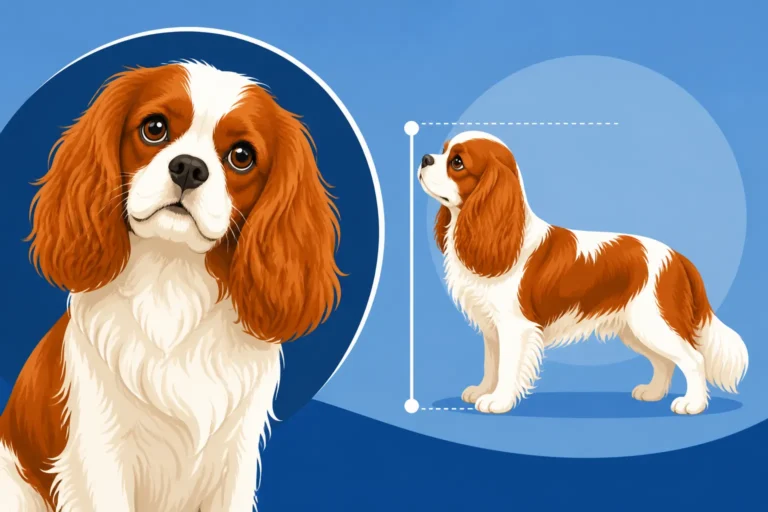
The breed standard for the Cavalier King Charles Spaniel, as recognized by major kennel clubs like the American Kennel Club (AKC), provides a clear picture of the ideal size. It specifies a weight range, typically between 13 to 18 pounds (approximately 5.9 to 8.2 kg), and a height that usually falls between 12 to 13 inches (about 30 to 33 cm) at the shoulder. These aren't arbitrary numbers; they reflect the historical development of the breed as a charming companion dog, small enough to be a lap dog but sturdy enough to enjoy a good romp in the garden.
It's crucial to understand that these are guidelines for the ideal, not hard and fast rules that every single Cavalier must perfectly adhere to. Think of it like a human height chart – there's an average, but people naturally fall above or below it while still being perfectly healthy and normal. For instance, a Cavalier who is 11.5 inches tall and weighs 12 pounds might be on the smaller side of the standard, but this doesn't automatically mean there's something fundamentally wrong with them. However, a Cavalier who is barely 8 inches tall and weighs 6 pounds might raise more eyebrows. The standard also looks at overall balance and proportion. A smaller Cavalier that is well-proportioned and sturdy for its size is generally preferred over a slightly larger one that looks leggy or too refined. Owners often ask The Cavalier Size the Standard Asks For and it's important to remember the words "ideal" and "preferred" in the description.
Why Breeders Aim for the Standard
Responsible breeders take the breed standard very seriously, not just for show-ring aspirations, but primarily for the health and integrity of the breed. They spend years studying pedigrees, making careful breeding choices, and observing their dogs' growth patterns to consistently produce puppies that embody the Cavalier ideal. When a breeder consistently aims for the standard, they're not just trying to win ribbons; they're trying to maintain good health and temperament, which are often intrinsically linked to proper structure and size.
For example, a Cavalier bred to be significantly smaller than the standard might, in some cases, have more delicate bone structure, potentially predisposing them to orthopedic issues down the line, such as patellar luxation or even more fragile bones overall. Conversely, an excessively large Cavalier might put undue strain on its heart and joints. Therefore, aiming for the "sweet spot" within the standard helps ensure the longevity and well-being of the dog. Breeders are also mindful of maintaining the characteristic "Merry Cavalier" look and gait; significant deviations in size can alter these beloved traits. When looking for a puppy, understanding Reading a Cavalier Puppy's Health Certificates and asking about the parents' sizes can give you insight into what to expect.
When an Undersized Cavalier Becomes a "Fault"
The term "fault" can sound harsh, but in the context of dog breeding and showing, it simply refers to a deviation from the established breed standard. It's not a moral judgment on your dog, but rather an objective assessment against an ideal.
The Show Ring Perspective
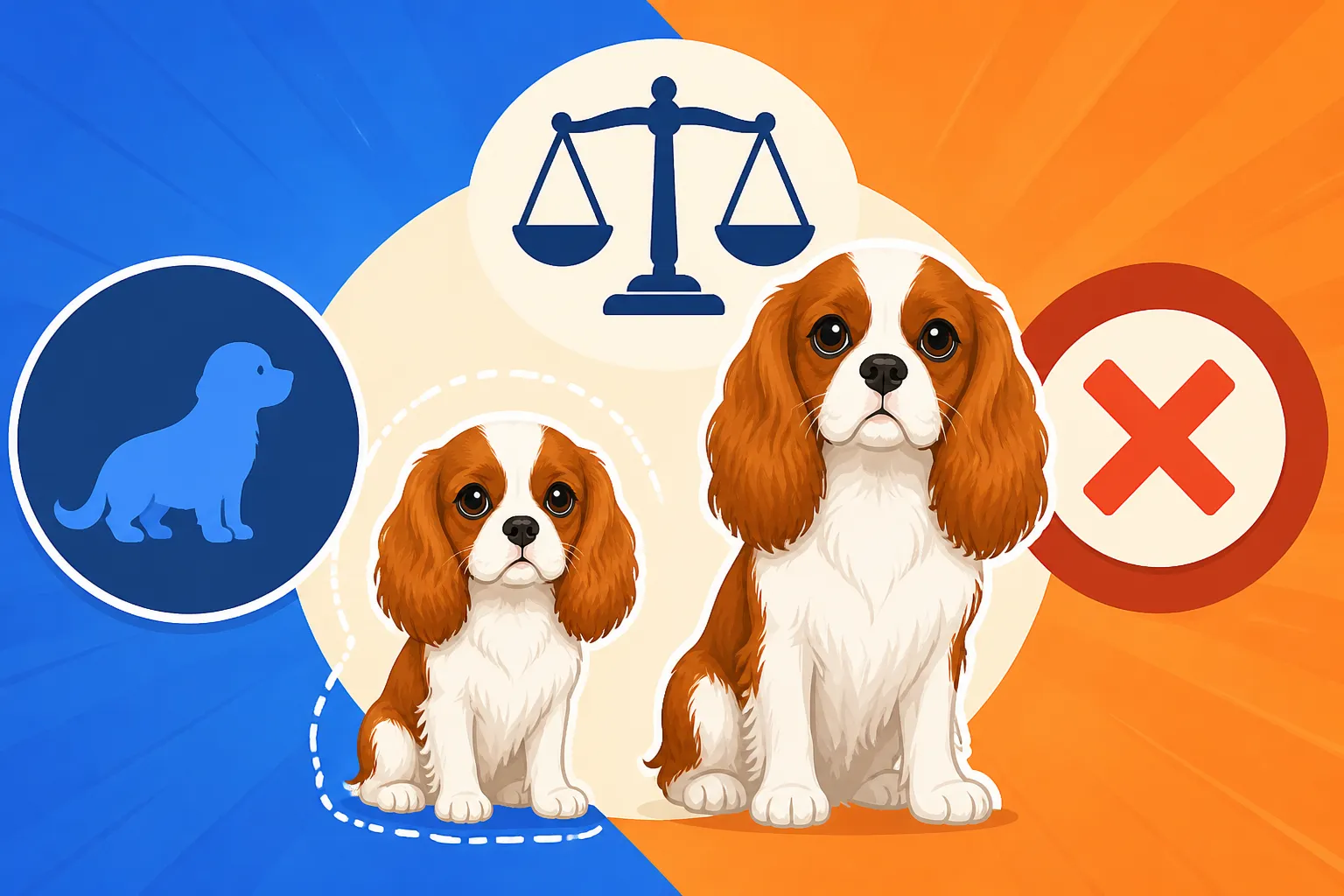
In the world of dog shows, judges are looking for the dog that most closely matches the breed standard. This includes size. An undersized Cavalier, while perhaps perfectly healthy and charming, might be considered a "fault" in the conformation ring. This doesn't mean the dog is disqualified outright unless the deviation is extreme or causes structural unsoundness. Instead, it simply means that the dog doesn't perfectly fit the ideal, and a judge might place another dog above it that is closer to the standard.
Imagine two Cavaliers, both beautiful, but one is a petite 11 pounds and 11 inches tall, while the other is a robust 15 pounds and 12.5 inches tall, fitting perfectly within the specified range. The judge might praise the smaller dog's overall charm but ultimately award the win to the dog that exemplifies The AKC Standard for the Cavalier King Charles Spaniel more accurately in terms of size and proportion. It's about how closely a dog conforms to the blueprint, not about inherent "goodness" or "badness." Significant deviations, especially those that impair movement or health, would be more heavily penalized.
Health Implications of Being Too Small
While minor size variations are usually nothing to worry about, being significantly undersized can sometimes be linked to health concerns. It's not always the case, of course – some small Cavaliers are perfectly robust – but it's worth being aware of potential issues. For instance, a Cavalier that is exceptionally tiny might struggle with maintaining body temperature, especially in cooler climates, needing extra care to stay warm. Their smaller stature can also make them more vulnerable to accidental injuries, as they might be less visible and more fragile than their standard-sized counterparts.
In some rarer cases, an unusually small size could be a symptom of an underlying health issue or a genetic predisposition. For example, some puppies who fail to thrive due to internal parasites, poor nutrition in utero, or certain congenital conditions might end up significantly smaller than their littermates. It's why reputable breeders are so vigilant about puppy health checks and growth monitoring. While a smaller dog might seem cute, if it's outside the healthy range for the breed, it can mean a lifetime of careful management. We always advise consulting your vet if you have any concerns about your Cavalier's growth or overall health. A tiny Cavalier might also have more delicate joints, so understanding Whether a Cavalier Puppy's Knees Can Take Jumping is even more critical.
Common Reasons a Cavalier Might Be Undersized
It's easy to jump to conclusions if your Cavalier is smaller than expected, but often, the reasons are quite benign. Understanding these can help alleviate any worries you might have.
Natural Variation Within Litters
Just like in human families, not all puppies in a litter will be identical, even from the same parents. You might have a "runt" – the smallest puppy in the litter – who, despite being smaller at birth, catches up significantly or simply remains a healthy, albeit petite, adult. This natural variation is entirely normal. Some puppies are simply genetically predisposed to be on the lower end of the weight and height spectrum for the breed. They might mature a little slower, or their growth plates might close earlier, resulting in a smaller adult size.
Think of it this way: a litter of Cavalier puppies is like a basket of apples. While they all come from the same tree and share similar genetics, some apples will naturally be a touch smaller or larger than others. As long as the smaller puppy is energetic, has a good appetite, and is developing normally otherwise, there's usually no cause for alarm. Many fantastic, healthy Cavaliers fall just below the standard's average without any detriment to their quality of life. They might just need a slightly smaller harness or sweater!
Genetics and Pedigree
The most significant factor in a Cavalier's adult size is, unsurprisingly, genetics. A puppy's likely adult size is largely determined by the size of its parents and grandparents. If both parents are on the smaller side of the breed standard, it's quite probable that their offspring will also be smaller. Conversely, if you have two larger-than-average parents, their puppies are likely to grow into larger adults.
A responsible breeder will be able to discuss the size of their breeding dogs and previous litters. They track these traits carefully as part of maintaining their lines. It's not uncommon for a breeder to have a dam or sire who consistently produces puppies at the lower end of What an Adult Cavalier Should Weigh. This is just part of genetic diversity within a breed. Sometimes, a smaller size isn't a "fault" at all, but simply an expression of the genetic blueprint passed down through generations. When considering a puppy, it's always wise to meet the parents if possible or at least see photos and know their sizes to gauge what your puppy might grow into. Also, broader health testing like The DNA Tests Every Cavalier Should Have can provide peace of mind about inherited conditions that could impact growth.
Nutrition and Early Development
While genetics lay the foundation, a puppy's early nutrition and overall health play a crucial role in how fully they reach their genetic potential for size. A puppy who experienced malnutrition, severe parasitic infestation, or chronic illness during its critical growth phases might not reach the size it would have otherwise. This is why proper feeding, timely deworming, and prompt veterinary care are so important for young puppies.
Ensuring your Cavalier puppy receives a high-quality, complete, and balanced diet appropriate for its age and breed size is paramount. Overfeeding isn't the answer to making a small puppy bigger, and can actually lead to other health problems like obesity and joint strain. Instead, focus on providing consistent, nutritious meals. Many excellent brands offer small-breed puppy formulas that are tailored to their unique needs. You can find a wide range of these on platforms like Chewy, making it easy to research and choose the best option for your growing pup. For specific guidelines on how much to feed, you might find information on What a Cavalier Puppy Needs at Each Age helpful.
Living With an Undersized Cavalier
Having a Cavalier that's a bit on the smaller side is rarely a problem and often just adds to their unique charm. However, it does sometimes mean making a few minor adjustments to ensure they are safe and comfortable.
Ensuring Proper Care and Safety
If your Cavalier is particularly petite, their safety and comfort should be a top priority. For instance, selecting the right gear is essential. A harness, rather than a collar, is often recommended for Cavaliers of all sizes due to their delicate tracheas and propensity for heart conditions, but for an undersized Cavalier, a properly fitting Harnesses Suited to a Cavalier's Neck is even more critical. Look for harnesses designed for very small breeds that distribute pressure evenly across the chest.
You might also want to be more vigilant when they interact with larger dogs, even friendly ones, as an accidental bump or playful pounce could cause injury. Supervising playdates and choosing appropriate playmates is key. Similarly, consider their environment at home. Are there gaps they could squeeze through? Are stairs too steep for their little legs? Ramps or steps might be helpful, especially as they age, to protect their joints. While it's great to know What a Healthy Adult Cavalier Costs Each Month, the initial setup cost for a smaller dog might involve choosing slightly different products.
Health Monitoring and Veterinary Consultations
Regardless of their size, all Cavaliers benefit from regular veterinary check-ups. However, if your Cavalier is significantly undersized or you have concerns about their growth, maintaining open communication with your vet is even more important. They can help you track your dog's weight and growth against breed-specific charts and perform examinations to rule out any underlying health issues that might be contributing to their smaller stature.
Your vet can offer tailored advice on nutrition, exercise, and preventative care. For instance, they might suggest specific supplements or dietary adjustments if they identify any deficiencies, or simply reassure you that your pint-sized pup is perfectly healthy, just built a little more delicately. Always keep up with your The Yearly Checkup That Listens to a Cavalier's Heart and other routine health screenings. If you notice any sudden changes in weight, energy levels, or appetite, don't hesitate to reach out to your veterinary team. They are your best resource for ensuring your Cavalier, whatever their size, lives a long, healthy, and happy life.
| Characteristic | Ideal AKC Standard Range (approx.) | Typical Undersized Cavalier (example) | Potential Implications / Considerations |
|---|---|---|---|
| Weight | 13-18 lbs (5.9-8.2 kg) | 10-12 lbs (4.5-5.4 kg) | May be perfectly healthy; requires careful monitoring for growth/nutrition. |
| Height at Shoulder | 12-13 inches (30-33 cm) | 10-11.5 inches (25-29 cm) | Could be penalized in conformation shows; may need smaller gear. |
| Overall Build | Sturdy, compact, well-balanced | More delicate, refined | Increased risk of accidental injury if not monitored; may struggle in rough play. |
| Common Reasons | N/A | Natural litter variation, genetics, early nutrition, minor developmental delay | Most often benign, but always consult vet for peace of mind. |
Disclaimer
This article is for general informational purposes only and does not constitute professional advice. Laws, prices and regulations vary by location and change over time. Consult a qualified professional for guidance on your specific situation.