Air Scratching as a Cavalier’s First Warning Sign
It's incredibly distressing to watch your beloved Cavalier King Charles Spaniel frantically scratch at their neck or shoulder, only for their paw to never quite make contact with their skin. This "air scratching" or "phantom scratching" is more than just a quirky habit; it's often a deeply concerning early warning sign of a serious underlying neurological condition that affects many Cavaliers. This guide is here to help you understand what air scratching truly means, explore the common causes, identify other crucial symptoms, and outline the steps you need to take to get your sweet companion the help they deserve.
What Exactly is Air Scratching in a Cavalier?
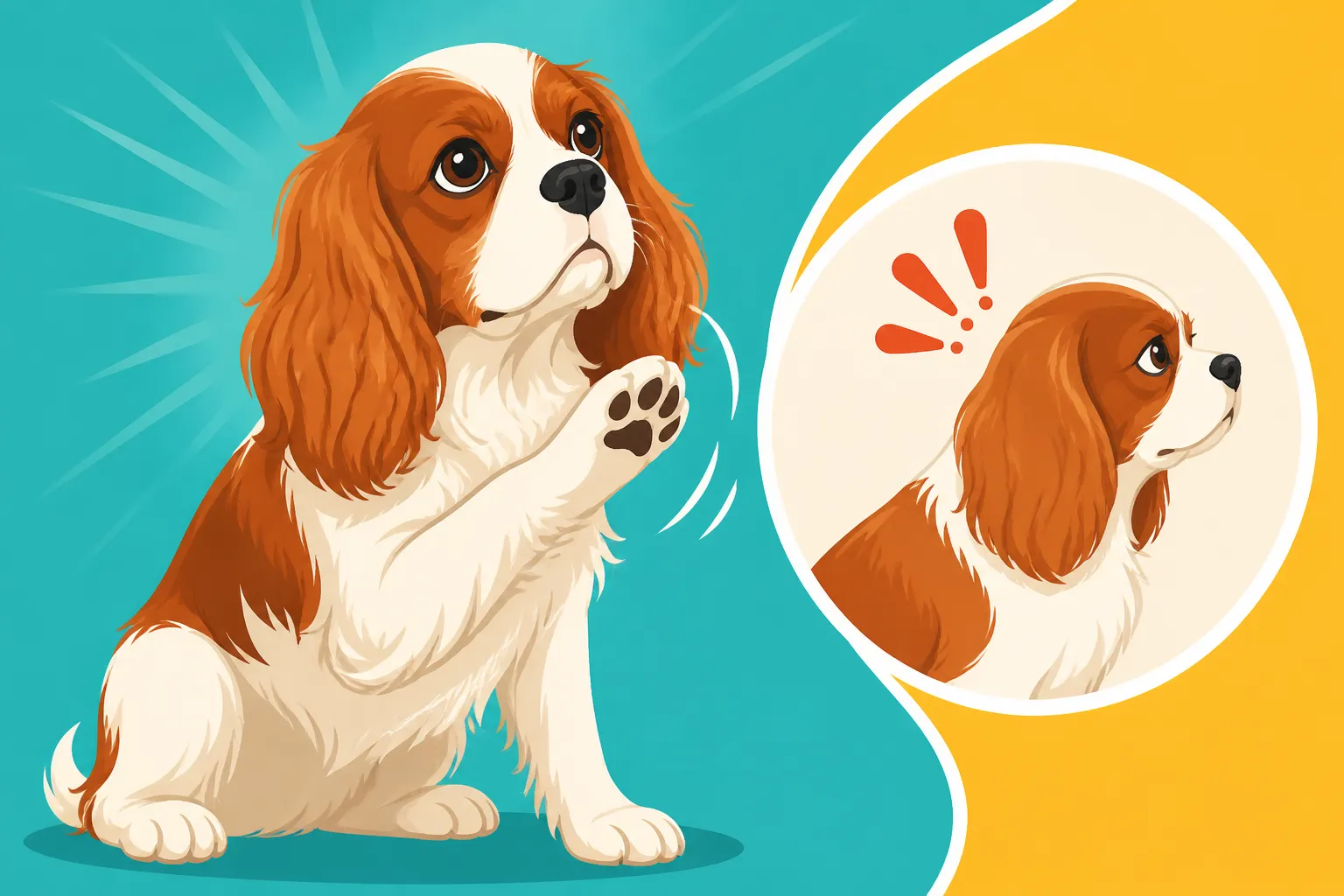
When we talk about "air scratching" in a Cavalier, we're describing a very specific, often frantic, scratching motion where your dog's back leg is moving vigorously, but it’s completely missing their body. They might scratch fervently at their ear, neck, or shoulder area, sometimes even yelping or crying out during the episode, yet their paw is just swiping through the air. It’s not just a clumsy scratch; it’s an intense, seemingly involuntary action that signals a deep irritation or discomfort that they cannot relieve.
Defining the Peculiar Movement
This phantom scratching isn't your average itch. It often looks like an attempt to relieve an unbearable sensation, but the dog isn't actually making physical contact. Imagine feeling an itch so profound it drives you mad, but no matter how hard you scratch, you can't reach it. That's essentially what your Cavalier might be experiencing. The scratching can be intermittent, coming in sudden bursts, or it might be more persistent. It can occur while they're resting, walking, or even in response to a sudden movement or excitement. This distinctive, non-contact scratching is a hallmark sign that something is amiss internally, rather than just a superficial skin irritation.
Common Misconceptions and Why They're Dangerous
Many owners, understandably, might initially dismiss air scratching as simply an odd habit, dry skin, or perhaps a minor allergy. They might reach for an anti-itch spray or change their dog's diet, hoping for a simple solution. However, this delay in seeking appropriate veterinary attention can be incredibly dangerous. While skin allergies or ear infections can cause actual scratching, air scratching specifically points to nerve pain or an abnormal sensation, often linked to neurological issues. Mistaking it for something benign can postpone critical diagnosis and treatment, allowing a potentially progressive condition to worsen and cause more suffering.
The Difference Between Normal and Problematic Scratching
It's important to distinguish between typical dog scratching and this concerning air scratching. Normal scratching involves the paw making contact with the skin, often to relieve an actual itch from fleas, dry skin, or environmental allergens. Your dog might scratch their ear, roll on their back to scratch their side, or nibble at a paw. They make contact, and the scratching provides relief. With air scratching, there's a disconnect. The dog attempts to scratch, but their limb is either misdirected or simply flailing in the air. This lack of contact, combined with the frantic nature and often concurrent signs of discomfort (like yelping or flinching), is the crucial differentiator that should raise immediate alarm bells for any Cavalier owner. If you notice your Cavalier frequently engaging in this phantom scratching, it's time to investigate further, even if you can't see any obvious skin irritation.
The Alarming Truth: Why Cavaliers Air Scratch
The reason air scratching is such a red flag for Cavalier King Charles Spaniel owners is its strong association with a condition called Syringomyelia (SM). While there can be other, less common causes for abnormal scratching behaviors, SM is so prevalent in the breed that it should always be the primary suspicion when air scratching manifests.
Syringomyelia: The Primary Culprit
Syringomyelia is a devastating neurological condition where fluid-filled cavities, called syrinxes, form within the spinal cord. These syrinxes develop due to abnormal cerebrospinal fluid (CSF) flow, which is typically caused by a congenital malformation of the skull and brain in Cavaliers, known as Chiari-like Malformation (CM). The syrinxes expand over time, pressing on nerve fibers and causing a range of symptoms, with air scratching being one of the most classic and often earliest indicators. The sensation that drives the air scratching is thought to be a severe neuropathic pain, an uncomfortable "pins and needles" feeling, or a burning sensation on the skin, often referred to as "phantom scratching" because the dog feels an itch that isn't actually there on the surface. For a deeper dive into this condition, you might want to read our article on Syringomyelia and Chiari Malformation in Cavaliers.
Chiari-like Malformation: The Root Cause
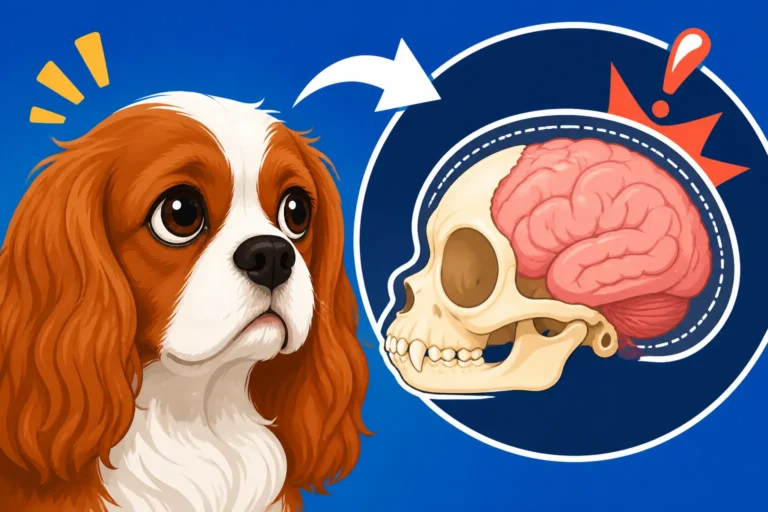
Chiari-like Malformation (CM) is the anatomical defect almost universally seen in Cavaliers, which predisposes them to Syringomyelia. In CM, the Cavalier's skull is too small for its brain, particularly the cerebellum. This crowding forces parts of the brain (specifically the cerebellum and sometimes the brainstem) to be pushed or herniated through the foramen magnum – the opening at the back of the skull where the spinal cord begins. This obstructs the normal flow of cerebrospinal fluid (CSF), creating pressure waves that lead to the formation of syrinxes in the spinal cord. It's a fundamental structural issue in the breed. To understand more about the structural problems, refer to Why a Cavalier Skull Is Too Small for Its Brain. It's the pressure and irritation on the delicate nerve tissues, rather than simply the syrinx itself, that triggers the pain and abnormal sensations, including the notorious air scratching.
Other Potential, Less Common Causes
While SM is the dominant concern, it's important to acknowledge that other issues, though far less likely, could potentially cause abnormal scratching. These include severe allergic reactions leading to nerve-related itching, certain spinal injuries, or even very rare neurological diseases that mimic SM. However, in a Cavalier presenting with air scratching, the odds are overwhelmingly in favor of SM. Your vet will rule out obvious external causes like fleas, ticks, or severe skin infections during the initial examination, but typically, if air scratching is the primary symptom, especially when combined with other subtle signs, the focus will quickly shift to neurological assessment. It's crucial not to self-diagnose and instead allow a veterinarian to guide the diagnostic process.
Beyond Air Scratching: Other Signs of Discomfort
Air scratching is a significant warning, but it's rarely the only sign that something is wrong. Cavaliers suffering from neurological pain, particularly from Syringomyelia, often exhibit a constellation of other subtle, and sometimes not-so-subtle, symptoms that can easily be overlooked or attributed to aging or temperament quirks.
Sensitivity to Touch, Especially the Neck
One of the most common accompanying signs is an increased sensitivity around the neck, head, or shoulder area. Owners might notice their Cavalier yelping or flinching when picked up, especially if touched under the chest or around the neck. They might become resistant to wearing a collar (a harness is often recommended instead for these dogs, as discussed in Harnesses Instead of Collars for a Cavalier), or they might pull away when you try to pet their head or ears. This hypersensitivity is due to the syrinx affecting the nerve pathways in that region. What might seem like a sudden change in mood or a "grumpy" phase can actually be a dog in chronic pain, trying to protect a sensitive area. This can be particularly heartbreaking when your once cuddly Cavalier starts avoiding your touch.
Changes in Sleep Habits or Posture
Pain, especially neuropathic pain, can significantly disrupt a dog's sleep and comfort. A Cavalier with SM might struggle to find a comfortable position to rest. You might observe them sleeping with their head elevated, almost propped up on a toy or a pillow, rather than lying flat. This posture can temporarily relieve pressure on the brain and spinal cord, reducing discomfort. Some dogs might spend more time sleeping, or conversely, be restless and unable to settle down. Others might pace or seem anxious, unable to relax. They might also refuse to jump on furniture or go up and down stairs, signaling joint pain or a general aversion to movements that exacerbate their neck or spinal discomfort. If you notice your Cavalier sleeping differently, such as adopting a peculiar head-raised posture, it's worth noting. Our article A Cavalier That Sleeps With Its Head Raised has more on this.
Sudden Behavioral Shifts
Beyond physical signs, the chronic pain and neurological discomfort from conditions like Syringomyelia can lead to noticeable behavioral changes. A previously outgoing and friendly Cavalier might become withdrawn, preferring to be alone or avoiding interaction. They might become irritable, snap more easily, or show uncharacteristic aggression, particularly if touched in a painful area. This isn't a "bad dog" behavior; it's a dog reacting to constant discomfort. Some Cavaliers might show signs of anxiety or fear, becoming clingy or distressed without a clear trigger. While it's easy to attribute these changes to age or a shift in the household dynamic, it’s critical to consider pain as the underlying cause. These changes are often subtle at first, manifesting as a slightly less enthusiastic greeting or a reluctance to play, but they can escalate if the pain is left unmanaged. Our article Whether Syringomyelia Changes a Cavalier's Temperament delves deeper into these behavioral aspects.
When to Seek Veterinary Help
Recognizing air scratching and its accompanying symptoms is the first step, but the most crucial action is to seek prompt veterinary attention. Time is often of the essence when dealing with progressive neurological conditions.
The Urgency of Early Intervention
Waiting to see if symptoms resolve on their own is a gamble you don't want to take with your Cavalier's health, especially if air scratching is present. Early diagnosis and intervention can significantly impact the progression of Syringomyelia and your dog's quality of life. The sooner treatment begins, whether it's medical or, in some cases, surgical, the better the chance of managing pain, slowing the syrinx's growth, and preventing irreversible neurological damage. Delaying can lead to worsening pain, more severe neurological deficits, and a more challenging prognosis. Think of it like a leak in your roof; addressing it early prevents major structural damage down the line.
Preparing for Your Vet Visit
When you schedule an appointment, be prepared to provide your veterinarian with a detailed history. Keep a journal of when you observe air scratching, how long it lasts, what triggers it (if anything), and any other associated symptoms like yelping, altered sleep, or sensitivity to touch. It's incredibly helpful to take videos of the air scratching episodes with your phone. A video can show your vet exactly what you're seeing, which might not happen during the stress of a clinic visit. Also, list any other medications or supplements your Cavalier is taking and mention any past health issues. This comprehensive information will help your vet piece together the puzzle and guide them toward the most appropriate diagnostic steps.
The Referral Process to a Specialist
Given the complexity of neurological conditions like Syringomyelia, your primary care veterinarian will likely recommend a referral to a board-certified veterinary neurologist. While your general vet can perform an initial physical and neurological exam, a specialist has the expertise and equipment to confirm a diagnosis. This referral is a standard and necessary step. Don't be disheartened; it means your vet is ensuring your Cavalier receives the highest level of specialized care. The neurologist will conduct a thorough neurological examination, which often involves testing reflexes, gait, and proprioception, to pinpoint the affected areas of the nervous system.
Understanding the Diagnostic Journey
Once you're with a neurologist, the diagnostic journey for suspected Syringomyelia typically involves advanced imaging, with MRI being the gold standard. This step is critical for a definitive diagnosis and to understand the extent of the condition.
The Importance of an MRI Scan
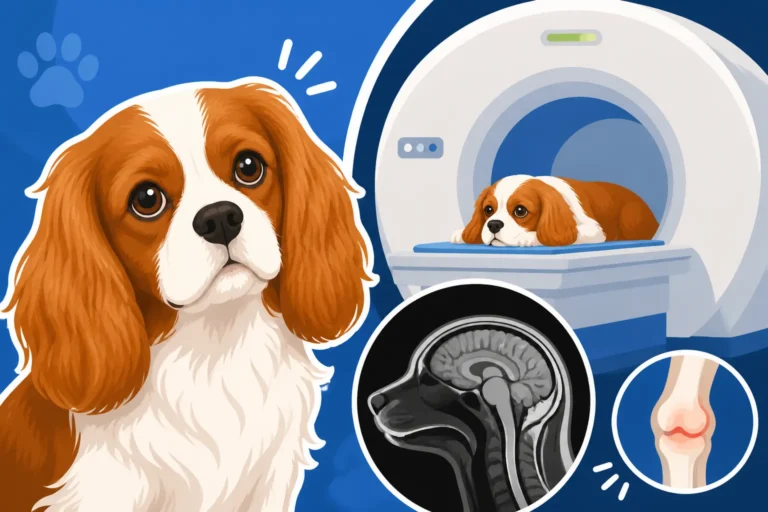
An MRI (Magnetic Resonance Imaging) scan is the only way to definitively diagnose Syringomyelia and Chiari-like Malformation. It provides detailed images of the brain and spinal cord, allowing the neurologist to visualize the syrinxes, their size, location, and the degree of brain herniation (CM). The MRI scan is performed under general anesthesia, as the dog needs to remain perfectly still for the duration of the scan. While the idea of anesthesia can be daunting, especially if your Cavalier is older or has other health issues, it's a necessary procedure to get clear images. Understanding What a Cavalier MRI Scan Costs and Shows can help you prepare for this significant step. It's a substantial investment, but it's the only way to truly know what's going on inside your dog's head and spine.
Interpreting MRI Results and Syrinx Grading
After the MRI, the neurologist will interpret the images and discuss the findings with you. They will identify the presence and size of any syrinxes, as well as the severity of the Chiari-like malformation. Syringomyelia is often graded based on the size and extent of the syrinx, which can correlate with the severity of clinical signs. For instance, a wider syrinx often indicates more significant nerve damage and potentially more severe pain. The MRI will also help rule out other potential causes of neurological signs, such as tumors or disc disease. This detailed information is vital for formulating an effective treatment plan tailored to your Cavalier's specific condition. Sometimes, a Cavalier will have a syrinx but show no clinical signs, which is a key distinction. Our article on Syrinx Width and Cavalier Pain Levels offers more insight into this.
Other Diagnostic Tools
While MRI is paramount, other diagnostic tools might be used in conjunction or for initial assessment. A comprehensive neurological exam performed by the specialist is fundamental. This might involve gait analysis, reflex testing, and sensory evaluations to help localize the neurological lesion. Occasionally, cerebrospinal fluid (CSF) analysis might be considered, though it’s less common for routine SM diagnosis due to the risks involved and the definitive nature of an MRI. Blood tests are typically done pre-anesthesia to ensure your dog is healthy enough for the MRI, but they don't diagnose SM itself. This holistic approach ensures that all aspects of your Cavalier's health are considered before moving forward with a treatment plan.
Managing and Treating the Underlying Cause
Once a diagnosis of Syringomyelia is confirmed, the focus shifts to managing the pain and discomfort caused by the syrinxes. Treatment for SM is complex and often multi-modal, involving a combination of medications and lifestyle adjustments, with surgery as a more advanced option.
Medical Management: Medications to Alleviate Symptoms
The primary goal of medical management is to reduce pain and inflammation and, if possible, to decrease cerebrospinal fluid production to prevent syrinx expansion. Commonly prescribed medications include:
- Pain relievers: Neuropathic pain medications like gabapentin (which we discuss in Gabapentin for a Cavalier With Neck Pain) or pregabalin are often cornerstones of treatment. These target the specific type of nerve pain associated with SM. Non-steroidal anti-inflammatory drugs (NSAIDs) may also be used to manage inflammation.
- Corticosteroids: Drugs like prednisone might be prescribed, especially during flare-ups, to reduce inflammation and sometimes to decrease CSF production. However, long-term use has side effects.
- Diuretics and other CSF-reducing drugs: Medications like omeprazole or furosemide may be used to try and reduce CSF production, thereby minimizing pressure and syrinx growth.
These medications often need to be adjusted over time as your Cavalier's condition changes. It's a process of finding the right combination and dosages to provide optimal comfort. The cost of these medications can add up, and this is where having pet insurance like Healthy Paws can be incredibly helpful for managing ongoing expenses.
Lifestyle Adjustments for Comfort
Medication is essential, but equally important are the daily adjustments you make to your Cavalier's environment to minimize pain and improve comfort.
- Avoid neck pressure: Switch from a collar to a comfortable harness to prevent any pressure on the sensitive neck area.
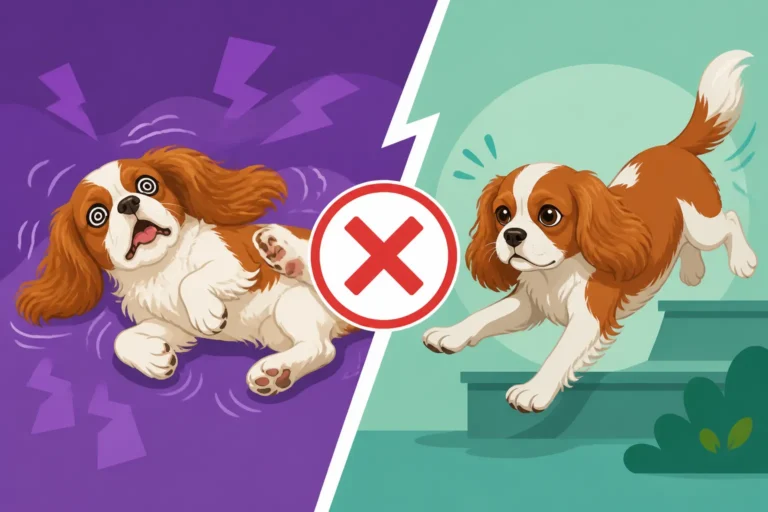
- Limit high-impact activities: Discourage jumping, excessive stair climbing, and rough play that could exacerbate discomfort.
- Provide supportive bedding: Soft, orthopedic beds can help your Cavalier find a comfortable resting position. Elevated food and water bowls can also reduce the need for neck strain.
- Manage excitement: Sudden bursts of excitement or stress can sometimes trigger pain episodes. Try to keep your Cavalier's environment calm and predictable.
These small changes can make a huge difference in your dog's daily comfort and overall well-being. Living with a Cavalier that has Syringomyelia means constantly adapting to their needs.
Considering Surgical Options
For some Cavaliers with severe pain or rapidly progressing neurological deficits, surgery might be an option. The most common surgical procedure is foramen magnum decompression. This involves removing a small piece of bone from the back of the skull to relieve the pressure on the brain and restore normal CSF flow. The goal is to halt the progression of the syrinx and alleviate pain. This is a highly specialized and complex surgery, often performed by only a few veterinary neurologists in the world. While it can offer significant relief, it's not without risks, and success rates vary. It's a decision made in close consultation with your neurologist, weighing the potential benefits against the risks and the substantial financial commitment involved. You can learn more about this in Surgery for Cavalier Syringomyelia. Pet insurance, such as Healthy Paws, can be a lifesaver in these situations, potentially covering a significant portion of these high-cost procedures.
Living with a Cavalier with Syringomyelia
A diagnosis of Syringomyelia can feel overwhelming, but it's important to remember that many Cavaliers with SM can still lead happy, fulfilling lives with proper management and dedicated care. Your role as an owner becomes even more crucial.
Creating a Pain-Free Environment
Your home environment plays a massive role in your Cavalier's comfort. Beyond using a harness and providing soft bedding, consider ramps for accessing furniture or cars, especially as they age or if their mobility is affected. Ensure their feeding station is easily accessible without bending their neck excessively. Keep their routine consistent to minimize stress. If you have children, educate them on gentle handling and respecting your Cavalier's space, particularly around their sensitive neck. The goal is to remove any potential triggers for pain and make every aspect of their day as comfortable as possible. This proactive approach significantly enhances their quality of life.
Ongoing Care and Monitoring
Living with SM means committing to ongoing veterinary care. Regular check-ups with your neurologist are essential to monitor the progression of the disease, adjust medications as needed, and address any new symptoms. You'll need to be vigilant at home, observing for changes in air scratching frequency, pain levels, mobility, or behavior. Keep a detailed log of medication administration and any notable observations to share with your vet. Remember that SM is often a progressive condition, so what works today might need adjustment tomorrow. This journey requires patience, adaptability, and a strong partnership with your veterinary team. While the long-term cost can be high, insurance providers like Healthy Paws can ease the financial burden of these essential ongoing treatments and specialist visits.
Emotional Support for Owners
Caring for a Cavalier with a chronic, painful condition like Syringomyelia can be emotionally taxing. It's natural to feel grief, frustration, or guilt. Remember to seek support for yourself. Connect with other Cavalier owners who are navigating similar challenges – online forums and breed-specific groups can be invaluable resources for sharing experiences, tips, and emotional encouragement. Don't hesitate to lean on your friends, family, and even your veterinary team for support. Your well-being is just as important, as you are your Cavalier's strongest advocate and source of comfort. Understanding and managing the costs involved, as discussed in Paying for a Cavalier Syringomyelia Workup and Medication Costs for Cavalier Nerve Pain, can also reduce stress.
Disclaimer
This article is intended for informational purposes only and does not constitute medical advice. Always consult with a qualified veterinarian or veterinary neurologist for any health concerns or before making any decisions about your pet's medical care.