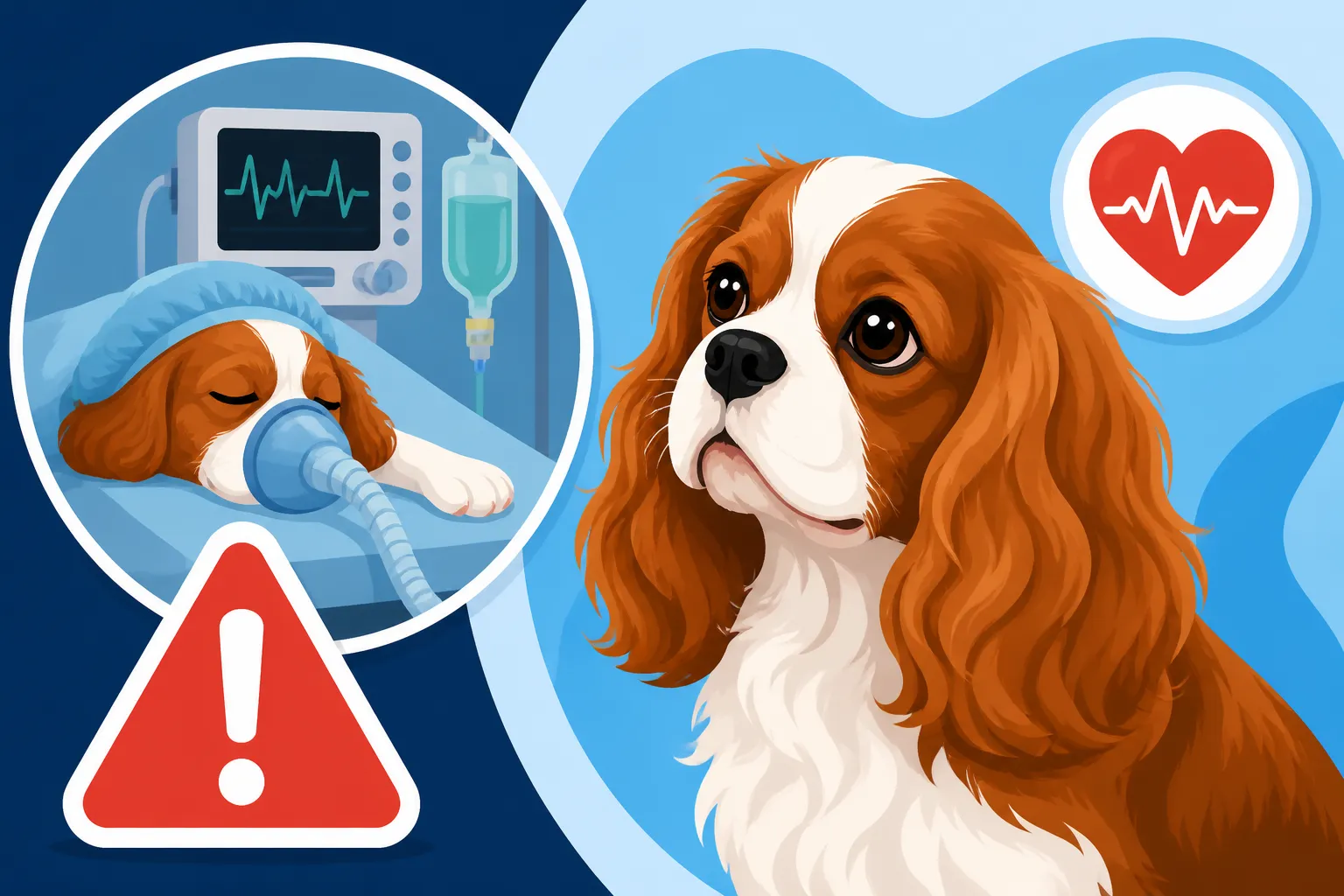
Anesthesia Risk in a Cavalier With a Murmur
It’s a terrifying moment for any Cavalier owner: your beloved furry companion needs surgery, perhaps a routine dental cleaning or a spay, but your vet has detected a heart murmur. The worry immediately floods in – is it safe for them to go under anesthesia? This guide is here to walk you through the complexities of anesthesia risk in a Cavalier King Charles Spaniel with a heart murmur, helping you understand the concerns, the necessary precautions, and how to best prepare for their procedure.
Understanding Your Cavalier's Heart Murmur
Discovering your Cavalier has a heart murmur can feel like a punch to the gut. It immediately raises a red flag for any future medical procedures requiring anesthesia. But what exactly does a murmur mean in the context of your Cavalier's unique health profile?
What a Heart Murmur Actually Means for Your Cavalier
A heart murmur in a Cavalier King Charles Spaniel isn't just a random sound; it's an audible indication that there's turbulent blood flow within the heart. Think of it like a ripple in a stream – blood should flow smoothly, but a murmur tells us it's hitting an obstruction or leaking in a way it shouldn't. While some murmurs are "innocent" or physiological, especially in young puppies, in Cavaliers, a murmur almost always points to an underlying heart condition, most commonly Mitral Valve Disease (MVD). This condition is distressingly common in our breed, often appearing earlier than in others. The sound your vet hears with their stethoscope is the blood trying to push through a valve that isn't closing properly, or leaking backward, creating that distinctive swishing or whooshing sound. It’s a symptom, not a diagnosis in itself, but a very important signal that further investigation is needed.
The Importance of a Recent Cardiac Workup
When your Cavalier needs anesthesia, a recent and thorough cardiac workup isn't just a suggestion; it's an absolute must. You wouldn't want to fly on a plane without the engines being properly checked, right? The same goes for your dog's heart before a procedure. A basic stethoscope check, while a good first step, simply isn't enough to understand the full picture of your Cavalier's heart health, especially if a murmur has been detected.
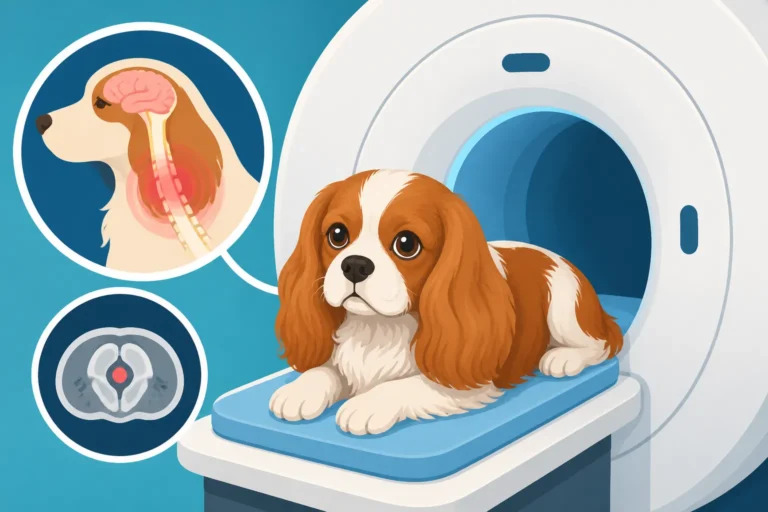
A comprehensive workup typically involves an echocardiogram, often called an "echo." This ultrasound of the heart allows a veterinary cardiologist to visualize the heart's structures, measure chamber sizes, assess valve function, and quantify the severity of any leaks. It can tell them if the heart has started to enlarge or if there are early signs of congestive heart failure. Along with an echo, your vet might recommend chest X-rays to check for fluid in the lungs (a sign of heart failure) and blood tests, like an NT-proBNP, which can indicate cardiac stress. Without this detailed information, your veterinary team is essentially guessing at the best anesthesia protocol, which introduces unnecessary risk. Understanding How Cavalier Heart Disease Progresses Stage by Stage is key, and an up-to-date cardiac workup helps place your dog in a specific stage, informing the entire process.
Different Grades of Murmurs and Their Implications
Not all murmurs are created equal, and their "grade" gives us a vital clue about what's happening inside your Cavalier's chest. Murmurs are typically graded on a scale of I to VI, with I being the softest and VI being the loudest. It's not always a direct correlation between loudness and severity – a very sick dog might have a soft murmur if their heart isn't strong enough to pump blood forcefully – but it's a critical piece of information.
- Grade I: Very soft, often intermittent, and hard to hear. Might be an innocent murmur, but in a Cavalier, still warrants monitoring.
- Grade II: Soft, but consistently audible.
- Grade III: Moderately loud, easily heard. Many Cavaliers with early-stage MVD will fall into this category.
- Grade IV: Loud, can be heard on both sides of the chest. A thrill (a vibration felt on the chest) may also be present.
- Grade V: Very loud, with an easily palpable thrill.
- Grade VI: Extremely loud, can be heard even with the stethoscope slightly off the chest wall.
The grade of your Cavalier's murmur, combined with findings from an echo, helps determine the potential risk of anesthesia. A Grade I murmur in an otherwise healthy young Cavalier will carry a much lower risk than a Grade IV murmur in an older dog with an enlarged heart. For more detail on this, you can look into What a Heart Murmur Grade Means in a Cavalier. This grading helps the veterinary team tailor the anesthetic plan to your dog's specific needs, reducing the chances of complications during and after the procedure.
Assessing Anesthesia Risks for Cavaliers with MVD
When a Cavalier with a heart murmur needs anesthesia, the underlying cause of that murmur – most often Mitral Valve Disease (MVD) – becomes the central concern. It's not just the murmur itself, but what that murmur represents about the heart's overall function and ability to handle the stress of sedation.
Why Cavaliers are Prone to Mitral Valve Disease (MVD)
Cavalier King Charles Spaniels are, heartbreakingly, predisposed to Mitral Valve Disease more than almost any other breed. It’s a genetic lottery that unfortunately most of our beloved Cavaliers will 'win' at some point. MVD is a progressive condition where the mitral valve, located between the left atrium and left ventricle, degenerates and thickens over time. Instead of forming a tight seal, it becomes leaky, allowing blood to flow backward into the atrium with each heartbeat. This backward flow, called regurgitation, makes the heart work harder, leading to enlargement and, eventually, congestive heart failure.
This breed-specific susceptibility means that any Cavalier with a murmur needs to be treated with extra caution. It's not just a generic "heart murmur"; it's a strong indicator of a condition that will likely progress. Even if your Cavalier seems perfectly healthy, the presence of a murmur signals a potential weakness that anesthesia can exacerbate. This is why understanding Mitral Valve Disease in the Cavalier King Charles Spaniel, and its prevalence, is so critical for owners.
How MVD Affects Anesthesia Safety
MVD, even in its early stages, significantly influences how a Cavalier's body handles anesthesia. Anesthetics, by their very nature, impact the cardiovascular system. Many common anesthetic agents can cause a drop in blood pressure, depress heart function, and alter heart rate. For a heart already struggling with a leaky valve, these changes can be detrimental.
When blood pressure drops, the heart has to work even harder to maintain adequate circulation to vital organs. If the heart is already enlarged or compromised by MVD, it might not be able to compensate effectively. This can lead to decreased blood flow to the brain, kidneys, and other organs, potentially causing serious complications. Additionally, some anesthetic drugs can increase the amount of blood leaking back through the mitral valve, worsening the MVD during the procedure. The goal of safe anesthesia for a Cavalier with MVD is to select drugs and protocols that minimize these negative cardiovascular effects, maintaining stable blood pressure and heart function throughout the entire process. This isn't a one-size-fits-all situation; it requires careful individual assessment and a tailored approach based on the specifics of your dog's condition.
Factors That Increase Anesthetic Complications
Beyond the murmur itself, several other factors can significantly increase the risk of anesthetic complications for your Cavalier. It's a cumulative effect, where each additional factor adds another layer of concern.
- Severity of MVD: As discussed, a higher murmur grade or advanced stages of MVD (indicated by significant heart enlargement or early signs of fluid retention) drastically elevates the risk. Anesthesia for a Cavalier with congestive heart failure, for instance, is extremely high risk and often only undertaken in life-threatening emergencies.
- Age: Older Cavaliers are more likely to have advanced MVD and other age-related conditions like kidney or liver dysfunction, which can affect how they metabolize anesthetic drugs. Pre-Surgery Testing for an Older Cavalier, including full blood work, becomes even more imperative.
- Concurrent Health Issues: Any other health problems, such as kidney disease, liver issues, diabetes, or even severe dental disease, can complicate anesthesia. Each additional condition adds stress to the body's systems and may require adjustments to the anesthetic plan.
- Obesity: An overweight Cavalier has a higher risk due to increased stress on their cardiovascular system, reduced lung capacity, and difficulties with drug dosing.
- Medications: Your Cavalier might already be on heart medications or other drugs. It's crucial for your vet to know all current medications, as some may need to be adjusted or temporarily discontinued before anesthesia. Discussing Medication for a Cavalier With Heart Disease, and how it interacts with anesthesia, is a vital conversation to have with your vet.
- Breed Predisposition: Beyond MVD, Cavaliers can also be prone to other issues like brachycephalic airway syndrome (though less severe than in truly brachycephalic breeds like Pugs), which can affect breathing under anesthesia.
Understanding these factors allows your veterinary team to form a comprehensive risk assessment and develop the safest possible plan for your Cavalier, minimizing surprises during the procedure.
Pre-Anesthetic Protocols: Minimizing the Dangers
The key to safe anesthesia for a Cavalier with a heart murmur lies in meticulous preparation. This isn't a step to be rushed; it's a careful, deliberate process designed to gather all necessary information and mitigate as many risks as possible before your beloved companion even enters the operating room.
Comprehensive Pre-Op Diagnostics
Before any anesthetic procedure, comprehensive diagnostics are the backbone of a safe plan. For a Cavalier with a murmur, this means going beyond the basics. While routine blood work (checking kidney and liver function, blood cell counts) is standard for all patients, a Cavalier with a murmur absolutely needs a thorough cardiovascular assessment.
This usually starts with a detailed physical exam by your primary vet, but a referral to a board-certified veterinary cardiologist for an updated assessment is often recommended, especially if the murmur is new, high-grade, or if your Cavalier is showing any clinical signs of heart disease. The cardiologist will perform an echocardiogram to directly visualize the heart's function and structure, assessing the severity of the mitral valve leakage and any heart enlargement. This is where you find out What a Cavalier Echocardiogram Shows. Chest X-rays are also vital to check for any fluid accumulation in the lungs, which would indicate congestive heart failure. An electrocardiogram (ECG) might be done to assess heart rhythm. Based on these findings, the cardiologist can stage your Cavalier's MVD and provide specific recommendations for anesthetic drugs and monitoring, significantly reducing risk.
Tailoring the Anesthesia Plan
Once all the diagnostic information is in hand, your veterinary team can custom-tailor an anesthesia plan specifically for your Cavalier's unique heart condition. This is far from a "one-size-fits-all" approach. The specific drugs chosen for sedation, induction, and maintenance of anesthesia are carefully selected to have the least impact on the cardiovascular system.
For instance, drugs that cause significant drops in blood pressure or depress heart function might be avoided or used at much lower doses. Instead, your vet might opt for agents that offer greater cardiovascular stability. The choice of gas anesthetic, the use of local nerve blocks to reduce the amount of systemic anesthetic needed, and the method of pain control are all carefully considered. It’s also about prevention – pre-medicating with certain drugs can help calm an anxious Cavalier, which itself reduces cardiovascular stress before the procedure even begins. This individualized approach is crucial for dogs with heart disease, and it's a testament to good veterinary practice.
Managing Medications Before Surgery
For Cavaliers already on heart medications, managing these drugs before surgery requires careful consideration. It’s a common misconception that all medications should be stopped before anesthesia – this is often not the case, especially with heart drugs. In fact, maintaining a stable cardiac regimen can be vital for reducing anesthetic risk.
Your vet or cardiologist will provide specific instructions, but generally, heart medications like Pimobendan, ACE inhibitors (e.g., enalapril, benazepril), or diuretics (e.g., furosemide) are continued right up until the time of surgery. These medications help support heart function and prevent fluid buildup, which is even more critical during the stress of anesthesia. However, certain drugs, particularly some non-steroidal anti-inflammatory drugs (NSAIDs) or blood thinners, might need to be temporarily discontinued. Always follow your vet's precise instructions regarding your Cavalier's medications. If you use a pet insurance like Healthy Paws, make sure to document all medication costs for potential reimbursement. Open communication with your vet about every single medication, supplement, or even special diet your Cavalier is on is paramount to ensure there are no adverse interactions or unforeseen complications.
Monitoring Your Cavalier During and After Anesthesia
Even with the most meticulous pre-anesthetic planning, the actual procedure and recovery period require constant vigilance. Monitoring during anesthesia is critical for all pets, but it's exponentially more important for a Cavalier with a heart murmur, where subtle changes can quickly escalate into serious problems.
Critical Monitoring During the Procedure
During the anesthetic procedure, your Cavalier should have a dedicated veterinary technician whose sole focus is monitoring their vital signs. This isn't a passive observation; it's active, constant assessment using specialized equipment.
Here's what a good monitoring setup typically includes:
- ECG (Electrocardiogram): Tracks heart rate and rhythm, immediately alerting the team to any arrhythmias.
- Pulse Oximetry: Measures the oxygen saturation in the blood, ensuring proper oxygenation.
- Capnography: Measures the carbon dioxide levels in exhaled breath, indicating how well your Cavalier is breathing and if they are ventilating adequately. This is particularly important for breeds that can have subtle airway issues.
- Blood Pressure Monitoring: Crucial for Cavaliers with MVD, as maintaining stable blood pressure is vital for organ perfusion and preventing further cardiac stress. This can be done invasively or non-invasively.
- Temperature Monitoring: Anesthetics can cause body temperature to drop, so active warming measures (like circulating warm water blankets) are used to prevent hypothermia, which can slow recovery and stress the heart.
- Visual Observation: The technician will also constantly observe mucous membrane color, capillary refill time, and overall anesthetic depth to ensure your Cavalier is stable.
If you are using a veterinary hospital with advanced monitoring equipment, they should be able to provide detailed information about their protocols. Annual Cardiologist Exams for a Cavalier, and their associated monitoring techniques, can give you an idea of the level of detail involved in good cardiac care.
Post-Operative Care and Recovery
The moment your Cavalier wakes up from anesthesia is not the end of the risk; it's a critical transition phase. The immediate post-operative period requires continued close monitoring, especially for those with heart murmurs.
During recovery, your Cavalier will still be groggy, and their cardiovascular system may not be fully stable. They need to be kept warm, comfortable, and observed for any signs of distress, changes in breathing, or abnormal heart rate. Pain management is also a critical component, as uncontrolled pain can increase heart rate and blood pressure, stressing an already compromised heart. The veterinary team will carefully watch for signs of fluid overload or any worsening of their heart condition. They'll also monitor for any lingering effects of the anesthetic, ensuring a smooth and gradual return to normal consciousness. Don't be afraid to ask about the recovery protocols and what specific measures they take for cardiac patients.
Recognizing and Responding to Complications
While pre-anesthetic precautions and diligent monitoring significantly reduce risks, complications can still occur. Knowing what to watch for, both immediately after surgery and in the days that follow, is essential.
During immediate recovery, complications can include:
- Arrhythmias: Irregular heartbeats.
- Hypotension: Persistently low blood pressure.
- Respiratory Distress: Difficulty breathing, persistent coughing, or rapid shallow breaths.
- Congestive Heart Failure: Signs like coughing, rapid breathing (especially at rest), or weakness.
- Prolonged Recovery: Taking an unusually long time to wake up.
Once your Cavalier is home, continue to monitor them closely. Watch for:
- Changes in breathing patterns: Rapid breathing at rest, increased effort to breathe, or coughing.
- Lethargy or weakness: More than just post-op grogginess.
- Decreased appetite or thirst.
- Any return of pre-existing heart disease signs.
If you notice any of these signs, contact your veterinarian immediately. It’s always better to err on the side of caution. Being informed and prepared allows you to be an active advocate for your Cavalier's health, ensuring they receive the best care possible when facing anesthesia with a heart murmur.
Common Procedures and Anesthesia Considerations
It's easy to assume that if a procedure is "routine," the anesthesia involved is simple. However, for a Cavalier with a heart murmur, no anesthetic procedure is truly routine. Each scenario presents its own set of considerations and risks that must be carefully managed.
Dental Cleanings and Heart Murmurs
Dental disease is incredibly common in Cavaliers, often exacerbated by their crowded little mouths. Regular professional dental cleanings under anesthesia are vital for their overall health, as dental bacteria can contribute to systemic inflammation and even worsen heart disease. However, the irony is that a Cavalier needing a dental cleaning often also has a heart murmur, creating a tricky situation.
The risk of delaying a necessary dental procedure often outweighs the anesthetic risk, provided proper cardiac precautions are taken. If severe dental disease is present, the chronic infection can put additional strain on the heart, making anesthetic risk even higher in the long run. Therefore, it's a balancing act. Your vet will perform a thorough assessment, including cardiac diagnostics, to ensure your Cavalier is as stable as possible before proceeding. They might use a specific anesthetic protocol tailored for heart patients and ensure extra vigilant monitoring during the procedure. It's important to remember that Dental Cleaning Prices With a Cavalier Murmur, can be higher due to these extra safety measures, but it's an investment in your dog's long-term health. Ensuring the dental procedure is as quick and efficient as possible, while maintaining excellent pain control, is also paramount.
Spaying/Neutering a Cavalier With a Murmur
The decision to spay or neuter a Cavalier puppy or adult dog becomes more complex if a heart murmur is present. Many puppies might have innocent murmurs that resolve, but in Cavaliers, a murmur often indicates early MVD.
If your Cavalier puppy has a murmur detected during their pre-spay/neuter exam, your vet might recommend waiting or referring to a cardiologist for an echocardiogram. If it's a low-grade murmur in a young puppy that otherwise seems healthy, some vets might proceed with extra caution, while others prefer to wait until the dog is older and has had a cardiac workup to rule out significant MVD. For an adult Cavalier with a known murmur, the same rigorous pre-anesthetic protocols apply as for any other surgery. The benefits of spaying/neutering (preventing unwanted litters, reducing cancer risks) must be weighed against the anesthetic risk. Ultimately, the decision of Neutering a Cavalier That Already Has a Murmur, should be made in close consultation with your veterinarian, armed with the most current cardiac information possible. Pet insurance, such as Healthy Paws, can be invaluable in covering the costs of these necessary cardiac workups that inform such critical decisions.
Other Surgeries and Risk Assessment
From lump removals to orthopedic procedures, or even exploratory surgeries, any procedure requiring general anesthesia for a Cavalier with a heart murmur demands a thorough risk assessment. The principles remain the same: comprehensive pre-operative diagnostics, tailored anesthetic protocols, and vigilant monitoring.
Each type of surgery, however, brings its own set of considerations:
- Duration of Surgery: Longer surgeries mean longer anesthetic times, which can increase overall risk.
- Location of Surgery: Procedures near the chest or involving significant blood loss can be more taxing on the cardiovascular system.
- Pain Levels: Surgeries that are expected to be very painful will require robust pain management strategies, which themselves can have cardiovascular effects if not chosen carefully.
- Emergency vs. Elective: Elective surgeries allow for optimal preparation and stabilization, while emergency surgeries often mean less time for diagnostics and stabilization, inherently increasing risk.
Your veterinary team will carefully consider all these factors to present you with a clear picture of the risks and benefits. Don't hesitate to ask questions, understand the different options, and ensure you feel comfortable with the plan. It's your precious Cavalier, and advocating for their safety is your most important role. Remember that budgeting for potential treatments and tests, perhaps with the help of a good pet insurance plan, can alleviate some financial stress during these challenging times. For instance, Whether Pet Insurance Is Worth It for a Cavalier, often becomes very clear when facing the costs of advanced diagnostics and specialized care for heart issues.
| Risk Factor | Impact on Anesthesia in Cavaliers with Murmur | Mitigation Strategies |
|---|---|---|
| Mitral Valve Disease (MVD) | Decreased cardiac output, increased strain on heart, potential for congestive failure | Comprehensive echo, cardiologist consult, specific drugs to maintain blood pressure, active heart support. |
| Murmur Grade | Higher grades often (but not always) indicate more severe MVD and higher risk. | Tailored anesthetic plan based on severity. Very mild murmurs may not need cardiologist, but moderate/severe ones always do. |
| Age | Older dogs may have more advanced MVD, other organ dysfunction (kidney/liver). | Thorough blood work, urinalysis, senior-specific pre-anesthetic testing, careful drug selection and dosing. |
| Concurrent Health Issues | Adds stress to body systems, potential drug interactions. | Full medical history review, adjust drug choices, pre-treat existing conditions, careful monitoring of all affected systems. |
| Obesity | Increased cardiac workload, reduced lung capacity, issues with drug dosing. | Pre-op weight loss if elective, careful drug calculation based on lean body mass, vigilant respiratory monitoring, careful positioning. |
| Anxiety/Stress | Can elevate heart rate/blood pressure, increasing cardiac strain. | Gentle handling, pre-medication with sedatives that are safe for cardiac patients to reduce stress before induction. |
When your Cavalier King Charles Spaniel needs to go under anesthesia with a heart murmur, it’s understandable to feel a knot in your stomach. This breed, with its charming personality and flowing coats, unfortunately carries a genetic predisposition to heart conditions like Mitral Valve Disease, making any procedure that requires sedation a more complex undertaking.
The good news is that with advances in veterinary medicine, and careful, proactive planning, the risks can be significantly minimized. The key takeaways here are preparation, communication, and informed decision-making. Don't ever hesitate to ask your veterinarian or cardiologist a million questions. Understand the why behind each diagnostic test, each medication choice, and each monitoring device. By being an informed and proactive owner, you become your Cavalier's best advocate, ensuring they receive the safest and most effective care possible, even when facing the challenge of anesthesia with a heart murmur.
Disclaimer
The information provided in this article is for general informational purposes only and is not a substitute for professional veterinary medical advice, diagnosis, or treatment. Always seek the advice of your veterinarian or other qualified animal health provider with any questions you may have regarding a medical condition or the health and welfare of your pet. Never disregard professional veterinary advice or delay in seeking it because of something you have read in this article.