The Age a Cavalier Murmur Usually Appears
One of the most heart-wrenching realities of loving a Cavalier King Charles Spaniel is the almost inevitable conversation about heart disease. Many owners live in a state of anxious anticipation, wondering when they'll hear those dreaded words from their vet: "Your Cavalier has a heart murmur." This guide will delve deep into exactly when a heart murmur usually makes its unwelcome appearance in our beloved Cavaliers, what factors can influence this timeline, and how you can best prepare.
Understanding Heart Murmurs in Cavaliers
The journey of a Cavalier King Charles Spaniel is often intertwined with the reality of Mitral Valve Disease (MVD). It’s not a question of if it will happen for many of them, but when. Hearing the term "heart murmur" can feel like a punch to the gut, conjuring images of frail health, but understanding what it truly means is the first step in managing this common condition.
What a Heart Murmur Actually Means
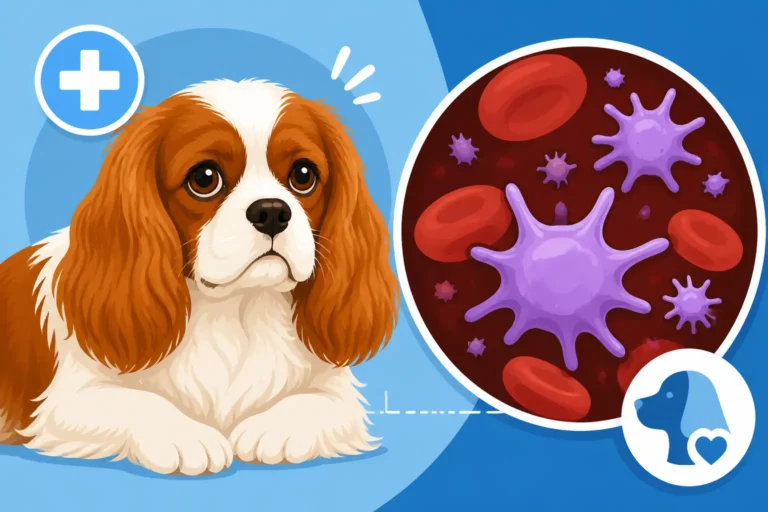
At its simplest, a heart murmur is an abnormal sound heard by your veterinarian when listening to your dog's heart with a stethoscope. Think of your Cavalier's heart as a beautifully orchestrated pump with four chambers and four valves working in perfect harmony. These valves open and close to ensure blood flows in the right direction, preventing any backflow. In the case of MVD, the mitral valve, which separates the left atrium from the left ventricle, starts to degenerate and thicken. This thickening prevents the valve from closing properly, allowing a small amount of blood to leak backward with each heartbeat. This turbulent backflow of blood is what creates the "whooshing" or "swishing" sound your vet hears – the heart murmur.
It’s crucial to remember that a murmur itself isn't a disease; it's a symptom of underlying heart issues, most commonly MVD in Cavaliers. The presence of a murmur simply tells us there's some degree of blood leakage. The severity of the murmur, often categorized by a grade from 1 to 6, can give your vet an initial idea of how much blood is leaking. For a detailed breakdown of what the different grades mean, you might find our article on What a Heart Murmur Grade Means in a Cavalier incredibly helpful.
Why Cavaliers Are So Predisposed to MVD
Cavaliers are, unfortunately, genetically predisposed to MVD, making it the leading cause of death in the breed. This isn't just a random occurrence; it's deeply ingrained in their genetic makeup. While MVD affects many small breeds, it affects Cavaliers earlier and more severely than any other breed. Studies have shown that a staggering number of Cavaliers will develop MVD in their lifetime. By the age of five, over half of all Cavaliers typically have a murmur, and by ten years old, that number often climbs to nearly 90%.
This genetic vulnerability means that even with the best care, proper diet, and exercise, a Cavalier is still highly likely to develop the condition. It’s a silent, progressive disease, meaning it worsens over time. The mitral valve continues to degrade, the leakage increases, and the heart has to work harder to compensate. This extra strain can eventually lead to the heart becoming enlarged and, in later stages, to congestive heart failure. Understanding this predisposition is key to being proactive about your Cavalier's health. You can learn more about the broader issue in our comprehensive guide, Mitral Valve Disease in the Cavalier King Charles Spaniel.
The Typical Timeline for Murmur Appearance
It's natural to wonder, "When should I expect this to happen?" While every Cavalier is an individual, there are distinct patterns and averages concerning when a heart murmur typically appears.
The Average Age Range
Most Cavaliers will develop an audible heart murmur between the ages of 3 and 7 years old. This is considered the "average onset" period. For many owners, it's during a routine annual check-up that their vet first detects that tell-tale whooshing sound. It often starts very faintly, a Grade 1 or 2 murmur, and might not be associated with any noticeable symptoms from your dog.
Imagine bringing your otherwise bouncy, happy 4-year-old Cavalier, Charlie, for his yearly wellness exam. He's full of life, chasing squirrels, and demanding belly rubs. The vet listens, pauses, and then gently explains that she's detected a very soft murmur. For many, this is how it begins – a subtle finding that marks the start of a new chapter in their Cavalier's health journey. This period, from 3 to 7 years, is a critical window for vigilance and regular veterinary check-ups. Our article, Why Half of Cavaliers Have a Murmur by Five, dives deeper into this specific age range.
Early Onset Murmurs
While 3-7 years is typical, some Cavaliers develop murmurs much earlier, even as young as 1 or 2 years old. This "early onset" MVD is particularly concerning because it usually indicates a more aggressive form of the disease. A Cavalier showing a significant murmur before the age of 2 is often seen as a red flag, both for the individual dog's prognosis and for its lineage. Early onset MVD progresses faster, meaning the dog might reach the more advanced stages of heart failure sooner in their life.
If you have a Cavalier puppy or young adult, and a murmur is detected, it's vital to have a conversation with your breeder and vet about the implications. Reputable breeders adhere to strict breeding protocols, which often include waiting until dogs are at least 2.5 years old, ideally 5 years old, and clear of murmurs before breeding them. This is an attempt to reduce the incidence of early-onset MVD. Our guide on The Cavalier MVD Breeding Protocol explains this in detail. A Cavalier with an early-onset murmur will require more frequent monitoring and likely earlier intervention.
Late Onset Murmurs
On the other end of the spectrum, some fortunate Cavaliers don't develop an audible murmur until they are much older, perhaps 8, 9, or even 10+ years old. These dogs are truly special, and their longevity without an early murmur is a testament to strong genetics, and perhaps a bit of luck. A late-onset murmur often suggests a slower-progressing form of MVD. These Cavaliers may live out most of their lives without ever experiencing significant heart-related symptoms or requiring extensive medication.
However, even a late-onset murmur should not be ignored. The heart still needs regular monitoring. While they might have escaped the typical early-to-mid-life onset, the disease is still there and will progress. It's just doing so at a much gentler pace. Our article, Caring for a Cavalier Past Nine, offers insights into managing health issues for senior Cavaliers, including late-onset heart concerns.
Factors Influencing Murmur Appearance
While genetics play the primary role in when a Cavalier's heart murmur appears, several other factors can influence this timeline, either accelerating the progression or potentially mitigating it.
Genetic Predisposition and Breeding
As we've touched upon, genetics are paramount. A Cavalier from a lineage with a history of early-onset MVD is, unfortunately, more likely to develop a murmur earlier themselves. This is why choosing a reputable breeder is absolutely non-negotiable. A breeder committed to the health of the breed will participate in regular cardiac screenings by a board-certified veterinary cardiologist. They will typically not breed a Cavalier until it has reached at least 2.5 years of age, and ideally 5 years, and has been declared murmur-free by a cardiologist. This practice helps to ensure that they are not perpetuating lines with aggressive, early-onset MVD.
The breeding choices made generations ago directly impact the health of today's Cavaliers. A breeder who cuts corners or avoids proper health testing is unknowingly (or knowingly) contributing to the problem. Always ask to see the heart clearances of both parents, certified by a cardiologist, and understand the implications. The article The Heart Testing a Cavalier Breeder Must Do provides essential information on what to look for.
Diet and Weight Management
While diet cannot prevent MVD, maintaining an ideal body weight is crucial for a Cavalier's overall heart health. An overweight Cavalier places extra strain on their heart and circulatory system, potentially exacerbating MVD or accelerating its progression. Just like in humans, excess weight means the heart has to work harder to pump blood to a larger body mass. This added workload can be detrimental to an already compromised heart valve.
Feeding a balanced, high-quality diet appropriate for their age and activity level is essential. Be mindful of treats and human food, as those extra calories add up quickly in a small breed like a Cavalier. If your Cavalier is carrying a few extra pounds, working with your vet on a weight management plan can make a significant difference in their quality of life and potentially slow down the impact of MVD. Our article on Why an Overweight Cavalier Fails Faster delves into the specific risks of excess weight for Cavaliers.
Regular Veterinary Care and Monitoring
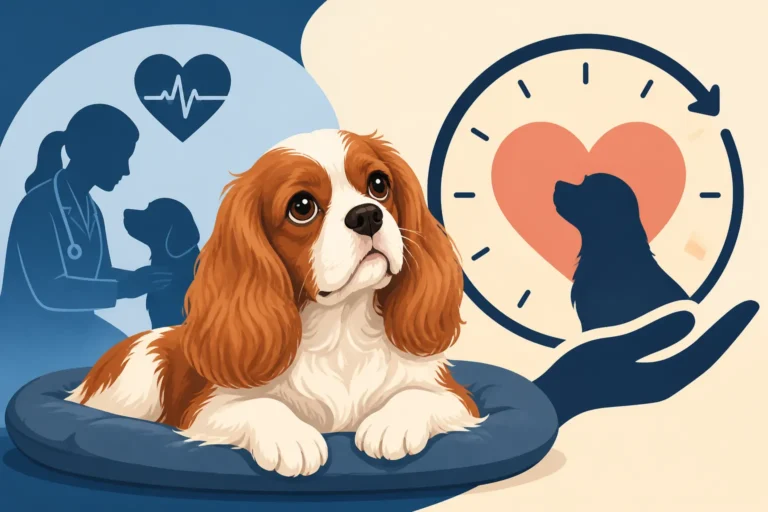
Consistent veterinary care, including annual check-ups, is your first line of defense in detecting a heart murmur early. Even if your Cavalier is bouncing with energy, an annual physical exam provides a crucial opportunity for your vet to listen to their heart. Early detection doesn't mean early panic; it means you can establish a baseline, understand the murmur's grade, and begin proactive monitoring with a cardiologist if recommended.
Once a murmur is detected, your vet will likely recommend a referral to a veterinary cardiologist. This specialist can perform advanced diagnostics like an echocardiogram (an ultrasound of the heart) to assess the severity of the MVD, determine if the heart has enlarged, and establish a treatment plan if necessary. These annual cardiologist visits are invaluable in tracking the progression of the disease. Regular check-ups are also important for discussing pet insurance options; for instance, a company like Healthy Paws might be able to help cover significant cardiology bills if you enroll before a condition becomes pre-existing.
Lifestyle and Environment
While not as impactful as genetics or weight, a Cavalier's general lifestyle can play a subtle role. Providing a calm, low-stress environment can support overall health. While exercise is important, once a murmur is detected, your vet or cardiologist might advise on appropriate activity levels. For most Cavaliers with early MVD, regular, moderate exercise is still encouraged. However, strenuous activity might need to be re-evaluated as the disease progresses. Our article, Whether Exercise Is Safe for a Cavalier With MVD, offers guidance on this topic.
Maintaining good dental hygiene is also more important than many owners realize. Dental disease can introduce bacteria into the bloodstream, which can then travel to the heart and potentially worsen heart valve issues. Regular tooth brushing and professional dental cleanings can contribute to overall health, which indirectly supports heart health.
What to Do When a Murmur Appears
Hearing that your Cavalier has a heart murmur can be frightening, but it's important to remember that it's a diagnosis, not a death sentence. Many Cavaliers live long, happy lives for years after a murmur is first detected.
Don't Panic, Get Informed
Your first reaction might be to panic. Take a deep breath. A murmur doesn't automatically mean your dog is in heart failure. It simply means a change has occurred in their heart. Your priority now is to get informed. Ask your veterinarian questions:
- What grade is the murmur?
- Do you recommend a referral to a cardiologist immediately?
- What are the next steps for diagnosis and monitoring?
Educating yourself about MVD and its progression will empower you to make the best decisions for your Cavalier. Understanding How Cavalier Heart Disease Progresses Stage by Stage can help you anticipate what might lie ahead.
Seek a Cardiologist Referral
This is perhaps the most critical step once a murmur is detected. Your general practice vet is excellent for routine care, but a board-certified veterinary cardiologist has specialized training and equipment to accurately diagnose and stage MVD. They can perform an echocardiogram, which is far more precise than a stethoscope alone. An echocardiogram allows them to visualize the heart's structures, measure chamber sizes, assess valve function, and quantify the severity of the leakage.
Comparison of Diagnostic Tools
| Diagnostic Tool | What it Does | What it Tells You |
|---|---|---|
| Stethoscope | Listens to heart sounds | Detects presence and grade of murmur (sound of turbulent blood flow) |
| Chest X-ray | Provides images of the chest cavity | Shows general heart size, lung fields, and presence of fluid in the lungs (indicating congestive heart failure) |
| Echocardiogram | Ultrasound of the heart, real-time visualization of structures | Detailed assessment of valve integrity, heart chamber sizes, muscle thickness, blood flow, and precise MVD staging |
| NT-proBNP Blood Test | Measures a hormone released in response to heart stretch and stress | Can indicate heart stress and help distinguish between cardiac and non-cardiac causes of symptoms like coughing |
An echocardiogram is essential for determining the stage of MVD, which then guides treatment decisions. For example, medication like Pimobendan is often recommended when the heart begins to enlarge but before clinical signs of heart failure appear. Getting this baseline from a cardiologist is invaluable. You'll want to schedule these annual cardiologist exams for a Cavalier to track progression.
Consider Pet Insurance (If You Haven't Already)
If your Cavalier does not yet have a murmur, now is the time to seriously consider pet insurance. Once a murmur is diagnosed, it often becomes a "pre-existing condition," meaning new insurance policies won't cover its treatment. Heart disease management, especially as it progresses, can be very costly, involving multiple medications, frequent vet visits, and specialist consultations.
For example, a reliable pet insurance provider like Healthy Paws could significantly offset the financial burden of managing MVD. If you've been putting it off, this is your sign to explore options like Insuring a Cavalier Before the Murmur Arrives. While a murmur can be shocking, knowing you have financial support for future treatments can alleviate a huge amount of stress. It’s a vital part of Budgeting a Cavalier From Puppy to Senior and ensuring you can provide the best care without undue financial strain.
Proactive Management and Lifestyle Adjustments
Even if your Cavalier's murmur is mild and they are not yet symptomatic, you can take steps to support their heart health.
- Maintain Ideal Weight: Keep a close eye on your Cavalier's weight. Every extra pound adds strain to the heart. Discuss an ideal weight with your vet and adjust their diet and exercise as needed.
- Monitor Breathing Rate: Learn to count your Cavalier's resting respiratory rate at home. An elevated resting breath rate can be an early sign of congestive heart failure and warrants an immediate call to your vet.
- Observe for Subtle Changes: Be vigilant for any changes in energy levels, appetite, coughing, or reduced exercise tolerance. These can be subtle indicators that the MVD is progressing.
- Follow Vet Recommendations: Adhere strictly to your vet or cardiologist's recommendations for medication, follow-up appointments, and lifestyle adjustments.
The early detection of a heart murmur in your Cavalier is a signal to become even more attentive to their unique needs. It's a journey, but with knowledge and proactive care, you can help your beloved companion live their fullest, happiest life for as long as possible.
Disclaimer
This article is intended for informational purposes only and does not constitute medical advice. Always consult with a qualified veterinarian or a board-certified veterinary cardiologist for any health concerns or before making any decisions about your Cavalier King Charles Spaniel's care.