Phantom Scratching in a Cavalier
It's incredibly distressing when your sweet Cavalier starts scratching frantically at the air, or at their own body, yet doesn't seem to make actual contact with an itch or find relief. This puzzling behavior, often called "phantom scratching," leaves many owners confused and worried, wondering if their beloved pet is truly suffering from an invisible torment. This guide will delve deep into what phantom scratching is, why it occurs in Cavaliers, how it's diagnosed, and the best ways to manage this complex condition to ensure your furry friend can live a comfortable, happy life.
What Exactly is Phantom Scratching in Cavaliers?
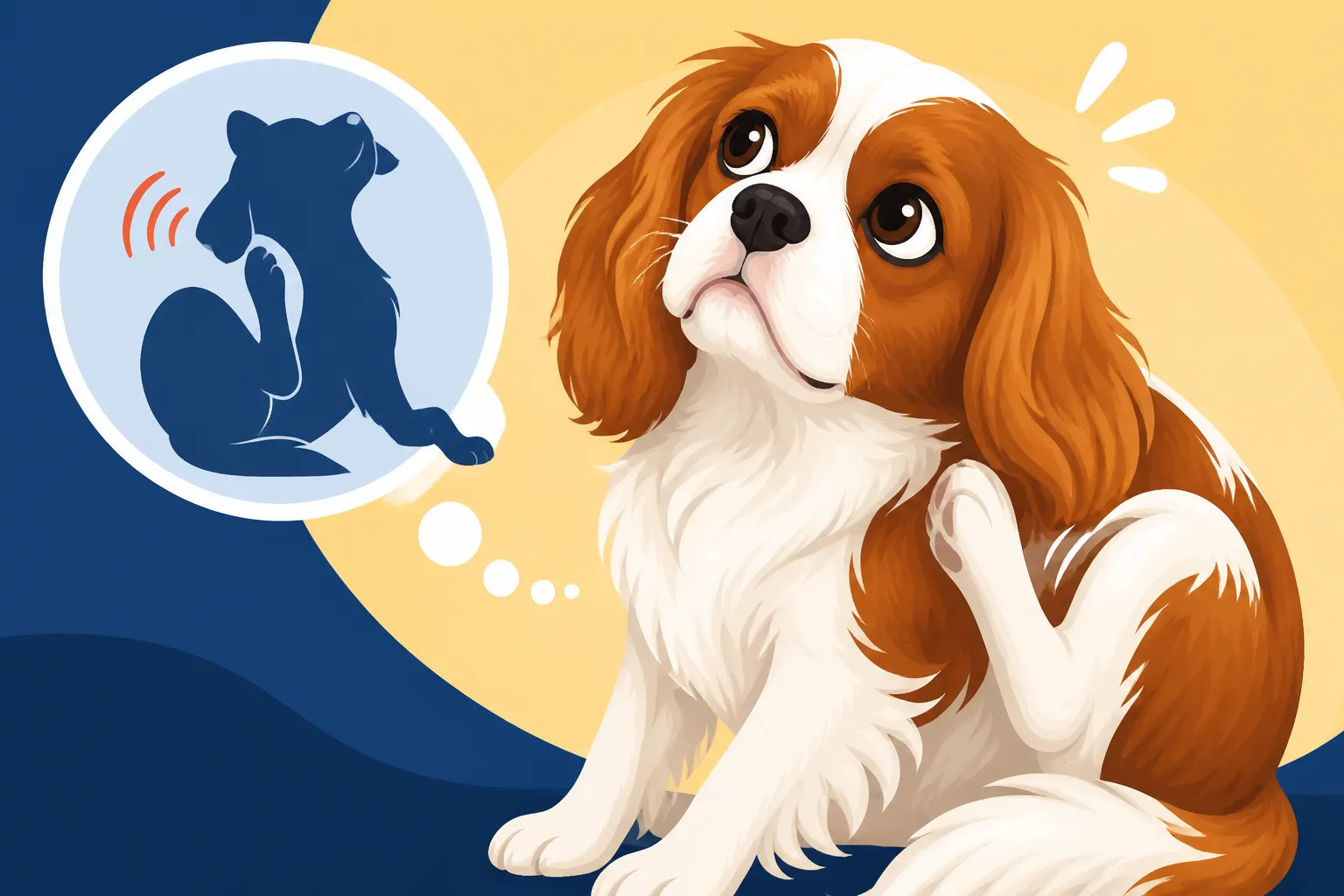
Phantom scratching in a Cavalier King Charles Spaniel is one of those behaviors that, at first glance, might just look like a regular itch. But when you observe closely, you start to notice something profoundly different and concerning. It's not a typical, satisfying scratch. Instead, it's often a frantic, uncontrolled, almost involuntary movement, frequently directed at the shoulder or neck area, but without the paws actually reaching the skin or finding any physical relief.
The Peculiar Nature of the Behavior
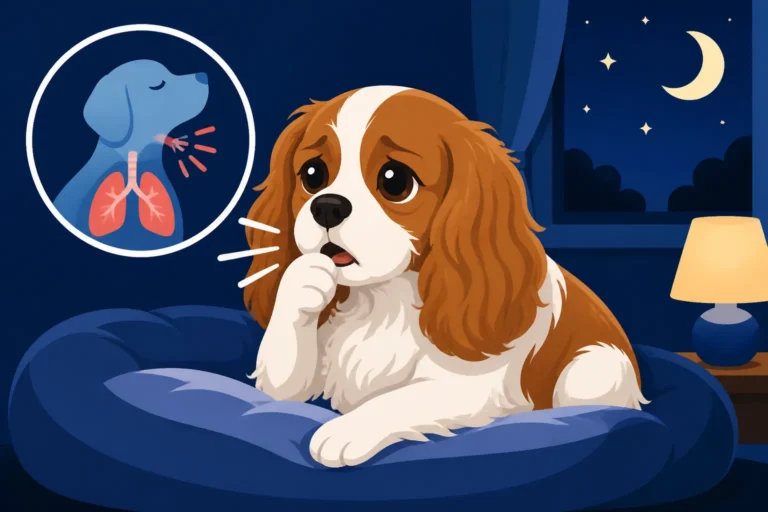
Imagine your Cavalier suddenly snapping their head around, perhaps yelping or crying out, and then frantically scratching at their neck or ear, sometimes even tearing at the air right next to their body. The key here is the "phantom" aspect – there's no visible flea, no rash, no obvious skin irritation. They might scratch repeatedly, sometimes for several seconds, then stop abruptly, only to start again minutes or hours later. This isn't just a casual rub behind the ear; it’s an intense, often distressing, episode. Owners frequently report their dogs acting as if something is crawling on them, but when they inspect, there’s nothing there. It's heartbreaking to watch because you know they're clearly uncomfortable, but you can't see the source of the problem. Sometimes, these phantom scratches happen even when your dog is relaxed, or just waking up from a nap, seemingly out of the blue, which further sets it apart from a typical environmental allergen.
Distinguishing it from Regular Itching
It’s crucial to understand the difference between phantom scratching and an ordinary itch. A normal itch, usually caused by allergies, fleas, dry skin, or a mild irritation, typically involves direct contact and visible relief. Your dog might scratch, chew, or lick at a specific spot, and you'll often see redness, flakiness, or a hot spot developing. With phantom scratching, the behavior is often localized to the neck, shoulder, or ear, but the actual contact is minimal or absent. The dog’s paw might flail wildly, or scratch vigorously at the air, rather than directly on the skin. You might even notice a sensation of heightened sensitivity to touch in the neck or head area, where a gentle stroke might elicit a yelp or a sudden bout of scratching. If you suspect your Cavalier is showing these signs, it's essential to seek veterinary advice promptly, as it's rarely just an "allergy" when it comes to phantom scratching in this breed. Many owners first assume fleas or allergies, spending money on treatments that yield no results, only to realize the issue is much deeper.
The Root Cause: Syringomyelia and Chiari-like Malformation
When a Cavalier King Charles Spaniel exhibits phantom scratching, the veterinary community immediately thinks of a specific neurological condition: Syringomyelia (SM), often stemming from Chiari-like Malformation (CM). This isn't just a theory; it's a deeply rooted issue within the breed that accounts for a significant number of these perplexing symptoms. Understanding these conditions is the first step toward helping your Cavalier.
Understanding Chiari-like Malformation CM
Chiari-like Malformation (CM) is an inherited condition that's unfortunately rampant in the Cavalier breed. In simple terms, it means your Cavalier's skull is too small for its brain. Specifically, the back of the skull, where the cerebellum sits, is often too shallow or misshapen, preventing the cerebellum from sitting comfortably. This abnormal development compresses the brainstem and obstructs the normal flow of cerebrospinal fluid (CSF) around the brain and spinal cord. It's like trying to fit a large brain into a hat that's several sizes too small. This compression and altered fluid dynamics are the starting point for a cascade of neurological problems. Many Cavaliers have some degree of CM, but the severity varies, and not all dogs with CM will develop Syringomyelia. You can learn more about how What Chiari Malformation Does to a Cavalier Skull impacts this breed.
How Syringomyelia SM Develops
The restricted CSF flow caused by CM creates pressure changes that can lead to the formation of fluid-filled cavities, or syrinxes, within the spinal cord itself. This condition is called Syringomyelia (SM). These syrinxes essentially create empty spaces that expand over time, pressing on the delicate nerves within the spinal cord. It’s like a balloon slowly inflating inside the spinal column, putting immense pressure on everything around it. The size and location of these syrinxes determine the severity and type of symptoms your Cavalier might experience. A larger syrinx or one located in a critical nerve pathway will cause more significant pain and neurological deficits. The progression of SM can be slow or rapid, and it's not always predictable, making regular monitoring important. For a deeper dive, consider reading about Syringomyelia and Chiari Malformation in Cavaliers.
The Nerve Damage That Triggers Phantom Scratching
Phantom scratching, or "air scratching" as it's sometimes called, is a classic symptom of Syringomyelia. It occurs because the syrinxes most commonly form in the cervical (neck) region of the spinal cord. When these fluid-filled cavities expand and put pressure on the sensory nerves that transmit signals from the skin to the brain, they essentially short-circuit the normal pain and sensation pathways. The dog feels an intense, burning, crawling, or tingling sensation – known as neuropathic pain – on or under their skin, typically around their neck, shoulder, or ear. But because the signal is distorted and originating from within the spinal cord itself, rather than from a peripheral itch, scratching doesn't provide relief. The sensation is internal, despite feeling like an external irritant. This is why the dog scratches furiously at the air, or at their body without making proper contact, or even yelps suddenly as if struck. It's a clear signal that something is seriously wrong with the nerve communication, and it's a primary indicator to consider Air Scratching as a Cavalier's First Warning Sign.
Recognizing the Signs and Getting a Diagnosis
Watching your Cavalier engage in phantom scratching is unnerving, but it’s just one piece of the puzzle. Syringomyelia often manifests with a range of symptoms, and recognizing these can help you advocate for your pet and ensure a timely and accurate diagnosis.
Key Behavioral Indicators Beyond Scratching
While phantom scratching is a hallmark sign, it's rarely the only one. Cavaliers suffering from SM might exhibit a variety of other neurological symptoms. Pay close attention to changes in how your dog moves or reacts. You might notice they are suddenly reluctant to be touched around their neck or head, sometimes yelping or even snapping if you try. This is particularly concerning if your Cavalier was previously affectionate. They might start sleeping with their head elevated, often perched on a pillow or toy, to relieve pressure on their neck. Another common sign is a sudden aversion to stairs or jumping on and off furniture, behaviors that were once second nature. Some dogs develop a scoliotic posture, a curvature of the spine, as they try to alleviate pain. You might also observe weakness in their limbs, an uncoordinated gait, or even a sudden onset of lameness. In severe cases, some Cavaliers may experience profound changes in temperament, becoming withdrawn, irritable, or even aggressive due to chronic pain. If you're seeing signs like A Cavalier That Yelps When Picked Up or A Cavalier That Refuses Stairs, along with phantom scratching, it's time to get a specialist involved.
The Diagnostic Process: MRI and Neurologist Referral
If you suspect your Cavalier is suffering from SM, the first step is always a visit to your regular veterinarian. They will conduct a thorough physical and neurological exam, but for a definitive diagnosis, a referral to a board-certified veterinary neurologist is almost always necessary. The neurologist will likely recommend an MRI (Magnetic Resonance Imaging) of your Cavalier's brain and cervical spine. This is the gold standard for diagnosing CM and SM, as it provides detailed images that can clearly show the skull malformation, the extent of brain compression, and the presence, size, and location of any syrinxes within the spinal cord. Before the MRI, your vet might perform blood tests to rule out other conditions. Keep in mind that an MRI requires general anesthesia, so your vet will discuss the risks and benefits with you. The cost can be significant, but it's the only way to truly understand what's happening inside your dog's head and spine. Many owners look into pet insurance providers like Healthy Paws to help manage these unexpected and often substantial diagnostic costs, especially when considering Getting a Cavalier Scanned for Syringomyelia.
Why Early Diagnosis Matters
Early diagnosis of Syringomyelia is absolutely critical for several reasons. Firstly, it allows for prompt intervention to manage pain and slow the progression of the disease. The longer a syrinx is allowed to grow and exert pressure on the spinal cord, the more permanent the nerve damage can become, potentially leading to irreversible neurological deficits and chronic, debilitating pain. Secondly, understanding the diagnosis helps you and your vet tailor a specific treatment plan that directly addresses the underlying problem, rather than just treating symptoms, which can be a costly and frustrating cycle if you're chasing misdiagnosed allergies or behavioral issues. Finally, early diagnosis empowers you as an owner to make informed decisions about your Cavalier’s quality of life, allowing you to implement environmental modifications and ongoing care strategies that can significantly improve their comfort and happiness. Knowing the Syrinx Width and Cavalier Pain Levels early can guide treatment intensity.
Here's a quick comparison to help differentiate:
| Feature | Phantom Scratching (SM/CM) | Regular Itching (Allergies/Fleas) |
|---|---|---|
| Trigger | Neuropathic pain from spinal cord/nerve damage | External irritant (fleas, pollen, food, dry skin) |
| Contact | Often scratches at air, or superficial/involuntary contact | Direct, intentional scratching/licking/chewing on skin |
| Relief | Little to no relief; often increases distress | Provides temporary, visible relief; dog seems less bothered after |
| Location | Primarily neck, shoulder, ear; sometimes one side | Can be anywhere, often belly, paws, inner thighs |
| Visible Skin Signs | Usually none in initial stages; may develop self-trauma later | Redness, rash, flakiness, hot spots, hair loss |
| Accompanying Symptoms | Yelling, head elevation, reluctance to touch, weakness, gait changes | Restlessness, chewing; usually no neurological signs |
| Onset | Can be sudden, often episodic, or gradually worsening | Can be seasonal, after exposure, or persistent |
| Response to Treatment | Responds to nerve pain medication, sometimes surgery | Responds to anti-itch medication, flea treatment, diet changes |
Managing Phantom Scratching and Supporting Your Cavalier
Receiving a diagnosis of Syringomyelia can feel overwhelming, but it’s important to remember that there are many ways to manage the condition and improve your Cavalier's quality of life. The goal is always to minimize pain and discomfort, allowing your dog to enjoy their days as much as possible.
Medication and Pain Management Strategies
The cornerstone of SM management is typically medication aimed at reducing neuropathic pain and, in some cases, decreasing CSF pressure to slow syrinx expansion. Your veterinary neurologist will devise a specific drug protocol, often starting with medications like gabapentin, which is highly effective for nerve pain. This is often combined with other pain relievers, such as NSAIDs (non-steroidal anti-inflammatory drugs) or even corticosteroids, to manage inflammation and discomfort. Diuretics may also be prescribed to help reduce fluid pressure around the brain and spinal cord. It's important to understand that finding the right "cocktail" of medications and dosages can take time and require careful monitoring and adjustment. Never alter your Cavalier's medication regimen without consulting your vet. For serious cases, some owners consider Surgery for Cavalier Syringomyelia, though this is a complex and costly decision. Pet insurance, such as a policy from Healthy Paws, can be incredibly beneficial in offsetting the substantial ongoing costs of these prescription medications and specialist visits, as medication for Cavalier nerve pain can add up over time.
Environmental Adjustments for Comfort
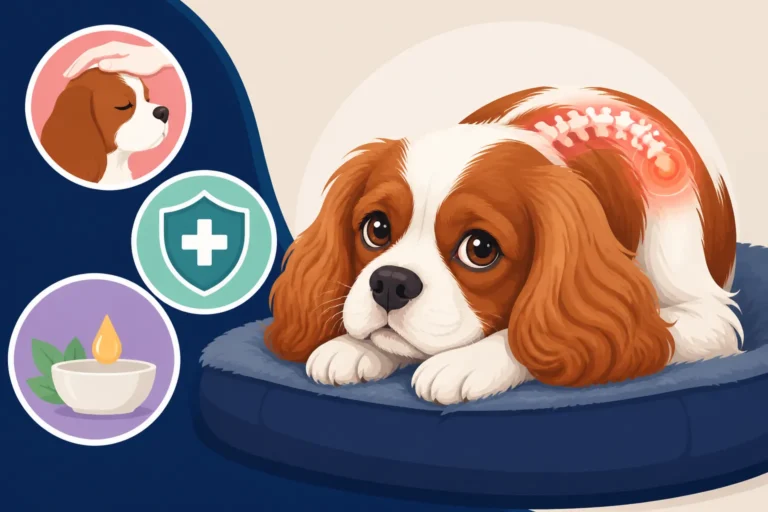
Beyond medication, making thoughtful adjustments to your Cavalier's environment can make a world of difference in their comfort level. Because phantom scratching and neck pain are often exacerbated by pulling on a collar, switching to a well-fitting harness is paramount. This simple change can prevent undue pressure on the sensitive neck and spinal cord area. Consider ramps or dog stairs to help your Cavalier access furniture or your bed without having to jump, reducing strain on their joints and spine. Soft, orthopedic bedding can provide extra cushioning and support, especially for older dogs or those with advanced SM. Keep their environment calm and stress-free, as stress can sometimes amplify pain sensations. Many owners also find that carrying their Cavalier more often, or avoiding certain handling techniques that might cause discomfort, is crucial. If your Cavalier struggles with car rides, a specialized car seat that supports their neck can be helpful. These small changes contribute significantly to Living With a Cavalier That Has Syringomyelia more comfortably.
Long-Term Care and Quality of Life
Living with a Cavalier that has Syringomyelia is a marathon, not a sprint. It requires ongoing dedication and a close partnership with your veterinary team. Regular check-ups with your neurologist are essential to monitor the progression of the disease, adjust medications as needed, and assess your dog’s overall quality of life. Physical therapy or hydrotherapy might be recommended to maintain muscle strength and mobility, and these specialized treatments can also be considered for coverage by pet insurance providers like Healthy Paws. Be diligent about observing your Cavalier for any new or worsening symptoms, and always communicate these changes to your vet promptly. Remember that their temperament might also shift due to chronic pain, so understanding Whether Syringomyelia Changes a Cavalier's Temperament is important for managing expectations and providing empathetic care. Providing a loving, supportive, and adapted home environment is the best thing you can do for your Cavalier, ensuring they remain as happy and pain-free as possible for as long as possible.
Disclaimer
This guide is intended for informational purposes only and does not constitute medical advice. Always consult with a qualified veterinarian or veterinary neurologist for any health concerns or before making any decisions about your pet's treatment or care.