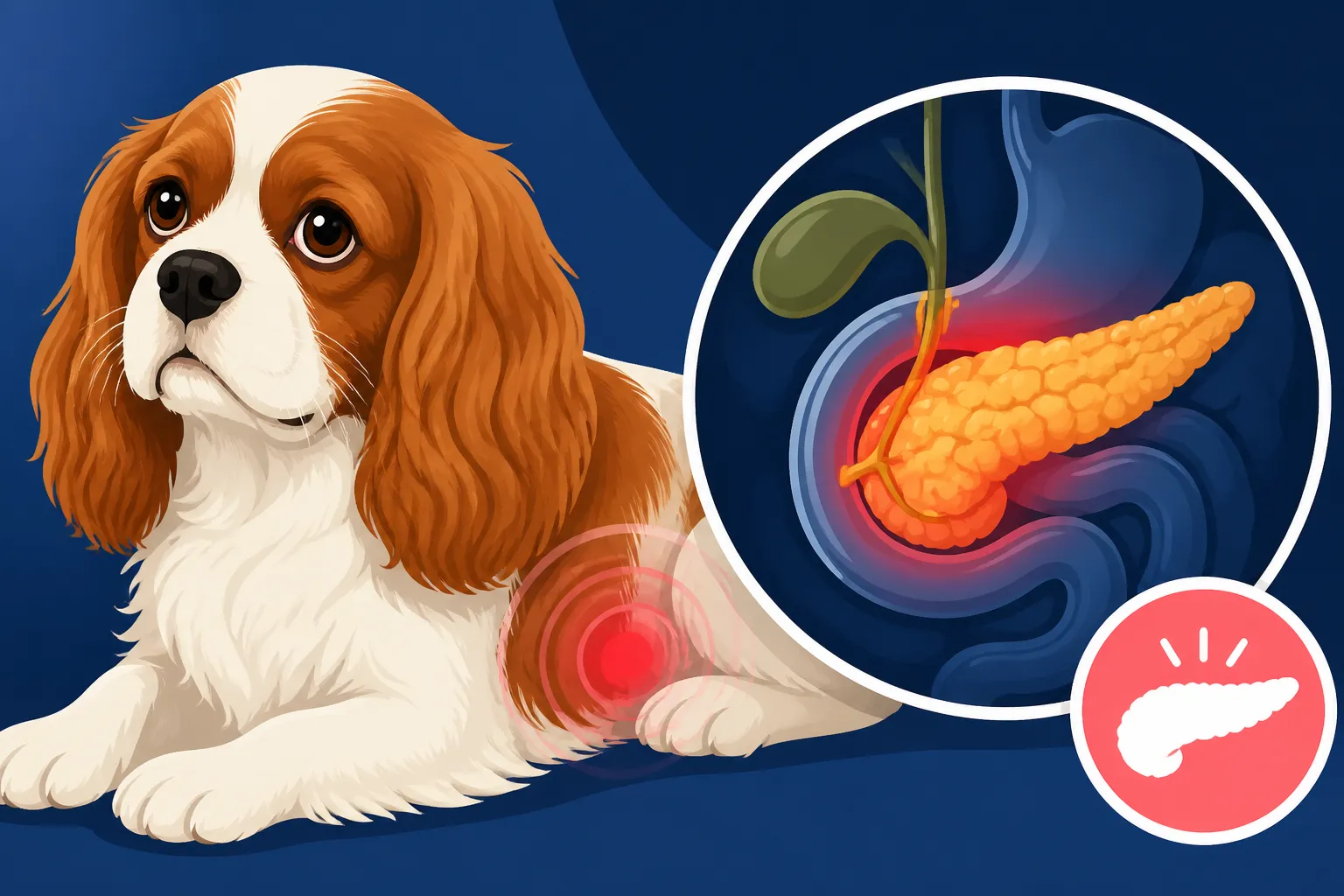
Pancreatitis in a Cavalier
It’s truly alarming when your sweet Cavalier, usually so full of life and eager for cuddles, suddenly starts refusing food, acting lethargic, or showing signs of tummy pain. One of the scariest possibilities that can cause these acute symptoms, and often an ongoing source of worry for owners, is pancreatitis. This guide will help you understand what pancreatitis is, how to recognize its often subtle signs in your beloved Cavalier, and what steps you can take for treatment and long-term management to keep them comfortable and healthy.
Understanding Pancreatitis in Your Cavalier King Charles Spaniel
Pancreatitis, simply put, is an inflammation of the pancreas, a small but mighty organ tucked away near your Cavalier's stomach and small intestine. This little gland has two big jobs: producing enzymes essential for digestion and making hormones like insulin, which regulates blood sugar. When the pancreas gets inflamed, those digestive enzymes, which are usually only activated once they reach the small intestine, start activating prematurely inside the pancreas itself. This essentially means the pancreas begins to digest itself, leading to pain, damage, and a whole host of other uncomfortable symptoms. It's a truly painful condition that no owner wants their dog to experience.
What the Pancreas Does and Why It Matters
The pancreas is an unsung hero in your dog's body. Imagine it as a tiny factory with two production lines. One line churns out enzymes like amylase, lipase, and protease, which are vital for breaking down carbohydrates, fats, and proteins in food. These enzymes travel through a duct to the small intestine, where they get to work. The other production line creates hormones, primarily insulin and glucagon, which are released directly into the bloodstream to control blood sugar levels. When pancreatitis strikes, both functions can be disrupted. The digestive enzyme issue is what causes the immediate, acute pain and nausea, while long-term damage can sometimes lead to diabetes if the insulin-producing cells are affected. It's a delicate balance, and when it goes wrong, it affects their entire digestive system and overall well-being.
Types of Pancreatitis and Common Triggers
Pancreatitis can present in a couple of ways: acute and chronic. Acute pancreatitis comes on suddenly and is often very severe, making your Cavalier incredibly sick very quickly. Chronic pancreatitis, on the other hand, is a longer-lasting, less severe inflammation that can flare up periodically. Both types can be incredibly distressing for both you and your dog.
While sometimes pancreatitis seems to appear out of nowhere, there are several common culprits:
- High-Fat Meals: This is perhaps the most notorious trigger. That fatty Thanksgiving turkey skin, leftover bacon grease, or even a sudden switch to a very rich dog food can overwhelm the pancreas. Cavaliers, with their sometimes sensitive digestive systems, can be particularly susceptible.
- Obesity: Dogs that are overweight or obese are at a significantly higher risk. The excess fat around their organs, including the pancreas, seems to play a role in developing inflammation. This is why keeping an eye on your Cavalier's weight is so crucial; you can learn more about this in our article on "Why an Overweight Cavalier Fails Faster".
- Certain Medications: Some drugs, although less common, have been linked to pancreatitis. It's always worth discussing any new medications with your vet, especially if your Cavalier has had past digestive issues.
- Trauma or Surgery: In rare cases, physical trauma to the abdomen or even certain types of surgery can trigger an inflammatory response in the pancreas.
- Underlying Health Conditions: Conditions like Cushing's disease, diabetes mellitus, or even some types of hyperlipidemia (high fat in the blood) can predispose a Cavalier to pancreatitis. Sometimes, it's also associated with other inflammatory bowel diseases.
- Breed Predisposition: While Cavaliers aren't typically listed as the most prone breed, their generally sensitive nature and common struggles with weight gain mean they can certainly be affected. Other breeds like Miniature Schnauzers are famously predisposed, but any dog, including our Cavaliers, can suffer.
It’s often a combination of factors, or sometimes a single, obvious dietary indiscretion that kicks off an episode. The frustrating part for many owners is that sometimes, despite your best efforts, the exact cause remains a mystery.
Recognizing the Signs of Pancreatitis in Your Cavalier
Spotting pancreatitis can be tricky because the symptoms can range from subtle and vague to incredibly severe and obvious. Your Cavalier, being the trooper they are, might try to hide their discomfort, especially in the early stages. This makes it even more important for you to be vigilant and know what to look for.
Subtle Versus Severe Symptoms
When pancreatitis first starts, your Cavalier might just seem "off." They might be a bit quieter than usual, less interested in playing, or a little more withdrawn. These subtle signs are often the ones that can easily be missed or mistaken for a general upset tummy.
Subtle Symptoms:
- Loss of Appetite: They might skip a meal or two, or just sniff at their food without eating. This is often one of the first indicators.
- Lethargy: Your normally energetic Cavalier might be sleeping more, reluctant to go for a walk, or just generally low on energy.
- Mild Abdominal Discomfort: They might not be overtly painful, but you might notice them stretching more, walking gingerly, or even just appearing uncomfortable when picked up or touched around their belly.
- Changes in Stool: While not always present, some dogs might have softer stools or even diarrhea.
Severe Symptoms:
If the pancreatitis is acute or rapidly worsening, the signs become much more pronounced and demand immediate veterinary attention. These are the "call the vet right now" symptoms:
- Repeated Vomiting: This is one of the hallmark signs. Your Cavalier might vomit multiple times in a short period, and it won't necessarily be tied to eating. This can lead to dehydration very quickly.
- Severe Abdominal Pain: They might exhibit what's known as a "prayer position," where their front paws are stretched out and their rear end is up in the air. This is an attempt to relieve pressure on their abdomen. They may also yelp or guard their stomach if you try to touch it.
- Diarrhea: Often severe, sometimes bloody, and can also contribute to rapid dehydration.
- Weakness and Collapse: Due to pain, dehydration, and inflammation, your Cavalier might become extremely weak, stumble, or even collapse.
- Fever: Their body temperature might be elevated.
- Dehydration: Sunken eyes, dry gums, and skin that doesn't snap back quickly when gently pinched are all signs of dehydration.
- Restlessness or Pacing: Due to the severe discomfort, they might be unable to settle.
It’s important to remember that these symptoms can also overlap with other serious conditions, so an accurate diagnosis is absolutely critical. For instance, a Cavalier that vomits bile in the morning might have a different issue entirely, but persistent vomiting is always a red flag that warrants investigation. You can read more about "A Cavalier That Vomits Bile in the Morning".
When to Seek Veterinary Attention
If you notice any of the severe symptoms, or a combination of the subtle ones that persists for more than a day, it's time to call your veterinarian immediately. Pancreatitis can quickly become life-threatening if not treated promptly. Don't wait to see if it "gets better on its own."
Even if your Cavalier seems to improve after a mild episode, it’s crucial to get them checked. Chronic pancreatitis can smolder silently, leading to recurring issues and even more serious complications down the line, such as diabetes or exocrine pancreatic insufficiency (EPI), where the pancreas no longer produces enough digestive enzymes. Early intervention and diagnosis can make a significant difference in their recovery and long-term health. Having pet insurance like Healthy Paws can be a huge relief in these emergency situations, helping you focus on your Cavalier's care rather than the potentially hefty vet bills.
Diagnosing Pancreatitis: What to Expect at the Vet
When you bring your Cavalier to the vet suspecting pancreatitis, your vet will perform a thorough physical examination, ask you detailed questions about their symptoms, recent diet, and overall health. But to truly diagnose pancreatitis, they'll need to run some specific tests. It's not always a straightforward diagnosis, and sometimes it requires a combination of tests to get a clear picture.
The Diagnostic Process: From Physical Exam to Blood Tests
Your vet will start by feeling your Cavalier's abdomen, checking for signs of pain or swelling. They'll also assess their hydration status, temperature, and general demeanor. This initial exam provides crucial clues, but blood tests are usually the next step in confirming pancreatitis.
Here’s what your vet might recommend:
- Complete Blood Count (CBC): This test checks for signs of infection or inflammation, such as an elevated white blood cell count. It also assesses red blood cell count to check for anemia, which can sometimes occur with severe illness or dehydration.
- Chemistry Panel: This panel evaluates organ function, electrolyte balance, and blood sugar levels. While general liver and kidney values might be affected by dehydration or secondary issues, the key markers for pancreatitis are specific pancreatic enzymes.
- Pancreatic-Specific Lipase Test (cPLI or fPLI): This is often considered the gold standard for diagnosing pancreatitis in dogs. A specialized blood test, the canine pancreatic lipase immunoreactivity (cPLI) or feline pancreatic lipase immunoreactivity (fPLI) in cats, measures the amount of a specific enzyme produced only by the pancreas. Elevated levels are a strong indicator of pancreatitis. There are in-house snap tests that can give a quick positive/negative result, and more accurate laboratory tests that provide a quantitative value.
- Abdominal Ultrasound: This imaging technique is incredibly valuable. It allows the vet to visualize the pancreas directly, looking for signs of inflammation, swelling, fluid accumulation, or even masses that might be mimicking pancreatitis. An ultrasound can also help rule out other abdominal conditions that present with similar symptoms, like foreign bodies, tumors, or gallbladder issues.
- Radiographs (X-rays): While X-rays don't directly show the pancreas, they can be useful for ruling out other causes of vomiting and abdominal pain, such as intestinal blockages or peritonitis. They might also show some generalized inflammation in the area of the pancreas.
Sometimes, particularly in cases of chronic pancreatitis where symptoms are milder or intermittent, diagnosis can be challenging. It may take repeated tests or a combination of findings to confirm the condition.
Differentiating Pancreatitis from Other Conditions
It's vital for your vet to rule out other conditions because many share similar symptoms. For instance, a dog with a severe gastrointestinal upset from dietary indiscretion might vomit and have diarrhea, but it won't be pancreatitis. Other possibilities include:
- Foreign Body Obstruction: If your Cavalier swallowed something they shouldn't have, it could cause vomiting and abdominal pain.
- Gastroenteritis: General inflammation of the stomach and intestines due to infection, parasites, or diet.
- Kidney or Liver Disease: These can cause nausea, vomiting, and lethargy.
- Adrenal Gland Disorders (e.g., Addison's Disease): Can mimic many symptoms of pancreatitis.
- Intestinal Tumors: Can cause chronic vomiting and weight loss.
Because the symptoms are so non-specific, your vet will carefully consider all possibilities and use the diagnostic tests to narrow down the cause. This is why a prompt visit and full workup are so important. Having a solid pet insurance plan, like one from Healthy Paws, can really alleviate the stress of diagnostic costs when facing multiple tests and specialist referrals.
Treating Pancreatitis in Cavaliers: Managing the Crisis and Beyond
Once pancreatitis is diagnosed, the focus immediately shifts to supportive care and managing the pain and inflammation. There's no single "cure" for pancreatitis; rather, treatment aims to support the pancreas as it heals and prevent further damage. This can be an intensive process, especially for acute, severe cases.
Acute Treatment and Hospitalization
For moderate to severe acute pancreatitis, your Cavalier will likely require hospitalization. The primary goals are to:
- Fluid Therapy: Intravenous (IV) fluids are crucial to combat dehydration, which is almost always present due to vomiting and lack of appetite. Fluids also help maintain blood pressure and support kidney function.
- Pain Management: Pancreatitis is incredibly painful. Your vet will administer strong pain medications to keep your Cavalier comfortable. This might include injectable opioids or other analgesics. Keeping pain under control is vital for recovery.
- Anti-Nausea Medication: To stop the vomiting and help your Cavalier feel better, antiemetic drugs are administered. This helps prevent further dehydration and allows them to eventually start eating again without immediately throwing it back up.
- Resting the Pancreas: Traditionally, this meant withholding food and water for a period to give the pancreas a break. However, current veterinary thinking often favors early, gentle reintroduction of food, even via a feeding tube if necessary, once vomiting is controlled. This helps maintain gut health and faster recovery.
- Antibiotics: While pancreatitis is not typically caused by bacteria, antibiotics might be used if there's a concern for secondary bacterial infection, especially if the dog is showing signs of systemic infection or if a more severe form of pancreatitis is present.
Your Cavalier will be monitored closely during hospitalization, with regular checks of their bloodwork, hydration, and comfort levels. It can be heartbreaking to leave your furry family member at the clinic, but it's often the best place for them to receive the intensive care they need.
Long-Term Management and Dietary Adjustments
Once your Cavalier is stable and back home, the real long-term work begins. The cornerstone of chronic pancreatitis management is dietary modification. This is where you, as the owner, play the most critical role.
The general rule is a low-fat, highly digestible diet.
- Prescription Diets: Many vets will recommend specific prescription diets designed for gastrointestinal sensitivity and low fat content. Brands like Royal Canin Gastrointestinal Low Fat, Hill's Prescription Diet i/d Low Fat, or Purina Pro Plan Veterinary Diets EN Gastroenteric Low Fat are common choices. These diets are carefully formulated to provide all necessary nutrients while minimizing fat, which is the hardest for an inflamed pancreas to process. You can discuss this with your vet, especially if your Cavalier is also on medication for a heart condition, as diet can sometimes interact with medications, a topic covered in "Whether Diet Slows a Cavalier's Heart Disease".
- Home-Cooked Meals: If a prescription diet isn't an option, some owners opt for carefully balanced, home-cooked meals under veterinary guidance. This typically involves lean proteins like boiled chicken breast or white fish, and complex carbohydrates like plain rice or sweet potato, all prepared with absolutely no added fats, oils, or seasonings. This requires strict adherence to recipes provided by your vet or a veterinary nutritionist to ensure nutritional completeness.
- Avoid All Table Scraps and Fatty Treats: This is non-negotiable. Even a small piece of cheese or fatty meat can trigger a painful flare-up. Educate everyone in the household, and politely ask guests not to share food with your Cavalier. It’s tough when your sweet Cavalier gives you those pleading eyes, but it's for their own good. Many common "Kitchen Foods That Put a Cavalier in the ER" are high in fat and can be dangerous.
- Supplements: Your vet might recommend supplements such as B vitamins (which can be depleted by vomiting), probiotics to support gut health, or digestive enzymes if your Cavalier develops Exocrine Pancreatic Insufficiency (EPI).
Monitoring your Cavalier’s weight is also critical. Keeping them at a lean, healthy weight reduces the risk of recurrence. You can refer to our article on "Feeling a Cavalier's Ribs Under Feathering" for tips on assessing their body condition.
Pet insurance can be a lifesaver here too. Many comprehensive plans, especially those like Healthy Paws, will cover the ongoing costs of prescription diets (if medically necessary) and recurring vet visits for monitoring, making it easier to stick to the long-term management plan.
Comparison of Acute vs. Chronic Pancreatitis Management
| Feature | Acute Pancreatitis Management | Chronic Pancreatitis Management |
|---|---|---|
| Initial Approach | Emergency hospitalization, IV fluids, aggressive pain/nausea meds, pancreatic rest. | Outpatient management (if mild), diet changes, ongoing monitoring. |
| Pain Control | Strong injectable medications, constant monitoring. | Oral pain medications as needed for flare-ups, anti-inflammatory drugs. |
| Diet | Initially NPO (nothing by mouth) or very bland, then gradual reintroduction of low-fat, highly digestible food. | Strict, lifelong low-fat, highly digestible diet. Avoidance of all high-fat treats/scraps. |
| Hydration | Intensive IV fluid therapy. | Encouraging oral water intake, possibly subcutaneous fluids at home for severe dehydration. |
| Prognosis | Varies; can be life-threatening. Good recovery with prompt, aggressive treatment. | Managable but requires strict compliance; risk of recurrence and complications (diabetes, EPI). |
| Monitoring | Daily bloodwork, physical exams, imaging. | Regular vet check-ups, blood tests for pancreatic enzymes, body weight. |
Preventing Pancreatitis Recurrence
The absolute best outcome for a Cavalier who has suffered from pancreatitis is to prevent it from ever happening again. While some dogs are simply more prone to it, there are concrete steps you can take to significantly reduce the risk of a relapse. It’s about creating a consistent, healthy lifestyle for your furry friend.
Strict Dietary Adherence and Avoiding Triggers
This cannot be stressed enough: diet is paramount. After an episode of pancreatitis, your Cavalier's pancreas is more sensitive and susceptible to future inflammation. Any deviation from a low-fat diet can easily trigger a relapse.
- Consistency is Key: Stick to the prescription low-fat diet recommended by your veterinarian. Avoid mixing it with other foods or adding toppers unless specifically approved by your vet.
- Zero Tolerance for High-Fat Treats: This means absolutely no fatty meats, dairy products (like cheese or yogurt), fried foods, or rich human snacks. Even seemingly innocent items like a piece of pepperoni or a bite of buttered toast can be enough to set off an episode. Many people don't realize how much fat is in everyday human foods. Think of it this way: for a small Cavalier, a little bit of high-fat food is like a human eating an entire greasy meal.
- Be Mindful of "Healthy" Snacks: Even some fruits and vegetables, while generally good, can have natural sugars or fibers that might upset a sensitive stomach. Always introduce new treats slowly and in very small quantities, sticking to vet-approved options. Steer clear of anything like avocado, which is high in fat.
- Secure Trash Cans: Cavaliers are clever and can often sniff out discarded treasures. Make sure all trash cans are securely lidded and inaccessible. A simple walk past a dropped piece of human food on the street can also be a risk, so keep a close eye on them during walks.
- Manage Other Household Pets: If you have other dogs or cats, ensure your Cavalier cannot access their food, especially if those foods are higher in fat. Feeding in separate rooms can be helpful.
It's a huge lifestyle adjustment, but the peace of mind knowing you're protecting your Cavalier from pain is worth every bit of effort.
Maintaining a Healthy Weight and Regular Exercise
Obesity is a well-known risk factor for pancreatitis. Keeping your Cavalier at a healthy, lean weight is one of the most effective preventive measures you can take.
- Regular Weigh-Ins: Make it a habit to weigh your Cavalier regularly, perhaps once a month at home or during vet visits. Even a pound or two can make a big difference for a small dog like a Cavalier.
- Portion Control: Measure your Cavalier's food accurately using a kitchen scale or measuring cup. Don't eyeball it. If your Cavalier tends to gain weight easily, your vet might recommend slightly reducing their daily caloric intake or increasing their exercise. You can read more about "Why an Overweight Cavalier Fails Faster".
- Appropriate Exercise: While exercise itself doesn't directly prevent pancreatitis, it's crucial for maintaining a healthy weight and overall well-being. Regular, moderate walks, appropriate for a Cavalier's energy levels and any other health conditions they might have (like a heart murmur), are ideal. Avoid intense, strenuous exercise right after a meal, especially a new or rich one.
- Monitor Activity Levels: A sudden decrease in activity can be a subtle sign that your Cavalier isn't feeling well. Be attuned to any changes in their willingness to play or go for walks.
Ongoing Veterinary Care and Monitoring
Even after recovery, regular check-ups with your vet are essential to monitor your Cavalier's health and catch any potential issues early.
- Scheduled Follow-Ups: Your vet may recommend follow-up blood tests to check pancreatic enzyme levels or other blood parameters, especially in the initial months after an acute episode.
- Discuss Any Changes: If you notice any subtle changes in your Cavalier's appetite, energy, stool quality, or behavior, contact your vet. Early intervention can prevent a full-blown crisis.
- Medication Review: If your Cavalier is on any long-term medications for other conditions (e.g., heart disease, joint issues), periodically review these with your vet to ensure none could potentially exacerbate pancreatic health.
- Consider a Specialist: In complex cases or if recurrences are frequent, your vet might recommend a referral to a veterinary internal medicine specialist. These specialists have advanced training in managing complex internal organ diseases.
Investing in pet insurance, like a plan from Healthy Paws, can provide significant peace of mind for these ongoing monitoring costs, prescription diets, and potential specialist visits. Knowing you have that financial buffer allows you to make the best health decisions for your Cavalier without undue stress over expenses. Proper management and vigilance can ensure your Cavalier lives a long, happy, and comfortable life, free from the painful flare-ups of pancreatitis.
Disclaimer
This article is intended for informational purposes only and does not constitute medical advice. Always consult with a qualified veterinarian for any health concerns or before making any decisions about your Cavalier's medical care or diet.