Setting Up for a Cavalier Puppy’s First Weeks
Bringing a new Cavalier King Charles Spaniel puppy home is an incredibly exciting time, but let's be honest, it can also feel like a whirlwind of questions and anxieties. You want to give your little fluffball the best start possible, and figuring out all the necessary preparations, from puppy-proofing your home to stocking up on supplies, can be truly overwhelming. This comprehensive guide is designed to ease those worries, walking you through every single step to ensure a smooth, joyful, and well-prepared arrival for your precious Cavalier puppy.
Creating a Safe and Welcoming Environment
Before your Cavalier puppy even steps paw through the door, one of the most crucial steps is to ensure their new home is a fortress of safety and comfort. These little dogs are curious, and what might seem harmless to us can pose a real danger to a tiny, inquisitive puppy.
Puppy-Proofing Your Home
Imagine your home from a puppy's perspective: everything is new, interesting, and potentially chewable. Cavalier puppies are often described as having a "spaniel nose" and a keen interest in exploring with their mouths. This means a thorough puppy-proofing session is non-negotiable.
Start by getting down on your hands and knees to see things from their eye level. Electrical cords are a huge hazard; they look like tempting chew toys and can cause severe burns or electrocution. Use cord covers, secure them out of reach with ties, or run them behind furniture where your puppy simply can't access them. Consider unplugging unused appliances entirely. Next, look at household chemicals. Cleaning supplies, medicines, even cosmetics, need to be locked away in high cabinets. Many common household plants are toxic to dogs, including lilies, sago palms, and even aloe vera. Do a quick online search for pet-safe plants and remove any that aren't on the list or place them in hanging baskets far out of reach. Small objects like coins, hairpins, rubber bands, children's toys, and even socks can be swallowed, leading to choking or intestinal blockages that require expensive emergency surgery. These items should be kept in drawers or containers with secure lids. Even seemingly innocent items like remote controls or shoes can be destroyed, and pieces ingested, causing problems.
Think about areas where your puppy might get stuck. Gaps behind appliances, under beds, or between furniture can become dangerous entrapment zones. Use baby gates to block off specific rooms or stairways, creating a safe, contained space for your puppy. This also helps manage their access to areas you can't thoroughly puppy-proof right away, like a home office full of delicate electronics or a craft room with small, sharp objects. Remember, what's out of sight might still be accessible to a determined Cavalier with a keen sense of smell.
Choosing the Right Crate and Bedding
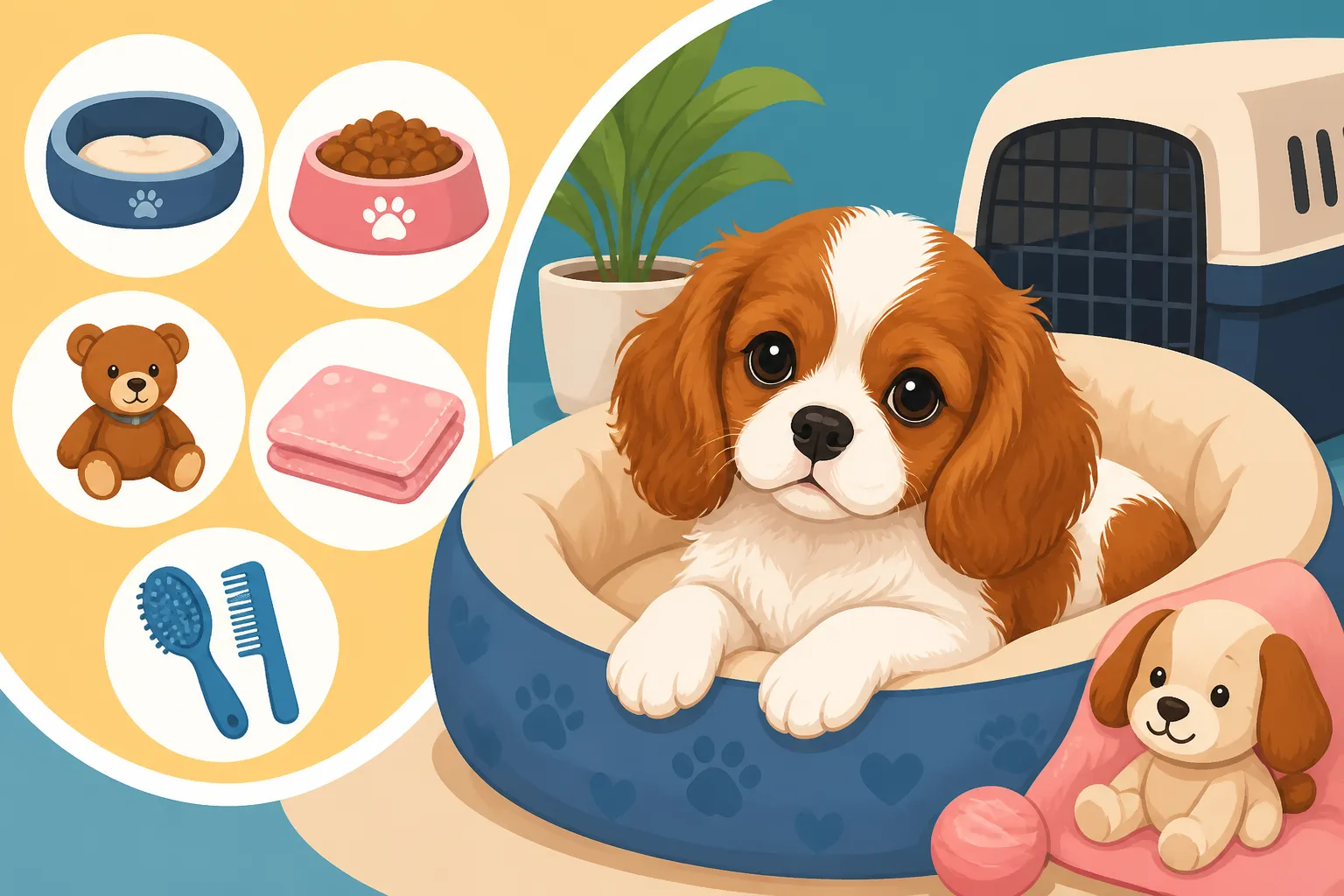
A crate isn't a punishment; it's a den, a safe haven, and an invaluable tool for house training and creating a sense of security for your Cavalier puppy. The goal is to make the crate a positive space, not a prison. For a Cavalier, you'll want a crate that is appropriately sized – large enough for them to stand up, turn around, and lie down comfortably, but not so big that they can relieve themselves in one corner and sleep in another. This "just right" size is crucial for successful house training, as dogs instinctively don't want to soil their sleeping area. Many crates come with dividers, allowing you to adjust the size as your puppy grows, which is a fantastic feature for managing crate training over time. You can find excellent options for various sizes on sites like Chewy, offering a good selection for small breeds.
When it comes to bedding, comfort and washability are key. A soft, washable mat or bed will make the crate much more inviting. Avoid anything with loose threads or small pieces that could be chewed off and ingested. For young puppies, a simple, durable crate pad or a thick towel is often best, as accidents are inevitable, and you'll be washing it frequently. As they get older and reliably house-trained, you can introduce a more plush, comfortable bed. Many Cavalier owners find that their dogs truly love their crates, viewing them as their private retreat. To make the crate extra cozy, consider draping a light blanket over it, creating a den-like feel. This can help reduce external stimuli and encourage restful sleep, especially in a busy household. Remember, consistency is key: always make the crate a positive experience with treats and praise, never as a place for punishment.
Setting Up a Designated Puppy Zone
Even with an entire house to explore, it's incredibly beneficial for your new Cavalier puppy to have a dedicated "puppy zone" during their first few weeks. This space serves as their home base, a place where they can feel secure and where you can easily monitor them. It's often a small, puppy-proofed area like a kitchen, a utility room, or a section of the living room blocked off with baby gates. This helps prevent them from feeling overwhelmed by too much space and makes supervision much more manageable.
Within this zone, you'll want to place their crate with its comfy bedding. Nearby, set up their food and water bowls. For Cavalier puppies, it's wise to use elevated bowls or a bowl stand if their ears tend to dip into their food or water. This simple trick helps keep their beautiful long ears clean and dry, preventing messy meal times and potential ear infections. You’ll also want to have a few appropriate chew toys readily available in this area. Chew toys are essential for puppies, especially when they're teething, and having them within easy reach helps direct their chewing instincts away from your furniture or shoes. This designated area also makes it easier to keep an eye on them for signs they need to go outside for Cavalier Puppy Toilet Training Indoors. A common frustration for new puppy owners is the constant vigilance required, and a contained space really helps manage that.
Remember to equip this puppy zone with disposable pads or an indoor potty solution if you’re using one, especially for those middle-of-the-night trips or when you can't immediately get them outside. This controlled environment reduces the chances of accidents in other parts of the house and reinforces good habits within their designated space. It's a stepping stone to them eventually having more freedom as they grow and learn the house rules.
Essential Supplies for Your Cavalier Puppy
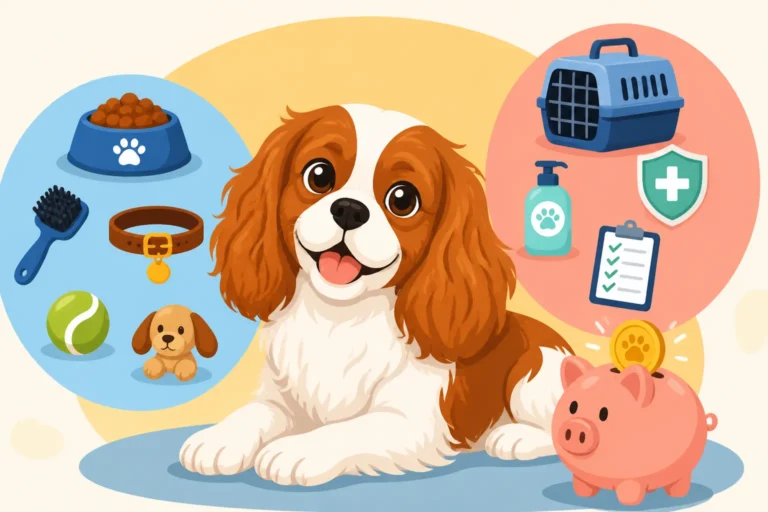
Getting all the gear ready before your puppy arrives is like nesting for a new baby – you want to have everything perfectly in place. This isn't just about indulgence; having the right supplies ensures their health, comfort, and makes your life as a new puppy parent much easier.
Food and Water Essentials
Choosing the right food for your Cavalier puppy is one of the most important decisions you'll make. Their diet plays a huge role in their growth, energy levels, and overall health. Your breeder will likely send your puppy home with a small supply of the food they've been eating, which is fantastic because it allows for a gradual transition to whatever food you choose. Sudden changes can lead to upset stomachs, which is the last thing you want in those first few days. When you do transition, do it slowly over 7-10 days, mixing increasing amounts of the new food with decreasing amounts of the old.
For Cavaliers, a high-quality small-breed puppy formula is often recommended because it's specifically designed for their nutritional needs and smaller mouths. Look for foods with real meat as the first ingredient and avoid excessive fillers. Some owners opt for fresh, human-grade food services, such as Ollie, which can offer precise portioning and high-quality ingredients tailored to your puppy's age and weight. Regardless of the brand, pay close attention to the calorie count and feed according to the guidelines, adjusting for your puppy's activity level. Cavaliers can gain weight easily, and excess weight puts undue strain on their developing joints and future heart health. For a deep dive into specific kibble sizes, you might want to read about Small Breed Kibble Sizes for a Cavalier. Always have fresh water available in a sturdy, non-tip bowl. Stainless steel or ceramic bowls are often preferred over plastic, as plastic can harbor bacteria and sometimes cause skin irritation.
Grooming Tools and Hygiene Products
Cavaliers are known for their beautiful, silky coats and long, feathered ears, which means they come with some specific grooming requirements. Getting your puppy accustomed to grooming from an early age will make future sessions much less stressful for both of you.
You'll need a soft slicker brush and a metal comb. The slicker brush is great for general coat maintenance and removing loose hair, while the metal comb is essential for tackling tangles and mats, especially behind the ears, in the armpits, and on their gorgeous feathering. These areas are prone to matting and can become uncomfortable if neglected. To learn more about specific tools, consider checking out The Combs That Reach Cavalier Feathering. You'll also need a gentle puppy shampoo and conditioner, along with a few soft towels. Bathing too frequently can strip natural oils, so aim for baths only when truly necessary. For their delicate ears, a veterinarian-approved ear cleaner is a must. Cavaliers' drop ears create a warm, moist environment that is perfect for yeast and bacteria to thrive, making ear care a regular part of your routine. Start with short, positive grooming sessions, always using lots of praise and treats to build a positive association.
Don't forget nail clippers or a grinder specifically designed for small dogs. Puppy nails grow quickly and can be quite sharp, causing scratches during play. Getting them comfortable with nail trims early on is vital. If you're nervous about trimming them yourself, your vet or a professional groomer can show you how to do it safely. Dental hygiene is also incredibly important for Cavaliers, as their crowded jaws can be prone to dental disease. A puppy toothbrush and canine-specific toothpaste are excellent investments to start a brushing routine early, even if it's just for a few seconds at first.
Playtime and Training Gear
Play and positive reinforcement training are crucial for a well-adjusted Cavalier puppy, fostering their intelligence, building your bond, and burning off some of that adorable puppy energy. Having the right gear makes these activities more effective and enjoyable.
Start with a variety of chew toys. Puppies explore with their mouths, and redirecting that natural instinct to appropriate chew items saves your furniture (and your fingers!). Look for different textures and durability levels. Soft plush toys are great for comfort and gentle play, while tougher rubber or nylon chews are perfect for satisfying their need to gnaw. Puzzle toys that dispense treats can provide mental stimulation and keep them occupied, especially when you need a moment of peace. For training, a flat buckle collar or a lightweight, soft harness is essential. For a Cavalier's delicate neck, many owners prefer harnesses to avoid putting pressure on the trachea, especially if the puppy pulls. Look for a harness that fits snugly but doesn't chafe. A lightweight 4-6 foot leash is also a must-have for walks and supervised outdoor exploration.
High-value training treats are indispensable for positive reinforcement. These are tiny, irresistibly delicious morsels that your puppy will work for. Think small pieces of cooked chicken, cheese, or commercially available soft treats. These are crucial for teaching basic commands and for successful house training. Beyond the basics, consider some safe, durable balls for fetch, or a flirt pole to engage their natural chase drive in a controlled way. Remember, Cavalier puppies have a lot of energy in short bursts, followed by long naps, so having a range of stimulating toys helps keep them entertained during their awake periods.
Healthcare and Safety Items
Beyond the daily essentials, a few healthcare and safety items are paramount for your Cavalier puppy's first weeks and beyond. This category is all about prevention and preparedness, ensuring you can react effectively to common puppy mishaps and maintain their health.
First and foremost, have a designated veterinarian lined up before your puppy arrives. You'll need to schedule their initial check-up within a few days of bringing them home. This first visit is critical for ensuring they're healthy and to discuss their vaccination schedule. Speaking of which, Vaccinating a Cavalier Puppy is a foundational step in protecting them from common and dangerous canine diseases. Keep a copy of your puppy's vaccination records and any health clearances from the breeder easily accessible for this first vet visit. A first-aid kit for pets is also a wise investment. Include items like antiseptic wipes, sterile gauze pads, medical tape, tweezers (for splinters or ticks), and a pet-safe wound spray. Your vet can advise you on other specific items that might be useful.
Parasite prevention is another key area. Your puppy will likely have been dewormed by the breeder, but you'll need to continue with monthly heartworm, flea, and tick prevention as recommended by your vet. There are many options available, from topical treatments to oral medications. For identification and safety, ensure your puppy has a collar with an ID tag clearly displaying your phone number. Even better, get them microchipped at their first vet visit. A microchip is a permanent form of identification that greatly increases the chances of being reunited if your Cavalier ever gets lost. Keep the registration information up to date! Finally, while not a physical item, researching pet insurance, perhaps even from a reputable provider like Healthy Paws, early on can save you significant financial stress down the line, especially with breeds prone to certain health issues. It's much easier to enroll them before any pre-existing conditions develop.
| Category | Essential Items | Notes |
|---|---|---|
| Living Space | Crate (with divider), Soft washable bedding, Playpen/Baby gates | Crate should be size-appropriate; choose bedding that is easily cleaned. |
| Feeding | Small-breed puppy food, Food & water bowls (stainless steel/ceramic), Treats | Gradual food transition; bowls should be non-tip and easy to clean. Use tiny, high-value treats for training. |
| Grooming | Slicker brush, Metal comb, Puppy shampoo/conditioner, Ear cleaner, Nail clippers | Start grooming early; prioritize ear health. |
| Play & Training | Variety of chew toys, Puzzle toys, Soft harness/collar, Lightweight leash | Choose safe, durable toys; harness is often preferred for Cavaliers. |
| Health & Safety | Vet contact info, Puppy first-aid kit, ID tags, Microchip registration, Poop bags | Have vet visit scheduled. Microchip is crucial. Keep sanitation in mind on walks. |
Navigating the First Few Days: Bringing Your Puppy Home
The first few days with your Cavalier puppy are a critical period for bonding, setting expectations, and helping them adjust to their new life. It's a time for patience, consistency, and showering them with positive experiences.
The Journey Home and First Introductions
The journey home can be a bit nerve-wracking for a young puppy, leaving everything familiar behind. It's best to prepare for this by bringing a crate or a secure carrier lined with a soft blanket that smells like their littermates or mother, if possible. This familiar scent can be incredibly comforting. Avoid putting your puppy directly on a car seat where they could be jostled around or get sick. Many breeders will advise against feeding a large meal right before travel to prevent car sickness. Bring some paper towels and puppy wipes, just in case of accidents. When you arrive home, resist the urge to immediately overwhelm them with excitement. Keep things calm and quiet.
Upon arrival, take your puppy directly to the designated potty spot in your yard. Give them plenty of time and praise them enthusiastically when they relieve themselves. This immediately starts reinforcing good habits. Once inside, introduce them to their "puppy zone" and their crate. Let them explore this small, safe area on their own terms. If you have other pets, introductions should be supervised, gradual, and positive. Keep the initial meetings short, on leash, and focused on calm interactions. Your existing pets will need time to adjust too, and your new puppy will benefit from a peaceful integration rather than being thrown into a chaotic scene. Remember, the goal is to make their first hours in your home as low-stress as possible.
Establishing a Routine
Puppies, especially Cavaliers who thrive on predictability, truly benefit from a consistent routine. It provides them with a sense of security, helps with house training, and makes it easier for them to understand what's expected of them. From the moment your puppy arrives, start establishing a schedule for feeding, potty breaks, play, and sleep.
A typical puppy schedule involves frequent potty breaks: first thing in the morning, after every meal, after waking from a nap, after a play session, and right before bed. Keep a consistent feeding schedule, typically 2-3 meals a day for puppies, always at the same times. This predictability helps regulate their digestive system, making house training easier. Play sessions should be interspersed throughout the day, providing mental and physical stimulation without over-tiring them. Cavaliers need their beauty sleep, so ensure they have plenty of uninterrupted nap times in their crate or designated safe space. Over-tired puppies can become cranky and more prone to nipping. This structured approach helps prevent accidents and builds confidence. Consistency in your routine will make a world of difference in helping your Cavalier puppy settle in quickly and feel secure in their new environment. For more on structuring their days, consider reading Why a Cavalier Cannot Be Left All Day.
Initial Vet Visit and Health Checks
One of the most crucial steps during your Cavalier puppy's first week is their initial vet visit. Even if your puppy comes from a reputable breeder with a clean bill of health and up-to-date vaccinations, this visit is essential. It establishes a relationship with your chosen veterinarian, allows for a comprehensive health check, and ensures your puppy is truly thriving.
During this visit, the vet will perform a full physical exam, checking their heart, lungs, eyes, ears, teeth, and general body condition. They'll also check for any signs of parasites and ensure your puppy is on track with their vaccination schedule. This is also the perfect opportunity to discuss ongoing parasite prevention, microchipping, and future spay/neuter plans. Don't hesitate to ask any and all questions you have about your puppy's diet, exercise, grooming, or behavior. This is your chance to get expert advice tailored specifically to your Cavalier. It's also a good idea to bring any health records provided by the breeder, including vaccination certificates and deworming history. This visit ensures peace of mind that your new family member is healthy and well on their way to a long, happy life. It’s a foundational step, similar to knowing Reading a Cavalier Puppy's Health Certificates when you first pick them up.
Preparing for Ongoing Care and Budgeting
Bringing a Cavalier puppy home is a long-term commitment, both emotionally and financially. Understanding the ongoing costs and having a plan for their future care is vital for responsible pet ownership.
Understanding Initial and Recurring Costs
While the initial purchase price of a Cavalier puppy might be the biggest single cost you face upfront, it's just the tip of the iceberg. Many new owners focus on the puppy price but don't fully anticipate the recurring expenses. Beyond the price from a reputable breeder, which can vary greatly (you can research The Price Range Cavalier Breeders Actually Quote for more specific numbers), you'll have immediate setup costs for things like a crate, bowls, leash, collar, and initial food. This can easily add several hundred dollars to your initial investment.
Then come the recurring costs. Food, for instance, will be a monthly expense. While Cavaliers are small, quality food can still add up. Routine veterinary care, including annual check-ups, vaccinations, and parasite prevention, is essential and occurs throughout their life. Don't forget grooming! While you can do some at home, professional grooming every 6-8 weeks is often necessary for their long coats and ear feathering. These costs, along with toys, treats, and potential training classes, form the baseline of pet ownership. As your Cavalier ages, these costs can increase, especially if health issues arise, which unfortunately is common in the breed. To get a comprehensive idea of financial planning, check out Year One With a Cavalier From a Tested Litter.
The Importance of Pet Insurance
Pet insurance is one of those things many people don't think about until it's too late, and then they wish they had it. For a Cavalier King Charles Spaniel, considering pet insurance from a young age is particularly smart due to the breed's predispositions to certain health conditions, most notably Mitral Valve Disease (MVD) and Syringomyelia (SM). These conditions can lead to significant veterinary bills over your dog's lifetime.
Enrolling your Cavalier puppy in a pet insurance plan as early as possible, typically around 8 weeks old, ensures that any conditions that develop later in life aren't considered pre-existing. Pre-existing conditions are generally not covered by insurance, which means if your Cavalier develops a heart murmur at age three, and you didn't have insurance beforehand, any treatment related to that MVD will likely not be covered. This is why learning about Insuring a Cavalier Before the Murmur Arrives is so critical. Providers like Healthy Paws offer comprehensive accident and illness plans that can cover a wide range of veterinary expenses, from emergency visits to chronic conditions. While there's a monthly premium, the peace of mind knowing you can make medical decisions based on what's best for your dog, rather than your bank account, is invaluable. Always read the policy details carefully to understand what's covered, deductibles, and reimbursement percentages.
Planning for Training and Socialization
Bringing a puppy home is just the beginning of their education. Planning for ongoing training and socialization is paramount for raising a well-behaved, confident, and happy Cavalier. These little dogs are intelligent and eager to please, but like any breed, they need guidance.
Start with basic obedience commands at home, using positive reinforcement methods. Cavaliers respond beautifully to praise, treats, and gentle encouragement. Short, frequent training sessions are much more effective than long, drawn-out ones for puppies. Beyond basic commands, early socialization is critical. This means safely exposing your puppy to a variety of sights, sounds, people, and other well-vaccinated, friendly dogs during their critical developmental window (roughly 3-16 weeks of age). Puppy classes are an excellent way to achieve this in a controlled environment, and they also teach you valuable training techniques. Learning about Socializing a Cavalier Puppy Gently can really help guide these early interactions.
Beyond formal classes, regular, supervised outings to parks (once fully vaccinated!), meeting new people, and gentle interactions with children will help your Cavalier grow into a confident and friendly adult. Remember that Cavalier temperament often means they love people, but proper socialization ensures they greet everyone politely. Continuing training throughout their life, even just 5-10 minute refreshers each day, will keep their minds sharp and strengthen your bond.
Disclaimer
The information provided in this article is for general informational purposes only and does not constitute veterinary advice. Always consult with a qualified veterinarian for any health concerns or before making any decisions about your pet's medical care or diet.